
 Worksheets
Circulatory system
Total questions: 32
Worksheet time: 16mins
Type of circulation that refers to blood flow from the heart to the lungs and back to the heart again?
Systemic circulation
Renal circulation
Portal circulation
Pulmonary circulation
The contraction/emptying phase of the cardiac cycle?
Systole
Diastole
The relaxing/filling stage of the cardiac cycle?
Systole
Diastole
Coronary arteries...
supply the heart muscle cells with a supply of blood.
supply the brain cells with a supply of blood.
contain deoxygenated blood.
when clogged, cause a stroke.
The type of blood vessel that normally carries de-oxygenated blood back to the heart from body cells?
arteries
capillaries
veins
The type of blood vessel where exchange of gases, nutrients, and wastes occurs?
arteries
capillaries
veins
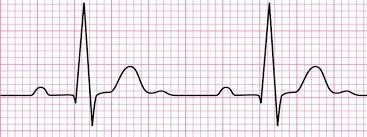
Type of device that measures the electrical currents created by the SA and AV nodes?
AED
MRI
ECG
CAT Scan

The main vein(s) that brings blood to the right atrium?
Aorta
Pulmonary veins
Superior and Inferior vena cava
Jugular vein
The sac that surrounds and protects the heart?
endocardium
epicardium
myocardium
pericardium

Name part N.
Right atrium
left atrium
right ventricle
left ventricle

Name part I.
pericardium
mediastinum
septum
unknownum

Name part A.
Pulmonary artery
Pulmonary vein
Superior vena cava
Aorta

Name part B.
Pulmonary arteries
Pulmonary veins
Superior Vena cava
Aorta

Name part M.
Tricuspid valve
Semilunar valve
Bicuspid valve
Mitral valve


These blood vessels help fight infection and other diseases.
Red Blood Cells
White Blood Cells
Platelets
Plasma
The upper part of the heart is made up of two chambers called what?
Ventricles
Atria
The bottom part of the heart is divided into two chambers called what?
Ventricles
Atria
This chamber of the heart RECEIVES oxygen rich blood back from the lungs
Right Atrium
Left Atrium
Right Ventricle
Left Ventricle
Blood pressure is recorded as
Hydrostatic /diastolic
Diastolic/ hydrostatic
Systolic/diastolic
Diastolic/systolic

When you are grown up, your heart will beat about,
70 times a minute
17 times a minute
30 times a minute
Which factor makes your pulse rate change?
Gender
Physical activity
Height
Complexion
A pulse is the measure of blood against the wall of an artery.
true
false

