
 Worksheets
Chemical Reactions and Solutions
Total questions: 67
Worksheet time: 2hrs 32mins

What is the BEST definition of a chemical reaction?
A change in matter that produces one or more NEW substances
When two things combine and EXPLODE.
A substance that is formed as the result of a chemical reaction is a __________________
Product
Reactant
Starters
Enders
Which of the following is an example of a chemical change?
water freezes to form ice
sugar dissolves in water
gasoline burns in a car engine
a piece of metal expands when it is heated
A change in the shape of an object is an example of _________________.
a chemical change
energy
an endothermic change
a physical change
Which one shows that a chemical reaction has occurred?
dissolving
melting
formation of a gas
bending
A chemical change is different than a physical change because in a chemical change
chemicals are used
molecules do not physically touch
a new substance is formed and in a physical no new substance is formed
the change can be seen but in a physical change it cannot
Which of the following 2 are chemical reactions?
sugar dissolving in water
water turning into steam
burning wood
mixing baking soda and vinegar
tearing paper

Why are chemical equations always balanced? Select ALL that apply.
Matter cannot be created.
Matter cannot be destroyed.
Matter can only be rearranged/conserved.
Matter doesn't matter.

In a chemical reaction, if the reactants are heated, the reaction usually happens
slower
faster
at the same rate
in a smaller volume
Which of the following is a common sign that a chemical change has occurred?
A chemical has turned a different color, bubbled, and/or changed temperature.
A chemical has changed to a different state of matter, such as a liquid to a solid.
A chemical has changed size.
A chemical has become a different shape.


In chemical reactions, what does the Law of Conservation of Matter mean?
Matter is not created or destroyed.
The total mass of the reactants is greater than the total mass of the products.
The total mass of the reactants is less than the total mass of the products.
Matter is not changed.

CH2Cu8 - How many Copper atoms are in this formula?
1
2
8
16
What is the coefficient for this formula? 9NaCl2
9
2
1
11
This tells you how many atoms of an element you have in a chemical formula
coefficient
subscript
chemical symbol
atomic number
This tells you the number of molecules you have of a substance
coefficient
subscript
exponent
chemical formula
Is this equation balanced?
2H2O yields H2 + 2O2
Yes
No
This equation is not balanced. Which element has more atoms on one side than the other?
2HCl + CaCO3 yields CaCl + H2O + CO2
Cl
Ca
H
O
Is this equation balanced?
C + 2H2 yields CH4
No
Yes
How many total atoms are in this formula? 3Zn2O3H
6
9
18
three hydrogen (H)
one sulfur (S)
four oxygen (O)
How many elements are in C6H12O6?
1
2
3
4
Which of the following could be an organic compound? Hint: organic means it contains Carbon!
NH3
H2O
CaCl2
CH4
Which of the following chemical equations follows the Law of Conservation of Mass? Hint: which is balanced?
CO2 + H2O --> C6H12O6 + O2
C6O + H12O --> C6H12O2
CO2 + H2O --> C6H12O6 + O2
CO2 +H2O --> C6H12O6 +O2
Al2
A single atom
Elemental Molecule
Compound Molecule
None of these
Does this follow the Law of Conservation of Mass? (Is it balanced?)
Na + H2O --> NaOH + H2
Yes
No
Does this follow the Law of Conservation of Mass? (is it balanced?)
Mg + Cl2 --> MgCl2
No
Yes
How many Aluminum atoms are in Al2O3?
3
2
5
Which of the following is a physical change?
What happens in a Chemical Reaction?
a) Chemical bonds are formed
b) Chemical bonds are broken
both a & b
None

How many Carbons are present on the reactant side?
1
2
3
4


How many atoms are represented in the reactants of this equation?
6
12
24
36

How many Oxygens are on the product side of this chemical equation?
1
2
3
4
Alloy is a ...
A chemical compound with combination between metal and non-metal
A salt contain of two or more elements where the main element is non-metal
Mixture of two or more elements where the main element is metal
What is a solvent
A liquid that will dissolve a solid solute
Another word for solution
A thing that make drinks change colour
Usually the solid about to be dissolved
The substance being dissolved in a solution is the?
solution
solute
solvent
mixture
Which one loses its identifying characteristics
Which one does not lose its identifying characteristics
As temperature increases, what happens to particles?
They speed up
They slow down
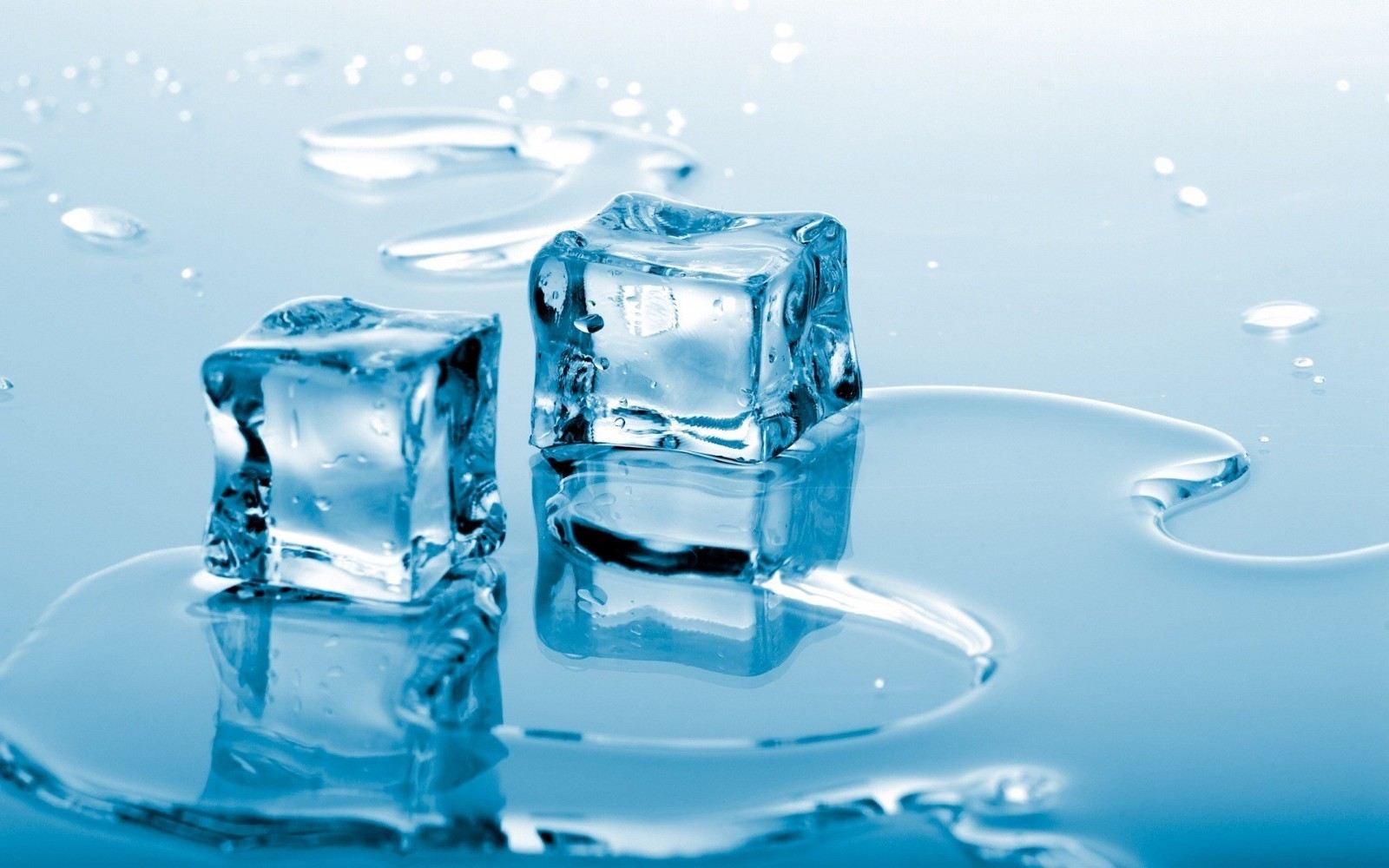
What is happening in this picture of ice melting?
Molecules are speeding up
Molecules are slowing down

What is happening in this picture of water boiling?
Molecules are speeding up
Molecules are slowing down
Condensation
A gas changes into a liquid
A liquid changes into a gas
A solid changes into a liquid
A liquid changes into a solid
Evaporation
A gas changes into a liquid
A solid changes into a liquid
A liquid changes into a gas
A liquid changes into a solid
Solubility depends on
Temperature of solute
pressure & concentration of solvent

