
 Worksheets
Human Body
Total questions: 126
Worksheet time: 2hrs 44mins

Your heart, liver and lungs are protected by what bones:
sternum and ribs
tendon and joint
cartilage and vertebrae
skull and mandible
What is the largest organ on your body?
heart
lungs
skin
stomach
Your heart, liver and lungs are protected by what bones:
sternum and ribs
tendon and joint
cartilage and vertebrae
skull and mandible
How many bones does an adult have?
106
206
600
What is the largest organ on your body?
heart
lungs
skin
stomach
What bones protect your brain?
deltoid
skull
sternum
femur
What are the main jobs of the skeletal system?
Support, protection, and movement of the body
Digest food
Get rid of waste in the body
Sense changes in the environment
Which organ does pump blood in all the body?
liver
brain
heart
stomach
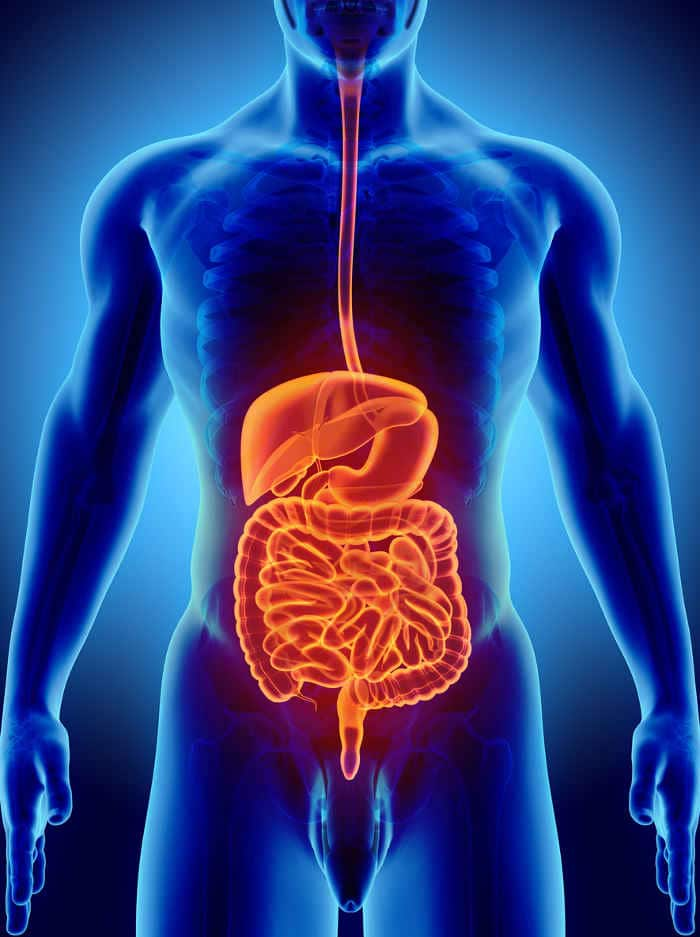
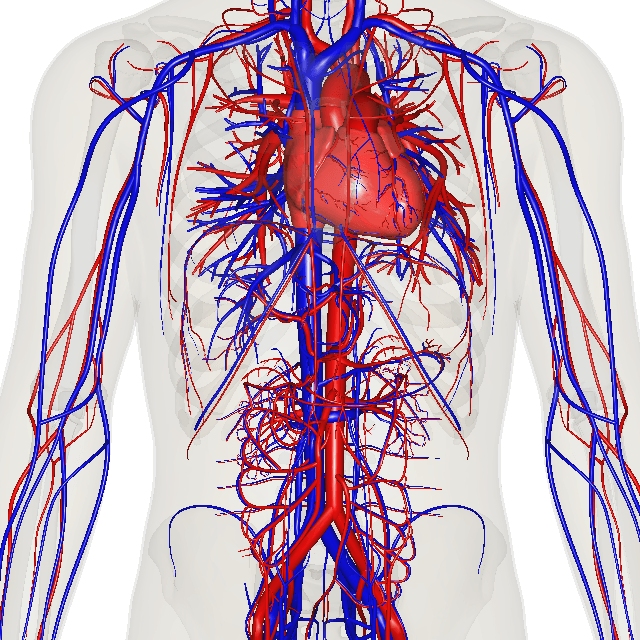
Which human system do you see in the image?
digestive system
respiratory system
circulatory system
nervous system
Which type of waste is removed by the respiratory system?
carbon dioxide
bile
urine
amino acids
Red blood cells are made in the?
heart
bone marrow
kidneys
brain
Which of the following is carried by a red blood cell throughout the body?
Glucose
Carbon Dioxide
Oxygen
Both Carbon Dioxide AND Oxygen
The average size of an adult heart is about the size of a:
fist
foot
grapefruit
kidney bean


Actions by one thing that have an effect on a different or separate thing
function
interactions
movement
What something does
function
interaction
movement
A group of organs and
tissues that sense,
transmit, and process
information
digestive system
organs
nervous system
The group of organs that
work together to circulate
blood through the body,
supply oxygen and nutrients,
and remove waste
digestive system
nervous system
circulatory system
What is the overall function of the respiratory system?
To provide the body with the nutrients it needs
To move gases into and out of the body
To move the body
To provide the body with protection
Select all that your blood picks up and carries around the body:
Oxygen
Carbon dioxide
Nutrients
Waste
What is the overall function of the IMMUNE SYSTEM?
To send signals around the body
To move the body
To defend the body from pathogens
To absorb nutrients
Which of the following would be BAD for your immune system?
vitamin C
sleep deprivation
exercise
healthy diet

Group of organs together form a (a)
True or False: The skin is the largest organ in the body?
False
True
True or False: Each system is made up of smaller parts like cells, tissues and organs.
True
False
What is another name for your heartbeat?
Heart Time
Blood Sound
Pulse
Vein
What is the name of the gas we breathe in our lungs to survive?
Carbon Dioxide
Laughing Gas
Steam
Oxygen
How many types of muscles are in your body?
3
8
10
100
Ona scale of 1-5, how easy was this quiz? (1 is very difficult, 5 is very easy).
1
2
3
4
5
How well do you think you did on this quiz? (1 is not well at all, 5 is extremely well)
1
2
3
4
5
What is the endocrine system?
A system of vessels that circulates blood around the body.
A group of bones and tissue that provides support and structure for the body.
A group of glands that work together with the nervous system to coordinate all body functions
A group of organs that is responsible for eliminating wastes.
Endocrine glands secrete _
Hormones
Neurotransmitters
A wide range of chemical substances
What structure forms a protective layer between the environment and the inside of your body?
skin
bone
blood vessels
muscles
The skeletons purpose is to________. Check all that apply.
supports the body
support muscles and movement
send messages throughout your body
protect organs
Your lungs take in what type of gas from the air you breathe?
carbon dioxide
methane
oxygen
helium
What is the job of the respiratory system?
support the body
transport oxygen and nutrients through the blood
takes in oxygen and removes carbon dioxide
breaks down food for nutrients

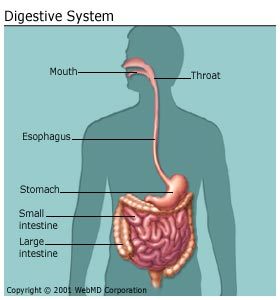
Which system is shown in the diagram?
nervous system
circulatory system
digestive system
respiratory system

Which system is represented in the diagram?
nervous system
circulatory system
muscular system
respiratory system
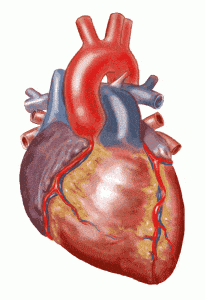
Which organ pumps blood throughout your body?
brain
lungs
heart
stomach
Which parts belong to the circulatory system? You may check more than one box.
heart
stomach
blood vessels
blood
Which parts belong to the respiratory system? You may check more than one box.
heart
lungs
alveoli
bronchial tubes
How does the circulatory system work with the respiratory system?
They provide structure for the human body.
They work together to send signals to and from the brain.
They work together to deliver oxygen to the body and remove carbon dioxide from the body.
They work together to deliver nutrients to the body.
The following organ IS NOT part of the digestive system
Heart
Stomach
Esophagus
Mouth
The following organ IS NOT part of the circulatory system
Heart
Stomach
Arteries
Blood
Is a group of organs working together to convert food into energy.
Circulatory system
Excretory system
Digestive system
Respiratory system
What is one of the functions of bones in our body?
To support the body.
To pump blood.
To digest food.
Which human body system functions to move bones and joints?
muscular system
digestive system
skin system
respiratory system
What is inside your skin that provides information to the human body that something might be dangerous?
bones
muscles
joints
nerve receptors
Which organ does the skull protect?
heart
lungs
brain
stomach

Which sentence best describes the function of muscles?
Muscles show how strong you are.
Muscles make fat if you don’t exercise.
Muscles make the bones move.
Muscles protect the skin.

Which is NOT a function of skin?
nerve receptors
protection
movement
support
A structure made up of different types of tissue and performs a specific job.
cells
tissue
organ
organ system
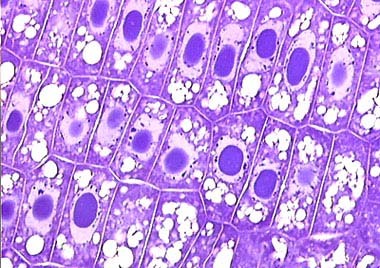

What is a group of cells that have similar functions? Examples include nervous, epithelial, muscle, and connective _________ .
cells
tissues
organs
atoms
which are the examples of connective tissue
cartilage
blood
skeletal
bone
cardiac
Which tissue filters the blood?
epithelial
connective
muscle
nervous
What 2 systems: Absorb and deliver the digested nutrients to the cells
Digestive and muscular
Muscular and lymphatic
Digestive and circulatory
Nervous and skeletal
What 2 systems: Allows for movement
Muscular and Skeletal
Endocrine and Skeletal
Nervous and Circulatory
Integumentary and Reproductive
What 2 systems: Allow organs to contract and push food through
Muscular and Skeletal
Excretory and Muscular
Endocrine and Muscular
Muscular and Digestive
What 2 systems: Diaphragm controls breathing
Circulatory and Endocrine
Respiratory and Muscular
Muscular and Skeletal
Circulatory and Respiratory
Which two systems interact so the kidneys filter cellular waste out of blood for removal?
circulatory and endocrine
respiratory and circulatory
digestive and respiratory
circulatory and urinary
Which two body systems interact to send oxygen throughout the body?
Nervous and Digestive
Respiratory and Circulatory
Excretory and Endocrine
Circulatory and Skeletal
When your body comes in contact with a sharp object, an impulse sent you your brain triggers a reflex that causes you to move away from the object. What body systems are interacting to cause this response?
Nervous, Respiratory,
Nervous, Muscular
Nervous, Skeletal
Nervous, Digestive
Olympic sprinters undergo increased heart and breathing rates while competing. Which of the following best describes the interactions among systems of a sprinter?
Respiratory system is working to obtain more oxygen, while the circulatory system works to transport the oxygen to the muscles.
The digestive system takes in more glucose, while the excretory system removes waste.
The endocrine system transports ATP to the nervous system
Excretory system removes waste from the digestive system to reduce weight so the sprinter can run faster
Kidneys are part of the urinary system in a human body. They purify the impure blood and send it back to the rest of the body. Which system is mainly responsible for the transport of blood to the kidneys?
Respiratory system
Circulatory system
Muscular system
Nervous system
Why is the maintenance of homeostasis important to multicellular organisms?
They must keep their internal environment within a narrow range of conditions.
They require the ability to adjust their internal environment to match their external environment
Their cells need to be able to respond rapidly to drastic changes in their external enviornment
Their internal environment must provide their cells with a wide range of conditions
Dialysis is a medical treatment used when a person’s kidneys are no longer able to function. During this process, a machine uses an artificial membrane to remove waste products from the blood. Which body system below is not functioning properly in a person who requires dialysis?
Endocrine system
Integumentary system
Urinary system
Circulatory system

