wayground logo

Free Printable Worksheets

Font size

S
M
L
XL
Worksheets

EXTRA MILE #15

Total questions: 188

Worksheet time: 2hrs 34mins

Name
Class
Date
1.
How many phases does the moon go through?
a)
4
b)
8
c)
10
d)
16
2.
As the moon's shape appears to get smaller, we say that the moon is _.
a)
swelling
b)
waxing
c)
waning
d)
disappearing
3.
The cycle of the moon lasts about a _.
a)
day
b)
year
c)
week
d)
month
4.
If the last full moon was on April 4th, when can you expect to see the next full moon? 
a)
April 29th
b)
July 4th
c)
May 4th
d)
September 12th
5.
Changes in the moon's appearance are
a)
phases
b)
eclipses
c)
stages
d)
cycle
6.
Define Waxing
a)
Moon is increasing and light part appears to be growing
b)
Completely illuminated
c)
dark side is facing earth
d)
Moon is decreasing and light part appears to be shrinking
7.

The spinning of the earth on its axis that causes day and night is called

a)

orbit.

b)

axis.

c)

rotation.

d)

revolution.

8.

The path of an object in space around another object is a(n)

a)

orbit.

b)

axis.

c)

rotation.

d)

revolution.

9.

It takes about _____ for the earth to complete one rotation.

a)

28 days

b)

24 hours

c)

365 hours

d)

365 days

10.

What causes the moon's phases

a)

Where you are standing on Earth

b)

the amount of sunlight reflected onto the moon from the sun

c)

The tilt of Earth

d)

how fast the moon is moving

11.
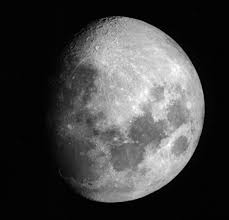
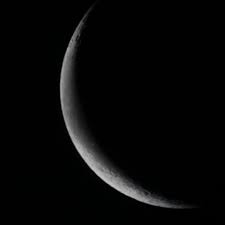
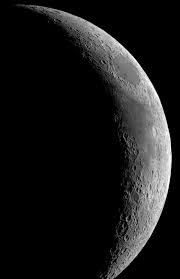
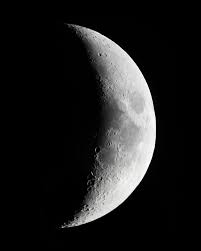
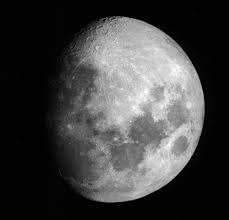
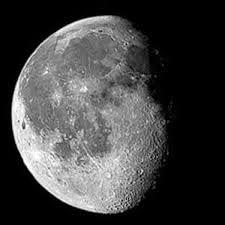
Name the moon phase
a)
waning crescent
b)
waxing crescent
c)
waning gibbous
d)
waxing gibbous
12.
When the moon is in between the earth and the sun it is a...
a)
New Moon
b)
Full Moon
c)
First Quarter
d)
Third Quarter
13.
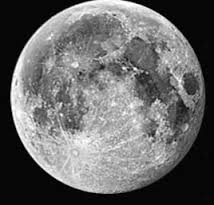
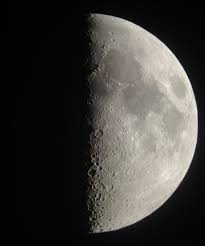
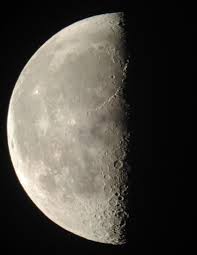
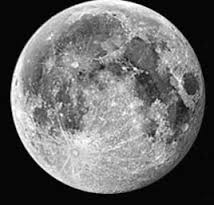
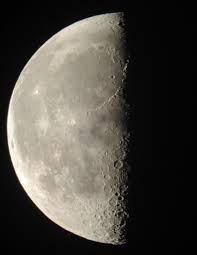
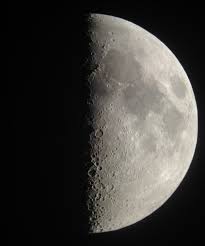
Name the moon phase in the picture.
a)
First Quarter
b)
Last Quarter
c)
New Moon
d)
Full Moon
14.
Name the moon phase in the picture.
a)
First Quarter
b)
Last Quarter
c)
New Moon
d)
Full Moon
15.
Why does the moon appear to change shape?
a)
The Moon changes its actual shape throughout the course of the month.
b)
As the Moon changes position, different amount of the dayside are visible from Earth.
c)
The season of the year determines the phase of the Moon.
d)
The closer the Moon is to Earth, the more light the Moon reflects.
16.
Does this picture represent a waxing or waning moon?
a)
waxing, because the light is increasing
b)
waning, because the light is decreasing
c)
waxing, because the light is decreasing
d)
waning, because the light is increasing
17.
How many days does it take for the moon to complete a full lunar cycle?
a)
27
b)
29.5
c)
28
d)
20
18.
Which moon phase is visible at position 4?
a)
new moon
b)
first quarter
c)
full moon
d)
third quarter
19.
Approximately how much time passes between the new moon and full moon?
a)
one month
b)
two weeks
c)
3 days
d)
24 hours�
20.

In which direction does the Moon REVOLVE around the Earth?

a)

clockwise

b)

counter clockwise

c)

some times it changes direction

d)

it doesn't revolve

21.
What does the term WAXING mean?
a)
increasing light
b)
Becoming shiny
c)
Losing light
d)
Moving away
22.
Which moon phase is a waning crescent?
a)
A
b)
B
c)
C
d)
D
23.

As the moon's illumination DECREASES, we say that the moon is _.

a)

swelling

b)

waxing

c)

waning

d)

disappearing

24.

Wax to the Max....

a)

Light on the Left

b)

Light on the Right

c)

Light on the Top

d)

Light of the Bottom

25.

What phase comes 3 weeks AFTER this one?

a)

Full Moon

b)

Third Quarter

c)

New Moon

d)

First Quarter

26.

What does FENS stand for?

a)

Full moon, Earth, New moon, Son

b)

Fat moon, Earth, New moon, Sun

c)

Full moon, Equator, New moon, Sun

d)

Full moon, Earth, New moon, Sun

27.

What phase appears 1 week BEFORE this one?

a)

Third Quarter

b)

Waning Gibbous

c)

Full Moon

d)

Waxing Gibbous

28.

Name the phase of the moon for letter h.

a)

Waning Gibbous

b)

Waxing Gibbous

c)

Waning Crescent

d)

Waxing Crescent

29.

Which percentage accurately describes the amount of illumination for this moon phase?

a)

0%

b)

39%

c)

50%

d)

73%

30.

How much time passes from location d to f?

a)

1 week

b)

2 weeks

c)

3 weeks

d)

4 weeks or about 1 month

31.
Changes in the moon's appearance are
a)
phases
b)
eclipses
c)
stages
d)
cycle
32.

What causes the moon's phases

a)

Where you are standing on Earth

b)

the amount of sunlight reflected onto the moon from the sun

c)

The tilt of Earth

d)

how fast the moon is moving

33.
Define Waxing
a)
Moon is increasing and light part appears to be growing
b)
Completely illuminated
c)
dark side is facing earth
d)
Moon is decreasing and light part appears to be shrinking
34.
As the moon's shape appears to get smaller, we say that the moon is _.
a)
swelling
b)
waxing
c)
waning
d)
disappearing
35.
Which moon phase is when you can't see the moon at all?
a)
Waning crescent
b)
Full moon
c)
Waxing gibbous
d)
New moon
36.
Name the moon phase
a)
waning crescent
b)
waxing crescent
c)
waning gibbous
d)
waxing gibbous
37.
Name the moon phase
a)
waning crescent
b)
waxing crescent
c)
waning gibbous
d)
waxing gibbous
38.
Name the moon phase
a)
waning crescent
b)
waxing crescent
c)
waning gibbous
d)
waxing gibbous
39.
Name the moon phase
a)
waning crescent
b)
waxing crescent
c)
waning gibbous
d)
waxing gibbous
40.

Name the moon phase

a)

First Quarter

b)

Third Quarter

c)

New Moon

d)

Full Moon

41.

Name the moon phase

a)

First Quarter

b)

Third Quarter

c)

New Moon

d)

Full Moon

42.

Name the moon phase

a)

First Quarter

b)

Third Quarter

c)

New Moon

d)

Full Moon

43.

A space object spinning is...

a)

Rotation

b)

Revolution

c)

Axis

44.

An imaginary line that a space object spins on is...

a)

Rotation

b)

Revolution

c)

Axis

45.

A space object goes around another object is...

a)

Rotation

b)

Revolution

c)

Axis

46.

What causes moon phases? (SELECT TWO ANSWERS)

a)

The earth's shadow

b)

The moon revolving around the earth

c)

The moon reflects light from the sun

d)

The rotation of the moon

47.

What is the missing phase?

a)
b)
c)
d)
48.

What is the missing phase?

a)
b)
c)
d)
49.

What is the missing phase?

a)
b)
c)
d)
50.

What happens as the moon revolves around the earth?

a)

The shadow gets darker and darker.

b)

The illuminated (lit) side gets lighter and lighter.

c)

The shadow slowly disappears until it's fully lit, then the lit part slowly disappears until it's completely dark.

51.

Can you see the moon during the day?

a)

Yes

b)

No

52.

What moon phase comes after this?

a)
b)
c)
d)
53.

True or False: The moon is always half lit by the sun.

a)

True

b)

False

54.

True or False: We have moon phases because the earth casts a shadow on the moon.

a)

True

b)

False

55.

What is the result of the moon's orbit being tilted?

a)

A lunar eclipse EVERY month

b)

A lunar eclipse every few years

56.

When the lit part of the moon is getting bigger, we call that ...

a)

Waxing

b)

Waning

57.

When the lit part of the moon is getting smaller, we call that ...

a)

Waxing

b)

Waning

58.

True or False: One side of the moon is always facing the sun.

a)

True

b)

False

59.
CHOOSE THE CORRECT MOON PHASE
a)
FIRST QUARTER
b)
LAST QUARTER
c)
FULL MOON
d)
NEW MOON
60.
CHOOSE THE CORRECT MOON PHASE
a)
FULL MOON
b)
NEW MOON
c)
WAXING GIBBOUS
d)
WAXING CRESCENT
61.
CHOOSE THE CORRECT MOON PHASE
a)
FIRST QUARTER
b)
LAST QUARTER
c)
CRESCENT MOON
d)
NEW MOON
62.
CHOOSE THE CORRECT MOON PHASE
a)
NEW MOON
b)
FULL MOON
c)
WAXING GIBBOUS
d)
NONE OF THE ABOVE
63.
CHOOSE THE CORRECT MOON PHASE
a)
CRESCENT MOON
b)
NEW MOON
c)
FULL MOON
d)
WANING GIBBOUS
64.
CHOOSE THE CORRECT MOON PHASE
a)
WANING GIBBOUS
b)
WAXING GIBBOUS
c)
FULL MOON
d)
WAXING CRESCENT
65.
CHOOSE THE CORRECT MOON PHASE
a)
WAXING CRESCENT
b)
NEW MOON
c)
HALF MOON
d)
WANING CRESCENT
66.
THE WORD "WAXING" MEANS TO
a)
APPEAR TO GROW
b)
APPEAR TO GET SMALLER
67.
THE WORD "WANING" MEANS TO
a)
APPEAR TO GROW
b)
APPEAR TO GET SMALLER
68.
CHOOSE THE CORRECT MOON PHASE
a)
WANING GIBBOUS
b)
NEW MOON
c)
FULL MOON
d)
WAXING GIBBOUS
69.
_______ is the apparent changing shapes of the Moon 
a)
New Moon
b)
Crescent Moon
c)
Full Moon
d)
Moon Phases
70.
A ______ is when the side of the Moon facing Earth appears lite. 
a)
New Moon
b)
Crescent Moon
c)
Full Moon 
d)
Moon Phases
71.
A ______ is when the side of the Moon facing Earth appears to be not lit. 
a)
New Moon
b)
Crescent Moon
c)
Full Moon
d)
Moon Phases
72.
A ________ is when a small section of the Moon facing Earth is lighted. 
a)
New Moon
b)
Crescent Moon
c)
Full Moon
d)
Moon Phases
73.
How long does it take for the Moon to make one full revolution around the Earth? 
a)
one day
b)
one month
c)
one year
d)
never
74.
If the last full moon was on April 4th, when can you expect to see the next full moon? 
a)
April 29th
b)
July 4th
c)
May 4th
d)
September 12th
75.
How would you describe the Moon? 
a)
Smooth surface with an atmosphere but no water
b)
Surface filled with carters and water but no atmosphere
c)
Filled with carters and dust, no water or atmosphere 
d)
The same as Earth 
76.
Which of the following choices has the moon phases in the correct order? 
a)
Full moon, new moon, waxing gibbous, first quarter, waxing crescent, waning gibbous, waning cresent, last quarter
b)
waxing gibbous, new moon, first quarter, waxing crescent, full moon, waning crescent, third/last quarter, waning gibbous
c)
New Moon, Waxing Crescent, First Quarter, Waxing Gibbous, Full Moon, Waning Gibbous, Third/last quarter, Waning Crescent
d)
New Moon, Waning Crescent, First Quarter, Waning Gibbous, Full Moon, Waxing Gibbous, Third/Last Quarter, Waxing Cresecent 
77.
Why does the Moon have phases? 
a)
The moon reflects light from the sun. Sometimes there is a shadow on the moon and we only see part of it. 
b)
Only part of the moon is turned on and shining at a time. 
c)
The Earth is blocking the moon when we don't see it. 
d)
The moon moves out of sight. 
78.
Which phase of the Moon is pictured? 
a)
Full Moon
b)
New Moon 
c)
Cresecent 
d)
Gibbous 
79.

What type of eclipse is shown in the picture?

a)

Solar

b)

Solarfluous

c)

Lunarculus

d)

Lunar

80.

What type of eclipse is shown in the picture?

a)

Solar

b)

Solarfluous

c)

Lunarculus

d)

Lunar

81.

The photo to the right shows the sun’s corona extending beyond the black disk of the moon as it blocks the sun from Earth. This is an example of what type of eclipse?

a)

Solar

b)

Solarfluous

c)

Lunarculus

d)

Lunar

82.

How many times does the moon rotate on its axis in the time it takes it to make 1 revolution around the earth?

a)

365

b)

29.5

c)

7

d)

1

83.

The equator divides the earth into the __________ hemisphere and the __________ hemisphere

a)

eastern and western

b)

northern and southern

84.

What are the reasons for the seasons?

a)

Earths tilt & rotation

b)

Earths tilt & resolution

c)

Earths tilt & revolution

d)

Earths size & rotation

85.

The Earth's axis is tilted _____ degrees.

a)

25.3

b)

23.5

c)

27.9

d)

29.5

86.

One ROTATION of the Earth is equal to....

a)

1 year

b)

1 month

c)

1 week

d)

1 day

87.

How long does it take Earth to make one REVOLUTION around the sun?

a)

365 days (1 year)

b)

1 week

c)

29 days

d)

24 hours

88.

If its ____ in the Northern hemisphere, then its summer in the Southern hemisphere.

a)

Spring

b)

Summer

c)

Winter

d)

Fall

89.

If its ____ in the Northern hemisphere, then its fall in the Southern hemisphere.

a)

Summer

b)

Spring

c)

Fall

d)

Winter

90.

What causes the moon's phases?

a)

where you are standing on Earth

b)

the amount of sunlight that is reflected onto the moon

c)

the tilt of Earth

d)

how fast the moon is moving

91.

How long does it take to complete one lunar cycle?

a)

about 1 month

b)

about 1 year

c)

about 1 day

d)

about 1 week

92.

What is the correct order of the moon phases?

a)

1st quarter, new moon, last quarter, full moon

b)

full moon, 1st quarter, new moon, last quarter

c)

1st quarter, last quarter, full moon, new moon

d)

new moon, 1st quarter, full moon, last quarter

93.

Which moon phase would represent letter A?

a)

New Moon

b)

Last Quarter

c)

Full Moon

d)

1st Quarter

94.
Name the moon phase
a)
waning crescent
b)
waxing crescent
c)
waning gibbous
d)
waxing gibbous
95.
Name the moon phase
a)
waning crescent
b)
waxing crescent
c)
waning gibbous
d)
waxing gibbous
96.
Name the moon phase
a)
waning crescent
b)
waxing crescent
c)
waning gibbous
d)
waxing gibbous
97.
Name the moon phase
a)
waning crescent
b)
waxing crescent
c)
waning gibbous
d)
waxing gibbous
98.
Name the moon phase
a)
First Quarter
b)
Last Quarter
c)
New Moon
d)
Full Moon
99.
Name the moon phase
a)
First Quarter
b)
Last Quarter
c)
New Moon
d)
Full Moon
100.
Name the moon phase
a)
First Quarter
b)
Last Quarter
c)
New Moon
d)
Full Moon
101.
Name the moon phase
a)
First Quarter
b)
Last Quarter
c)
New Moon
d)
Full Moon
102.
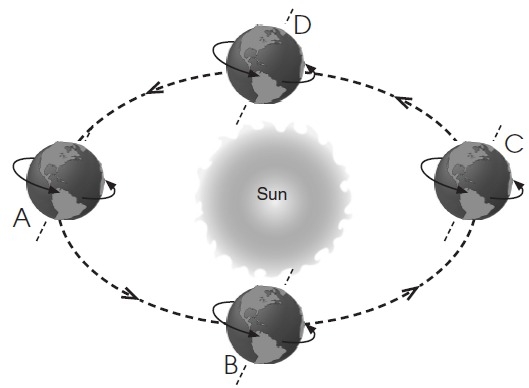
What season is letter A?
a)
Winter
b)
Summer
c)
Spring
d)
Fall
103.
Which way does the moon revolve?
a)
clockwise
b)
counter clockwise
c)
some times it changes direction
d)
it doesn't revolve
104.
When the moon is in between the earth and the sun it is a
a)
New Moon
b)
Full Moon
c)
First Quarter
d)
Third Quarter
105.
What would be the result if the Earth's axis was not tilted but straight up and down?
a)
Nothing would change
b)
There would be no seasons
c)
Days would get longer
d)
The Equator would burn up and the poles would freeze
106.
Name the phase of the moon for letter a
a)
First Quarter
b)
Last Quarter
c)
Waxing Gibbous
d)
Waning Gibbous
107.
Name the phase of the moon for letter f
a)
Waning Gibbous
b)
Waxing Gibbous
c)
Waning Crescent
d)
Waxing Crescent
108.
The spinning of the Earth on its axis, causing Day & Night
a)
Rotation
b)
Revolution
c)
Gyration
d)
Orbit
109.
The movement of one object in a circular path or orbit around another object.
(Causes the seasons, tides, and lunar cycle)
a)
Rotation
b)
Revolution
c)
Spinning
d)
Gyrating
110.

Where would the Sun need to be in this diagram to cause these phases of the moon?

a)

At the Bottom

b)

At the Left

c)

At the Top

d)

At The Right

111.
Which type of eclipse is shown in the diagram?
a)
solar eclipse
b)
lunar eclipse
112.
Which season is the northern hemisphere experiencing?
a)
Spring
b)
Summer
c)
Fall
d)
Winter
113.

How long does it take for Earth to make 1 revolution?

a)

24 hours

b)

365 1/4 days

c)

1 month

d)

1 day

114.

How many days does the Moon take to Orbit the Earth?

a)

24

b)

26

c)

28

d)

30

115.

_______ means to spin on its axis.

a)

Revolve

b)

Rotate

c)

Orbit

116.

_______ is the movement of an object around another object.

a)

Revolve

b)

Rotate

c)

Orbit

117.

The path of an object in space is known as its ________.

a)

Revolve

b)

Rotate

c)

Orbit

118.

Which statement is true based on the diagram?

a)

It is summer in the northern hemisphere.

b)

Its is winter in the southern hemisphere.

c)

It is an equinox.

d)

It is summer in the southern hemisphere and the northern hemisphere is receiving less direct sunlight.

119.

What is responsible for the length of time our seasons last?

a)

The Earth's tilt

b)

The Speed that our planet revolves around the sun

c)

How close we are to the Sun

d)

How much light the Earth gets.

120.
What is a way of describing how the moon looks during the quarter phase?
(this is the tricky one)
a)
Invisible
b)
A Pizza Pie
c)
A Half
d)
A Thin Banana
121.
When the moon waxes, it ________.
a)
goes from a new moon to a full moon
b)
seems to get bigger in size
c)
goes from a full moon back to a new moon
d)
A and B only
122.
When the moon wanes, it ________.
a)
goes from a new moon to a full moon
b)
goes from a full moon back to a new moon
c)
seems to get smaller in size
d)
B and C only
123.
What happens right after the full moon phase?
a)
The moon becomes new.
b)
The moon goes through its phases in the reverse order.
c)
The moon seems to disappear in the sky.
d)
The moon starts to wax.
124.
What is the correct order of the first five phases of the moon?
a)
full, crescent, quarter, gibbous, new
b)
new, crescent, gibbous, quarter, full
c)
new, crescent, quarter, gibbous, full
d)
full, quarter, gibbous, crescent, new
125.
What is true of a new moon?
a)
The moon appears invisible.
b)
You can see about half the moon.
c)
The moon looks like a pizza pie.
d)
It involves teenage vampires
126.
Which phase of the moon is shown in the picture?
a)
New
b)
Cresent
c)
Quarter
d)
Gibbous
127.
Which phase of the moon is shown in the picture?
a)
New
b)
Cresent
c)
Quarter
d)
Gibbous
128.
Why does the moon appear bigger than the planets and stars?
a)
The lack of atmosphere on the moon makes it look bigger.
b)
In reality, the moon is much bigger than the planets and stars.
c)
The planets and stars are farther away.
d)
The moon's gravity makes it look bigger.
129.
 True or False: The moon does not produce its own light.
a)
True
b)
False
130.

The spinning of the earth on its axis that causes day and night is called

a)

orbit.

b)

axis.

c)

rotation.

d)

revolution.

131.

The imaginary line running through the center of the earth is the

a)

orbit.

b)

rotation.

c)

axis.

d)

revolution.

132.

The path of an object in space around another object is a(n)

a)

orbit.

b)

axis.

c)

rotation.

d)

revolution.

133.

When the earth travels around the sun on its orbit, it's called

a)

orbit.

b)

axis.

c)

rotation.

d)

revolution.

134.

In this picture, the earth is _______ around the sun.

a)

rotating

b)

seasons

c)

day and night

d)

revolving

135.

When the earth revolves around the sun it causes _______ on earth.

a)

rotating

b)

seasons

c)

day and night

d)

revolving

136.

In this picture, the earth is ________ on its axis.

a)

seasons

b)

revolving

c)

rotating

d)

day and night

137.

Rotating causes ________ on earth.

a)

seasons

b)

revolving

c)

rotating

d)

day and night

138.

Waxing means to _______.

a)

get smaller

b)

get larger

139.

Waning means to _______.

a)

get smaller

b)

get larger

140.

It takes about _____ for the earth to complete one rotation.

a)

28 days

b)

24 hours

c)

365 hours

d)

365 days

141.

It takes about ____ for earth to complete one revolution around the sun.

a)

28 days

b)

24 hours

c)

365 hours

d)

365 days

142.

It takes about ______ for the moon to go through all of its phases.

a)

28 days

b)

24 hours

c)

365 hours

d)

365 days

143.

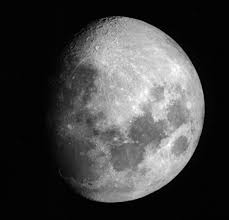
This phase is _____.

a)

full moon

b)

waxing crescent moon

c)

first quarter

d)

waning gibbous

144.

This phase is ______.

a)

full moon

b)

waxing crescent moon

c)

first quarter

d)

waning gibbous

145.

This phase is _______.

a)

full moon

b)

waxing crescent moon

c)

first quarter

d)

waning gibbous

146.

This phase is ______.

a)

full moon

b)

waxing crescent moon

c)

first quarter

d)

waning gibbous

147.
Name the moon phase
a)
full moon
b)
waxing crescent
c)
waning gibbous
d)
waxing gibbous
148.
Name the moon phase
a)
waning crescent
b)
waxing crescent
c)
last quarter
d)
waxing gibbous
149.
Name the moon phase
a)
waning crescent
b)
first quarter
c)
waning gibbous
d)
waxing gibbous
150.
Name the moon phase
a)
waning crescent
b)
waxing crescent
c)
waning gibbous
d)
full moon
151.
Name the moon phase
a)
First Quarter
b)
Last Quarter
c)
New Moon
d)
Full Moon
152.
Name the moon phase
a)
First Quarter
b)
Last Quarter
c)
New Moon
d)
Full Moon
153.
Name the moon phase
a)
Waning Crescent
b)
Last Quarter or (third quarter)
c)
New Moon
d)
Full Moon
154.
Name the moon phase
a)
First Quarter
b)
Waxing Crescent
c)
New Moon
d)
Full Moon
155.
What is the difference between a gibbous moon and a crescent moon?
a)
The gibbous shows more than half of the bright side of the moon.
b)
The crescent shows more than half of the bright side of the moon.
c)
The gibbous shows less than half of the bright side of the moon. 
d)
There is no difference
156.
How many phases does the moon go through?
a)
4
b)
8
c)
10
d)
16
157.
The cycle of the moon lasts about a _.
a)
day
b)
year
c)
week
d)
month
158.
The moon ____________ around the Earth.
a)
orbits
b)
rotates
c)
up
d)
down
159.
CHALLENGE
When the moon is lined up exactly between the sun and Earth, it is called a ______ ______. 
a)
Solar Eclipse
b)
Lunar Eclipse
160.
TRUE or FALSE
We can see the moon during the day. 
a)
True
b)
False
161.
ROTATE vs REVOLVE
What causes the seasons? 
a)
The Earth spinning or rotating
b)
The Earth revolving around the Sun on its tilted axis.
162.
What is this a picture of?
a)
Full Moon
b)
Quarter Moon
163.
What is this a picture of?
a)
New Moon
b)
Waxing Gibbous
164.
What is this a picture of?
a)
Waxing Gibbous
b)
Waning Gibbous
165.
What is this a picture of?
a)
Waxing Gibbous
b)
Waning Gibbous
166.
What is this a picture of?
a)
Waxing Crescent
b)
Waning Crescent
167.
What is this a picture of?
a)
Waxing Crescent
b)
Waning Crescent
168.
What is this a picture of?
a)
First Quarter
b)
Last Quarter
169.
What is this a picture of?
a)
First Quarter
b)
Last Quarter
170.
How many phases does the moon have?
a)
8
b)
7
171.
What makes the moon bright?
a)
sun
b)
stars
172.
About how long does it take the moon to make one complete cycle around the earth?
a)
65 days
b)
8 days
c)
365 days
d)
28 days
173.
Phases of the moon in which the moon appears to be getting larger are referred to as _.
a)
waxing
b)
waning
c)
new
d)
eclipse
174.
What Moon phase is this?
a)
Full Moon
b)
Waxing Gibbous
c)
New Moon
d)
Half Moon
175.
What phase comes AFTER this one?
a)
Waxing Crescent
b)
Waning Gibbous
c)
Waxing Gibbous
d)
Third Quarter
176.
What Moon phase is this?
a)
Waxing Crescent
b)
Waning Gibbous
c)
Waning Crescent
d)
Waxing Gibbous
177.
What phase comes BEFORE this one?
a)
New Moon
b)
Third Quarter
c)
Waxing Crescent
d)
Full Moon
178.
What Moon phase is this?
a)
Last Quarter
b)
New Moon
c)
Third Quarter
d)
First Quarter
179.
What Moon phase is this?
a)
Waxing Gibbous
b)
Waning Crescent
c)
Waning Gibbous
d)
Full Moon
180.
What Moon phase is this?
a)
Old Moon
b)
Far Side of the Moon
c)
New Moon
d)
Waxing Gibbous
181.
What phase comes BEFORE this one?
a)
Waxing Crescent
b)
Waxing Gibbous
c)
Waning Gibbous
d)
Waning Crescent
182.
What Moon phase is this?
a)
Waning Crescent
b)
Waxing Crescent
c)
Waxing Gibbous
d)
Waning Gibbous
183.
What phase comes BEFORE this one?
a)
Full Moon
b)
Third Quarter
c)
New Moon
d)
First Quarter
184.
What phase comes BEFORE this one?
a)
Waxing Gibbous
b)
Waxing Crescent
c)
Waning Gibbous
d)
Waning Crescent
185.
What Moon phase is this?
a)
Waxing Crescent
b)
Waning Gibbous
c)
Waxing Gibbous
d)
Waning Crescent
186.
What phase comes AFTER this one?
a)
Waning Crescent
b)
Waning Gibbous
c)
Waxing Crescent
d)
Third Quarter
187.
The complete cycle of the moon lasts about a _.
a)
day
b)
year
c)
week
d)
month
188.
Which moon phase is when you can't see the moon at all?
a)
Waning crescent
b)
Full moon
c)
Waxing gibbous
d)
New moon