
 Worksheets
Chapter 12 Mitosis/cell division
Total questions: 59
Worksheet time: 44mins
True or False The original cell is the ancestor of every other in cell in the body.
true
false
What are the reasons that cells divide? Pick all that apply.
tissue regeneration
repair damaged cells
growth
reproduction
A cells DNA is called its ________________
chromosomes
genome
gametes
somatic cells
Somatic cells are
body cells, anything other than gametes
nerve cells
sex cells
brain cells
Pick all that apply- Homologous chromosomes are
same length
have/contain the same genes at the same place (loci)
contain one from mom and one from dad
are happy chromosomes
True or False DNA must be tightly packed and easily accessible.
True
False
DNA wraps around ____________________. DNA wraps around ______ times and together it is called a ____________________.
histones, 2x, nucleosome
proteins, 3x, nucleosome
histones, 3x, and nucleosome
Because chromosomes are tightly packed around histones, they appear _________x shorter than normal
50
60
80
30
What is chromatin?
DNA and protein
DNA and carbohydrates
DNA and lipids
RNA and protein
Interphase consists of
G1 and G2 phase
G1, G2, and S
S and G2
S and G1
The G1 phase characteristics include (pick all that apply)
little change is visible
getting energy reserves necessary for division
accumulation blocks of chromosomal DNA and proteins for division
starting to undergo division
The S phase of the cell cycle is characterized by (3)
centrosome is duplicated
mitotic spindle is formed
DNA duplicates from a chromatid to sister chromatids
cell is actively undergoing division
The G2 phase is characterized by the (3)
cell replenishes its energy reserves
makes/synthesizes proteins necessary for chromosome manipulation
organelles are duplicated
little change is visible- not much has happened
The mitotic phase is characterized by including (more than one)
prophase
metaphase
anaphase
telophase
State which stage the following occur in-
nuclear envelope and organelles disperse to the outside of the cell, nucleolus disappears, and centrosomes move to opposite ends of the cell
prophase
metaphase
telophase
anaphase
State which stage the following happens in-
microtubule fibers lengthen, chromosomes condense and become visible, and each chromatid develops a kinetochore that attracts and binds to the mitotic spindle
prophase
metaphase
anapahse
telophase
State which stage the following happens in-
all chromosomes are aligned in a plane, shortest stage of mitosis
prophase
metaphase
anaphase
telophase
State which stage of mitosis the following is happening
sister chromatids separate at the centromere, pulled rapidly to the centrosome, cell becomes visibly elongated and oval shaped
prophase
metaphase
anaphase
telophase
State what stage the following is happening
opposite of what is happening in prophase, chromosomes decondense (unravel), and nuclear envelope reappears around the chromosomes
prophase
anaphase
metaphase
telophase
Cytokinesis is (check all that apply)
second main stage of the mitotic phase
separates the cytoplasmic components
happens differently in plant and animal cells
none of the above
True or False Plant cells form a cleavage furrow while animal cells form a cell plate between the adjacent cell walls
False
True
What is true about the G0 phase? (3)
not actively preparing to divide
is in a quiescent (inactive) stage
found in cells that rarely divided such as MATURE cardiace cells and nerve cells
happens only in plant and bacterial cells


Chromosomes that look the same and carry information for the same types of traits.
Homologous
Gametes
Haploid
Diploid
A cell that has two of each type of chromosome
Diploid
Haploid
Gamete
Spore


True or False Each somatic cell in you has the same exact DNA as every other cell.
True
False
Maybe
True or False Each gamete in you has the same exact genetic material as any other gamete in you. Or another way to say it, each egg cell or sperm cell in an organism is identical.
True
False
The transmission of traits from one generation to the next is called
XX means you are _________; XY means you are ________. Those chromosomes that determine gender/sex are on chromosome 23.
female; male
male; female
Genes are
segments of DNA
program cells to synthesize specific enxymes and other proteins
copied during the G2 phase of the cell cycle
copied during the S phase of the cell cycle
Gametes are
consist of egg and sperm cells
Somatic cells are
A karyotype is
Sets 1 through 22 are called ____________; set 23 are the _________
autosomes; gender/sex chromosomes
genes; chromosomes
diploid; haploi
chromosomes; genes
The tips of a chromosome are called _______; the center of the chromosome that holds the p and q arm together are called a _________________.
telomere; centromere
p arm and q arm
centromere; telomere
genome; nucleotides
Cell division consists of
mitosis and cytokinesis
G1, S, G2
mitosis only
budding and asexul reproduction
The cell cycle
consists of G1, S, and G2
consists of G1, S, G2, and mitosis
is called interphase
what cells go through from birth until division/death of that cell
G1 consists of _____; S phase consists of _____; G2 consists of _____
normal cell activity; DNA replication; organelle duplication
DNA replication; organelle duplication; normal cell activity
DNA replication, normal cell activity; organelle duplicaton
Cytokinesis is
the division of the cytoplasm and organelles during cell division.
A checkpoint in the cell cycle is
Checkpoints are found in the __________phases
G1
G2
M
G1, G2, and mitosis phases
What is true about cancer?
Cancer cells do not stop dividing
They divide excessively and invade other tissues
May divide indefinitely if they have a supply of nutrients
They have faulty cell cycle control
Benign tumors are tumors that
Malignant tumors
spread to new tissues
may have an abnormal number of chromosomes
may secrete signal molecules that cause blood vessels to grow toward the tumor
are treated with high energy radiation and chemotherapy with toxic drugs
Chemotherapeutic drugs
chemotherapeutic drugs are used to treat cancer
interfere with specific steps in the cell cycle
chemotherapeutic drugs are primarily used for treating infections.
Chemotherapeutic drugs are only effective in treating heart disease
Henrietta Lacks
Henrietta Lacks is known for her immortal cell line, HeLa cells

Having a large and a small chromosome in set 23 determines that you are a
male
female
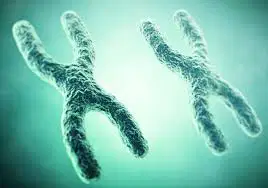
Having two large chromosomes in set 23 determines that you are a
female
male

