
 Worksheets
Transportation in animals and plants
Total questions: 50
Worksheet time: 30mins
Which of the following is the main circulatory fluid in our body ?
Plasma
Lymph
Blood
None of these
Why is color of blood red?
myoglobin
globulin
heamoglobin
fibrinogen
What is the function of white blood cells?
transport oxygen
fight against infection
clotting
all the above
The blood vessel which carries blood to the heart
lymphatic vessel
capillaries
veins
arteries
Instrument used to measure the heart beat
Endoscope
Kaleidoscope
Microscope
Stethoscope
Pulmonary artery carries what type of blood
Oxygenated
mixed
pure blood
Deoxygenated
Phloem helps in the transport of
Food
water
Food and Water
Oxygen
Human heart has -----------chambers
3
2
4
1
Aorta carries oxygenated blood to all parts of the body
True
False
No, pulmonary artery
No, pulmonary vein
Xylem transports
Food
Food and water
Water and minerals
Food, water and minerals
Which part of the blood has haemoglobin?
WBCs
RBCs
Blood platelets
Plasma
Urine gets collected in the _______.
Ureter
Kidney
Urethra
Urinary bladder

What is the function of valves?
To prevent mixing of oxygenated and deoxygenated blood
To transport blood in one direction
To prevent backflow of blood
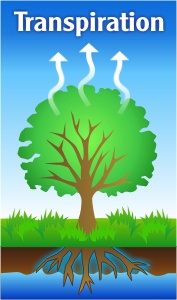
Transpiration is__________________________________________________________.
the upward movement of water & minerals by suction pull
the flow of water into plant roots by Osmosis in the soil
the loss of water from the leaves of a plant by the process of Evaporation
the process of minerals & plants moving through the plant veins
They work like filters for the body.
Kidneys
Lungs
Anus
Mouth
Which of the following is incorrect about arteries?
They carry oxygen-rich blood away from the heart.
Arteries have thick elastic walls.
Arteries branch into smaller and smaller arteries and finally into capillaries.
They have valves, which allow the blood to flow only towards the heart.
It is yellowish in colour and contains about 90 per cent water and has food, wastes, enzymes etc dissolved in it.
Blood
Plasma
Heart
Urine
Is this statement true/false?-
" Dialysis is the process of filtering blood through an artificial process when a person's kidney stops working due to an injury or malfunctioning"
False
True
Can't say
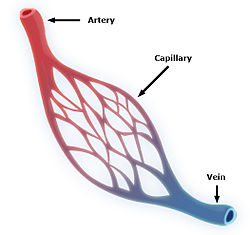
3 types of blood vessels
artery
vein
capillary
all of these
What is the normal heartbeat of a resting person
80-90 bpm
60-70 bpm
72-80 bpm
100 bpm
urine moves out from the urinary bladder through a tube like structure called
uretars
kidneys
urethra
none of these
Plants have pipe-like vessels to transport food and water from the soil. These vessels are made up of special cells, forming ______
Vascular Tissue
Xylem
Phloem
None of these
Which English Physician discovered the circulation of blood?
Albert Einstein
Isaac Newton
Nicola Tesla
William Harvey
The filtering unit in the human excretory system is called_______
Nephron
Neuron
Nephridia
Kidneyon
The process of cleaning blood of a person when their kidney damages through a machine is called___________
Ketolysis
Hydrolysis
Dialysis
Photolysis
Birds, insects and ______ excrete uric acid in _________ form.
Rats ; Solid
Lizards ; Semi Solid
Snakes ; Liquid
None of these
The number of beats per minute is called the ______
Heart beat
Pulse rate
Tissue
All of these
_______ are the vessels which carry carbon dioxide-rich blood from all parts of the body back to the heart.
Capillaries
Vein
Blood Vessels
None of these
Which of the following is used to filter waste products of the blood?
Stomach
Kidney
Lungs
Heart

Name of the instrument?
How is it used?
Name the parts?
Stethoscope, Used to hear the heart beat, Chest piece, Ear piece and a tube
Stethoscope,
Used to check the blood pressure, Tube and a Chest piece
Microscope,
Used to see the tiny object,
Glass

From which of the part of the heart do the blood flow start?
From 6 to 1 and through 8 to 2 then to the second 8 to 7
From 3 to through 8 to 4 then to the second 8 then to 5 to all parts of the body
From down of the heart to the 2 then to 4 then to 6
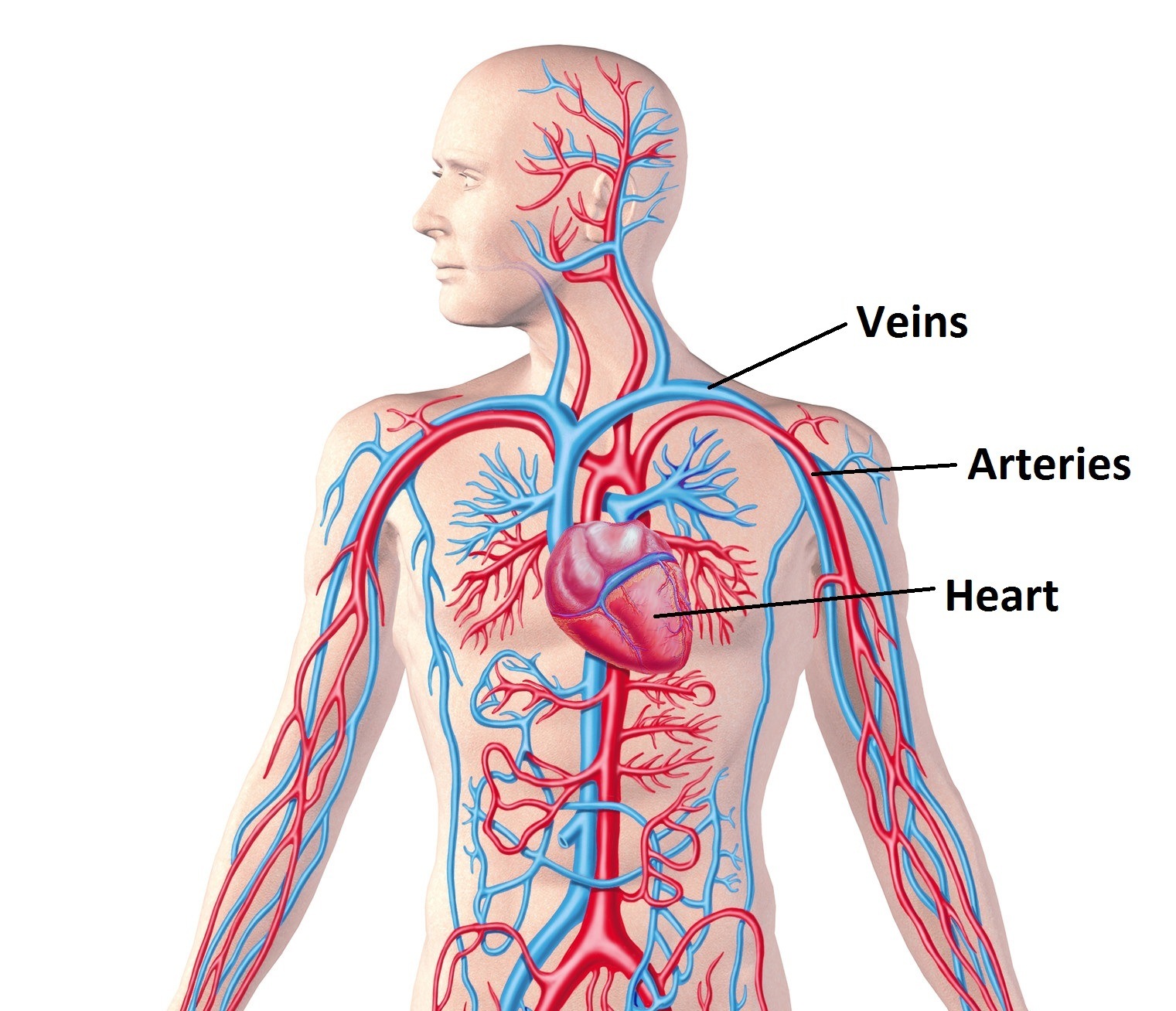
Which system allows blood to circulate throughout the body to transport oxygen and nutrients to all the cells and tissues?
Nervous
Respiratory
Circulatory
The job of the heart is to . . .
pump blood around the body.
send food to the small intestines.
break down food.
give energy to the body.
Urine gets collected in the _______.
Ureter
Kidney
Urethra
Urinary bladder
Full Form Of RBC.
Red Blood Count
Rotating Biological Contactor
Red Blood Cells
Reflecting Boundary Conditions
What Are The Two Lower Chambers Of the Heart Called
WBC
Ventricles
Arteries
Capillaries
4. Blood Vessels that carry oxygenated blood from lungs to heart
Pulmonary veins
Pulmonary arteries
Arteries
Veins
5. The blood from the heart is transported to all the parts of the body by
RBCs
Arteries
Veins
Pulmonary Veins
9. The main excretory product in humans is
Urea
Uric acid
water
ammonia
12. Aquatic animals like fish excrete cell wastes as --------- that directly dissolve in water
Urea
Uric acid
Ammonia
Ammonium nitrate
14. In which of the following parts of human body are sweat glands absent?
Scalp
Armpits
Lips
Palms

