wayground logo

Free Printable Worksheets

Font size

S
M
L
XL
Worksheets

Module 6 Test

Total questions: 50

Worksheet time: 2hrs 38mins

Name
Class
Date
1.

Basic unit of matter

a)

compound

b)

atom

c)

proton

d)

electron

2.

Which of the following subatomic particles are found in the nucleus?

a)

protons

b)

neutrons

c)

electrons

d)

atoms

3.

Made of one kind of atom

a)

element

b)

compound

c)

product

4.

The end result of a chemical reaction

a)

reactants

b)

electrons

c)

atomic mass

d)

products

5.

Formed when two or more elements are joined chemically

a)

element

b)

proton

c)

compound

d)

electron

6.

What subatomic particle is found in the space surrounding the nucleus of an atom?

a)

protons

b)

electrons

c)

neutrons

7.

Abbreviation for element

a)

atomic mass

b)

atomic number

c)

atomic symbol

8.

Which subatomic particle has a negative charge?

a)

protons

b)

neutrons

c)

electrons

9.
A charged atom that has lost or gained electrons is called a(n)_________
a)
Acid
b)
catalyst
c)
ion
d)
isotope
10.
A bond that is formed when electrons are shared.
a)
Carbon-14
b)
Covalent
c)
Ionic
d)
James
11.
A bond that is formed between charged ions
a)
Carbon-14
b)
Covalent
c)
Ionic
d)
James
12.
A chemical reaction is a process by which atoms or groups of atoms in substances are___________
a)
dissolved in other substances
b)
ionized by the loss of protons
c)
mixed together with atoms in other substances
d)
reorganized into different substances
13.
Which is an example of a solute
a)
soil suspended in water
b)
sugar that is dissolved in water
c)
water that dissolves salt
d)
water with undissolved soil
14.
Elements placed in the same period on the Periodic Table of elements because they___________
a)
form the same type of chemical bonds
b)
Form the same type of isotopes
c)
have the same chemical properties
d)
have the same number of electron energy levels
15.

Which organelle is found in most plants, some bacteria and some protists?

a)

ribosomes

b)

mitochondria

c)

endoplasmic reticulum

d)

chloroplasts

16.
What is the smallest thing that can perform all the processes necessary for life?
a)
cell
b)
nucleus
c)
organelle
d)
protista
17.
The largest and most visible organelle in a eukaryotic cell is the 
a)
nucleus
b)
vesicle
c)
lysosome
d)
ribosome
18.
Which of the following organelles is missing from prokayotic cells?
a)
cell membrane
b)
nucleus
c)
ribosomes
d)
DNA
19.
In a cell with high energy requirements, which organelle will you find a large number of?
a)
nucleus
b)
ribosomes
c)
mitochondria
d)
golgi apparatus
20.
Chromosomes are organized structures of
a)
phospholipids
b)
ATP
c)
organelles
d)
DNA
21.
DNA encodes for which type of molecule?
a)
carbohydrates
b)
fatty acids
c)
protein
d)
nucleotides
22.
What are the monomers of a polysaccharide?
a)
glycerol
b)
amino acid
c)
fatty acid
d)
glucose
23.
Which of the following organic compounds is the main source of energy for living things?
a)
carbohydrates
b)
lipids
c)
nucleic acids
d)
proteins
24.
What element must be present for a molecule to be considered organic?
a)
nitrogen
b)
water
c)
hydrogen
d)
carbon
25.
The 4 macromolecules are
a)
vitamins, lipids, water, micronutrients
b)
micronutrients, macronutrients, water, vitamins
c)
Lipids, Waxes, Vitamin A, Water
d)
Carbohydrates, Lipids, Proteins, Nucleic Acids
26.
What is correct function for a carb? 
a)
build and repair body tissues
b)
body's main source of energy
c)
helps keep immune system functioning
d)
cushions organs
27.
Which of the following is a food source for a carbohydrate?
a)
Apple
b)
Bread
c)
Rice
d)
all of the above
28.
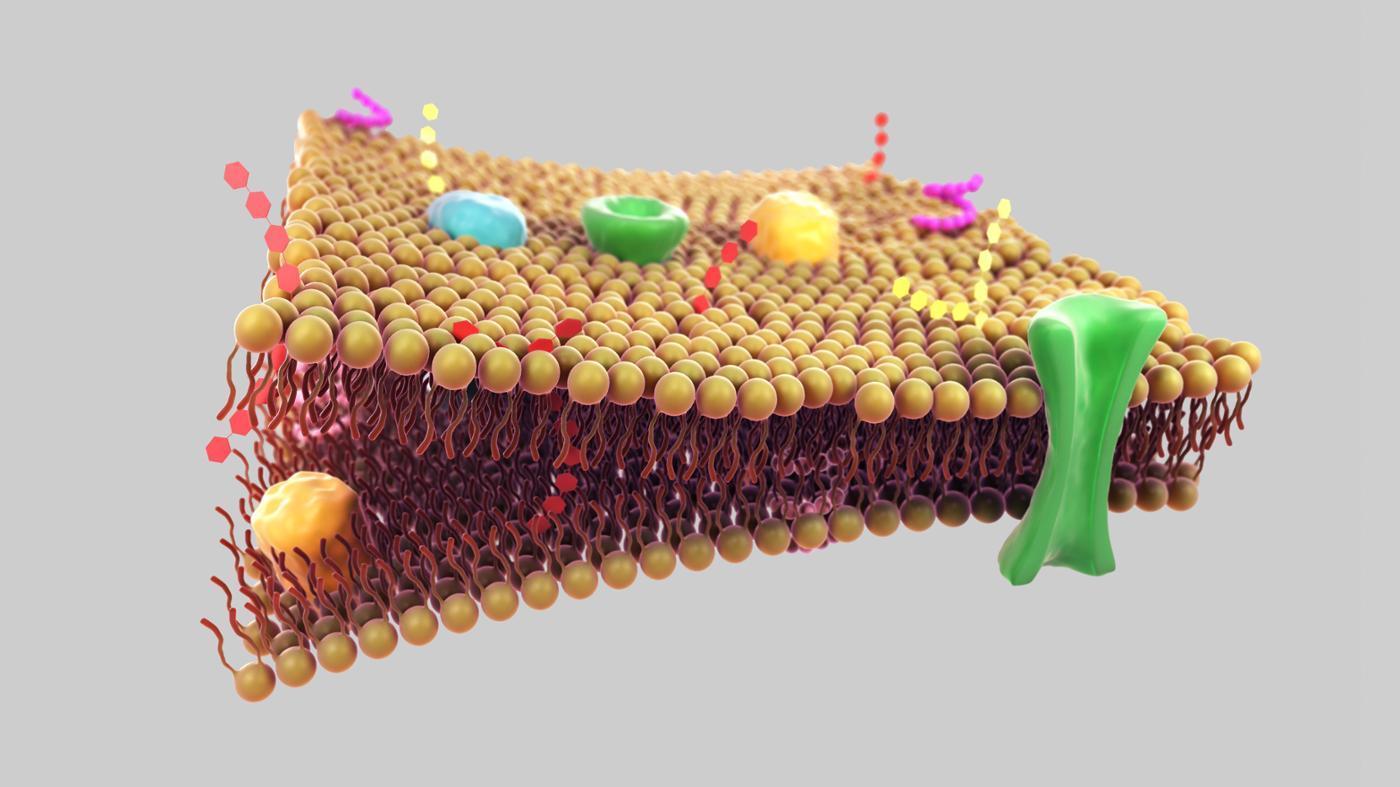
The phospholipid bilayer comprises what part of the cell?
a)
cytoplasm
b)
cell membrane
c)
cytoskeleton
d)
nuclear membrane
29.
In the phospholipid, the polar head is considered what type of structure?
a)
hydrophobic
b)
insoluble
c)
hydrophilic
30.
Lipids do not dissolve in water because they are _______________
a)
polar
b)
water soluble
c)
non-polar
31.
All of the following are lipids except __________
a)
ear wax
b)
saturated fats
c)
cholesterol
d)
starch
32.

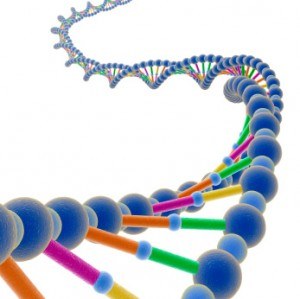
Which of the following describes the shape of a DNA molecule?

a)

double helix

b)

sphere

c)

pyramid

d)

rectangle

33.
What does DNA stand for?
a)
Deoxyribonucleic acid
b)
Denitrogenous acid
c)
Deribonucleic acid
d)
Diribonucleic acid
34.
Which organelle is DNA usually found in?
a)
cell membrane
b)
vacuole
c)
ribosome
d)
nucleus
35.

The letters of the DNA alphabet are:

a)

A, C, G and T

b)

A, O, G, and T

c)

C, G, P and T

d)

C, G, T and D

36.

Why is DNA important?

a)

It gives each cell instructions on how to do its job.

b)

It is what the cell membrane is made of.

c)

It helps the cell use water.

d)

It is food for the cell.

37.

In the DNA alphabet, T always pairs with:

a)

A

b)

T

c)

G

d)

C

38.

In the DNA alphabet, C always pairs with:

a)

A

b)

C

c)

T

d)

G

39.

How does DNA spell out different instructions?

a)

By having a double or triple helix

b)

Adding more phosphate

c)

Different combinations of letters from the DNA alphabet

d)

Adding more sugar

40.

A gene tells the cell how to make a __________.

a)

Sugar

b)

Phosphate

c)

Protein

d)

Ribosome

41.

The FULL NAME of the letter A from the DNA alphabet is:

a)

Adenine

b)

Albertine

c)

Augmentium

d)

Arginine

42.

The FULL NAME of the letter G from the DNA alphabet is:

a)

Guavine

b)

Grapine

c)

Glycine

d)

Guanine

43.

The FULL NAME of the letter T from the DNA alphabet is:

a)

Thymine

b)

Tyrosine

c)

Tryptophan

d)

Tellurium

44.

The FULL NAME of the letter C from the DNA alphabet is:

a)

Cytosine

b)

Cysteine

c)

Cryosine

d)

Calypsine

45.

If one strand of DNA says GCT, the other strand says:

a)

GCT

b)

CTA

c)

CGA

d)

TCG

46.

A nucleotide is the building block of:

a)

DNA

b)

Protein

c)

Cell membranes

d)

Mitochondria

47.

The three parts of a nucleotide are:

a)

Sugar, protein, letter from DNA alphabet

b)

Sugar, phosphate, letter from DNA alphabet

c)

Phosphate, protein, letter from DNA alphabet

d)

Phosphate, sulphur, letter from DNA alphabet

48.

The natural stickiness of each individual atom, caused by the movement of its electron cloud is

a)

electrostatic charges

b)

Van der Waals forces

c)

S-S bond

d)

Hydrogen bonding

49.
Proteins are polymers formed from 
a)
lipids.
b)
carbohydrates.
c)
amino acids.
d)
nucleic acids.
50.
Living things use which macromolecule as their main source of energy?
a)
Fat
b)
Protein
c)
Sugar
d)
Nucleic acid