

wayground logo

Free Printable Worksheets

Font size

S
M
L
XL
Worksheets

Cell

Total questions: 50

Worksheet time: 50mins
Name
Class
Date
1.

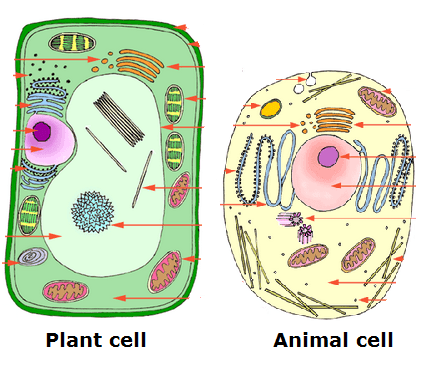
What distinguishes a plant cell from an animal cell? (How do you tell them apart) Hint: There's 3 ways (Check all 3)

a)

Central Vacuole

b)

Mitochondria

c)

Cell Wall

d)

Ribosomes

e)

Chloroplasts

2.

The 3 parts of the Cell Theory are...?

a)

All living things are composed of cells

Cells are the basic units of structure and function in living things

All cells are produced from other cells

b)

All living things are composed of cells

Cells are the basic units of dance and vibes in living things

All cells are destroyed from other aliens

c)

All living things are composed of Jell-O

Cells are the basic units of structure and function in living things

All cells are produced from factories in Canada

d)

All living things are composed of cells

Cells do karate and practice eating whole pies in their free time

All cells are produced from other cells
3.
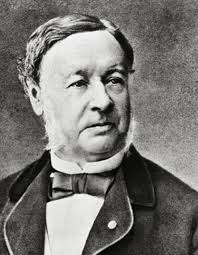
Which of the following scientists concluded that all animals are made of cells?
a)
Rudolf Virchow
b)
Matthais Schleiden
c)
Robert Hooke
d)
Theodor Schwann
4.
Which of the following scientists was the first to observe bacteria?
a)
Anton van Leuwenhoek
b)
Matthais Schleiden
c)
Robert Hooke
d)
Theodor Schwann
5.
The invention of the microscope made it possible for people to discover and learn about
a)
Plants
b)
Skin 
c)
Animals 
d)
Cells
6.
The ___ is the basic unit of sturucture and function of organisms
a)
atom
b)
cell
c)
matter
d)
all other answers are correct
7.
Which statement is a part of the cell theory?
a)
all cells come from preexisting cells
b)
bacteria are prokaryotic cells
c)
eukaryotic cells are complex
d)
humans are multicellular
8.
Which of the following is NOT a cell theory.
a)
All non-living things are made of cells
b)
All cells come from pre-existing cells
c)
Cells are the basic unit of structure and function of all living things
9.
Rocks are not living because
a)
they never move
b)
they aren't needed for humans
c)
they are not made of cells
d)
they don't break down
10.
Who was the "scientist" who observed pond water and teeth scrapings in his microscope?
a)
Hooke
b)
Leeuwenhoek
c)
Schleidian
d)
Virchow
11.

What is the smallest LIVING unit of LIVING THINGS?

a)

a cell

b)

a mitochondria

c)

a brick

d)

a protein

12.

Plant and animal cells...

a)

are different, because plant cells have two extra parts

b)

are exactly the same

c)

are the same, except that plant cells don't have a cell membrane

13.

The cell membrane...

a)

is like a wall that blocks everything from going into the cell

b)

controls what can go into or out of a cell

c)

is hard and rigid, and gives the cell its shape, like an exoskeleton

14.

Which part of the cell CONTROLS everything that happens in the cell?

a)

mitochondria

b)

nucleus

c)

cell membrane

d)

vacuole

15.

Which part of the cell STORES water and minerals?

a)

mitochondria

b)

nucleus

c)

cell membrane

d)

vacuole

16.

Where do cells come from?

a)

They come from eggs.

b)

They come from minerals in water.

c)

They come from other cells.

17.

How do cells reproduce?

a)

They lay eggs.

b)

One cell divides to make 2 cells (etc.)

c)

Two cells combine and then make 4 cells.

18.

Which part of the cell is a watery, jelly-like substance?

a)

cytoplasm

b)

nucleus

c)

vacuole

d)

cell wall

19.

Which parts do ONLY plant cells have? (Animal cells don't have them!)

a)

vacuoles and mitochondria

b)

nucleus and chloroplasts

c)

chloroplasts and cell membrane

d)

cell wall and chloroplasts

20.

In PLANT cells, which part is the rigid outer layer that supports and protects the cell?

a)

cell membrane

b)

cell wall

c)

chloroplast

d)

nucleus

21.

Which cell part produces energy?

a)

mitochondria

b)

nucleus

c)

vacuole

d)

cytoplasm

22.

Chloroplasts...

a)

are NOT in animal cells

b)

are always in animal cells

c)

are sometimes in animal cells, and sometimes in plant cells

23.

Mitochondria...

a)

make food

b)

make energy

c)

make waste

d)

don't make anything

24.

A cell wall...

a)

is very soft and flexible

b)

is very rigid, and supports the plant cell, giving it its shape

c)

is the part that is inside the plant's nucleus

25.

Where does PHOTOSYNTHESIS happen in plants?

a)

in the nucleus

b)

everywhere in the cell

c)

in the cytoplasm

d)

in the chloroplasts

26.

Which thing is NOT made of cells?

a)

A dog

b)

A carrot

c)

A piece of candy

d)

A piece of wood from a tree

27.

What instrument do you need to use to see cells?

a)

A microscope

b)

A telescope

c)

A periscope

28.
a rigid supporting layer that surrounds the cells of plants and some other organisms
a)
cell membrane
b)
cell wall
c)
 nucleus
d)
cytoplasm
29.
In cells a large oval organelle that contains the cells genetic material in the form of DNA and controls many of the cells activities
a)
organelle
b)
ribosome
c)
cell wall
d)
nucleus
30.
the thick fluid region of a cell located inside the cell membrane or between the cell membrane and nucleus
a)
cytoplasm
b)
cell wall
c)
organelle
d)
golgi apparatus
31.
an organelle in the cells of plants and some other organisms that captures energy from sunlight and changes it to an energy from that cells can use in making food
a)
vacuole
b)
chloroplasts
c)
cytoplasm
d)
mitochondria
32.
What is found in both plant and animal cells but is much larger in plant cells?
a)
Nucleus
b)
Mitochondrion
c)
Chloroplast
d)
Vacuole
33.
Which of the following is found in eukaryotic cells but NOT prokaryotic cells?
a)
Cell membrane
b)
Mitochondria
c)
Ribosomes
d)
DNA
34.
Directs all cell activities through the DNA located there.
a)
Lysosomes
b)
Nucleus
c)
ribosomes
d)
Mitochondria
35.
Which organelle is only found in a plant cell? 
a)
nucleus
b)
chloroplast
c)
mitochondria
d)
cell membrane
36.
Produces hormones and lipid molecules for cells
a)
smooth endoplasmic reticulum
b)
rough endoplasmic reticulum
c)
nucleus
d)
ribosome
37.
Where are proteins made?
a)
Golgi body
b)
Mitoichondrion
c)
Chromosomes
d)
Ribosomes
38.
What makes the endoplasmic reticulum rough?
a)
Vessicles
b)
Vacuoles
c)
Ribosomes
d)
Chromosomes
39.
What is the name of the genetic material that is inside the nucleus?
a)
ER
b)
ATP
c)
YOLO
d)
DNA
40.
What did Hooke first examine? 
a)
Pond water
b)
Plant cells
c)
Cork
d)
Animal fat
41.
Who discovered and named cells? 
a)
Captain Hook
b)
Robert Hooke
c)
Zacharias Janssen
d)
Rudolf Virchow
42.
Microscopic single-cells that do not have a nucleus or other membrane-bound organelles. 
a)
DNA
b)
RNA
c)
Eukaryotes
d)
Prokaryotes
43.

There are three tenets of the Cell Theory. Which of the following is NOT a tenet?

a)

Cells are the basic structure and function of life.

b)

All living things are made of one or more cells.

c)

The cell is the basic unit of matter.

d)

All cells come from preexisting cells.

44.

____ is credited with being the first scientist to observe cork cells.

a)

Leewenhoek

b)

Shleidon

c)

Hooke

45.

Sometimes called the “powerhouse” of the cell, this organelle is where respiration takes place.

a)

Mitochondria

b)

Nucleus

c)

Vacuole

46.

Bacteria is classified as a what?

a)

Prokaryote

b)

Eukaryote

47.

There are three types of bacteria - Coccus, Bacilli, & Spirilla. Which of the following picture shows the spirilla.

a)
b)
c)
48.

If it does not rain for a long period of time, plants’ leaves will begin to wilt or sag. They have used up the water that they stored in their ___________

a)

Vacuole

b)

Chloroplast

c)

Mitochondria

49.

All animal and plant cells are surrounded by a thin:

a)

nucleus

b)

vacuole

c)

cell membrane

d)

cell wall

50.

Cells are the building blocks of:

a)

living things

b)

matter

c)

energy

d)

rocks
