wayground logo

Free Printable Worksheets

Font size

S
M
L
XL
Worksheets

Year 11 ATAR 2022 Week 4 term 1

Total questions: 115

Worksheet time: 1hrs 5mins

Name
Class
Date
1.
A pointing device that sends control signals into the computer. 
a)
Mouse
b)
Keyboard
c)
Video Card
d)
Flash Drive
2.
It is used to display data in visual form. The images it displays are where the user gets information
a)
Visual graphics array
b)
HDMI
c)
Monitor
d)
LED
3.
It contains set of keys that are used to input characters (letters, numbers) and control signals into the computer. 
a)
Mouse
b)
Mouse Pad
c)
Num Pad
d)
Keyboard
4.
Which is true about AVR's?
a)
It protects the computer from changes in the electricity.
b)
It is used as a back up source in case of power interruption
c)
It produces alternating current to supply the computer.
d)
It uses potentiometer.
5.
Which is true about casing?
a)
It has built - in processor
b)
It serves as the container of the computer's internal parts.
c)
It has 20 drive bays.
d)
It carries the computer's external parts
6.
Which is true about power supply?
a)
A single PSU can supply 5 computer units
b)
It converts the main alternating current into low-voltage direct current.
c)
It has its own processor
d)
PSU's are all true rated
7.
Which of the following is true about a hard drive?
a)
PATA and SATA has the same disk rpm.
b)
It can only be used internally
c)
It cannot be partitioned
d)
It is the main storage device of the computer.
8.
It is the temporary storage device of the computer. 
a)
Central Processing Unit (CPU)
b)
Random Access Memory (RAM)
c)
Read Only Memory (ROM)
d)
Basic Input and Output System (BIOS)
9.
These are where the cards such as modem card and graphics cared are installed.
a)
PCIe slot
b)
Expansion Slots
c)
AGP slot
d)
SATA slot
10.
It hadles all the computer's input/output functions.
a)
Northbridge
b)
Southbridge
c)
Westbridge
d)
Eastbridge
11.
Which is true about BIOS?
a)
It stands for Basic Input/Outcome Standard
b)
It stands for Basic Input/Output System.
c)
It can produce graphics capacity
d)
It is the brain of the computer.
12.

What is this hardware component?

a)

RAM

b)

Hard Drive

c)

USB

d)

Ethernet

13.

Any part of the computer with a physical structure, including the parts inside.

a)

hardware

b)

software

c)

screen

d)

computer tower

14.

A computers long term memory is stored on the __________.

a)

Random access memory

b)

CPU

c)

Motherboard

d)

Hard Drive

15.

What is this hardware component?

a)

motherboard

b)

CPU

c)

power supply

d)

graphics card

16.

The brain of the computer that processes info and carries out commands.

a)

motherboard

b)

RAM

c)

hard drive

d)

CPU

17.

What hardware component is this?

a)

CPU

b)

motherboard

c)

RAM

d)

Remote Access Memory

18.

The main circuit board that holds and connects main parts of the computer

a)

CPU

b)

RAM

c)

Ethernet

d)

Motherboard

19.

Name these ports.

a)

SSD

b)

USB

c)

RAM

d)

VGA

20.

This port is used to connect.....

a)

The mouse

b)

The keyboard

c)

The Monitor

d)

The printer

21.

The blue cord that connects computers to display devices

a)

HDMI

b)

VDI

c)

DMI

d)

VGA

22.

This cord connects the....

a)

monitor to the computer

b)

computer to the internet

c)

printer to the computer

d)

mouse to the computer

23.

This hardware component is called?

a)

the printer

b)

the monitor

c)

the tv

d)

the CPU

24.

This port is used to connect the computer to the.....

a)

printer

b)

monitor

c)

internet

d)

keyboard

25.

A computers short term memory used to complete calculations

a)

hard drive

b)

cloud storage

c)

RAM

d)

disc drive

26.

You would plug the power cord into port number....

a)

3

b)

6

c)

7

d)

12

27.

You would plug the VGA connector into port number

a)

3

b)

8

c)

10

d)

11

28.

You would plug the ethernet cord into port number...

a)

3

b)

4

c)

7

d)

8

29.

You would plug the mouse into port number....

a)

3

b)

7

c)

8

d)

11

30.

Which of the following would NOT be plugged into a USB port?

a)

printer

b)

mouse

c)

monitor

d)

keyboard

31.

Which of the following is NOT a hardware component for a computer?

a)

mouse

b)

motherboard

c)

Microsoft Word

d)

CPU

32.
What is the process of developing and implementing various sets of instructions to enable a computer to do a certain task?
a)
Computer Engineering
b)
Computer Programming
c)
Computer Processing
d)
Computer Science
33.
Python is an example of a....
a)
Text-based programming language
b)
Object orientated programming language
c)
language written in java script
d)
Visual-based programming language
34.
What is python?
a)
a programming language 
b)
DTP software 
c)
Spreadsheet software
d)
Computer 
35.
What does the term 'debug' mean?
a)
Identify errors and fix them.
b)
Making a calculation
c)
A set of instructions
d)
Looking at code
36.
What does the print function do in python?
a)
It's a variable.
b)
It can input data.
c)
It displays something like a string or integer
d)
It loops the code.
37.
What symbol do you use to make a comment in Python?
a)
@
b)
¬
c)
;
d)
#
38.
What syntax can you use to insert a line break between strings so that they appear over multiple lines?
a)
/
b)
\n
c)
\l
d)
n
39.

Python is _____ sensitive which means you must use the same indentation every time.

a)

space

b)

colour

c)

code

d)

word

40.
What is the correct definition for a VARIABLE?
a)
a changeable value, such as a score in a computer game.
b)
a value that cannot be changed
41.

A syntax error means your code has a 'grammar' mistake or you used symbols/operations incorrectly.

a)

True

b)

False

42.
What symbol is used in python to assign values to a variable?
a)
equals =
b)
plus + 
c)
forward slash /
d)
asterisk *
43.

What will be the output?

name = "Dave"

print (name)

a)

Dave

b)

'Dave'

c)

name

d)

(name)

44.
What Python command lets the user enter an answer to a question?
a)
answer()
b)
open()
c)
print()
d)
input()
45.
Which statement correctly assigns the string "Tanner" to the variable name?
a)
name  = print( "Tanner")
b)
input("Tanner")
c)
name = "Tanner"
d)
name = input("Tanner")
46.

What is included in Memory Devices?

a)

Computer Memory, RAM, ROM, Cache

b)

Program , RAM, ROM, RIM

c)

Computer Memory, Internal, ROM, Cache

d)

Program , RAM, ROM, Cache

47.

What is Random Access Memory (RAM)?

a)

Computers need a non-volatile memory to larger programs.

b)

A character is stored in the computer

c)

Volatile form of a computer memory

d)

Collection of unorganized facts

48.

Choose all the types of toxic waste found inside computers...

a)

Cadmium

b)

Lead

c)

Mercury

d)

Iron

49.

E-waste refers to any form of _____________ electrical or electronic equipment, including those destined for reuse, resale, salvage, recycling, or disposal.

a)

discarded

b)

expensive

c)

unwanted

d)

working

50.

In the manufacture of a computer and monitor weighing 24 kg, what equivalent weight of fossil fuels would be required?

a)

24 kg (the same)

b)

120 kg (five times)

c)

240 kg (ten times)

d)

480 kg (twenty times)

51.

Using the 'sleep' mode on a digital device such as computer or printer can reduce energy consumption by up to _______

a)

10%

b)

25%

c)

50%

d)

75%

52.

Carbon ____________ refers to the amount of carbon dioxide an individual or organisation produces as a result of the energy they consume.

a)

reading

b)

footprint

c)

history

d)

logging

53.

What raw materials can be recovered from discarded mobile phones?

a)

Iron, lead, steel

b)

Gold, silver, copper

c)

Silver, mercury, copper

d)

Copper, aluminium, cadmium

54.

On what continent do you think this e-waste landfill site is most likely to be found?

a)

Europe

b)

Africa

c)

North America

d)

Australia

55.

Identify one of the main problem with e-waste ...

a)

E-waste ends up in landfill sites where toxic chemicals leak out into the ground

b)

E-waste gets recycled into new computers

c)

E-waste if often shipped abroad

d)

E-waste ends up in landfill sites where energy leaks out into the ground

56.

Which of these is a way that the widespread use of computers can help protect the environment?

a)

Less need for travel and transport of goods

b)

Due to online shopping people can make purchases 24/7/365

c)

Robots can manufacture more products than humans can

d)

Computers can be disposed of in local landfill sites

57.

The correct way to dispose of an unwanted mobile phone would be to ...

a)

Put it in the trash bin

b)

Recycle it for second use

c)

Open it and remove all the parts

d)

Drop it on a landfill site

58.

What is a good way to dispose of e-waste?

a)

Throw it in the street

b)

Give it to a reliable e-waste recycling company

c)

Burn it in your backyard

d)

Throw it in a dump

59.

Can e-waste be hacked after it is thrown away?

a)

No

b)

Yes

60.

Which country is one of the worlds biggest digital dumping grounds?

a)

Brazil

b)

Kenya

c)

Ghana

d)

Mexico

61.

What is one of the main causes of e-waste?

a)

Population Growth

b)

Global Warming

c)

Pollution

d)

All of the above

62.

How does e-waste affect children working in the digital dumping grounds?

a)

children live longer

b)

children get sick and develop health issues

c)

children get lots of money every day

d)

children learn about technology

63.

Who is affected by throwing away e-waste?

a)

people who dispose of their e-waste

b)

workers at digital dumping grounds

c)

both

64.

Which is not a cause of e-waste?

a)

people don't want to take the time to dispose of e-waste properly

b)

population is getting smarter

c)

growth of technology

d)

population is becoming more poor

65.

What is e-waste?

a)

electronic waste

b)

environmental waste

c)

earth waste

d)

energy waste

66.

What is an example of e-waste?

a)

a banana

b)

a computer

c)

old clothes

d)

soda cans

67.

What are the four characteristics of hazardous waste?

a)

Ignitable, Corrosive, Reactive, Toxic

b)

Ignitable, Corrosive, Radioactive, Toxic

c)

Ignitable, Combustible, Reactive, Toxic

d)

Ignitable, Combustible, Radioactive, Toxic

68.

This type of waste gives off radiation and is harmful to humans and the environment.

a)

Radioactive

b)

Reactive

c)

MSW

d)

Biodegradable

69.
Element of Design: Strokes that show motion and connect two points. May be vertical, horizontal or diagonal, curved, straight, zigzag, or show emotion.
a)
Line
b)
Shape
c)
Form
d)
Space
70.
Elements of Design: Shows an object in space, the mass or positive space it occupies. The term usually used when describing 3-D objects.
a)
Form
b)
Line
c)
Space
d)
Contrast
71.
Elements of Design: What is between objects, also known as negative space.
a)
Line
b)
Space
c)
Color
d)
Value
72.
Element of Design: The feel, real or implied, on an object or its surface.
a)
Color
b)
Line
c)
Form
d)
Texture
73.
Element of Design: Area enclosed when both sides of a line meet. Shapes can be geometric or organic.
a)
Line
b)
Shape
c)
Color
d)
Texture
74.
Element of Design: Hue. May be complementary, analogous, primary, secondary, tertiary, or part of a color wheel.
a)
Shape
b)
Color
c)
Line
d)
Form
75.
Element of Design: The lightness of darkness of an object or color. Often used with drawings.
a)
Form
b)
Color
c)
Value
d)
Texture
76.
Principle of Design: When one area in a work of art stands out more than another. The part that catches your attention first.
a)
Unity
b)
Emphasis
c)
Rhythm 
d)
Movement
77.
Principle of Design: The motion created in a work of art. Often uses the principle of rhythm to achieve this.
a)
Movement
b)
Unity
c)
Contrast
d)
Emphasis
78.
Principle of Design: The feeling of wholeness or the parts belonging together.
a)
Unity
b)
Rhythm
c)
Emphasis
d)
Contrast
79.
Principle of Design: The repetition of lines, shapes, or colors to create a feeling of movement.
a)
Variety
b)
Contrast
c)
Rhythm
d)
Emphasis
80.
Principle of Design: A difference created when elements are placed next to each other in a work of art.
a)
Contrast
b)
Rhythm
c)
Emphasis
d)
Unity
81.
Principle of Design: The use of different lines, shapes, and colors in a piece of work.
a)
Movement
b)
Unity
c)
Variety
d)
Contrast
82.
Line, color, value, texture, shape, form, and space are considered...
a)
elements of design
b)
principles of design
83.
Balance, pattern, movement, emphasis, rhythm, unity, and contrast are considered...
a)
principles of design
b)
elements of design
84.
Pattern uses the art elements in planned or random repetitions to enhance surfaces of paintings or sculptures.  Which of the examples given below is NOT a pattern?
a)
quilt
b)
grapefruit (sliced open)
c)
jewelry
d)
plain white canvas
85.
Rhythm is the __________ of visual movement--colors, shapes, or lines.  Fill in the missing word.
a)
repetition
b)
stopping
c)
replacing
86.
Visual movement is used by artists to direct viewers through their work, often to a certain point in the picture. This is called a...
a)
empty space
b)
back drop
c)
focal point
87.
The principle of emphasis is used by artists to create dominance & focus in their work.  Your eye is drawn to which color?
a)
red 
b)
green
88.
The element of space has depth, width, and height.  Actual space is a ___-dimensional volume that can be empty or filled with objects. Choose the best answer based on the image provided.
a)
1
b)
2
c)
3
89.
The element of color depends on light because it's made of light.  The whiter the light, the more true the colors will be.  Hue refers to the names of the colors. Which trio of colors are considered primary?
a)
green, orange, violet
b)
red, blue, yellow
90.
The element of line is a mark made by a pointed tool--brush, pencil, stick, pen, etc. and is often defined as a moving dot.  True or false?
a)
true
b)
false
91.
This Principle of Design is the distribution of the visual weight of objects, colors, texture, and space. If the design was a scale, these elements should be balanced to make a design feel stable. Symmetrical, asymmetrical, radial balance are examples of this principle. 
a)
Movement
b)
Emphasis
c)
Pattern
d)
Balance
92.
This Principle of Design catches the viewer’s attention. Usually the artist will make one area stand out by contrasting it with other areas. The area could be different in size, color, texture, shape, etc. 
a)
Movement
b)
Emphasis
c)
Repetition
d)
Balance
93.
This Principle of Design is the path the viewer’s eye takes through the work of art, often to focal areas. It can be directed along lines, edges, shape, and color within the work of art. 
a)
Movement
b)
Repetition
c)
Unity
d)
Emphasis
94.
This Principle of Design is the repeating of an object or symbol all over the work of art.
a)
Balance
b)
Emphasis
c)
Repetition
d)
Pattern
95.
This Principle of Design make the work of art seem active. The replication of elements of design creates unity within the work of art. 
a)
Repetition
b)
Variety
c)
Rhythm
d)
Proportion
96.
This Principle of Design is the feeling of harmony between all parts of the work of art, which creates a sense of completeness. 
a)
Balance
b)
Repetition
c)
Rhythm
d)
Unity
97.
This Principle of Design uses several elements of design to hold the viewer’s attention and to guide the viewer’s eye through and around the work of art. 
a)
Variety
b)
Proportion
c)
Movement
d)
Unity
98.
This Principle of Design is the feeling of unity created when all parts (sizes, amounts, or number) relate well with each other. It can refer to the size of the head in relationship to the rest of the body, for instance.
a)
Proportion
b)
Emphasis
c)
Rhythm
d)
Variety
99.
The Principle of Design is created when one or more elements of design are used repeatedly to create a feeling of organized movement. It creates a mood like music or dancing. To keep this principle exciting and active, variety is essential.
a)
Pattern
b)
Repetition
c)
Variety
d)
Rhythm
100.
This block of text is
a)
justified
b)
unjustified
c)
script
d)
decorative
101.
Typeface family with a formal, handwritten appearance.
a)
Serif
b)
Sans Serif
c)
Script
d)
Decorative
102.
Typeface style that is "without" little bars.
a)
Serif
b)
Sans Serif
c)
Script
d)
Decorative
103.
Typeface family that is suggested only to be used as headings or subheadings and never in large bodies of text.
a)
Serif
b)
Sans Serif
c)
Script
d)
Decorative
104.
What type face style does this logo use?
a)
Serif
b)
Sans Serif
c)
Script
d)
Decorative
105.
What type face style does this logo use?
a)
Serif
b)
Sans Serif
c)
Script
d)
Decorative
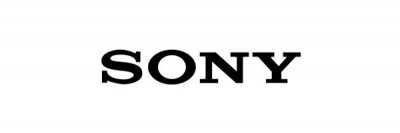
106.
What type face style does this logo use?
a)
Serif
b)
Old Style
c)
Script
d)
Decorative
107.
The imaginary line on which letters seems to be sitting.
a)
Baseline
b)
Meanline
c)
Cap height
d)
Bottom line
108.
The standard height of a lowercase x.
a)
Baseline
b)
x-height
c)
Cap height
d)
Bottom line
109.
The standard height of most capital letters.
a)
Baseline
b)
Meanline
c)
Cap height
d)
Bottom line
110.
The part of letters such as “h” and “k” that goes above the x-height of lower case letters?
a)
Ascender
b)
Descender
c)
Cap-height
d)
x-height
111.
What is the part of a letter (as in g p y) that goes below the baseline?
a)
Ascender
b)
Descender
c)
Cap-height
d)
x-height
112.
Typeface style that is most readable on printed media.
a)
Serif
b)
Sans Serif
c)
Script
d)
Decorative
113.
Typeface style with little bars.
a)
Serif
b)
Sans Serif
c)
Script
d)
Decorative
114.

In art, typography is

a)

defining different types of art.

b)

the art of lettering.

c)

sea levels on a map.

d)

digital art.

115.

Display fonts are best used for

a)

professional documents like a resume or article.

b)

documents on a computer screen.

c)

small amounts of text like a title or header.

d)

anywhere you want to use them.