Wayground logo

Free Printable Worksheets

Font size

S
M
L
XL
Worksheets

Cell Organelles, Types, and Membrane

Total questions: 62

Worksheet time: 32mins
Name
Class
Date
1.
All living things are made of...
a)
atoms 
b)
cells 
c)
bacteria 
d)
plants 
2.
What type of cell has a nucleus? 
a)
eukaryotic
b)
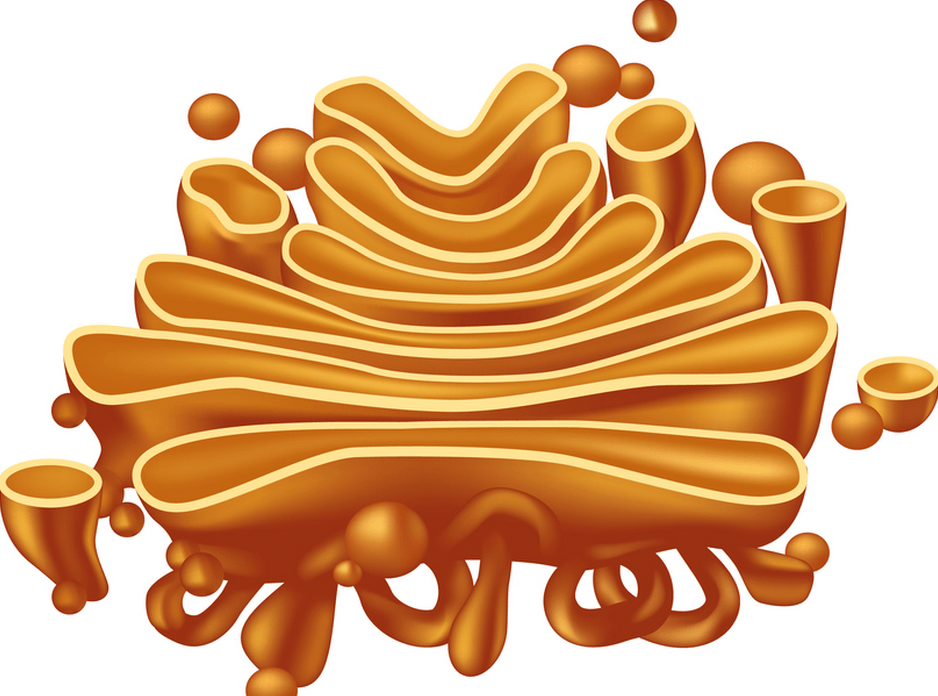
prokaryotic 
3.
What type of cell does not have a nucleus?
a)
eukaryotic 
b)
prokaryotic 
4.
Plants and animal cells are examples of ___ cells 
a)
prokaryotic cells 
b)
eukaryotic cells 
5.
Prokaryotic cells include bacteria.
a)
True
b)
False
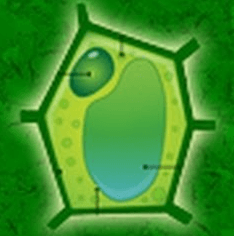
6.
Which type of cell?
a)
Prokaryote
b)
Eukaryote
7.
Both prokaryotes and eukaryotes have a nucleus.
a)
True
b)
False
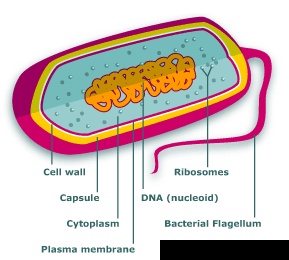
8.
Animal, fungi, plant, and protista cells are all examples of which type of cell?
a)
Eukaryotic
b)
Prokaryotic
c)
Both prokaryotic and eukaryotic
9.
Bacteria is what kind of cell?
a)
Eukaryotic
b)
Prokaryotic
10.
The main difference between prokaryotic and eukaryotic cells? 
a)
Prokaryotic cells have a cell membrane but eukaryotic cells do not.
b)
Eukaryotic cells contain DNA in a nucleus while prokaryotic cells do not.
c)
Eukaryotic cells have flagella but prokaryotic cells do not.
d)
Prokaryotic cells contain membrane-bound ribosomes while eukaryotic cells do not. 
11.
What structures distinguish a plant cell from an animal cell?
a)
Plant cells have cell walls and ribosomes.
b)
Plant cells have cell walls and chloroplasts.
c)
Plant cells have chloroplasts and ribosomes.
d)
Plant cells have chloroplasts and mitochondria.
12.

A cell has a cell wall but no nucleus or chloroplasts. What kind of cell is it?

a)

Prokaryotic

b)

Eukaryotic

c)

Plant

d)

Animal

13.

A cell biologist finds a cell without chloroplasts, but it still contains a nucleus, cell membrane, and a cytoplasm. What kind of cell is this?

a)

Prokaryotic

b)

Eukaryotic

c)

Plant

d)

Animal

14.
Which organelle is only found in a plant cell? 
a)
nucleus
b)
chloroplast
c)
mitochondria
d)
cell membrane
15.
Directs all cell activities through the DNA located there.
a)
Lysosomes
b)
Nucleus
c)
ribosomes
d)
Mitochondria
16.
Which of the following is directly involved in the transportation of materials inside/within the cell?
a)
Endoplasmic Reticulum
b)
Vacuole
c)
Lysosome
d)
Mitochondria
17.
I am a protein packaging and shipping machine! Who am I?
a)
vacuole
b)
ribosome
c)
mitochondrion
d)
golgi apparatus
18.
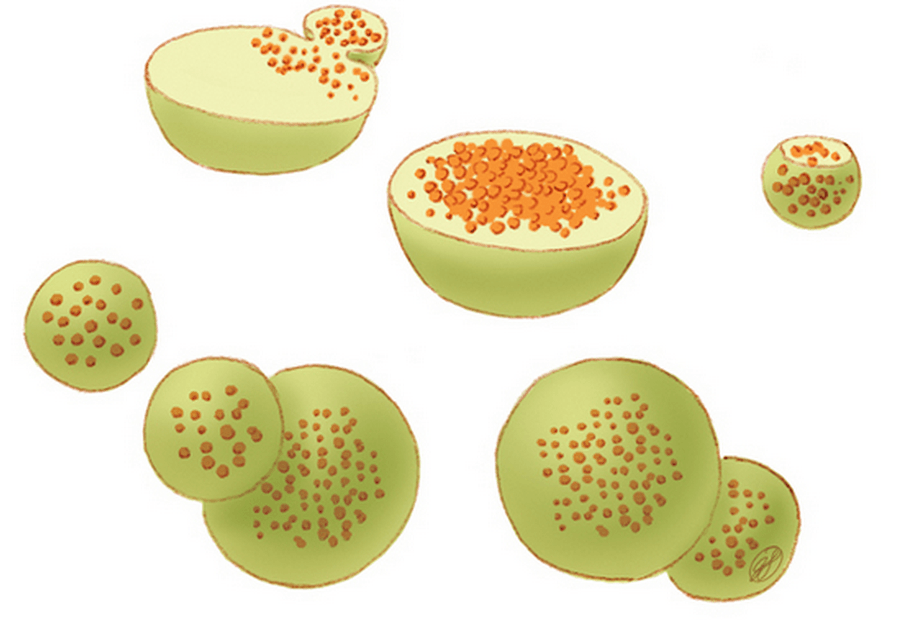
You might think of me as the trash collector, but recycler is maybe more accurate. What am I?
a)
mitochondria
b)
lysosome
c)
vacuole
d)
ribosome
19.
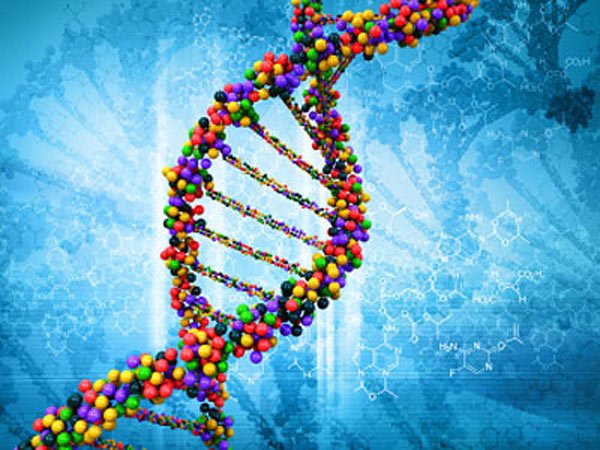
What is the name of the genetic material that is inside the nucleus?
a)
ER
b)
ATP
c)
YOLO
d)
DNA
20.
What is found in both plant and animal cells but is much larger in plant cells?
a)
Nucleus
b)
Mitochondria
c)
Chloroplast
d)
Vacuole
21.
Where are proteins made?
a)
Golgi body
b)
Mitoichondria
c)
Chromosomes
d)
Ribosomes
22.
This organelle takes food and turns it into ENERGY for plant and animal cells.
a)
Chloroplast
b)
Mitochondria
c)
Lysosome
d)
Ribosome
23.
The site of photosynthesis
a)
ribosome
b)
mitochondria
c)
chloroplast
d)
nucleus
24.
I am the outer most layer of an animal cell. What am I?
a)
cell wall
b)
nucleus
c)
cell membrane 
d)
cell skin
25.
What are tiny organelles that convert glucose into ATP?
a)
Ribosomes
b)
Vesicles
c)
Cytoskeleton
d)
Mitochondria
26.
A rigid layer that lies outside the cell's  membrane is...
a)
Cytoskeleton
b)
Cilia
c)
Cell Wall
d)
Flagella
27.
What is the gel-like substance inside of cells called?

a)
photoplasm
b)
photosynthesis
c)
cytoskeleton
d)
cytoplasm
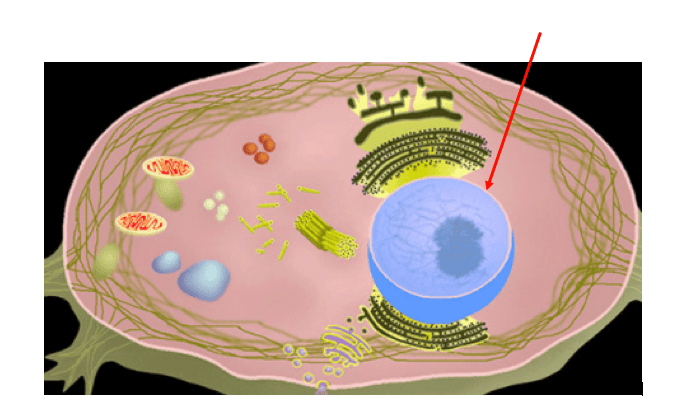
28.

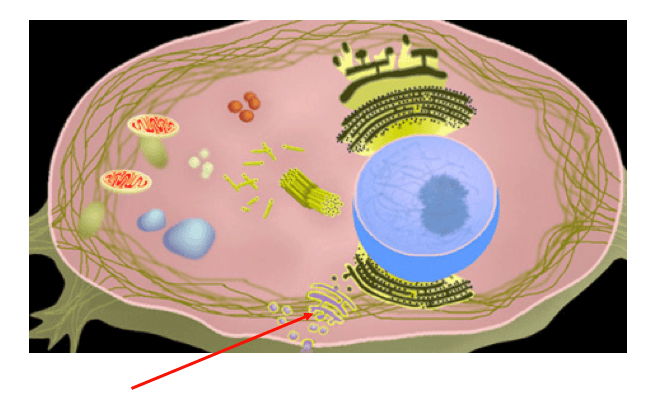
Identify the structure at the end of the arrow.

a)

Mitochondria

b)

Nucleus

c)

Ribosome

d)

Endoplasmic Reticulum

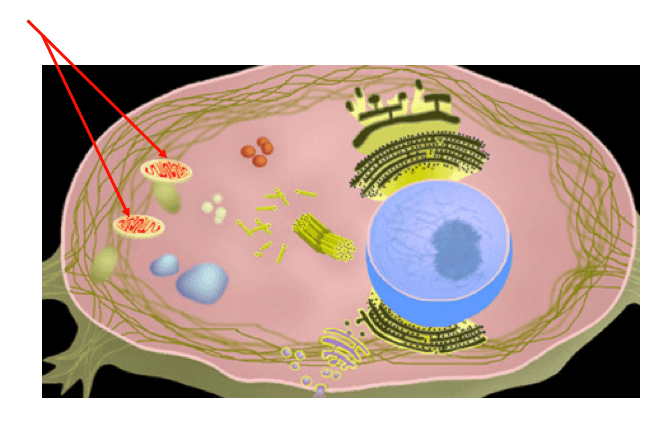
29.

Identify the structures at the bottom of the arrows.

a)

Ribosomes

b)

Golgi Bodies

c)

Mitochondria

d)

Chloroplasts

30.

Identify the structure that the arrow is pointing to.

a)

Endoplasmic Reticulum

b)

Golgi Body

c)

Ribosome

d)

Mitochondria

31.
Supports cells structure & drives cell movement.  Composed of microfilaments, microtubules, & centrioles.
a)
endoplasmic reticulum
b)
golgi apparatus
c)
cytoskeleton
d)
vacuole
32.
Selectively permeable barrier that controls what enters and leaves the cell.
a)
cell membrane
b)
cell wall
c)
cytoskeleton
d)
rough ER
33.
Stores materials such as water, salts, proteins, & carbohydrates.
a)
ribosome
b)
lysosome
c)
vacuole
d)
endoplasmic reticulum
34.
Transports materials throughout the cell.  Acts as an assembly line for proteins.
a)
endoplasmic reticulum
b)
vacuole
c)
nucleus
d)
ribosome
35.
Contains digestive enzymes to break down worn out parts of the cell.
a)
vacuole
b)
lysosome
c)
ribosome
d)
nucleolus
36.
Rigid, nonliving support structure made of cellulose.
a)
cell membrane
b)
nuclear membrane
c)
lysosome
d)
cell wall
37.
What is number 10 pointing to?
a)
nucleus
b)
ribosome
c)
cell wall
d)
cell membrane
38.
Which organelles would be found in an animal cell but not in a plant cell?
a)
centrioles and vacuoles
b)
centrioles and lysosomes
c)
cytoskeleton and vacuoles
d)
cytoskeleton and lysosomes
39.
Which of the following are found in all living cells?
a)
ribosomes
b)
cytoplasm
c)
cell membrane
d)
all of the above
40.
What is number 3 pointing to?
a)
nucleus
b)
chloroplast
c)
mitochondria
d)
golgi apparatus
41.
A phospholipid has 2 parts. What are they called? 
a)
Hydrophilic Head, Hydrophobic Tail 
b)
Hydrophobic Head, Hydrophilic Tail 
42.
A ______________ is composed of a phosphate and glycerol head and 2 fatty acid chain tails. 
a)
phospholipid 
b)
Carbohydrate
c)
Cholesterol 
d)
Protein 
43.
"Water Loving"
a)
Hydrophobic
b)
Hydrophilic 
c)
Hydroelectric 
d)
Hydroloric
44.
"Water Fearing" 
a)
Hydrophobic
b)
Hydrophilic 
c)
Hydroelectric 
d)
Hydroloric
45.
Describes the arrangement of the cell membrane as bendable and made of many parts. 
a)
The Fluid Mosaic Model 
b)
The Major Mobility Model 
c)
The Crazy Cell Model
d)
The Maze Model
46.
___________ have 2 functions in the cell membrane.
1.) They act like gatekeepers, only let certain things in. 
2.) Enzyme receptors embedded in the membrane.
a)
Carbohydrates 
b)
Proteins 
c)
Phospholipids 
d)
Cholesterol
47.
___________ form the two layers of the cell membrane. 
a)
Carbohydrates 
b)
Proteins 
c)
Phospholipids 
d)
Cholesterol
48.
Something is ___________ ____________
when some molecules can cross the membrane while others cannot. 
a)
Selectively (or Semi) Permeable 
b)
Totally Transparent
c)
Liquid Licorice 
d)
Heavily Patrolled 
49.
The picture illustrates a
a)
Prokaryotic Plant Cell
b)
Prokaryotic Animal Cell
c)
Eukaryotic Plant Cell
d)
Eukaryotic Animal Cell
50.

Identify structure a.

a)

nucleus

b)

DNA

c)

golgi

d)

centrioles

e)

mitochondria

51.

Identify structure i.

a)

lysosome

b)

ribosome

c)

sER

d)

rER

e)

mitochondria

52.

Identify structure h.

a)

lysosome

b)

ribosome

c)

sER

d)

rER

e)

mitochondria

53.

Identify structure f.

a)

lysosome

b)

ribosome

c)

sER

d)

rER

e)

mitochondria

54.

Identify structure l.

a)

cytoskeleton

b)

cell membrane

c)

sER

d)

rER

e)

mitochondria

55.

This organelle is responsible for modifying and packaging protein to export from the cell..

a)

a.

b)

d.

c)

e.

d)

g.

e)

k.

56.

This organelle hold the genetic information -DNA.

a)

a.

b)

d.

c)

e.

d)

g.

e)

k.

57.

This organelle cleans up the cell and in extreme situations acts as a self-destruct causing the cell to go through apoptosis.

a)

a.

b)

d.

c)

e.

d)

g.

e)

k.

58.

This organelle converts sugar and oxygen into energy and carbon dioxide. "Powerhouse of the Cell"

a)

a.

b)

d.

c)

e.

d)

g.

e)

k.

59.

Identify structure b.

a)

nucleus

b)

DNA

c)

golgi

d)

centrioles

e)

mitochondria

60.

a long, whip-like structure that helps a cell to move.

a)

pasteurization

b)

bacteria

c)

flagellum

d)

endospore

61.
All bacteria are
a)
unicellular
b)
multicellular
c)
eukaryotic
62.

Small protrusions of cell membrane around the outside of the bacterial cell that allow bacteria to attach to one another, and share DNA.

a)

Flagella

b)

Cell membrane

c)

cillia

d)

Cell wall