
 Worksheets
Cycles on Earth
Total questions: 70
Worksheet time: 44mins


ASPHALT: Rock or NOT Rock?
Rock
NOT Rock
MINERAL: Rock or NOT Rock?
Rock
NOT Rock
Marble Statue: Rock or NOT Rock?
Rock
NOT Rock

A _____________________ is a natural resource that we can replace faster than we use it up.
renewable resource
nonrenewable resource
synthetic material
made made product
Which word is a synonym for synthetic?
real
artificial
natural
true
Which of the following is NOT a natural resource?
wood
cotton
oil
plastic
coal
Both synthetic materials and natural materials are made from _________________?
natural resources
nonrenewable resources
plastic
The first letter of a chemical symbol is always a
Capital
Lowercase
Number
Symbol
Minerals are made from...
atoms
elements
other minerals
rocks
Elements are made from...
atoms
other elements
more than one mineral
rocks
Rocks are made from...
atoms
elements
more than one mineral
other rocks

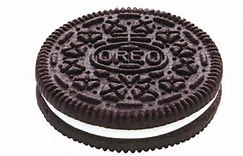
An oreo cookie has a mass of 20 grams. It gets crushed into crumbs for a recipe. What is the mass of the crumbs?
15 grams
25 grams
20 grams
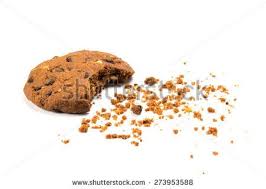
The Law of Conservation of Matter states that the total amount of matter _____ after it undergoes change.
disappears
stays the same
weighs less
explodes
Matter can not be created nor destroyed: it can only be
Destroyed a little bit
Invisible
Transformed, changed
None of the above
Burrowing animals contribute to the weathering of rocks.
True
False
What happens to pieces of rock as they are transported by a river?
smaller and more jagged
much larger and rounder
gets larger and more jagged
they get smaller and rounder
Which of the following is an example of biological weathering?
Freeze-thaw
Wind blowing sand onto a rock
Abrasion due to the movement of glaciers
Plant that grows on the cracks of the rocks
What are the two things that affect the rate of weathering?
rain and ice
type of rock and climate
time and date
size of rock and time of the year
Weathering is the process of -
Moving sediment from one place to another
Dropping or leaving sediment in a location
Breaking down rocks into sediment
An example of chemical weathering is -
Ice wedging
Oxidation
Animals burrowing
Crashing waves
An example of physical weathering is -
Plant roots and leaves releasing acids
Carbonic acid dissolving limestone
Large temperature changes
Lichens growing on rocks

Ice wedging is an example of -
Physical weathering
Chemical weathering
Both physical AND chemical weathering


What type of chemical weathering is in the picture shown?
oxidation
mosses and lichens
acid precipitation
_____________________ is the movement of soil and rock by wind, water, ice, and gravity.
Weathering
Erosion
Deposition
______________________ occurs when eroded materials stop moving and begin to build up.
Weathering
Erosion
Deposition


Chopping wood is an example of a...
physical change
chemical change

Burning wood is an example of a...
physical change
chemical change
Caves being formed by acid rain dissolving underground limestone are examples of what?
chemical weathering (carbonation)
chemical weathering (oxidation)
physical weathering (frost action)
physical weathering (plant action)

Fossil fuels burning and releasing CO2 into the atmosphere, increases a form of __________________ weathering.
chemical weathering
physical weathering

This image shows the process of
Carbonation
Hydration
Abrasion
Frost action
Select the forms of weathering that are physical
oxidation
frost action
abrasion
carbonation
Select the forms of weathering that are chemical
oxidation
frost action
abrasion
carbonation

Erosion occurs when natural forces alter the landscape. What does it mean to alter a landscape?
To blow dust around
To change what land looks like
To deposit silt at the mouth of a river
To create a floodplain
Which term BEST describes the rate at which glacial erosion takes place?
Quick
Short
Slow
Sudden
How do sandy beaches form?
Waves pounding pebbles int smaller and smaller pieces
Wind eroding pebbles into smaller pieces
Water freezing and thawing the cracks of pebbles
Rain wearing away rocks into smaller and smaller pieces

What do floodplains, sandbars, and river deltas have in common?
They've all been formed by water erosion
They've all been formed by glacial erosion
They've all been formed by wind erosion
They've all been formed by sandblasting
Which of these is an example of erosion?
Light shinning onto a mountain
Rain breaking down rock
Wind blowing away sediment
All of the above
Which of the following is NOT an element of erosion?
Water
Wind
Ice
Electrical Current

