Worksheets
Unit 3 - Genetics Study Guide
Total questions: 56
Worksheet time: 48mins
Which molecule was passed from your parents to you, to make you who you are?
Protein
mRNA
DNA
Cytoplasm
The instructions for the traits of an organism are determined by:
Th way the nucleotides are paired
The order of nucleotides in the DNA molecules
The proportions of A, C, T, and G in DNA
The length of DNA
What are the 3 chemical components of a DNA molecule?
A phosphate, deoxyribose sugar, and nitrogenous base
A nitrogenous base, ATP, and deoxyribose sugar
A phosphate, a nitrogenous base, and an amino acid
A nitrogenous base, deoxyribose sugar, and an amino acid
Which of the following DNA bases pairs with the DNA base 'A'?
A
U
T
G
Which of the following DNA bases pairs with the DNA base 'G'?
A
T
U
C
During which phase does a cell replicate its DNA?
Growth Phase 1
Synthesis Phase
Growth Phase 2
Mitotic Phase
During which phase does a cell divide?
Growth Phase 1
Synthesis Phase
Growth Phase 2
Mitotic Phase
During which phase of mitosis do chromosomes separate?
Prophase
Metaphase
Anaphase
Telophase
During which phase of mitosis do chromosomes line up in the middle of the cell?
Prophase
Metaphase
Anaphase
Telophase
Specialized cells are uniquely suited to perform a particular function.
True
False
A cell that has not yet specialized is known as a(n):
Blank Cell
Clear Cell
Stem Cell
Free Cell
A skin cell will express the same traits as a stomach cell.
True
False
Of the following materials, which has the structure of a single helix?
DNA
RNA
Protein
Chromosome
Strands of DNA are connected by which type of bonds?
Covalent Bonds
Ionic Bonds
Hydrogen Bonds
How many bases make up a codon?
4 bases
3 bases
2 bases
1 base
Which of the following describes a substitution mutation?
A base (nucleotide) in the DNA or RNA is switched for another.
A base (nucleotide) in the DNA or RNA is removed.
A base (nucleotide) in the DNA or RNA is added.
Which of the following describes a deletion mutation?
A base (nucleotide) in the DNA or RNA is switched for another.
A base (nucleotide) in the DNA or RNA is removed.
A base (nucleotide) in the DNA or RNA is added.
Which of the following describes an insertion mutation?
A base (nucleotide) in the DNA or RNA is switched for another.
A base (nucleotide) in the DNA or RNA is removed.
A base (nucleotide) in the DNA or RNA is added.
If a mutation causes an amino acid to change into a "STOP," it is referred to as a:
Nonsense
Missense
Silent
If a mutation causes an amino acid to change into a different amino acid, it is referred to as a:
Nonsense
Missense
Silent
If a mutation happens to result in the same amino acid as originally called for, it is referred to as a:
Nonsense
Missense
Silent
Which of the following describes the process of mitosis?
Produces egg and sperm
Produces 2 identical body cells
Produces 4 different sex cells
Which of the following is NOT true of Meiosis?
Each cell has HALF the number of chromosomes
Each cell is genetically DIFFERENT
TWO somatic (body) cells are produced
FOUR sex cells (egg and sperm) are produced
Recombination creates variety in organisms.
True
False
A version of a trait that 'overpowers' other versions is referred to as:
Recessive
Singular
Dominant
Adjacent
The combination of alleles is known as:
Phenotype
Dominant
Recessive
Genotype
A section of DNA that codes for a particular trait is called a:
Gene
Chromosome
Variety
Allele
Which of the following genotypes describes an individual who has a dominant AND a recessive allele?
Homozygous Dominant
(HD)
Heterozygous
(He)
Homozygous recessive (hr)
Which of the following genotypes describes an individual who is a 'carrier'?
Homozygous Dominant
(HD)
Heterozygous
(He)
Homozygous recessive (hr)
A male CANNOT be a carrier of a sex-linked trait.
True
False
Which of the following represents a female's sex chromosomes?
XX
XY
Which of the following represents a male's sex chromosomes?
XX
XY
If a sequence of DNA starts with 'A,' the RNA copy will start with:
A
T
U
C
If a sequence of DNA starts with 'T,' the RNA copy will start with:
A
T
U
C
If a sequence of DNA starts with 'G,' the RNA copy will start with:
A
T
U
C

In the punnett square, what is the probability for white fur?
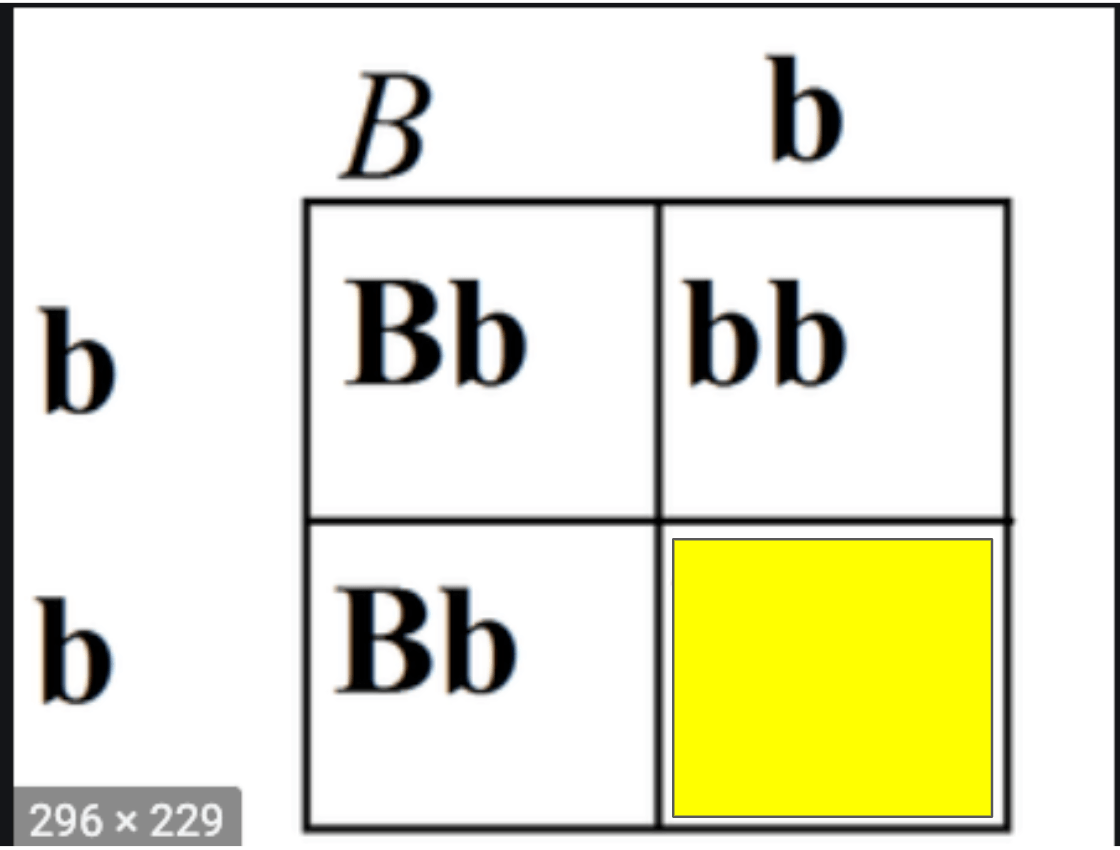
Fill in the Yellow Box
Bb
BB
bb
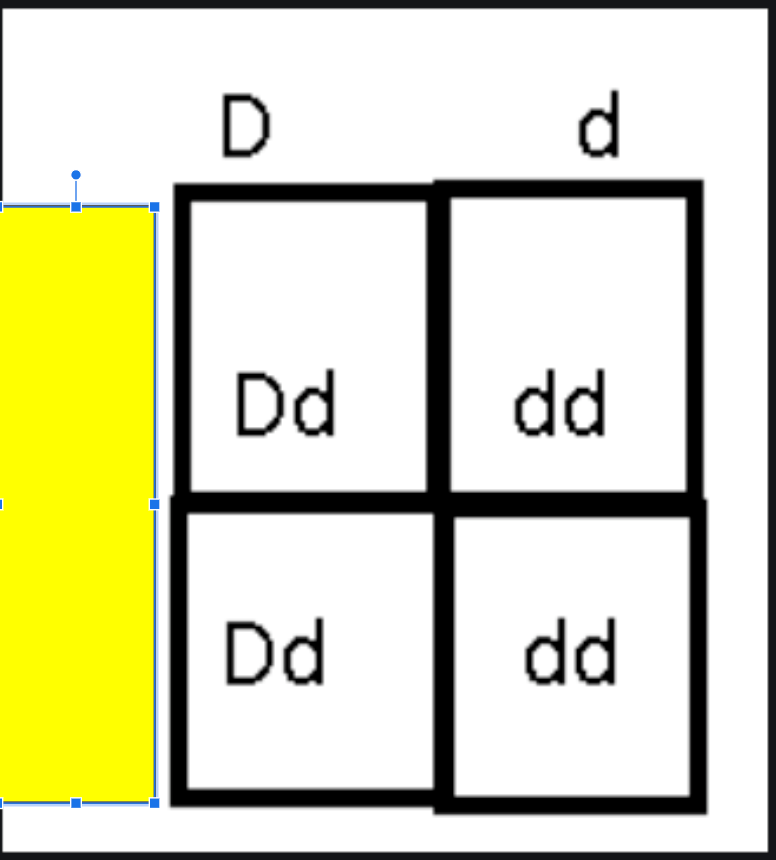
What is the mother's genotype?
DD
Dd
dd


How many alleles does a person carry for a trait?
1
2
3
4
Replicate the following DNA sequence: A T T A G C G A T
(a)
Transcribe the following DNA sequence: A T T A G C C A G
(a)
Match each stage of The Central Dogma with the appropriate description.
Transcription
A DNA sequence is copied to make an RNA sequence
Translation
An RNA sequence is 'read' to make an amino acid chain
Folding
An amino acid chain is made into its final, functional shape
Expression
The functional protein is working and the trait can be seen
Organize the phases of the cell cycle in order
Growth Phase 1
Synthesis Phase
Growth Phase 2
Mitosis
Organize the phases of Mitosis in order.
Prophase
Metaphase
Anaphase
Telophase & Cytokinesis
Identify the amino acid associated with the RNA codon 'UAC'
Identify the amino acid associated with the RNA codon 'GAA'
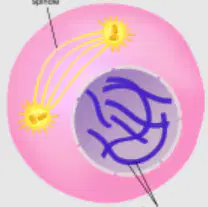
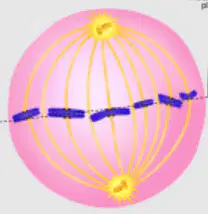
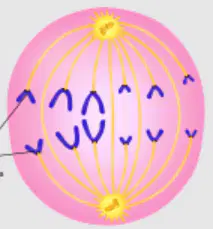
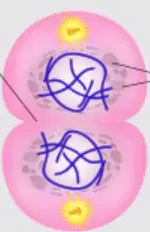
Put the phases of mitosis based on the appearance of the cell.