
 Worksheets
How do organisms reproduce?
Total questions: 70
Worksheet time: 38mins
The anther contains:
Sepals
Ovules
Carpel
Pollen grains
Which of the following is not a part of female reproductive system in human beings?
Ovary
Uterus
Vas deferens
Fallopian tube
Asexual reproduction takes place through budding in:
Amoeba
Yeast
Plasmodium
Leishmania
Assertion - Errors in copying always create new body designs.
Reason- DNA is the blueprint for body designs and characters.
Both A and R are true and R is the correct explanation of A
Both A and R are are true and R is not the correct explanation of A.
A is true but R is false
A is false bu R is true
A- Germ cell creation machinery is located outside body in males.
R- It is safer for the cells and tissues.
Both A and R are true and R is the correct explanation of A.
Both A and R are true and R is not the correct explanation of A.
A is true but R is false
A is false but R is true
A-There is an inbuilt tendency of variation.
R- DNA is copied via chemical reactions,which are never 100% accurate.
Both A and R are trye and R is the correct explanation of A
Both A and R are true, and R is the correct explanation of A
A is true but R is false
A is false but R is true
A- Glands like seminal vesicles are important
R- They provides the source of nutrition
Both A and R are true and R is the correct explanation of A
Both A and R are true, and R is the correct explanation of A
A is true but R is false
A is false but R is true
A-Sexual reproduction must include meiosis.
R- It creates more variation compared to mitosis.
Both A and R are true, and R is the correct explanation of A
Both A and R are true, and R is the correct explanation of A
A is true but R is false
A is false but R is true
A- Regeneration is getting a full organism back from its body parts.
R- Hydra and planaria show regenration
Both A and R are true, and R is the correct explanation of A
Both A and R are true, and R is the correct explanation of A
A is true but R is false
A is false but R is true
A-Stock is the lower part of a plant having the root
R- In grafting stock is placed over the scion.
Both A and R are true, and R is the correct explanation of A
Both A and R are true, and R is the correct explanation of A
A is true but R is false
A is false but R is true
A- All the sepals together are called corolla
R- The function of the sepal is to protect the flower in bud stage
Both A and R are true, and R is the correct explanation of A
Both A and R are true, and R is the correct explanation of A
A is true but R is false
A is false but R is true
A- Fusion of gametes gives rise to a single cell called zygte
R- Zygote is a fertilised ovum
Both A and R are true, and R is the correct explanation of A
Both A and R are true, and R is the correct explanation of A
A is true but R is false
A is false but R is true
A-Multiple fission produces many daughter cells simultaneously
R- Multiple fission occurs during favourable conditions.
Both A and R are true, and R is the correct explanation of A
Both A and R are true, and R is the correct explanation of A
A is true but R is false
A is false but R is true
A-Ovaries are the primary reproductive organs in a woman
R-The function of ovaries is to make mature female sex cells and female sex hormones.
Both A and R are true, and R is the correct explanation of A
Both A and R are true, and R is the correct explanation of A
A is true but R is false
A is false but R is true
A typical angiosperm embryo sac at maturity is eight nuclei with
Seven cells
Single cell
Four cells
Eight cells
Endosperm is formed during the double fertilization by
ovum and male gamete
two polar nuclei and one male gamete
one polar nuclei and one male gamete
two polar nuclei and two male gamete
Seed structure that grows become roots
radicle
plumule
cotyledon
endosperm
Seed structure that stores nutrients
radicle
plumule
testa
endosperm
How many nuclei are they in the embryo sac?
4
6
8
10
Two cells will be fertilized by two male gametes. name the cells?
polar nuclei and synergid cells
synergid and antipodal cells
egg and polar nuclei cells
egg and antipodal cells
State the function of triploid endosperm?
provide space to developing embryo
provide nutrient to developing embryo
to digest stigma
to attract the pollen
Which hormone stimulate the release of secondary oocyte during ovulation
GnRH
FSH
LH
Estrogen
When the level of estrogen and progesterone is high, they exert a negative feedback on..
hypothalamus only
anterior pituitary gland only
hypothalamus and anterior pituitary gland
Find the odd one
Gonorrhoea, Hepatitis B, Genital Herpes, AIDS.
Gonorrhoea
Hepatitis B
Genital Herpes
AIDS
Lippes loop is a hormone releasing IUD.
True
False
Abbreviate HPV -
Human Papillo Virus.
Human Papilloma Virus
Herpes Papillo Virus
Herpes Papilloma Virus
What are the male sex cells called?
Eggs
Sperm
Testorone
Fallopian

The primary role of the reproductive system is...
to ensure the survival of the species.
to produce gametes.
to create offspring.
to excrete liquid wastes.
to determine one’s gender.

The two hormones that maintain the lining of the uterus are:
FSH and estrogen
LH and estrogen
estrogen
Progesterone and estrogen

A diagram of the human male reproductive system is given. Which structure produces cells that become sperm?
A
B
C
D
Which structure is correctly paired with its function?
ovary — provides milk for newborns
testis — development of sperm
placenta — storage of released eggs
uterus — produces estrogen

Base your answers to questions 10 on
the picture given which represents systems in a
human male and on your knowledge of biology.
Which structure has both reproductive and
excretory functions?
A
G
C
D

The diagram GIVEN represents a human reproductive system. Meiosis occurs within structure
A
B
C
D
Which reproductive structure is correctly paired with
its function?
uterus—usual site of fertilization
testis—usual location for egg development
ovary—delivers nutrients to the embryo
sperm—transports genetic material
What process produces sperm?
Spermatogensis
Oogenesis
A hydra reproduces when an outgrowth, or bud, forms and continues to develop until it falls off of the parent. This is an example of:
Binary Fission
Sporulation
Budding
Vegetative Propagation
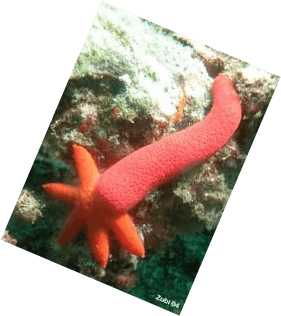
Fishermen work hard to catch and remove all the starfish that get into their favorite shell fishing beds and the “underwater farms” where they raise clams and oysters. In the past, they put the starfish into their boats, cut them up with knives, and then throw the pieces of starfish overboard. They thought this would kill the starfish. What they did not know was that each piece of starfish will grow into a whole new animal.

Which is a type of Asexual Reproduction
Sexual
Binary fission
Cells
organism
A planarian is a non-parasitic flatworm. If a planarian was injured by a predator, it could re-grow its body parts. If the body parts were not eaten by the predator, the part could re-grow into a whole new planarian as well.
Cutting the roots from a carrot and allowing it to grow into a newly formed daughter carrot is called __________.
Vegetative Reproduction
Cloning
Binary Fission
Plants vs. Zombies

This is an example of asexual reproduction by...
budding
binary fission
sporulation
vegetative propagation
Which of the following statements are true about asexual reproduction? (chose all that apply)
Asexual reproduction requires only one parent.
The offspring in asexual reproduction are clones of the parent.
The offspring in asexual reproduction are produced by mitosis.
The offspring in asexual reproduction are produced by meiosis.
The form of asexual reproduction common to most prokaryotes by the division of the adult cell into two halves is known as (a) .
All forms of asexual reproduction use _________________ to grow new cells and organisms.
mitosis
meiosis
Which of the following is a disadvantage of asexual reproduction? (chose all that apply)
There is no genetic variation
Populations are slower to adapt
Populations are limited to the specific conditions
It is generally faster and does not require the energy to find a mate

