
 Worksheets
Unit 7 Study Guide
Total questions: 92
Worksheet time: 5hrs 36mins
Which system functions primarily to coordinate the body’s response to changes in its internal and external environment?
digestive system
excretory system
nervous system
skeletal system
Which of the following is a component of the circulatory system?
heart
blood vessels
blood
all answers
The system that is responsible for the production of gametes is the
excretory system
reproductive system
nervous system
integumentary system
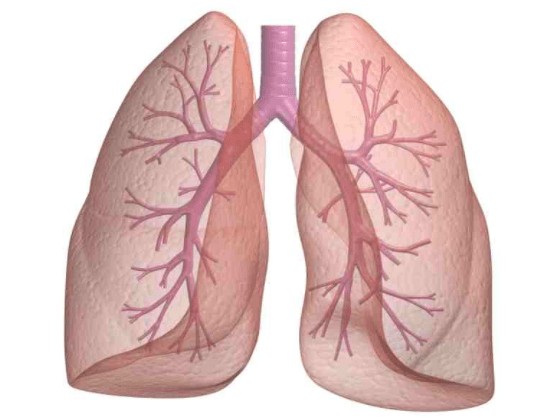
When we breathe in, oxygen goes into our lungs. The Lungs are part of the:
Muscular System
Respiratory System
Circulatory System
Digestive System
When you walk, muscles in your legs contract and relax. This is a great example of the ____ system in action.
muscular system
circulatory system
execratory system
nervous system
Which of the following is carried by a red blood cell throughout the body?
Glucose
Carbon Dioxide
Oxygen
Both Carbon Dioxide AND Oxygen
Where in the body is oxygen picked up and carbon dioxide dropped off?
The tongue (located in the mouth)
The lungs (located in the chest)
The small intestine (located in the abdomen)
A muscle (located in the leg)
Which of the following substance does a muscle cell need in order to function?
Glucose
Oxygen
Carbon dioxide
Both glucose and oxygen only
Which of the following is true about our body's system?
The skeletal system sends messages to the body
The digestive system helps carbon dioxide leave the body through the lungs
Blood cells are part of the nervous system
The digestive system helps break down food into energy
Which of the following is NOT TRUE about our body's systems?
The digestive system provides the energy that the muscular system needs to move and function
The circulatory system brings the red blood cells to the lungs so that carbon dioxide can be dropped off and oxygen picked up
The skeletal systems sends signals throughout the entire body.
The muscular system helps us walk, move and sit up
The organ is responsible for pumping blood throughout your body.
The Brain
The Spine
The Heart
The Lungs
The average size of an adult heart is about the size of a:
fist
foot
grapefruit
kidney bean
What is glucose?
food/ nutrient that cells need to live
carbon dioxide gas that is removed
a cell that picks up oxygen
none of the above
Choose two organ systems that work together to make the following process happen.
Oxygen is inhaled and is then distributed throughout the bloodstream.
Circulatory
Respiratory
Digestive
Excretory
Nervous
Choose two organ systems that work together to make the following process happen.
Blood carries digested nutrients to body cells.
Circulatory
Respiratory
Digestive
Excretory
Nervous
Choose two organ systems that work together to make the following process happen.
Oxygen is delivered to the cells in the body.
Circulatory
Respiratory
Digestive
Excretory
Nervous
Choose two organ systems that work together to make the following process happen.
Chemical signals are carried through the body to help the speed of digestion.
Circulatory
Respiratory
Musculoskeletal
Digestive
Nervous
Choose two organ systems that work together to make the following process happen.
Carbon dioxide is released from the body.
Excretory
Respiratory
Musculoskeletal
Digestive
Nervous
Choose two organ systems that work together to make the following process happen.
Involuntary muscles help move food through the digestive track.
Excretory
Respiratory
Musculoskeletal
Digestive
Nervous
Choose two organ systems that work together to make the following process happen.
The skull protects the brain from injury.
Excretory
Respiratory
Musculoskeletal
Digestive
Nervous
Choose two organ systems that work together to make the following process happen.
Calcium that we ingest can be used to strengthen bones.
Excretory
Respiratory
Musculoskeletal
Digestive
Nervous
Choose two organ systems that work together to make the following process happen.
Blood is pumped through the heart.
Excretory
Respiratory
Musculoskeletal
Digestive
Circulatory
Choose two organ systems that work together to make the following process happen.
Cellular waste from food and liquid consumption are removed from the body.
Excretory
Respiratory
Musculoskeletal
Digestive
Circulatory
Choose two organ systems that work together to make the following process happen.
The diaphragm allows involuntary breathing to occur.
Excretory
Respiratory
Musculoskeletal
Digestive
Circulatory
Choose two organ systems that work together to make the following process happen.
The kidneys clean the blood and control the amount of salt, water, and other substances in the blood.
Excretory
Respiratory
Musculoskeletal
Nervous
Circulatory
Choose two organ systems that work together to make the following process happen.
Oxygen is carried to the muscles.
Excretory
Respiratory
Musculoskeletal
Nervous
Circulatory
Choose two organ systems that work together to make the following process happen.
The brain regulates the position of bones by controlling muscles.
Excretory
Respiratory
Musculoskeletal
Nervous
Circulatory

Which human body systems interact to produce movement of the body?
Nervous and endocrine
Skeletal and muscular
Circulatory and digestive
Excretory and nervous
Which human body systems interact to produce movement of the body?
Nervous and endocrine
Skeletal and muscular
Circulatory and digestive
Excretory and nervous

Which two body systems work together to break down food into energy and rid the body of the waste produced during this process?
Skeletal and endocrine
Digestive and excretory
Nervous and immune
Muscular and skeletal

The two body systems that work together to protect you from foreign pathogens are...
Integumentary and immune
Reproductive and muscular
Endocrine and digestive
Respiratory and circulatory

What three body systems get rid of waste from our bodies?
Respiratory, Reproductive, and Circulatory
Digestive, Excretory, and Respiratory
Digestive, Reproductive, and Circulatory
Excretory. Reproductive, and Endocrine

How does the endocrine system have to do with Homeostasis?
Keeps system balanced with OXYGEN
Keeps systems balanced with BLOOD
Has Nothing to do with it
Keeps systems balanced with FEEDBACK MECHANISMS

Breathing rate increases during exercise to help meet the increased oxygen demand by skeletal muscles.
respiratory, circulatory
muscular, skeletal
respiratory, skeletal
respiratory, muscular

Blood carries digested nutrients to body cells.
endocrine, digestive
respiratory, reproductive
circulatory, digestive
muscular, digestive

Pathogens are dangerous bacteria. What body systems are most important when dealing with pathogens that might be in your blood?
immune, circulatory
nervous, skeletal
muscular, endocrine
reproductive

As a runner begins to run a race, his or her respiration rate will increase. The runner begins to breathe deeper and at a rapid rate. In addition, the heart beats more quickly. This will result in more oxygen delivered to the muscle cells. Which two body systems are working together to help out the muscle cells?
Immune system and lymphatic system
Respiratory system and circulatory system
Digestive system and integumentary system
Lymphatic system and immune system

During the process of nutrient absorption in animals, which two body systems are most responsible for breaking down food into smaller pieces and distributing the nutrients to body cells?
Endocrine system and immune system
Digestive system and circulatory system
Nervous system and digestive system
Muscular system and digestive system

A young boy cuts his hand on a piece of glass. To prevent infection, white blood cells travel to the site of the cut through the bloodstream. During this response to injury, the circulatory system works with which body system?
Muscular system
Integumentary system
Excretory system
Immune system

Dialysis is a medical treatment used when a person’s kidneys are no longer able to function. During this process, a machine uses an artificial membrane to remove waste products from the blood. Which body system below is not functioning properly in a person who requires dialysis?
Endocrine system
Integumentary system
Excretory system
Circulatory system

Which statement correctly describes the interaction of two body systems?
The endocrine system transports wastes from cells to the urinary system for excretion
The digestive system transports nutrients to the integumentary system, which excretes wastes
The nervous system produces hormones that control the function of the reproductive system
The respiratory system obtains oxygen that is delivered to cells by the cardiovascular system

Which body system works together with the integumentary system to protect the body from pathogens (germs and diseases)?
Reproductive
Immune
Vascular
Endocrine

The respiratory works together with the ___________ system to make mucus and trap bacteria and broken cell particles.
Nervous
Immune
Excretory
Integumentary

Negative feedback loops use hormones to bring the body back to ______________.
Crisis
Homeostasis
Growth
Sleep
Cell---__________________---Organ---Organ System---Organism
Tissue
Organelles
Cellular
Cytoplasm
Which three body systems allow you to move?
muscular, skeletal, digestive
nervous, respiratory, digestive
nervous, muscular, skeletal
Muscular, skeletal, circulatory

What is the function of the digestive system?
It transports blood and oxygen to your cells
It breaks down food so the nutrients can be absorbed by your body
It helps you breathe by taking in oxygen and transporting carbon dioxide out of your body
It helps you move
What is the function of the muscular system?
The function is movement of the body through muscles
The function is to get rid of waste
The function is to process food for nutrients and energy
The function is to protect you against disease
What is the function of the cardiovascular / circulatory system?
To provide nutrients to the whole body
To maintain homeostasis for the body
To fight off infection or disease
To transport nutrients, oxygen, and blood throughout the body
What is the function of the immune system?
To digest food
To fight against pathogens and diseases
To help you breathe
To remove waste from the body
What is the function of the nervous system?
Controls all parts of the body; sends signals between the brain, spinal cord, and nerve endings
What happens when you get nervous to do something
To fight off diseases
To carry oxygen, nutrients, and blood throughout the body
What is the function of the respiratory system?
To digest your food
To remove waste from the body
To take in oxygen and remove carbon dioxide
To fight disease
What is the function of the excretory/urinary system?
Removes liquid waste from your body
digests food
helps you breathe
circulates your blood
The steel beams that hold up a tall building are most analogous (similar) to which body system?
skeletal
muscular
digestive
immune
What is the function of the skeletal system?
Movement of the body
transports oxygen, blood, nutrients throughout the body
removes waste
supports the body by holding it up; muscles are attached to help with movement


an organism

