wayground logo

Free Printable Worksheets

Font size

S
M
L
XL
Worksheets

Plants Review

Total questions: 63

Worksheet time: 53mins

Name
Class
Date
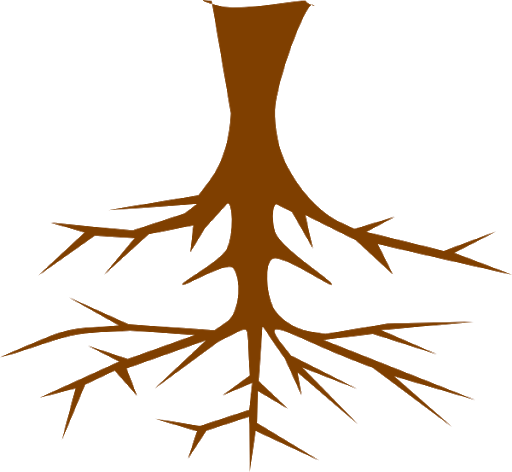
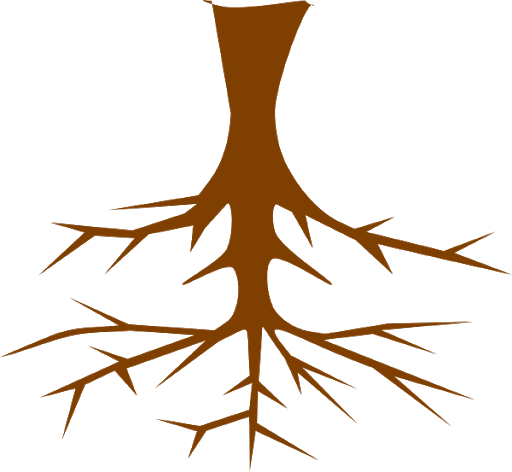
1.
Which part of a plant is this?
a)
Leaf
b)
Stem
c)
Roots
d)
Fruit
2.

The part of the plant that absorbs water is _________.

a)

Roots

b)

Flowers

c)

Stem

d)

Leaves

3.

What do the leaves of a plant do?

a)

They undergo photosynthesis

b)

They take in the water from the ground.

c)

They transport water to the other parts of the plants

d)

They support the plant upright.

4.

Which part of plant produces seeds?

a)
b)
c)
d)
5.

Which part of the plant absorbs water and nutrients?

a)
b)
c)
d)
6.
A plant is a ?
a)
Heterotrophic, multicellular, eukaryote
b)
Autotrophic, unicellular, eukaryote
c)
Autotrophic, multicellular, eukaryote
d)
Heterotrophic, unicellular, prokaryote
7.
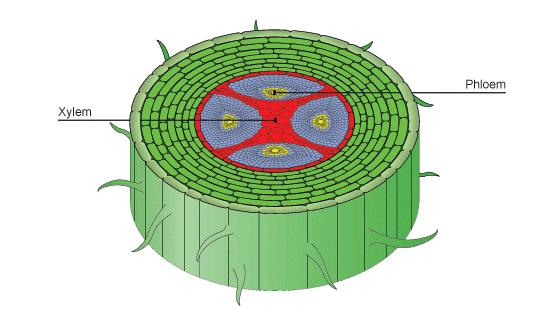
The two type of vascular tissue in plants are the _____________ and the _________________?
a)
bark, wood
b)
ground, dermal
c)
roots, stem
d)
phloem, xylem
8.
Xylem carries what ?
a)
water
b)
nutrients
c)
blood
d)
protein
9.
Why are flowers very colorful (and why do they produce odor?)
a)
So people buy them
b)
To make gardens look good
c)
To attract pollinators
d)
To attract sunlight
10.
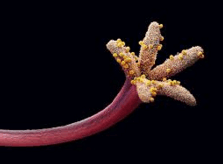
Male reproductive parts of a plant....
a)
Petals and ovary
b)
Ovary and ovule
c)
Anther and filament
d)
Stigma and style
11.
In which part of the flower is pollen found?
a)
Filament
b)
Anther
c)
Ovary
d)
Xylem
12.
What is the female part of the plant called?
a)
Stigma
b)
Pistil
c)
Stamen
d)
Style
13.
What is #1 pointing to?
a)
ovary
b)
petal
c)
stigma
d)
stamen
14.
What is the sticky part of the flower that catches pollen?
a)
style
b)
stigma
c)
ovary
d)
petal
15.
What part of the flower will turn into a seed?
a)
ovary
b)
anther
c)
ovule
d)
filament
16.
The venus fly trap will close if a fly touches two hairs on the leaves. Which of the following Tropism does this show?
a)
Phototropism
b)
Gravitropism
c)
Thigmotropism
d)
Hydrotropism
17.
A plant's leaves turned toward the light. This is an example of _______.
a)
Phototropism
b)
Gravitropism
c)
Thigmotropism
d)
Hydrotropism
18.
Bean plants wrap themselves around a trellis. This is an example of _____________.
a)
Gravitropism
b)
Thigmotropism
c)
Dormancy
d)
Hydrotropism
19.
Roots of a new plant grow down. This is an example of _______
a)
Phototropism
b)
Gravitropism
c)
Thigmotropism
d)
Hydrotropism
20.
This allows plant roots to find water.
a)
Gravitropism
b)
Hydrotropism
c)
Phototropism
d)
Dormancy
21.

Specific type of plant tissue that transports water and minerals from the roots, through the stems, to leaves

a)

vascular plant

b)

nonvascular plant

c)

xylem

d)

phloem

22.

Specific type of plant tissue that transports food (sugar) made in the leaves to the entire plant

a)

vascular plant

b)

nonvascular plant

c)

xylem

d)

phloem

23.

The process by which plants make food

a)

Photosynthesis

b)

phototropism

c)

embryo

d)

seeds

24.

What is #6 pointing to?

a)

anther

b)

ovary

c)

ovule

d)

petal

25.

What is #1 pointing to?

a)

ovary

b)

petal

c)

stigma

d)

stamen

26.

#3 and #2 together are called what?

a)

stigma

b)

stamen

c)

ovary

d)

pollen

27.

How do we call the waxy layer that covers the surface of leavesc and helps the plant retain water?

a)

Cuticle

b)

Epidermis

c)

Stomata

d)

Leaf coat

28.
Gases pass in and out of a leaf through the what?
a)
vascular tissue
b)
mouth hole
c)
stomata
d)
cell wall
29.

Which structure of the plant is responsible for transport?

a)

Flower

b)

Leaf

c)

Stem

d)

Root

30.
The part of the flower on which the pollen grains land.
a)
anther
b)
stamen
c)
style
d)
stigma
31.
The part of a flower that produces the male reproductive cells.
a)
anther
b)
style
c)
stigma
d)
filament
32.
Small grains that contain a plant's male reproductive cells.
a)
stamen
b)
pollen
c)
anther
d)
stigma
33.

carry the products of photosynthesis from the leaves back down to the roots

a)

roots

b)

stems

c)

leaves

34.

hold plants upright against forces such as wind and rain

a)

roots

b)

stems

c)

leaves

35.

increase the amount of sunlight plants absorb

a)

roots

b)

stems

c)

leaves

36.

Plant roots have extensions called root hairs. These root hairs are important in the homeostasis of the plant. Which statement best explains the importance of the root hairs to the stems and leaves of the plant?

a)

root hairs convert minerals into glucose for immediate use by cells

b)

root hairs decrease the need for osmosis and diffusion in vascular tissue

c)

root hairs prevent water loss in leaves through transpiration and gas exchange

d)

root hairs increase the surface area of the roots for nutrient and water absorption

37.

A plant's response to any stimulus

a)

dormancy

b)

tropism

c)

hibernation

d)

pollination

38.

A plant's response to touch

a)

thigmotropism

b)

geotropism

c)

hydrotropism

d)

dormancy

39.

The movement of roots toward the ground or the movement of stems away from the ground

a)

hydrotropism

b)

geotropism

c)

thigmotropism

d)

phototropism

40.

The movements in a plant in response to light

a)

phototropism

b)

geotropism

c)

hydrotropism

d)

thigmotropism

41.

A tropism is...

a)

a change in the environment

b)

plant movement in response to a stimulus

c)

something that causes a response

d)

when photosynthesis takes place

42.

What is the stimulus in this example?

a)

Internal

b)

Light

c)

Touch

d)

Temperature

43.

Venus Flytrap flower reacts to a bug.

a)

Thermotropism

b)

Negative Geotropism

c)

Thigmotropism

d)

Hydrotropism

44.

Sunflowers turning towards the sun.

a)

Hydrotropism

b)

Phototropism

c)

Thigmotropism

d)

Geotropism

45.

Plants curling around a pole or mailbox is an example of:

a)

Phototropism

b)

Germination

c)

Turgor pressure

d)

Thigmotropism

46.
If a plant experiences a gravitropism, then it will do what?
a)
Grow toward or away from light. 
b)
Grow away from light. 
c)
Grow toward light.
d)
Grow in response to gravity. 
47.
What type of tropism response to water? 
a)
Hydrotropism
b)
Gravitropism
c)
Thigmotropism
d)
Phototropism
48.
Why might some plants have thorns?
a)
to stay safe from animals that want to eat the plant
b)
to attract insects that spread pollen to other plants
c)
to take in nutrients from the air
d)
to provide shade for the plant
49.
What is one reason why some plants have scents?
a)
to shed extra water off the plant
b)
to take in nutrients from the soil
c)
to attract animals to spread its pollen
d)
to conserve water during dry periods
50.
Why might some plants that grow on the shady rain forest floor have large leaves?
a)
to stay safe from predators
b)
to attract different animals
c)
to survive harsh winters with heavy snowfall
d)
to take in as much sunlight as possible
51.
Some trees shed their leaves in time for winter. Why is this adaptation useful?
a)
The trees save energy during the darker, colder months.
b)
The trees take in more sunlight through their branches.
c)
The trees attract animals to spread their seeds.
d)
The trees blend into their environment and hide.
52.
Some grasses grow in hot dry areas. Why might they grow deep roots?
a)
to protect the plant from sun damage
b)
to take in as much light as possible
c)
to spread seeds to new places
d)
to reach water down below
53.

What is one possible reason for seeds to have hooks or barbs?

a)

to stay warm during the winter

b)

to protect themselves from sunlight

c)

to get attached to passing animals and get carried away

d)

to stick to animals and steal nutrients from them

54.

Desert plants have a coat of wax on their leaves to

a)

keep water from escaping

b)

protect them from animals eating them

c)

absorb water from the air

d)

release scent to attract animals

55.

Which of the following adaptations best​ explains how pine trees are able to prevent water loss or damage from freezing temperatures?

a)

Pine trees have thick bark

b)

Pine cones produce seeds.

c)

Pine tree roots go deep underground.

d)

Pine needles are thin and have a wax coating.

56.

____________ cells open and close the stomata

a)

palisade

b)

guard

c)

xylem

d)

epidermis

57.
Xylem and phloem are examples of _ tissue
a)
Spores
b)
Nonvascular
c)
Seeds
d)
Vascular
58.

Water lilies live in lakes and ponds. The lilies have very long stems. The picture above shows a water lily in a pond. How do long stems help water lilies live in ponds?

a)

They absorb food for the plant.

b)

They absorb water from the pond.

c)

They enable the pads and flower to reach sunlight.

d)

They help the plants float away.

59.

Why are shorea seeds able to be dispersed by the wind?

a)

It has hooks to hook onto the fur of animals

b)

It has a fibrous husk that makes it float

c)

It is light and has wing-like structure

d)

It has dry pods that split open

60.

State a dispersal method for the fruit/seed below

a)

By animals

b)

By water

c)

By wind

d)

By explossive

61.

What are the characteristics of fruits that are dispersed by animals?

a)

Have latex and juicy

b)

Edible and have hooks

c)

Light and have the atrractive colour

d)

Small and have the spiral shape

62.

Why are dandelion seeds able to disperse by wind?

a)

Have small seeds and edible

b)

Have air spaces and dry

c)

Have hooks that attached with animals fur

d)

Light and have fine hairs

63.

How do the papaya seeds get spread by birds?

a)

Through their saliva

b)

Birds carry the seeds using their claws

c)

Through their dropping

d)

Birds carry the seeds in their mouth