

wayground logo

Free Printable Worksheets

Font size

S
M
L
XL
Worksheets

Respiratory System

Total questions: 43

Worksheet time: 26mins

Name
Class
Date
1.
Tubes that move air from the trachea to the lungs.
a)
Alveoli
b)
Bronchi
c)
Veins
d)
Arteries
2.
Letter D is pointing to which Respiratory organ?
a)
Alveoli
b)
Diaphragm
c)
Lung
d)
Bronchi
3.
Which part of the Respiratory System collects air from the environment & heats/moistens the air before entering the body?
a)
lungs
b)
nose
c)
heart
d)
brain
4.
When the diaphragm contracts and moves down, the lungs are...
a)
expanding with air
b)
shrinking - pushing air out
5.
When the diapragm relaxes and moves back up, the lungs are...
a)
expanding with air
b)
shrinking - pushing air out
6.
Given the following structures:
1. larynx
2. nasal cavity
3. pharynx
4. trachea
Which of the following is the correct order that air would flow during inhalation. 
a)
1,2,3,4
b)
2,3,1,4
c)
2,1,3,4
d)
4,2,3,1 
7.
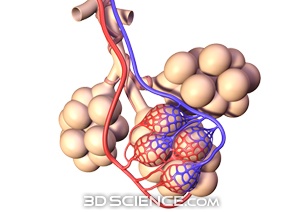
The air sacs that are covered with capillaries where gas exchange takes place
a)
bronchi
b)
lungs
c)
oxygen
d)
alveoli
8.
What does the Larynx hold ?
a)
The larynx holds the whole sub system 
b)
The larynx is part of the plant cells. 
c)
The larynx holds the vocal chords. 
d)
The larynx is part of animal tissues. 
9.
a flap of tissue that closes when we eat so food doesn't not go down the trachea
a)
larynx
b)
pharynx
c)
trachea
d)
epiglottis
10.

When air is pushed OUT of the lungs, what is the correct order for the tubes it passes through?

a)

bronchiole -> bronchi -> trachea -> nose

b)

bronchi -> bronchiole -> trachea -> nose

c)

trachea-> bronchi -> bronchiole-> nose

11.

Gaseous exchange happens because of...

a)

Osmosis

b)

Respiration

c)

Diffusion

d)

Semi-permeable membranes

12.
Lung volume might vary because of
a)
Activity level
b)
All of these
c)
Smoking
d)
Asthma
13.
When bronchial tubes are irritated and swell (causing excessive coughing)
a)
Bronchitis
b)
Lung cancer
c)
Asthma
d)
Emphysema
14.
When alveoli in the lungs enlarge and cant push oxygen to the blood
a)
Bronchitis
b)
Lung cancer
c)
Asthma
d)
Emphysema
15.
Muscular structure that helps to expand and contract the lungs, forcing air in and out
a)
Pharynx
b)
Nasal cavity
c)
Alveoli
d)
Diaphragm
16.
Smaller tubes within the lungs
a)
Bronchioles
b)
Bronchi
c)
Lungs
d)
Alveoli
17.
This is a tube-like pasage used for food, liquid, and air
a)
Larynx
b)
Trachea
c)
Pharynx
d)
Lungs
18.
Passage way that moistens the air and has hairs to trap dust and particles
a)
Nasal cavity
b)
Bronchi
c)
Mouth cavity
d)
Larynx
19.
This is the airway that has two pairs of vocal chords attached to it
a)
Lungs
b)
Diaphragm
c)
Pharynx
d)
Larynx
20.
Caused by inhaling tar in cigarrette smoke
a)
Bronchitis
b)
Lung cancer
c)
Asthma
d)
Respiratory infections
21.
Illness of the lungs where the alveoli become inflamed and filled with fluid
a)
Lung cancer
b)
Bronchitis
c)
Pneumonia
d)
Emphysema
22.

Which structures filter and moisten air as it passes through the human respiratory system?

a)

cilia and mucous membranes

b)

alveoli and cartilage rings

c)

diaphragm and bronchioles

d)

epiglottis and bronchi

23.

Which structure in humans is lined with ciliated mucous membrane, is supported by cartilaginous rings, and functions as a passageway for air?

a)

esophagus

b)

alveolus

c)

pharynx

d)

trachea

24.

Which diagram best illustrates the function of an alveolus?

a)
b)
c)
d)
25.

Smoking may damage the respiratory system because deposits from the smoke can

a)

interfere with ciliary action in the trachea

b)

trigger the release of antigens by the alveoli

c)

block the transmission of impulses that regulate breathing

d)

lower blood pressure in the mucous membranes of the bronchioles

26.

The volume of air exchanged during one breath in and out in quiet breathing is called

a)

Total lung capacity

b)

Tidal volume

c)

Residual volume

d)

Forceful volume

27.

The volume of air remaining in the lungs even after a forcible expiration is called

a)

Total lung capacity

b)

Tidal volume

c)

Residual volume

d)

Remaining volume

28.

The maximum air you can get in and out of your lungs

a)

Vital Capacity

b)

Total Lung Capacity

c)

Residual Volume

d)

Inspiratory Reserve Volume

29.

What muscles are used in breathing in

a)

diaphragm and intercostals

b)

diaphragm and lungs

c)

Abdominals

30.

What equipment is used to measure air being inspired and expired?

a)

breathalyzer

b)

spirometer

c)

inspirometer

d)

expirometer

31.
The amount of air you can force out after a normal breath out
a)
Expiratory Reserve
b)
Functional Residual Capacity
c)
Vital Capacity
d)
Inspiratory Capacity
32.
The amount of air you can still inhale after a normal breath in
a)
Vital Capacity
b)
Inspiratory Reserve
c)
Functional Residual Capacity
d)
Inspiratory Capacity
33.
When air pressure inside the lungs is less than air pressure in the atmosphere...
a)
Air moves into the lungs
b)
Air moves out of the lungs
34.

The Mechanisms responsible for normal expiration is supplied by

a)

the diaphragm

b)

the external intercostal muscles

c)

the elastic recoil of the tissues

d)

the contraction of the smooth muscle in bronchioles

35.
When the diaphragm contracts...
a)
the volume of the thoracic cavity increases and the pressure decreases, causing air to rush into the lungs.
b)
the volume of the thoracic cavity decreases and the pressure increases causing air to rush out of the lungs. 
36.

What happens to the pressure in the thoracic cavity when we breath in?

a)

Decrease to allow air in

b)

Increases to allow air in

c)

Increases to allow air out

d)

Decreases to allow air out

37.

Which of these occur during inspiration

a)

Diaphragm contracts downwards

b)

External intercostal muscles contract

c)

Ribs move up and out

d)

Pressure decreases and volume increases

38.

What is the function of the residual volume?

a)

To allow continual gaseous exchange AND to stop alveoli from collapsing

b)

to allow for continual gas exchange

c)

To prevent over breathing

d)

To stop the alveoli from collapsing

39.

What does D represent on the graph

a)

Tidal Volume

b)

Residual volume

c)

Respiratory rate

d)

Inspiratory reserve volume

40.

What is the technical term for breathing air out?

a)

Inhalation

b)

Expiration

c)

Inspiration

d)

Exothermic

41.

Air from outside your body moves

a)

actively INTO your lungs from an area of high pressure towards lower pressure

b)

actively INTO your lungs from an area of low pressure towards higher pressure

c)

passively INTO your lungs from an area of high pressure towards lower pressure

d)

passively INTO your lungs from an area of low pressure towards higher pressure

42.

Total lung capacity includes

a)

tidal volume + inspiratory volume + expiratory volume

b)

inspiratory reserve + expiratory reserve

c)

tidal volume + vital capacity

d)

vital capacity + residual volume

43.
C.O.P.D : Is a group of lung diseases that block airflow and make it difficult to breath.
a)
False 
b)
True
