
 Worksheets
Biomes, zonation and succession
Total questions: 44
Worksheet time: 1hrs 23mins
Which major biome's lack of precipitation limits plant grow and is home to cacti, mesquite, white thorn, pack rats, small reptiles, birds, antelope, lizards, fox, snakes, bob cats and coyotes?
desert
taiga
tundra
grassland
grasses and scattered trees adapted to a tropical wet and dry climate
taiga
tundra
temperate deciduous forest
tropical grasslands
This biome is just south of the tundra. It contains mostly spruce trees and Douglas firs, which are both evergreen. The winters are long and cold and the summers are short and rainy. The soil is very rich. Moose and elk live here.
boreal forest or taiga
chaparral
temperate deciduous forest
temperate rainforest


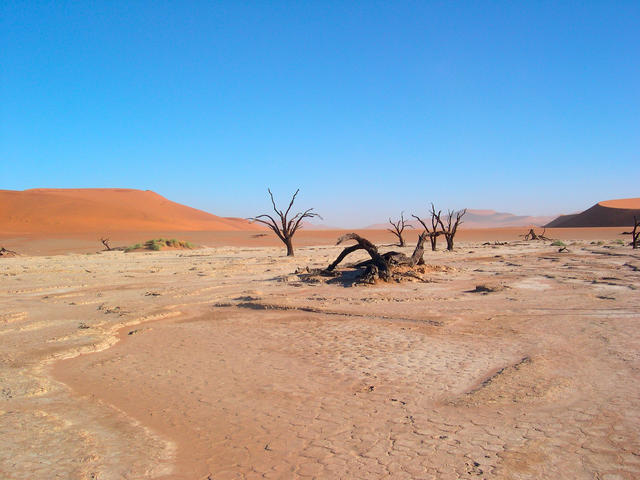
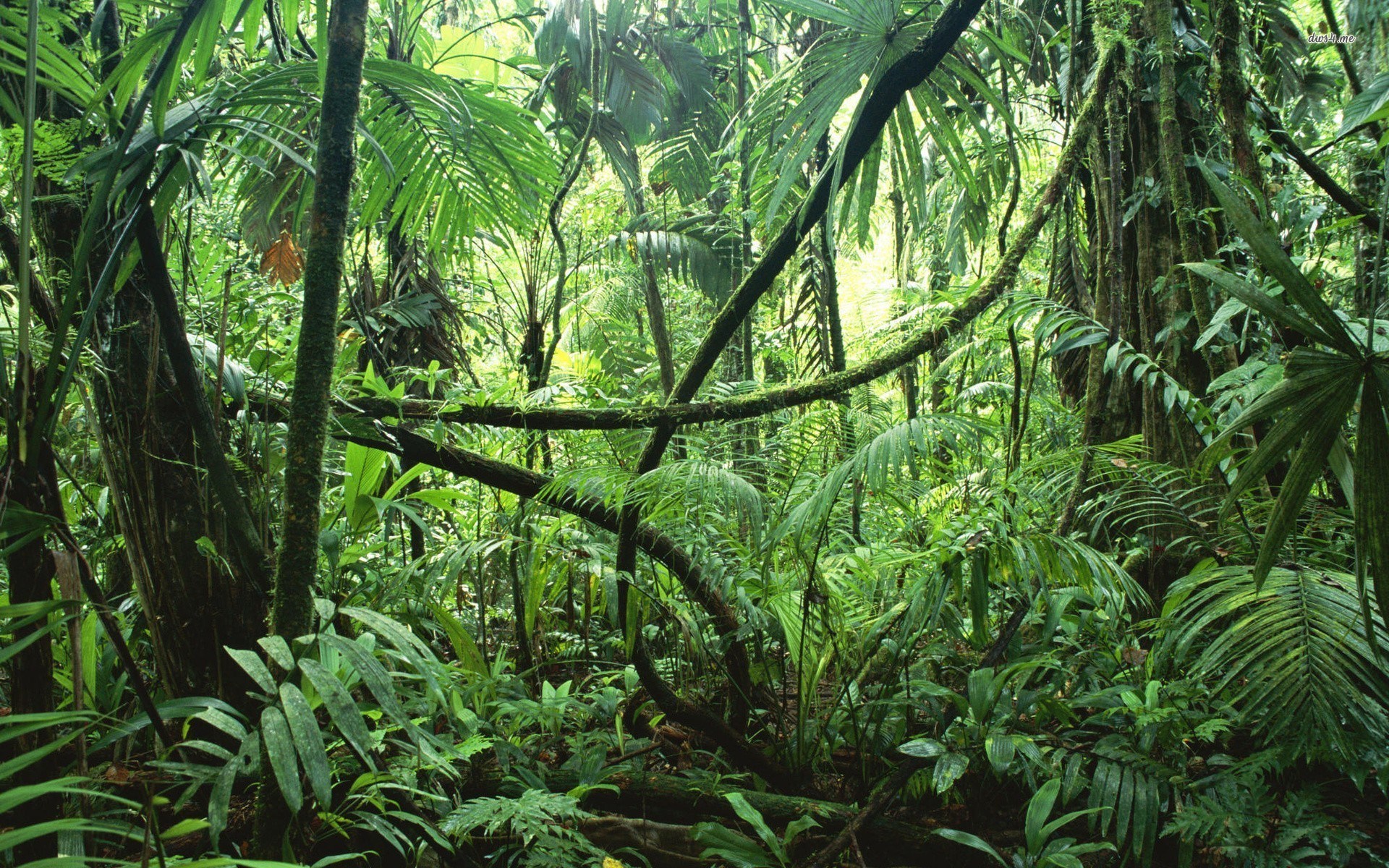
This biome contains American black bear, raccoon, porcupine, frog, and white tailed deer
temperate deciduous forest
chaparral
taiga
desert
Which type of succession is a process that brings life into a previously uninhabited area?
cyclic succession
seasonal succession
secondary succession
primary succession
What type of succession is likely to occur immediately following a tsunami that caused significant soil erosion?
secondary succession because all the soil was lost in the tsunami
secondary succession because some soil will still be left behind after the tsunami
primary succession because the tsunami killed so many organisms in this ecosystem
primary succession because there were still some organisms that survived to recover the ecosystem
How do mosses and lichens most contribute to succession?
They are producers in the food chain.
They break down rock into soil.
They increase the amount of oxygen in the surrounding air.
They become plants.
A final, stable community in equilibrium with the environment is a
pioneer species
secondary succession
urban village
climax community
A species that colonizes an uninhabited area and that starts an ecological cycle in which many other species become established is a
extinct species
succession species
pioneer species
new species
Which could be considered a positive result from a catastrophic disturbance to succession?
a new disease spreading throughout a community
an earthquake destroying a bridge linking two communities
a fire destroying an overgrown forest allowing for new growth
a local manufacturer releasing toxic contaminates into a stream
The main difference between the start of primary succession and secondary succession is
Primary succession has soil at the beginning and secondary succession does not
Primary succession begins quickly and secondary succession begins slowly
Secondary succession only has two stages and primary succession has six stages
Secondary succession has soil at the beginning and primary succession does not
After a volcanic eruption has covered an area with lava, which of the following is the most likely order of succession in the repopulation of the area?
Grasses, trees, mosses, lichens
Shrubs, grasses, trees, lichens
Lichens, grasses, shrubs, trees
Mosses, grasses, lichens, trees
What is ecological succession?
gradual change in living communities that follows a disturbance
rapid change in a nonliving community
a change that occurs in a community overnight
how an ecosystem is changed into livable land for humans
Pioneer organisms are the first to grow in primary succession because they
can tolerate extreme conditions
cannot tolerate extreme conditions
are able to grow to very large sizes
need soil to grow in

Changes in a community along a factor such as altitude
Succession
Zonation
Insolation
Latitude

Which curve on this graph represents r-selected species? Select an answer from I, II or III.
1
2
3

Which column represents r-strategists? Answer column A or column B.
Column A
Column B

Organisms in the intertidal zone must be adapted to both wet and dry conditions.
True
False
Evaporation can increase the salinity of tidal pools.
True
False
When otters are removed from an ecosystem..
The urchin population rises
The kelp population drops
The kelp gets eaten more quickly than it can regrow
All of the answers occur
Which of the following statements about the tri-cellular model is correct?
The Hadley cell and the Ferrel cell are thermally driven.
Only the Hadley cell is thermally driven.
The Hadley cell and the Polar cell are thermally driven.
Only the Polar cell is thermally driven.
Which of the following statements lists ONLY the five major categories of biomes?
Aquatic, Forest, Grassland, Desert, Tundra
Freshwater, Ponds and lakes, Streams and rivers, Wetlands, Bogs and swamps
Marine Deep ocean, Coral reefs, Estuaries, Mangrove swamps
Tropical rainforest, Temperate forests, Boreal, Savanna, Temperate grasslands

Which of the three stations, A, B, or C is most likely to be a desert location?
A
B
C
Would occur after a wildfire, tornado or flood.
Primary Succession
Secondary Succession
All of the carbon in existence is continually recycled in the carbon cycle.
Which of these nitrogen cycle processes converts atmospheric nitrogen to a soil form of nitrogen that is usable by plants?
nitrogen fixation
nitrification
denitrification
ammonification
assimilation
An organism that tends to have a low life expectancy and increased birth rate is known as a
k-strategist.
r-strategist.
_____ have a high reproductive rates, short-life spans, and do not care for their offspring.
R-strategists
K-strategists
B strategists
Z-Strategists

