wayground logo

Free Printable Worksheets

Font size

S
M
L
XL
Worksheets

respiratory structures

Total questions: 76

Worksheet time: 38mins
Name
Class
Date
1.
Place where air enters the body; warms, moistens, and filters incoming air.
a)
lungs
b)
mouth
c)
bronchioles
d)
nasal cavity/nose
2.
Main organ of the respiratory system.
a)
lungs
b)
trachea
c)
larynx
d)
bronchioles
3.
Smaller branches of the bronchi inside the lungs.
a)
alveoli
b)
bronchioles
c)
larynx
d)
mouth
4.
Main muscle that controls breathing by changing pressure in the chest cavity when it contracts or relaxes.
a)
mouth
b)
pharynx
c)
diaphragm
d)
alveoli
5.
Flap that closes over the trachea when swallowing to keep food from “going down the wrong pipe”; remains open when breathing.
a)
alveoli
b)
epiglottis
c)
larynx
d)
pharynx
6.
Windpipe; tube leading into the chest cavity.
a)
pharynx
b)
trachea
c)
bronchi
d)
diaphragm
7.
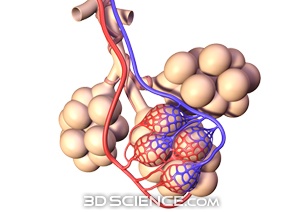
“Grape-like”, Tiny, thin walled sacs where oxygen and carbon dioxide are exchanged.
a)
alveoli
b)
epiglottis
c)
nasal cavity
d)
bronchioles
8.
Branches of the trachea that lead to each lung.
a)
bronchi
b)
pharynx
c)
bronchioles
d)
alveoli
9.
“Voice box”; makes sounds as air passes through vocal cords.
a)
trachea
b)
bronchi
c)
mouth
d)
larynx
10.
When you breathe, your lungs take in ___ and remove ___. 
a)
air/oxygen
b)
oxygen/carbon dioxide 
c)
carbon dioxide/waste 
d)
waste/air 
11.
The air sacs that are covered with capillaries where gas exchange takes place
a)
bronchi
b)
lungs
c)
oxygen
d)
alveoli
12.

The drawing in of breath; inhalation.

a)

Inspiration

b)

Expiration

13.

Breathing out; exhalation of breath.

a)

Inspiration

b)

Expiration

14.

What is the site of gas exchange?

a)

alveoli

b)

nose

c)

lung

d)

bronchi

15.

A cavity within a bone or other tissue, especially one in the bones of the face or skull connecting with the nasal cavities.

a)

Sinus

b)

Nose

c)

Pharynx

d)

Larynx

16.

Which part of the Respiratory System plays a major role in speech?

a)

nose

b)

pharynx

c)

larynx

d)

trachea

17.
The two main branches from the trachea (one to each lung)
a)
bronchi
b)
alveoli
c)
capillaries
d)
bronchioles
18.
known as the voice box
a)
windpipe
b)
larynx
c)
pharynx
d)
epiglottis
19.
After air moves through the pharynx it continues downward. The _____, or windpipe, directs the air into 2 separate branches or tubes.
a)
mucus
b)
trachea
c)
larynx
d)
epiglottis
20.
Which body function is made possible by the fibrous bands stretched across the larynx?
a)
swallowing
b)
breathing
c)
diffusion
d)
speech
21.

Which of the following structures closes off the larynx during swallowing

a)

glottis

b)

epiglottis

c)

esophagus

d)

palate

22.

The anatomical name for the windpipe is the

a)

glottis

b)

epiglottis

c)

trachea

d)

vocal cords

23.
A chamber behind the nose and mouth that leads to the trachea
a)
pharynx
b)
trachea
c)
epiglottis
d)
larynx
24.
Letter B is pointing to which organ of the Respiratory System?
a)
Nose
b)
Trachea
c)
Lungs
d)
Diaphragm
25.
What does a spasm of the diaphragm cause?
a)
cough
b)
sneeze
c)
hiccup
d)
yawn
26.
cleans, moistens, and warms the air
a)
trachea
b)
larynx
c)
nasal passage
d)
windpipe
27.
Given the following structures:
1. larynx
2. nasal cavity
3. pharynx
4. trachea
Which of the following is the correct order that air would flow during inhalation. 
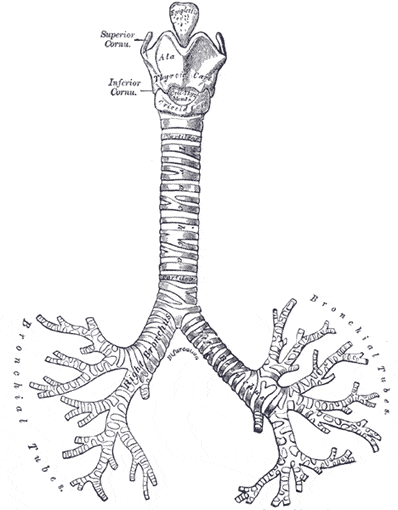
a)
1,2,3,4
b)
2,3,1,4
c)
2,1,3,4
d)
4,2,3,1 
28.
Tiny tubes that branch off of bronchi
a)
capillaries
b)
alveoli
c)
bronchioles
d)
pluera
29.
The diaphragm is found:
a)
At the back of the throat.
b)
Below the larynx.
c)
Under the epiglottis.
d)
Under the rib cage.
30.
The two main branches from the trachea (one to each lung)
a)
bronchi
b)
alveoli
c)
capillaries
d)
bronchioles
31.
The air sacs that are covered with capillaries where gas exchange takes place
a)
bronchi
b)
lungs
c)
oxygen
d)
alveoli
32.

Name the structure labeled 8

a)

lungs

b)

trachea

c)

diaphragm

d)

alveoli

33.

Specialist cells in the bronchioles have structures on them called

a)

alveoli

b)

cilia

c)

dermacytes

d)

erythrocytes

34.

At the end of the bronchioles are structures called

a)

alveoli

b)

vocal cords

c)

villi

d)

brochi

35.
What equipment is used to measure air being inspired and expired?
a)
spirometre
b)
spirometer
c)
inspirometer
d)
expirometer
36.
What muscles are used in breathing in and breathing out?
a)
diaphragm and intercostals
b)
diaphragm and lungs
c)
lungs and ribs
d)
lungs and diaphragm
37.

Flap of tissue that covers the opening to the windpipe during swallowing

a)

Pharynx

b)

Trachea

c)

Epiglottis

38.
What is the main function of the respiratory system?
a)
to provide oxygen and remove carbon dioxide from the body
b)
to bring oxygen to the body
c)
to break down food and absorb nutrients
d)
to remove oxygen from the body and deliver carbon dioxide
39.

The "windpipe" is also called the...

a)

trachea

b)

bronchi

c)

bronchioles

d)

alveoli

40.
a dome shaped sheet of muscle, the _________, separates the chest from the abdomen
a)
diaphragm
b)
epiglottis
c)
alveoli
d)
bronchial tubes
41.
a chamber behind the nose and mouth that leads to the trachea
a)
pharynx
b)
trachea
c)
epiglottis
d)
larynx
42.
Label C is...
a)
Trachea
b)
Diagphragm
c)
Bronchus
d)
Alveolus
43.
What is the function of the bronchi?
a)
Transport air from nose to lungs
b)
Transport air from trachea to lungs
c)
Transport air from lungs to alveoli
d)
Transport air from alveoli to blood
44.
cleans, moistens, and warms the air
a)
trachea
b)
larynx
c)
nasal cavity
d)
windpipe
45.

Which sequence correctly indicates the branching pattern of the human respiratory system?

a)

trachea -> bronchi -> bronchioles -> alveoli

b)

trachea -> bronchioles -> bronchi -> alveoli

c)

alveoli -> trachea -> bronchioles -> bronchi

d)

alveoli -> bronchioles -> trachea -> bronchi

46.

Which part of the human respiratory system is a thin, moist membranous structure where gas exchange occurs?

a)

trachea

b)

bronchus

c)

epiglottis

d)

alveolus

47.

The windpipe is ___________________________.

a)

Red, thin, soft; made of tiny air sacs that strecth like a balloon

b)

System that carries oxygen to the cells

c)

Long tube which goes from the mouth and nose to the lungs

48.
The left lung has three lobes and the right lung has two. 
a)
True
b)
False
49.

Which lung has 2 lobes?

a)

Right

b)

Left

50.

If your nose is clogged, why can you breathe through your mouth?

a)

Your body needs the air

b)

The mouth is connected to the windpipe

c)

The nose is the only way the body can get air

51.
What is the respiratory system ? 
a)
The respiratory system is the system that helps circulate our blood . 
b)
The respiratory system is the system that takes in oxygen and takes the unneeded particles and creates carbon dioxide. 
c)
The respiratory system is  a system that is similar to the circulatory system. 
d)
The respiratory system is a system that holds the heart as an internal organ. 
52.
What does the Larynx hold ?
a)
The larynx holds the whole respitory system. 
b)
The larynx holds the trachea. 
c)
The larynx holds the vocal chords. 
d)
The larynx hold the wind pipe. 
53.
a flap of tissue that closes when we eat so food doesn't not go down the trachea
a)
larynx
b)
pharynx
c)
trachea
d)
epiglottis
54.
A chamber behind the nose and mouth that leads to the trachea
a)
pharynx
b)
trachea
c)
epiglottis
d)
larynx
55.
Letter B is pointing to which organ of the Respiratory System?
a)
Nose
b)
Trachea
c)
Lungs
d)
Diaphragm
56.

Which structure in humans is lined with ciliated mucous membrane, is supported by cartilaginous rings, and functions as a passageway for air?

a)

esophagus

b)

alveolus

c)

pharynx

d)

trachea

57.

Which statement best describes the function of the respiratory passageways of a human?

a)

They permit digestive end-products to make contact with body cells.

b)

They permit exchange between the external atmosphere and the circulatory system.

c)

They transport gaseous cellular wastes from body cells to the lungs for excretion.

d)

They regulate the amount of ammonia and salt dissolved in body fluids.

58.

In humans, which structure prevents food from entering the trachea?

a)

epiglottis

b)

alveolus

c)

mucous membrane

d)

cartilage ring

59.

What is the main function of gas exchange

a)

To remove carbon dioxide and supply oxygen to the body

b)

To remove oxygen from the body

c)

To supply carbon dioxide and remove oxygen from the body

d)

To supply water to the body cells

60.

Which diagram best illustrates the function of an alveolus?

a)
b)
c)
d)
61.
Which of the following is a part of the respiratory system?
a)
lungs
b)
stomach
c)
large intestines
d)
heart
62.

When you breathe, your lungs take in ____ and release _____.

a)

air/oxygen

b)

oxygen/carbon dioxide

c)

carbon dioxide/waste

d)

waste/air

63.

What are the name of the the tiny "air sacs" that are found in your lungs where gas exchange occurs ?

a)

bronchi

b)

lungs

c)

oxygen

d)

alveoli

64.

What type of cells transport oxygen in the blood?

a)

red blood cells

b)

white blood cells

c)

neurons

d)

cartilage cells

65.

What is the diaphragm?

a)

A muscle located under the lungs that contacts and relaxes during breathing.

b)

Muscle found in the lower leg used to flex the knee.

c)

A muscle that filters blood to remove waste products.

d)

A muscle in the torso to flex the abdomen.

66.

What are bronchi?

a)

connects the brain and spinal cord

b)

connects the right and left cerebral hemispheres of the brain

c)

structures that stores bile used to digest lipids

d)

2 short tubes that branch off of the lower end of the trachea and carry air to the lungs

67.

What is the pharynx?

a)

the voice box that contains the vocal cords

b)

a common passage way for air, food, liquid; commonly called the throat

c)

a structure located in the brainstem

d)

a body tissue that protects the epithelium of a person

68.

The tube that leads into the lungs is called the:

a)

Pharynx

b)

Larynx

c)

Pulmonary Phalanges

d)

Trachea

69.

The diaphragm contracts during

a)

Inhalation

b)

Exhalation

70.

Air is drawn into the lungs because:

a)

of the contraction of the diaphragm

b)

of the expansion of the thoracic cavity

c)

of the relaxation of the diaphragm

d)

of the reduction of the thoracic cavity

71.

Air enters the respiratory system through the:

a)

Mouth

b)

Nostrils

c)

Pharynx

d)

Glottis

72.

Sound is made when air passes over flaps of cartilage in the

a)

Trachea

b)

Pharynx

c)

Larynx

d)

Glottis

73.

Small branches of tubes that pass through the lungs are called:

a)

Pulomonary Phalanges

b)

Bronchi

c)

Bronchioles

d)

Capillaries

74.

Flap of tissue that covers the opening to the windpipe during swallowing

a)

Pharynx

b)

Trachea

c)

Epiglottis

75.

Diagram shows a model of human respiratory system. K represents....

a)

lung

b)

rib cage

c)

diaphragm

d)

thoracic cavity

76.

Name structure Y.

a)

Trachea

b)

Bronchus

c)

Bronchiole

d)

Alveolus