
 Worksheets
Periodic Table
Total questions: 68
Worksheet time: 40mins

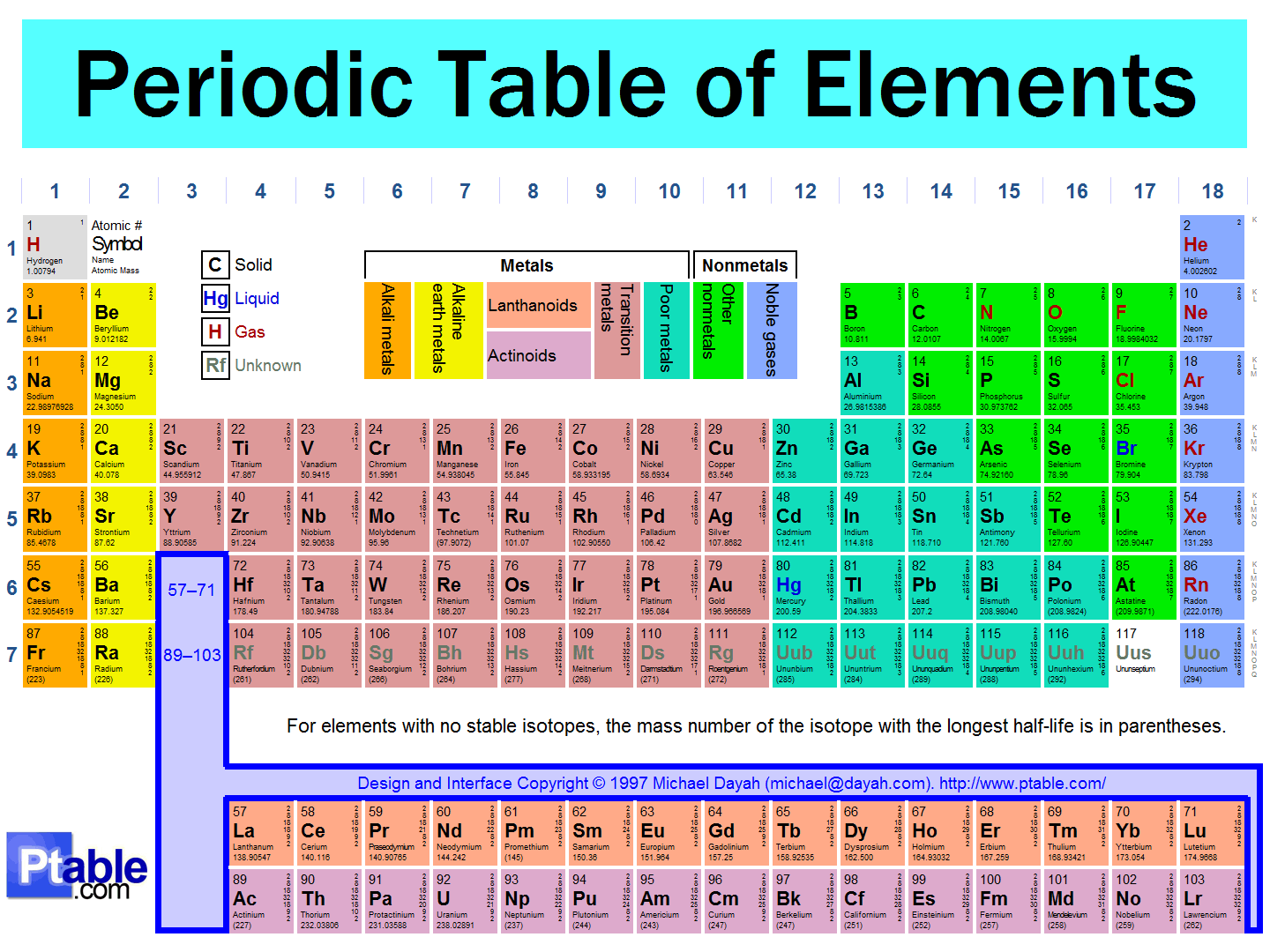
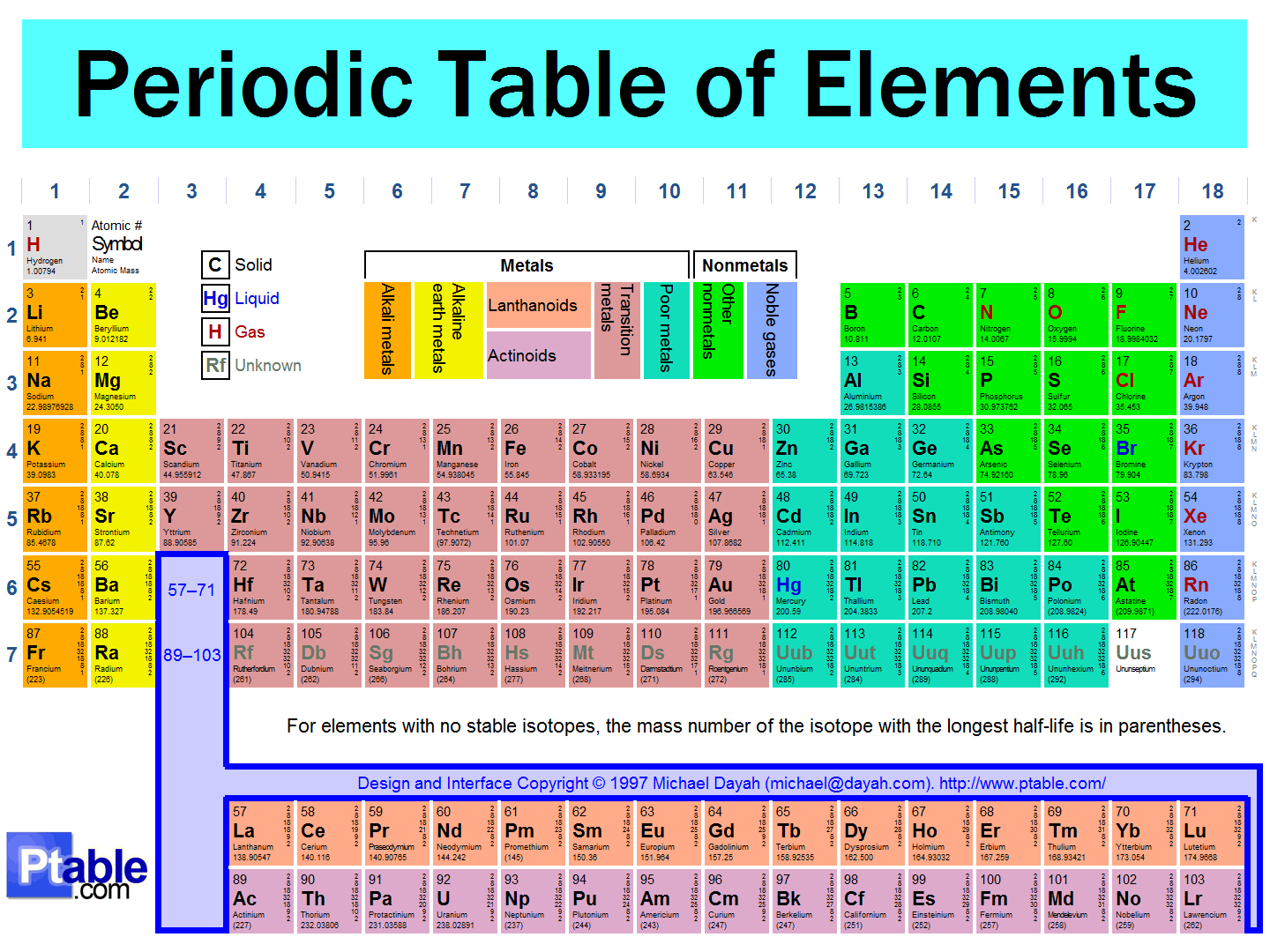
The vertical (up and down) columns in the Periodic Table are called
groups
towers
periods
atomic numbers
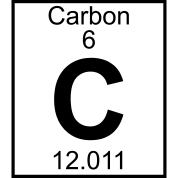
The letter, C, is a ... of carbon.
Name
Nickname
Chemical Symbol
Pseudonym
Which of the following are physical properties of metal?
Luster
Conductivity
Malleability
Ductility
True or False: The reactivity of metals tends to decrease as you move from left to right across the periodic table.
True
False
Name this group: These metals are the most reactive.


Name this group: These metals contain familiar metals such as gold, iron, and copper.


Name this group: These metals, located near the nonmetals, are never found uncombined in nature.


Which of the following could be properties of nonmetals?
Poor electrical conductivity
Poor thermal conductivity
Dullness
Brittleness
I am a metal
I am in group 2
I am in period 6
I am…
Mo
Re
S
Ba
I am a nonmetal
I am in period 2
I am in group 16/6A
Ba
Si
Ba
O
Find an element with similar chemical properties to Barium (Ba).
Ca an Ra, because they are in the same group and have similar chemical properties.
Cs and La, b/c they are in the same period number.
Ca and Y, b/c they are 90 degree angle and have similiar properties.



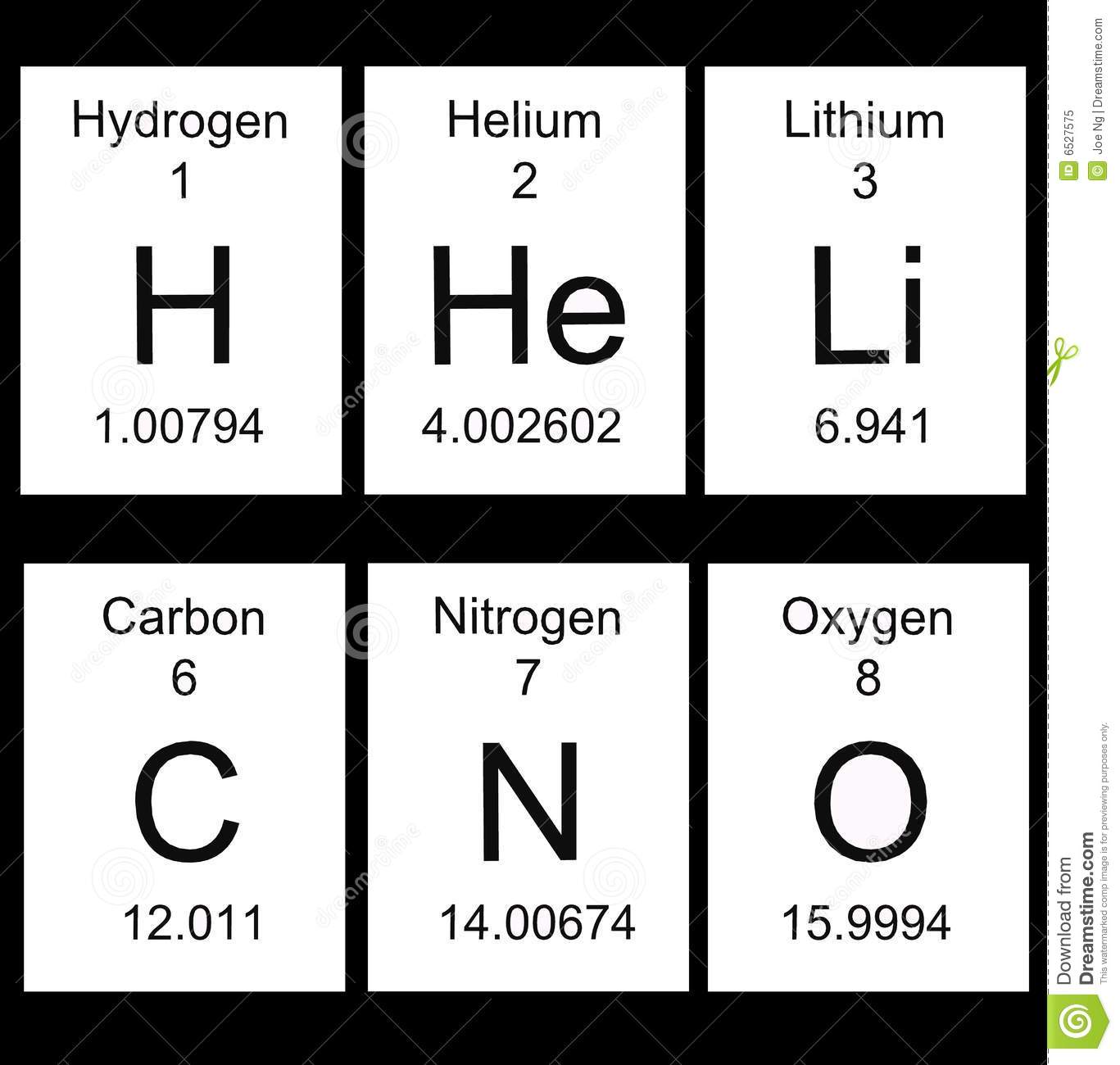
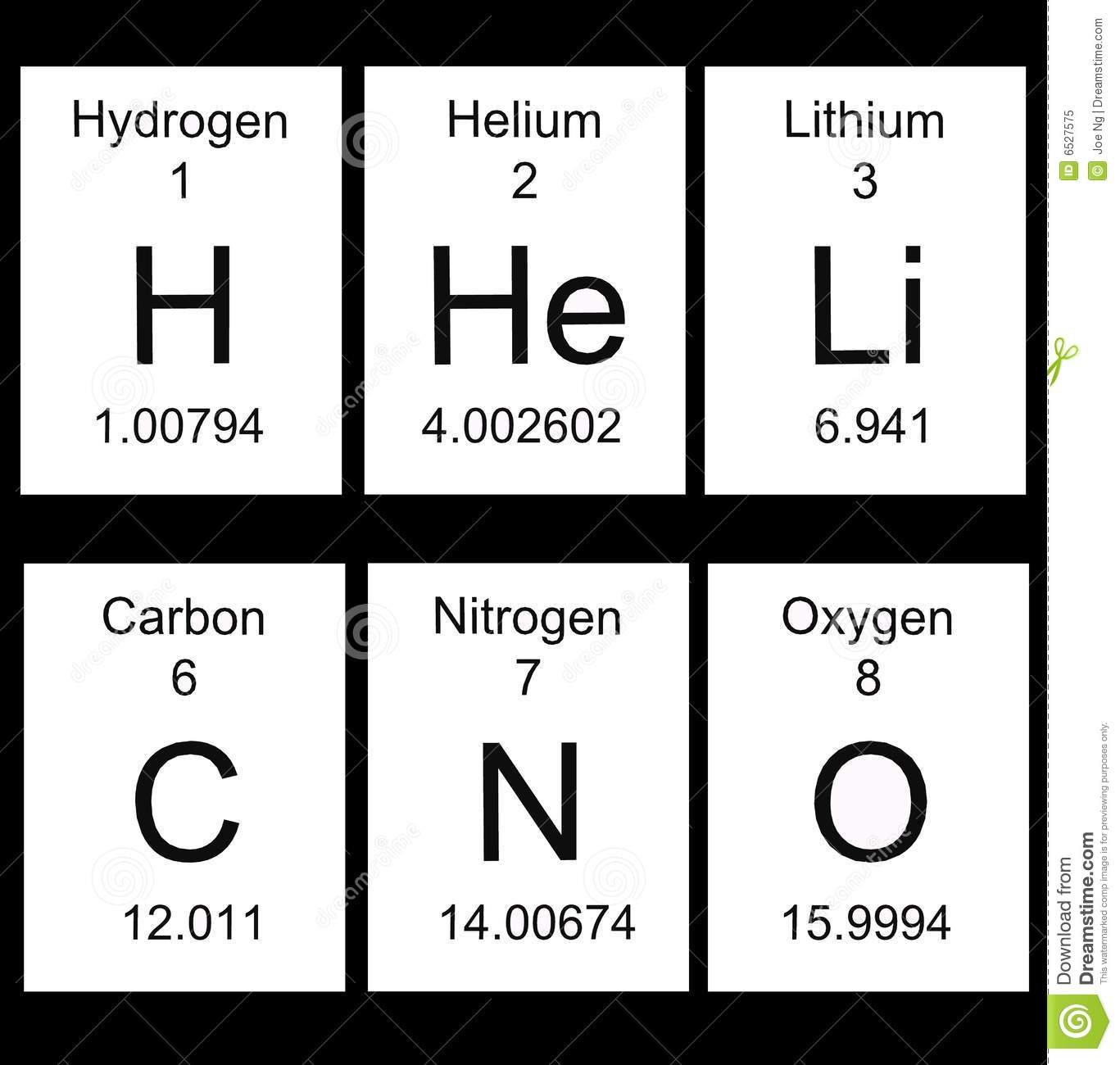
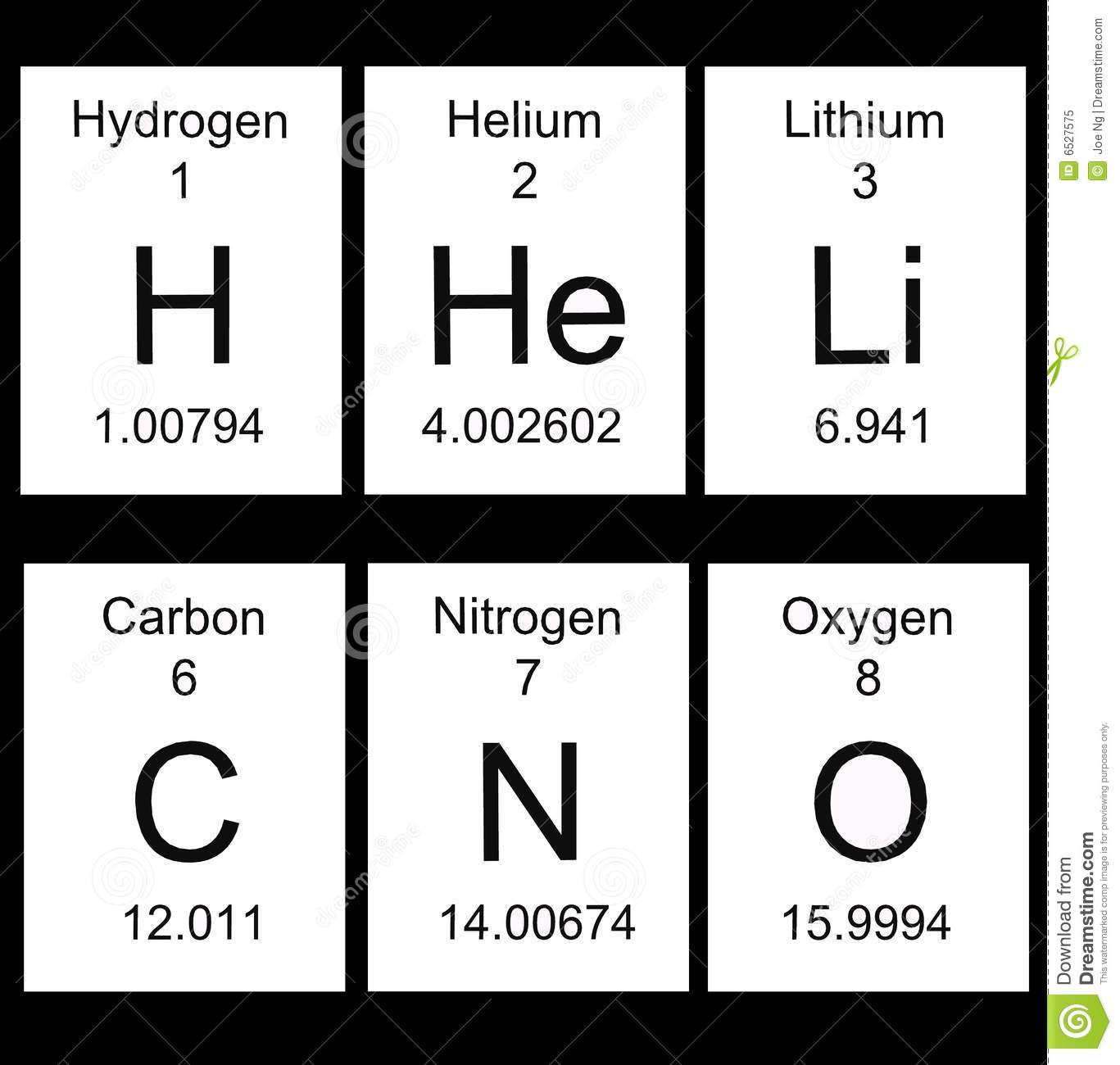





the basic structural unit of matter
atom
matter
element
nucleus
a collection of atoms of one type that cannot be broken down into simpler substances by ordinary chemical or physical means
element
subatomic particle
electron
matter
the positively charged subatomic particle contained in the nucleus of an atom
proton
neutron
electron
matter
a subatomic particle, contained in the nucleus of an atom, having the same mass as a proton but no electrical charge
proton
neutron
electron
matter
a negatively charged subatomic particle that orbits the nucleus of an atom
proton
neutron
electron
matter
a unique number for each element that equals the number of protons in an atom of that element
element name
element symbol
atomic number
atomic mass
the mass of an atom, calculated by adding the number of protons and neutrons in the nucleus of the atom
element name
element symbol
atomic number
atomic mass


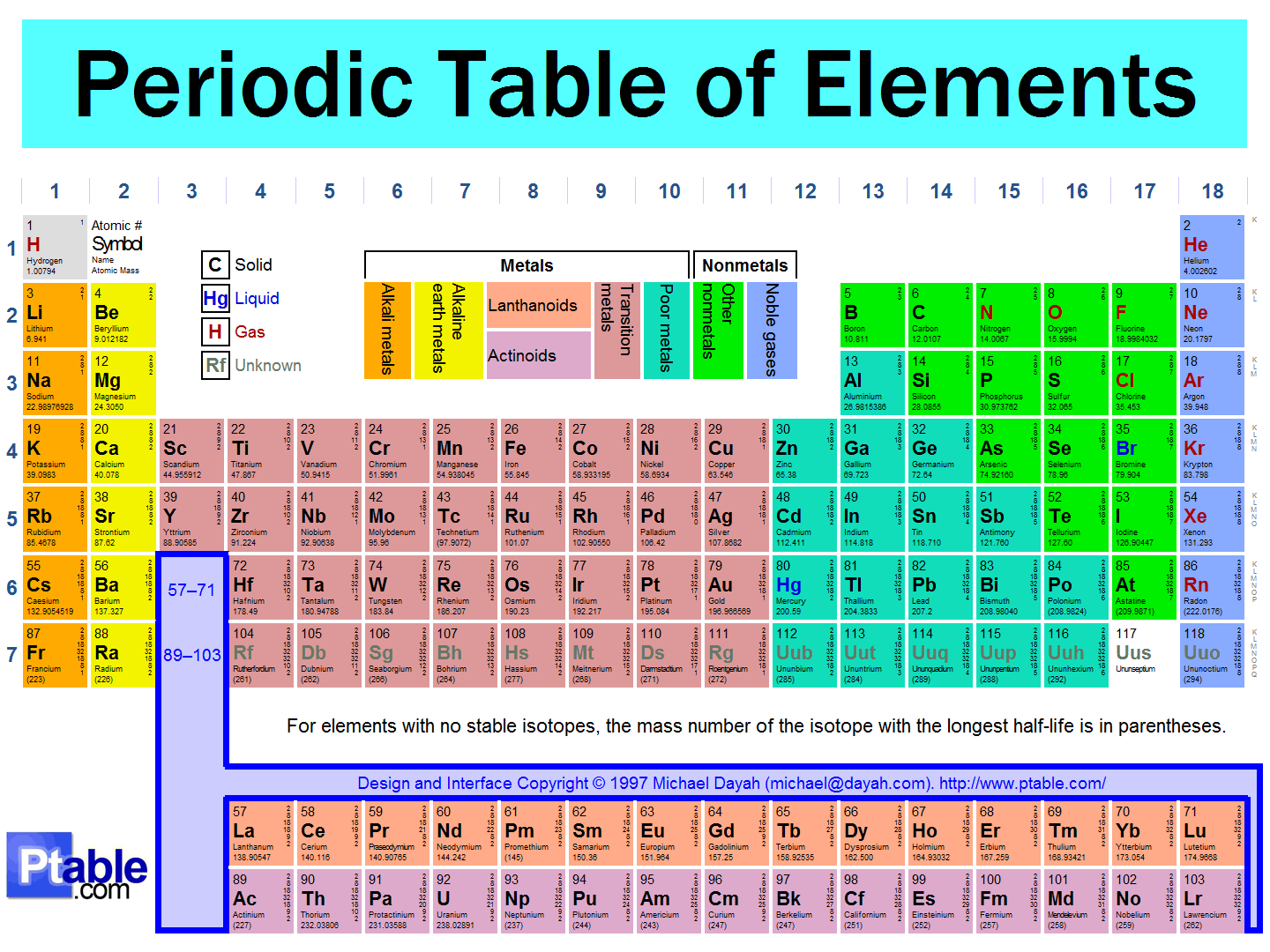
In 1869, Dmitri Mendeleev developed the first periodic table, organizing the elements according to atomic weight. When he ordered the elements, he noticed that there were patterns of repeating properties. The modern periodic table sequences elements from left to right by atomic number.
This was the first person to organize a periodic table.
Neils Bohr
Dmitri Mendeleev
Democritus
Ernest Rutherford
It stacks the elements in columns according to the number of valence electrons in an atom of the element. Valence electrons are those in the outermost shell of the atom and the ones that participate in reactions. The number of valence electrons is associated with the element’s reactivity. Elements with the same number of valence electrons behave in a similar way in reactions and so are grouped together in the same column on the periodic table.
What does the amount of valance electrons determine about an element?
Its row in the table.
Its atomic number.
Its atomic mass.
Its reactivity with other elements.
The maximum number of valence electrons an atom can have is eight, with the exception of helium, which can have only two. In each row, or period, of the periodic table, the last element on the right has the maximum number of valence electrons. Its outermost shell is full, and a new period in which the element on the far left has only one valence electron begins in the next row.
How do you determine how many valance electrons an element has?
Count how far over it is from the left in its row.
Count which row it is in.
They all have eight.
You can not determine this from the periodic table.
In the periodic table, similar elements are arranged in vertical columns called groups. Some of the major groups include Group 1: alkali metals; Group 2: alkaline earth metals; Group 17: halogens; and Group 18: noble gases. Elements within each group have similar properties and characteristic behaviors because of their similar numbers of valence electrons.
In what direction are groups arranged in the periodic table?
Side to side
Up and down.
Diagonally
In sections.
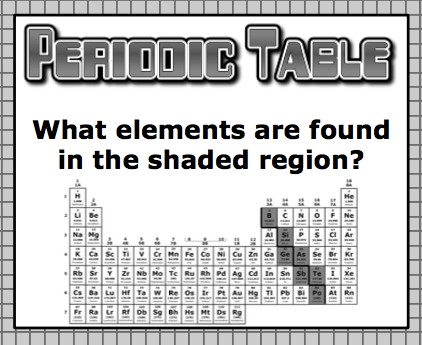
Carbon and silicon, however, are examples of non-metals that participate in covalent reactions. Metalloids are located in a zig-zagging line between the two other regions. Metalloids are solid semi-conductors. In contrast to metals and non-metals, metalloids participate in covalent reactions.
Where would you look on the table to find the mettaloids?
In a zigzag line on the right.
In column 17
On the bottom
On the top
The elements in groups 3-12 are called the transition metals. These are similar to the metals in that they are flexible and good conductors but different in that they have unique valence electron structure. They typically form coordinate complexes in which one atom is surrounded by several more in a large complex. Iron, gold, and copper are examples of transition metals.
Which group are the transition metals most like?
Metals, they are flexible and good conductors.
Non metals, they a unique valence electron structure.
Noble gases, they don't want to bond with anything else.
They are like both metals and non metals in some ways.

