
 Worksheets
Space, Earth, Sun and Moon Test Review
Total questions: 76
Worksheet time: 1hrs 6mins


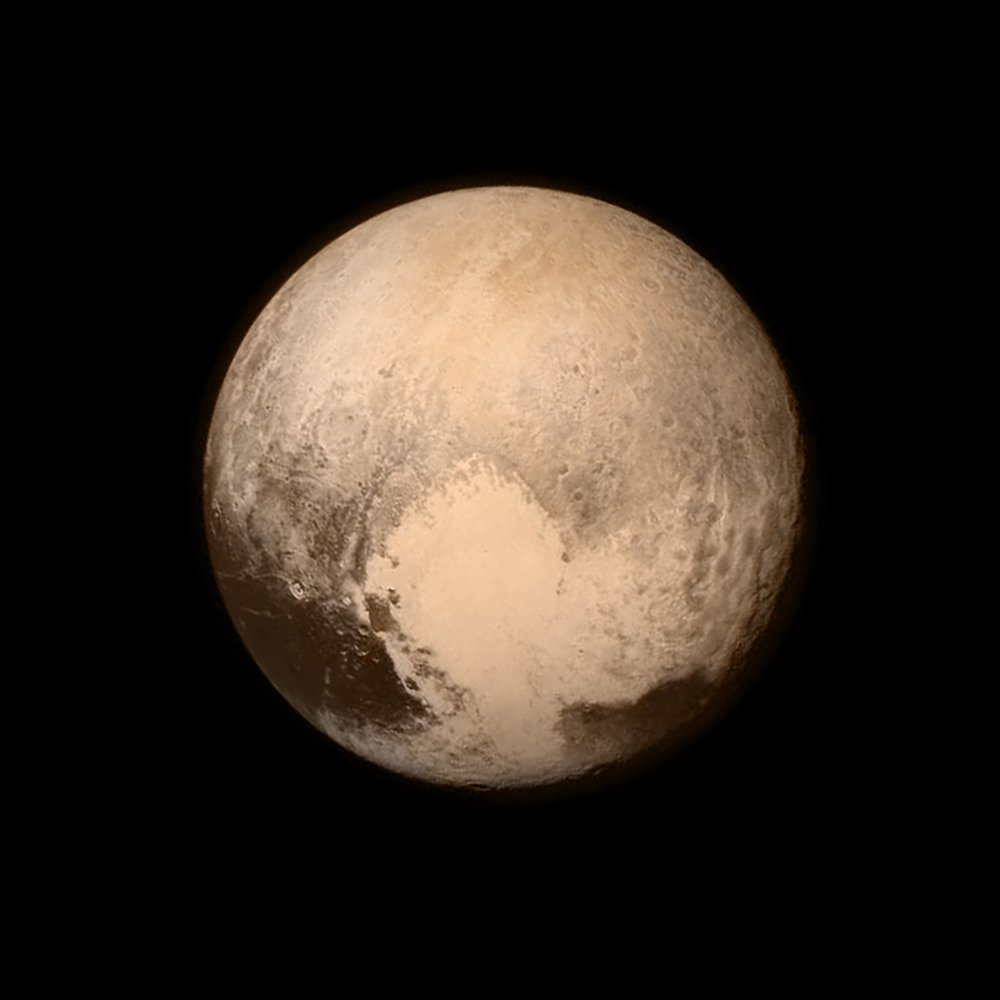
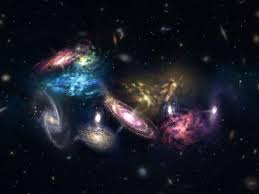
Galaxies are:
gropus of Asteroids
Groups of planets
Groups of stars, gas and dust.
Group of satellites
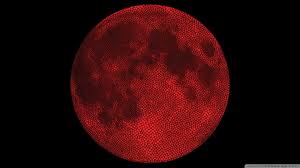
What´s the red planet ?
Mars
Saturn
Venus
Name for region containing all 8 planets, the sun, asteroids, and other celestial objects?
The Solar System
The Degoba System
Asteroid Belt
Kuiper Belt system
Which planet is the first (1st) from the Sun?


Which planet is the second (2nd) from the Sun?

Which planet is the third (3rd) from the Sun?


Which planet is the fifth (5th) from the Sun?

Which planet is the sixth (6th) from the Sun?

Which planet is the seventh (7th) from the Sun?


Which planet is the eighth (8th) from the Sun?
Which planet is the fourth (4th) from the Sun?
What is the center of our Solar System?

When Earth spins, it turns around an imaginary line called a(n)
rotation
axis
orbit
ellipse
Which planet is an inner planet?
Uranus
Venus
Saturn
Neptune
Which planet is the solar system's largest rocky planet?
Mars
Earth
Mercury
Jupiter
Why does the sun seem to change position in the sky?
Earth's rotation
Earth's orbit
The sun's rotation
The sun's orbit
What causes it to appear as if the sun rises and sets each day?
Earth's gravity
The spinning motion of Earth
The revolution of the Earth around the sun
Earth's distance from the sun

The inner planets are:
Mars, Jupiter, Saturn, Mercury
Mercury, Venus, Earth, Mars
Jupiter, Saturn, Uranus, Neptune
Earth, Mars, Jupiter, Saturn
The outer planets are:
Mercury, Venus, Earth, Mars
Earth, Mars, Jupiter, Saturn
Jupiter, Saturn, Uranus, Neptune
Mars, Jupiter, Saturn, Uranus
Which word describes the amount of moons found with the outer planets?
few
infinite
some
many
Which group of planets are colder?
inner
outer
Which group of planets are smaller?
inner
outer


Which phase of the moon is this?
Full Moon
New Moon
Waning Crescent
Waxing Gibbous

In what direction does the Sun appear to rise every morning?
North
East
West
South

How long is one Earth rotation?
1 year
365,25 days
1 day
26 hours

Why does the Sun appear to move across the sky during the day?
The Sun revolves around the Earth.
The Sun rotates on its axis.
The Earth revolves around the Sun.
The Earth rotates on its axis.

What causes the day/night cycle?
Earth turning on its axis.
Earth revolving around the Sun.
The Sun revolving around the Earth.
The Moon revolving around the Earth.

What is an imaginary line around which a sphere rotates?
Revolution
Rotation
Axis
Orbit

When we are on the part of Earth that does not get sun, we are experiencing ...
Daytime
Seasons
Nighttime
Solstice
Earth spinning on its own axis its called as ....
Rotation
Revolution
Simulation
Transformation


What is Earth's revolution?
The Earth spins on its own axis.
The Earth movement around the sun on its orbit.
The Earth movement around the sun on its axis.
The Earth spins on its own orbit.

In order to finish one complete revolution, Earth takes ... days.
1
365,25
24
366

If the Northern hemisphere have summer season we can assume that it will be obvious that in the Southern hemisphere will have ...
summer
winter
autumn
spring

The moon does not produce any light. Yet we can we see the moon in the sky. Why?
Moon reflecting Earth's light
Earth reflecting the Moon's light
Moon reflecting the Sun's light

What does the picture show?
Rotation
Revolution
season
orbit

The path that been used by Earth and also planets when they move around the Sun is also called as ....
Axis
Orbit
Equatorial
Polar

If Winter is at this position what season would be letter C?
Winter
Spring
Summer
Fall

Earth's Tilt causes...
Day and Night
Rotation
Orbiting
The Seasons

Which season generally has the coldest temperatures?
Fall
Spring
Winter
Summer

What season is the northern hemisphere in at position D
winter
spring
summer
fall

If it's spring in the northern hemisphere at V, what season will the northern hemisphere be in at X?
winter
spring
summer
fall
What causes a hemisphere to be in the summer season?
It's closer to the sun.
It's receiving the direct rays of the sun.
It's tilted away from the sun.
The axis is pointed towards the north star.


When it is summer for us in Vancouver, where would it be winter?


The half of Earth located below the equator
Northern Hemisphere
Southern Hemisphere

The model shows Earth in several positions relative to the Sun. In which position is it winter in North America?
Position 1, because North America receives the most direct sun.
Position 2, because North America is tilted toward the Sun.
Position 3, because North America is parallel to the Sun.
Position 4, because North America is tilted away from the Sun.

The diagram below shows the four positions in Earth's orbit around the Sun.
The Northern hemisphere experiences the beginning of Spring when the Earth is in ...
Position 1
Position 2
Position 3
Position 4


What is the phase of the Moon at position #5?
New Moon
Third Quarter Moon
First Quarter Moon
Full Moon
What is the correct phases of the Moon at position 3?
Waning Crescent
First Quarter (or Waxing Half)
Third Quarter (or Waning Half)
Waxing Gibbous

What is the name of our home galaxy?
The Universe
Milky Way
Andromeda
Solar System

