
Font size
 Worksheets
CBSE Board Class X Science Sample Paper - 3 Term 2_2
Total questions: 101
Worksheet time: 1hrs 9mins
An electric oven of 2kW power rating is operated in a domestic electric circuit that has a current rating of 5A. If the supply voltage is 220V, what result do you expect? Explain. What information is given in the numerical.
Power (P) = 2kw =2000W
Current (I) = 5A
Voltage (V) = 220V
Power = current × voltage
therefore P = I × V
Current = Power/voltage
I = P/V
I = 2000/220
I = 9.0909 A
As the amount of current flowing in the conductor is more than 5 A which is the safe limit, then the fuse will get broken and hence the circuit will get open.
An electric oven of 2kW power rating is operated in a domestic electric circuit that has a current rating of 5A. If the supply voltage is 220V, what result do you expect? Explain. What is the formula for power?
Power (P) = 2kw =2000W
Current (I) = 5A
Voltage (V) = 220V
Power = current × voltage
therefore P = I × V
Current = Power/voltage
I = P/V
I = 2000/220
I = 9.0909 A
As the amount of current flowing in the conductor is more than 5 A which is the safe limit, then the fuse will get broken and hence the circuit will get open.
An electric oven of 2kW power rating is operated in a domestic electric circuit that has a current rating of 5A. If the supply voltage is 220V, what result do you expect? Explain. How will you calculate Current?
Power (P) = 2kw =2000W
Current (I) = 5A
Voltage (V) = 220V
Power = current × voltage
therefore P = I × V
Current = Power/voltage
I = P/V
I = 2000/220
I = 9.0909 A
As the amount of current flowing in the conductor is more than 5 A which is the safe limit, then the fuse will get broken and hence the circuit will get open.
An electric oven of 2kW power rating is operated in a domestic electric circuit that has a current rating of 5A. If the supply voltage is 220V, what result do you expect? Explain. What is the value of current?
Power (P) = 2kw =2000W
Current (I) = 5A
Voltage (V) = 220V
Power = current × voltage
therefore P = I × V
Current = Power/voltage
I = P/V
I = 2000/220
I = 9.0909 A
As the amount of current flowing in the conductor is more than 5 A which is the safe limit, then the fuse will get broken and hence the circuit will get open.
An electric oven of 2kW power rating is operated in a domestic electric circuit that has a current rating of 5A. If the supply voltage is 220V, what result do you expect? Explain. When will the circuit will get open?
Power (P) = 2kw =2000W
Current (I) = 5A
Voltage (V) = 220V
Power = current × voltage
therefore P = I × V
Current = Power/voltage
I = P/V
I = 2000/220
I = 9.0909 A
As the amount of current flowing in the conductor is more than 5 A which is the safe limit, then the fuse will get broken and hence the circuit will get open.
If three resistors of 6 Ω, 7 Ω and 10 Ω are connected in series. Calculate the equivalent resistance in the circuit.


What is the equivalent or total resistance (Re) across this circuit?
3 kΩ
10 kΩ
13 kΩ
18 kΩ

Solve for the total resistance of the circuit shown
50 V
1970 ohms
705 K ohms
20 Amps

The method to solve for this scenario is known as the...
Product Over Sum Method
Reciprocal Method
Value Over Number Method
Scientific Method
The potential difference across each resistor will be different in a series combination.
True
False
Across resistor R1, potential difference will be V1; for R2, potential difference will be V2 and for R3, potential difference will be V3.
True
False
The current across the three resistors in a series combination will be the same, i.e. ‘I’.
True
False
Electro negativity.What is the first statement of the video clip?
Electronegativity: when two different atoms in a molecule are bonded together by a covalent bond the electron pair forming the bond is
not shared equally by both the atoms
in other words the shared pair of electrons do not lie in the middle of the molecules but shift towards the atom having greater electron affinity
the tendency of an atom to attract electrons to itself when combined in a
compound is called electronegativity
for example in the molecule of hydrogen chloride electron pair is attracted more towards chlorine
thus chlorine is more electronegative than hydrogen
Electro negativity.What is the second statement of the video clip?
the value of electronegativity depends upon the ionization potential and
electron affinity of the atom
in other words the shared pair of electrons do not lie in the middle of the molecules but shift towards the atom having greater electron affinity
the tendency of an atom to attract electrons to itself when combined in a
compound is called electronegativity
for example in the molecule of hydrogen chloride electron pair is attracted more towards chlorine
thus chlorine is more electronegative than hydrogen
Electro negativity.What is the third statement of the video clip?
the value of electronegativity depends upon the ionization potential and
electron affinity of the atom
in a polar covalent bond the shared pair of electrons is attracted by one of the atoms giving partial positive and negative charges to the two atoms
the tendency of an atom to attract electrons to itself when combined in a
compound is called electronegativity
for example in the molecule of hydrogen chloride electron pair is attracted more towards chlorine
thus chlorine is more electronegative than hydrogen
Electro negativity.What is the fourth statement of the video clip?
the value of electronegativity depends upon the ionization potential and
electron affinity of the atom
in a polar covalent bond the shared pair of electrons is attracted by one of the atoms giving partial positive and negative charges to the two atoms
small atoms attract electrons more than the large ones and are therefore more electronegative
for example in the molecule of hydrogen chloride electron pair is attracted more towards chlorine
thus chlorine is more electronegative than hydrogen
Electro negativity.What is the fifth statement of the video clip?
the value of electronegativity depends upon the ionization potential and
electron affinity of the atom
in a polar covalent bond the shared pair of electrons is attracted by one of the atoms giving partial positive and negative charges to the two atoms
small atoms attract electrons more than the large ones and are therefore more electronegative
low electronegativity is the characteristic of metals and high electronegativity is the characteristic of non-metals
thus chlorine is more electronegative than hydrogen
Electro negativity.What is the sixth statement of the video clip?
the value of electronegativity depends upon the ionization potential and
electron affinity of the atom
in a polar covalent bond the shared pair of electrons is attracted by one of the atoms giving partial positive and negative charges to the two atoms
small atoms attract electrons more than the large ones and are therefore more electronegative
low electronegativity is the characteristic of metals and high electronegativity is the characteristic of non-metals
electronegativity increases in going from left to right across the period
because atomic size decreases from left to right in a group
Electro negativity.What is the seventh statement of the video clip?
atomic size increases hence electronegativity decreases
in a polar covalent bond the shared pair of electrons is attracted by one of the atoms giving partial positive and negative charges to the two atoms
small atoms attract electrons more than the large ones and are therefore more electronegative
low electronegativity is the characteristic of metals and high electronegativity is the characteristic of non-metals
electronegativity increases in going from left to right across the period
because atomic size decreases from left to right in a group
Electro negativity.What is the eighth statement of the video clip?
atomic size increases hence electronegativity decreases
in a polar covalent bond the shared pair of electrons is attracted by one of the atoms giving partial positive and negative charges to the two atoms
small atoms attract electrons more than the large ones and are therefore more electronegative
low electronegativity is the characteristic of metals and high electronegativity is the characteristic of non-metals
electronegativity increases in going from left to right across the period
because atomic size decreases from left to right in a group
Electro negativity.What is the ninth statement of the video clip?
atomic size increases hence electronegativity decreases
in a polar covalent bond the shared pair of electrons is attracted by one of the atoms giving partial positive and negative charges to the two atoms
small atoms attract electrons more than the large ones and are therefore more electronegative
low electronegativity is the characteristic of metals and high electronegativity is the characteristic of non-metals
electronegativity increases in going from left to right across the period
because atomic size decreases from left to right in a group
Electro negativity.What is the tenth statement of the video clip?
atomic size increases hence electronegativity decreases
in a polar covalent bond the shared pair of electrons is attracted by one of the atoms giving partial positive and negative charges to the two atoms
small atoms attract electrons more than the large ones and are therefore more electronegative
low electronegativity is the characteristic of metals and high electronegativity is the characteristic of non-metals
electronegativity increases in going from left to right across the period
because atomic size decreases from left to right in a group
Electro negativity.What is the eleventh statement of the video clip?
atomic size increases hence electronegativity decreases
in a polar covalent bond the shared pair of electrons is attracted by one of the atoms giving partial positive and negative charges to the two atoms
small atoms attract electrons more than the large ones and are therefore more electronegative
low electronegativity is the characteristic of metals and high electronegativity is the characteristic of non-metals
electronegativity increases in going from left to right across the period
because atomic size decreases from left to right in a group
Which of the following is different with respect to physical appearance?
A. Arsenic
B. Phosphorus
C. Antimony
D. Bismuth
How is the family called for the element antimony?
Chalcogens
Halogens
Pnictogens
Noble gases
All the elements of Group 15/5A elements have ___ electrons in their valance shells
5
6
8
9
What are valence electrons?
The total number of electrons in an atom
The number of electrons in the outermost shell
The number of electrons in the second shell
The number of protons in the outermost shell


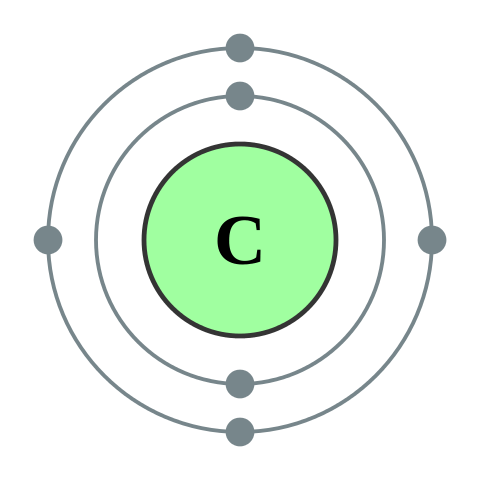
How many valence electrons does carbon have?
4
5
6
7
USE THE PERIODIC TABLE
How many valence electrons does Phosphorus have?
31
5
15
4
The period that an element is in, tells you what?
Number of protons
Number of electrons
Number of valence electrons
Number of shells


How many valence electrons does carbon have?
4
5
6
7

USE THE PERIODIC TABLE
How many valence electrons does sodium have?
1
2
3
4

USE THE PERIODIC TABLE
How many valence electrons does Phosphorus have?
31
5
15
4

USE THE PERIODIC TABLE
How many valence electrons does Phosphorus have?
31
5
15
4


Trends in periodic table Valency and its variation along groups and periods. What is the first statement of the video clip?
Hi everyone welcome to Win Point online classes
in this session we are going to discuss some of the important topics from the chapter periodic classification of elements. Let's start the discussion
the first topic is valency what you meant by valency we already learned about valency in the previous classes
valency is the combining capacity of an actor the combining capacity of an element is known as valency
let's see how we can find valence of an electron. For example phosphorus the symbol of phosphorus is P
Trends in periodic table Valency and its variation along groups and periods. What is the second statement of the video clip?
what is the atomic number of phosphorus. the atomic number
of phosphorus is 15 here we are writing atomic number of phosphorus is 15
in this session we are going to discuss some of the important topics from the chapter periodic classification of elements. Let's start the discussion
the first topic is valency what you meant by valency we already learned about valency in the previous classes
valency is the combining capacity of an actor the combining capacity of an element is known as valency
let's see how we can find valence of an electron. For example phosphorus the symbol of phosphorus is P
Trends in periodic table Valency and its variation along groups and periods. What is the third statement of the video clip?
what is the atomic number of phosphorus. the atomic number
of phosphorus is 15 here we are writing atomic number of phosphorus is 15
how we can write the electronic configuration of this atom? yes it will be 2 8 5 in the outermost shell the outermost shell is
also known as valence shell
the first topic is valency what you meant by valency we already learned about valency in the previous classes
valency is the combining capacity of an actor the combining capacity of an element is known as valency
let's see how we can find valence of an electron. For example phosphorus the symbol of phosphorus is P
Trends in periodic table Valency and its variation along groups and periods. What is the fourth statement of the video clip?
what is the atomic number of phosphorus. the atomic number
of phosphorus is 15 here we are writing atomic number of phosphorus is 15
how we can write the electronic configuration of this atom? yes it will be 2 8 5 in the outermost shell the outermost shell is
also known as valence shell
in the valence shell how many electrons are there are 5 electrons here you can see that there are 5 electrons in the
outermost shell
valency is the combining capacity of an actor the combining capacity of an element is known as valency
let's see how we can find valence of an electron. For example phosphorus the symbol of phosphorus is P
Trends in periodic table Valency and its variation along groups and periods. What is the fifth statement of the video clip?
what is the atomic number of phosphorus. the atomic number
of phosphorus is 15 here we are writing atomic number of phosphorus is 15
how we can write the electronic configuration of this atom? yes it will be 2 8 5 in the outermost shell the outermost shell is
also known as valence shell
in the valence shell how many electrons are there are 5 electrons here you can see that there are 5 electrons in the
outermost shell
why atoms are participating in chemical reaction? atoms are participating in chemical reaction to complete the octet in the outermost shell
let's see how we can find valence of an electron. For example phosphorus the symbol of phosphorus is P
Trends in periodic table Valency and its variation along groups and periods. What is the sixth statement of the video clip?
what is the atomic number of phosphorus. the atomic number
of phosphorus is 15 here we are writing atomic number of phosphorus is 15
how we can write the electronic configuration of this atom? yes it will be 2 8 5 in the outermost shell the outermost shell is
also known as valence shell
in the valence shell how many electrons are there are 5 electrons here you can see that there are 5 electrons in the
outermost shell
why atoms are participating in chemical reaction? atoms are participating in chemical reaction to complete the octet in the outermost shell
they need 8 electrons. if an atomis having 8 electrons in the outermost shell the atom will be stable here
Trends in periodic table Valency and its variation along groups and periods. What is the seventh statement of the video clip?
the configuration is 2 8 5 the outermost shell is having 5 electron to complete the octet
how we can write the electronic configuration of this atom? yes it will be 2 8 5 in the outermost shell the outermost shell is
also known as valence shell
in the valence shell how many electrons are there are 5 electrons here you can see that there are 5 electrons in the
outermost shell
why atoms are participating in chemical reaction? atoms are participating in chemical reaction to complete the octet in the outermost shell
they need 8 electrons. if an atomis having 8 electrons in the outermost shell the atom will be stable here
Trends in periodic table Valency and its variation along groups and periods. What is the eighth statement of the video clip?
the configuration is 2 8 5 the outermost shell is having 5 electron to complete the octet
phosphorus needs 3 electrons more then 3 is the valency the it is valency is the number of electrons required to complete the octet valency is 3
in the valence shell how many electrons are there are 5 electrons here you can see that there are 5 electrons in the
outermost shell
why atoms are participating in chemical reaction? atoms are participating in chemical reaction to complete the octet in the outermost shell
they need 8 electrons. if an atomis having 8 electrons in the outermost shell the atom will be stable here
Trends in periodic table Valency and its variation along groups and periods. What is the ninth statement of the video clip?
the configuration is 2 8 5 the outermost shell is having 5 electron to complete the octet
phosphorus needs 3 electrons more then 3 is the valency the it is valency is the number of electrons required to complete the octet valency is 3
now we can go for the next example sodium. what is the atomic number of sodium the atomic number of sodium is 11
why atoms are participating in chemical reaction? atoms are participating in chemical reaction to complete the octet in the outermost shell
they need 8 electrons. if an atomis having 8 electrons in the outermost shell the atom will be stable here
Trends in periodic table Valency and its variation along groups and periods. What is the tenth statement of the video clip?
the configuration is 2 8 5 the outermost shell is having 5 electron to complete the octet
phosphorus needs 3 electrons more then 3 is the valency the it is valency is the number of electrons required to complete the octet valency is 3
now we can go for the next example sodium. what is the atomic number of sodium the atomic number of sodium is 11
the quantification will be 2 8 1 right. how many electrons are there in the valence shell?
they need 8 electrons. if an atomis having 8 electrons in the outermost shell the atom will be stable here
Trends in periodic table Valency and its variation along groups and periods. What is the eleventh statement of the video clip?
the configuration is 2 8 5 the outermost shell is having 5 electron to complete the octet
phosphorus needs 3 electrons more then 3 is the valency the it is valency is the number of electrons required to complete the octet valency is 3
now we can go for the next example sodium. what is the atomic number of sodium the atomic number of sodium is 11
the quantification will be 2 8 1 right. how many electrons are there in the valence shell?
in the valence shell there is only one electron so it needs 7
electrons to complete the octet but no atom is going to give 7 electrons so the best idea is donate that electron
Trends in periodic table Valency and its variation along groups and periods. What is the twelfth statement of the video clip?
if the sodium is donating this one electron it will be having 2 8 8 electron and the outermost shell to complete the octet
phosphorus needs 3 electrons more then 3 is the valency the it is valency is the number of electrons required to complete the octet valency is 3
now we can go for the next example sodium. what is the atomic number of sodium the atomic number of sodium is 11
the quantification will be 2 8 1 right. how many electrons are there in the valence shell?
in the valence shell there is only one electron so it needs 7
electrons to complete the octet but no atom is going to give 7 electrons so the best idea is donate that electron
Trends in periodic table Valency and its variation along groups and periods. What is the thirteenth statement of the video clip?
if the sodium is donating this one electron it will be having 2 8 8 electron and the outermost shell to complete the octet
sodium will donate 1 electron so it will be the valence will be 1 so we can define valency it is a number of electrons required to complete the octet
now we can go for the next example sodium. what is the atomic number of sodium the atomic number of sodium is 11
the quantification will be 2 8 1 right. how many electrons are there in the valence shell?
in the valence shell there is only one electron so it needs 7
electrons to complete the octet but no atom is going to give 7 electrons so the best idea is donate that electron
Trends in periodic table Valency and its variation along groups and periods. What is the fourteenth statement of the video clip?
if the sodium is donating this one electron it will be having 2 8 8 electron and the outermost shell to complete the octet
sodium will donate 1 electron so it will be the valence will be 1 so we can define valency it is a number of electrons required to complete the octet
or it is a number of electron donated by an atom to complete the octet
the quantification will be 2 8 1 right. how many electrons are there in the valence shell?
in the valence shell there is only one electron so it needs 7
electrons to complete the octet but no atom is going to give 7 electrons so the best idea is donate that electron
Trends in periodic table Valency and its variation along groups and periods. What is the fifteenth statement of the video clip?
if the sodium is donating this one electron it will be having 2 8 8 electron and the outermost shell to complete the octet
sodium will donate 1 electron so it will be the valence will be 1 so we can define valency it is a number of electrons required to complete the octet
or it is a number of electron donated by an atom to complete the octet
some atom will donate electron and some atom will accept electron. the valency of an atom is depending upon the number of electrons in the outermost shell needs
in the valence shell there is only one electron so it needs 7
electrons to complete the octet but no atom is going to give 7 electrons so the best idea is donate that electron
Trends in periodic table Valency and its variation along groups and periods. What is the sixteenth statement of the video clip?
if the sodium is donating this one electron it will be having 2 8 8 electron and the outermost shell to complete the octet
sodium will donate 1 electron so it will be the valence will be 1 so we can define valency it is a number of electrons required to complete the octet
or it is a number of electron donated by an atom to complete the octet
some atom will donate electron and some atom will accept electron. the valency of an atom is depending upon the number of electrons in the outermost shell needs
valency depends on the number of electrons in the outermost shell. so what will be the change of this valency along the group and along the period let's check that
Trends in periodic table Valency and its variation along groups and periods. What is the seventeenth statement of the video clip?
now we are going to discuss the variation of balance down the group and across the period
sodium will donate 1 electron so it will be the valence will be 1 so we can define valency it is a number of electrons required to complete the octet
or it is a number of electron donated by an atom to complete the octet
some atom will donate electron and some atom will accept electron. the valency of an atom is depending upon the number of electrons in the outermost shell needs
valency depends on the number of electrons in the outermost shell. so what will be the change of this valency along the group and along the period let's check that
Trends in periodic table Valency and its variation along groups and periods. What is the eighteenth statement of the video clip?
now we are going to discuss the variation of balance down the group and across the period
here you can see the periodic table there are 18 groups and seven periods
or it is a number of electron donated by an atom to complete the octet
some atom will donate electron and some atom will accept electron. the valency of an atom is depending upon the number of electrons in the outermost shell needs
valency depends on the number of electrons in the outermost shell. so what will be the change of this valency along the group and along the period let's check that
Trends in periodic table Valency and its variation along groups and periods. What is the nineteenth statement of the video clip?
now we are going to discuss the variation of balance down the group and across the period
here you can see the periodic table there are 18 groups and seven periods
there are 18 groups and seven periods. we are going to consider the first group elements these are the first group elements what will be the valency of hydrogen?
some atom will donate electron and some atom will accept electron. the valency of an atom is depending upon the number of electrons in the outermost shell needs
valency depends on the number of electrons in the outermost shell. so what will be the change of this valency along the group and along the period let's check that
Trends in periodic table Valency and its variation along groups and periods. What is the Twentieth statement of the video clip?
now we are going to discuss the variation of balance down the group and across the period
here you can see the periodic table there are 18 groups and seven periods
there are 18 groups and seven periods. we are going to consider the first group elements these are the first group elements what will be the valency of hydrogen?
some atom will donate electron and some atom will accept electron. the valency of an atom is depending upon the number of electrons in the outermost shell needs
valency depends on the number of electrons in the outermost shell. so what will be the change of this valency along the group and along the period let's check that
Trends in periodic table Valency and its variation along groups and periods. What is the Twenty-First statement of the video clip?
now we are going to discuss the variation of balance down the group and across the period
here you can see the periodic table there are 18 groups and seven periods
there are 18 groups and seven periods. we are going to consider the first group elements these are the first group elements what will be the valency of hydrogen?
some atom will donate electron and some atom will accept electron. the valency of an atom is depending upon the number of electrons in the outermost shell needs
hydrogen; the group number of hydrogen is one do you know how we can find group number of an atom? first we need to write the electronic configuration after that we need to check the number of electrons in the valence shell
Trends in periodic table Valency and its variation along groups and periods. What is the Twenty-Second statement of the video clip?
if you don't know to find group and period of an atom you can
click on the link above then you can learn that
here you can see the periodic table there are 18 groups and seven periods
there are 18 groups and seven periods. we are going to consider the first group elements these are the first group elements what will be the valency of hydrogen?
some atom will donate electron and some atom will accept electron. the valency of an atom is depending upon the number of electrons in the outermost shell needs
hydrogen; the group number of hydrogen is one do you know how we can find group number of an atom? first we need to write the electronic configuration after that we need to check the number of electrons in the valence shell
Trends in periodic table Valency and its variation along groups and periods. What is the Twenty-Third statement of the video clip?
if you don't know to find group and period of an atom you can
click on the link above then you can learn that
again first we will write the electronic configuration then we will check the outermost electron if the number of electrons in the outermost shell is 1 the group will be 1
there are 18 groups and seven periods. we are going to consider the first group elements these are the first group elements what will be the valency of hydrogen?
some atom will donate electron and some atom will accept electron. the valency of an atom is depending upon the number of electrons in the outermost shell needs
hydrogen; the group number of hydrogen is one do you know how we can find group number of an atom? first we need to write the electronic configuration after that we need to check the number of electrons in the valence shell
Trends in periodic table Valency and its variation along groups and periods. What is the Twenty-Fourth statement of the video clip?
if you don't know to find group and period of an atom you can
click on the link above then you can learn that
again first we will write the electronic configuration then we will check the outermost electron if the number of electrons in the outermost shell is 1 the group will be 1
hydrogen lithium sodium all these elements are in Group 1. first group elements so all shells all atoms are having same number of valence electron one electron
some atom will donate electron and some atom will accept electron. the valency of an atom is depending upon the number of electrons in the outermost shell needs
hydrogen; the group number of hydrogen is one do you know how we can find group number of an atom? first we need to write the electronic configuration after that we need to check the number of electrons in the valence shell
Trends in periodic table Valency and its variation along groups and periods. What is the Twenty-Fifth statement of the video clip?
if you don't know to find group and period of an atom you can
click on the link above then you can learn that
again first we will write the electronic configuration then we will check the outermost electron if the number of electrons in the outermost shell is 1 the group will be 1
hydrogen lithium sodium all these elements are in Group 1. first group elements so all shells all atoms are having same number of valence electron one electron
hydrogen in the outermost shell there will be one electron. lithium in the outermost shell there will be one electron
hydrogen; the group number of hydrogen is one do you know how we can find group number of an atom? first we need to write the electronic configuration after that we need to check the number of electrons in the valence shell
Trends in periodic table Valency and its variation along groups and periods. What is the Twenty-Sixth statement of the video clip?
if you don't know to find group and period of an atom you can
click on the link above then you can learn that
again first we will write the electronic configuration then we will check the outermost electron if the number of electrons in the outermost shell is 1 the group will be 1
hydrogen lithium sodium all these elements are in Group 1. first group elements so all shells all atoms are having same number of valence electron one electron
hydrogen in the outermost shell there will be one electron. lithium in the outermost shell there will be one electron
sodium in the outermost shell there will be one electron because these elements are in first group what will be the valency of hydrogen it will be 1
Trends in periodic table Valency and its variation along groups and periods. What is the Twenty-Seventh statement of the video clip?
what will be the valency of lithium it will be 1; what will be the valency of sodium, it will be 1.
again first we will write the electronic configuration then we will check the outermost electron if the number of electrons in the outermost shell is 1 the group will be 1
hydrogen lithium sodium all these elements are in Group 1. first group elements so all shells all atoms are having same number of valence electron one electron
hydrogen in the outermost shell there will be one electron. lithium in the outermost shell there will be one electron
sodium in the outermost shell there will be one electron because these elements are in first group what will be the valency of hydrogen it will be 1
Trends in periodic table Valency and its variation along groups and periods. What is the Twenty-Eighth statement of the video clip?
what will be the valency of lithium it will be 1; what will be the valency of sodium, it will be 1.
so down the group the valency is not changing valency remains same because same number of electrons in the valence shell; same number of electrons in the outermost shell
hydrogen lithium sodium all these elements are in Group 1. first group elements so all shells all atoms are having same number of valence electron one electron
hydrogen in the outermost shell there will be one electron. lithium in the outermost shell there will be one electron
sodium in the outermost shell there will be one electron because these elements are in first group what will be the valency of hydrogen it will be 1
Trends in periodic table Valency and its variation along groups and periods. What is the Twenty-Ninth statement of the video clip?
what will be the valency of lithium it will be 1; what will be the valency of sodium, it will be 1.
so down the group the valency is not changing valency remains same because same number of electrons in the valence shell; same number of electrons in the outermost shell
now we can consider the second period elements. these are the second period elements lithium beryllium boron
carbon nitrogen oxygen fluorine neon
hydrogen in the outermost shell there will be one electron. lithium in the outermost shell there will be one electron
sodium in the outermost shell there will be one electron because these elements are in first group what will be the valency of hydrogen it will be 1
Trends in periodic table Valency and its variation along groups and periods. What is the Thirtieth statement of the video clip?
what will be the valency of lithium it will be 1; what will be the valency of sodium, it will be 1.
so down the group the valency is not changing valency remains same because same number of electrons in the valence shell; same number of electrons in the outermost shell
now we can consider the second period elements. these are the second period elements lithium beryllium boron
carbon nitrogen oxygen fluorine neon
what is the group number of lithium one right? the group number of lithium is 1 what is the period number of lithium 2. it is second period element which means lithium is having one electron in the outermost shell. the valency is one.
sodium in the outermost shell there will be one electron because these elements are in first group what will be the valency of hydrogen it will be 1
Trends in periodic table Valency and its variation along groups and periods. What is the Thirty-First statement of the video clip?
what will be the valency of lithium it will be 1; what will be the valency of sodium, it will be 1.
so down the group the valency is not changing valency remains same because same number of electrons in the valence shell; same number of electrons in the outermost shell
now we can consider the second period elements. these are the second period elements lithium beryllium boron
carbon nitrogen oxygen fluorine neon
what is the group number of lithium one right? the group number of lithium is 1 what is the period number of lithium 2. it is second period element which means lithium is having one electron in the outermost shell. the valency is one.
what about beryllium? period number is two. there is no change in the number of shell. the group number of lidium is one group number of beryllium is 2
Trends in periodic table Valency and its variation along groups and periods. What is the Thirty-First statement of the video clip?
what will be the valency of lithium it will be 1; what will be the valency of sodium, it will be 1.
so down the group the valency is not changing valency remains same because same number of electrons in the valence shell; same number of electrons in the outermost shell
now we can consider the second period elements. these are the second period elements lithium beryllium boron
carbon nitrogen oxygen fluorine neon
what is the group number of lithium one right? the group number of lithium is 1 what is the period number of lithium 2. it is second period element which means lithium is having one electron in the outermost shell. the valency is one.
what about beryllium? period number is two. there is no change in the number of shell. the group number of lidium is one group number of beryllium is 2
Trends in periodic table Valency and its variation along groups and periods. What is the Thirty-Second statement of the video clip?
which means in the outermost shell there are two electrons. the valence is two. it is going to donate these two electron so
valancy is 2
so down the group the valency is not changing valency remains same because same number of electrons in the valence shell; same number of electrons in the outermost shell
now we can consider the second period elements. these are the second period elements lithium beryllium boron
carbon nitrogen oxygen fluorine neon
what is the group number of lithium one right? the group number of lithium is 1 what is the period number of lithium 2. it is second period element which means lithium is having one electron in the outermost shell. the valency is one.
what about beryllium? period number is two. there is no change in the number of shell. the group number of lidium is one group number of beryllium is 2
Trends in periodic table Valency and its variation along groups and periods. What is the Thirty-Third statement of the video clip?
which means in the outermost shell there are two electrons. the valence is two. it is going to donate these two electron so
valancy is 2
what about boron? boron is in thirteenth group thirteenth group, means the number of electrons in the outermost shell is three. the valence will be three.
now we can consider the second period elements. these are the second period elements lithium beryllium boron
carbon nitrogen oxygen fluorine neon
what is the group number of lithium one right? the group number of lithium is 1 what is the period number of lithium 2. it is second period element which means lithium is having one electron in the outermost shell. the valency is one.
what about beryllium? period number is two. there is no change in the number of shell. the group number of lidium is one group number of beryllium is 2
Trends in periodic table Valency and its variation along groups and periods. What is the Thirty-Fourth statement of the video clip?
which means in the outermost shell there are two electrons. the valence is two. it is going to donate these two electron so
valancy is 2
what about boron? boron is in thirteenth group thirteenth group, means the number of electrons in the outermost shell is three. the valence will be three.
what about carbon? carbon is in 14th group fourteenth group means the number of electrons in the outermost shell is four which means the valency is four
what is the group number of lithium one right? the group number of lithium is 1 what is the period number of lithium 2. it is second period element which means lithium is having one electron in the outermost shell. the valency is one.
what about beryllium? period number is two. there is no change in the number of shell. the group number of lidium is one group number of beryllium is 2
Trends in periodic table Valency and its variation along groups and periods. What is the Thirty-Fifth statement of the video clip?
which means in the outermost shell there are two electrons. the valence is two. it is going to donate these two electron so
valancy is 2
what about boron? boron is in thirteenth group thirteenth group, means the number of electrons in the outermost shell is three. the valence will be three.
what about carbon? carbon is in 14th group fourteenth group means the number of electrons in the outermost shell is four which means the valency is four
what about nitrogen nitrogen is in 15th group number of electrons in the outermost shell is five if the electrons
number of electrons in the outermost shell is five; they are going to accept three electron to complete octet
what about beryllium? period number is two. there is no change in the number of shell. the group number of lidium is one group number of beryllium is 2
Trends in periodic table Valency and its variation along groups and periods. What is the Thirty-Sixth statement of the video clip?
which means in the outermost shell there are two electrons. the valence is two. it is going to donate these two electron so
valancy is 2
what about boron? boron is in thirteenth group thirteenth group, means the number of electrons in the outermost shell is three. the valence will be three.
what about carbon? carbon is in 14th group fourteenth group means the number of electrons in the outermost shell is four which means the valency is four
what about nitrogen nitrogen is in 15th group number of electrons in the outermost shell is five if the electrons
number of electrons in the outermost shell is five; they are going to accept three electron to complete octet
if it is more than four; the atoms are going to accept electron here. nitrogen is having five electron it is in 15th group.
Trends in periodic table Valency and its variation along groups and periods. What is the Thirty-Seventh statement of the video clip?
five electrons in the outermost shell which means the nitrogen is going to accept three electrons to complete the octet
what about boron? boron is in thirteenth group thirteenth group, means the number of electrons in the outermost shell is three. the valence will be three.
what about carbon? carbon is in 14th group fourteenth group means the number of electrons in the outermost shell is four which means the valency is four
what about nitrogen nitrogen is in 15th group number of electrons in the outermost shell is five if the electrons
number of electrons in the outermost shell is five; they are going to accept three electron to complete octet
if it is more than four; the atoms are going to accept electron here. nitrogen is having five electron it is in 15th group.
Trends in periodic table Valency and its variation along groups and periods. What is the Thirty-Eighth statement of the video clip?
five electrons in the outermost shell which means the nitrogen is going to accept three electrons to complete the octet
the valency is three valency of lithium is one; valency of Beryllium means two. valency of boron is three. valency of
carbon is four. valency of nitrogen is three so balance is increasing across the period up to four.
what about carbon? carbon is in 14th group fourteenth group means the number of electrons in the outermost shell is four which means the valency is four
what about nitrogen nitrogen is in 15th group number of electrons in the outermost shell is five if the electrons
number of electrons in the outermost shell is five; they are going to accept three electron to complete octet
if it is more than four; the atoms are going to accept electron here. nitrogen is having five electron it is in 15th group.
Trends in periodic table Valency and its variation along groups and periods. What is the Thirty-Ninth statement of the video clip?
five electrons in the outermost shell which means the nitrogen is going to accept three electrons to complete the octet
the valency is three valency of lithium is one; valency of Beryllium means two. valency of boron is three. valency of
carbon is four. valency of nitrogen is three so balance is increasing across the period up to four.
after that the valence is decreasing now we can we can check the valency of oxygen. oxygen is in 16th group sixteenth group means the number of electrons in the outermost shell is six.
what about nitrogen nitrogen is in 15th group number of electrons in the outermost shell is five if the electrons
number of electrons in the outermost shell is five; they are going to accept three electron to complete octet
if it is more than four; the atoms are going to accept electron here. nitrogen is having five electron it is in 15th group.
Trends in periodic table Valency and its variation along groups and periods. What is the Fortieth statement of the video clip?
five electrons in the outermost shell which means the nitrogen is going to accept three electrons to complete the octet
the valency is three valency of lithium is one; valency of Beryllium means two. valency of boron is three. valency of
carbon is four. valency of nitrogen is three so balance is increasing across the period up to four.
after that the valence is decreasing now we can we can check the valency of oxygen. oxygen is in 16th group sixteenth group means the number of electrons in the outermost shell is six.
six electron in the last shell; two electrons to complete the
octet. they are going to accept two electron valancy is 2
if it is more than four; the atoms are going to accept electron here. nitrogen is having five electron it is in 15th group.
Trends in periodic table Valency and its variation along groups and periods. What is the Forty-First statement of the video clip?
five electrons in the outermost shell which means the nitrogen is going to accept three electrons to complete the octet
the valency is three valency of lithium is one; valency of Beryllium means two. valency of boron is three. valency of
carbon is four. valency of nitrogen is three so balance is increasing across the period up to four.
after that the valence is decreasing now we can we can check the valency of oxygen. oxygen is in 16th group sixteenth group means the number of electrons in the outermost shell is six.
six electron in the last shell; two electrons to complete the
octet. they are going to accept two electron valancy is 2
what about fluorine? fluorine is 17th group element 17th group; means outermost electron is 7; one electron to complete the octet valence will be 1
Trends in periodic table Valency and its variation along groups and periods. What is the Forty-Second statement of the video clip?
what about neon? neon is in 18th group. 18th group means the
number of electrons in the outermost shell is 8, so the valency is 0
the valency is three valency of lithium is one; valency of Beryllium means two. valency of boron is three. valency of
carbon is four. valency of nitrogen is three so balance is increasing across the period up to four.
after that the valence is decreasing now we can we can check the valency of oxygen. oxygen is in 16th group sixteenth group means the number of electrons in the outermost shell is six.
six electron in the last shell; two electrons to complete the
octet. they are going to accept two electron valancy is 2
what about fluorine? fluorine is 17th group element 17th group; means outermost electron is 7; one electron to complete the octet valence will be 1
Trends in periodic table Valency and its variation along groups and periods. What is the Forty-Third statement of the video clip?
what about neon? neon is in 18th group. 18th group means the
number of electrons in the outermost shell is 8, so the valency is 0
so valence is increasing up to 4 and it is decreasing to zero now we can write the same valency
after that the valence is decreasing now we can we can check the valency of oxygen. oxygen is in 16th group sixteenth group means the number of electrons in the outermost shell is six.
six electron in the last shell; two electrons to complete the
octet. they are going to accept two electron valancy is 2
what about fluorine? fluorine is 17th group element 17th group; means outermost electron is 7; one electron to complete the octet valence will be 1
Trends in periodic table Valency and its variation along groups and periods. What is the Forty-Fourth statement of the video clip?
what about neon? neon is in 18th group. 18th group means the
number of electrons in the outermost shell is 8, so the valency is 0
so valence is increasing up to 4 and it is decreasing to zero now we can write the same valency
valency remains the same down the group valency increases up to 4 then decreases to 0 in moving left to right along a period
six electron in the last shell; two electrons to complete the
octet. they are going to accept two electron valancy is 2
what about fluorine? fluorine is 17th group element 17th group; means outermost electron is 7; one electron to complete the octet valence will be 1
Trends in periodic table Valency and its variation along groups and periods. What is the Forty-Fifth statement of the video clip?
what about neon? neon is in 18th group. 18th group means the
number of electrons in the outermost shell is 8, so the valency is 0
so valence is increasing up to 4 and it is decreasing to zero now we can write the same valency
valency remains the same down the group valency increases up to 4 then decreases to 0 in moving left to right along a period
six electron in the last shell; two electrons to complete the
octet. they are going to accept two electron valancy is 2
what about fluorine? fluorine is 17th group element 17th group; means outermost electron is 7; one electron to complete the octet valence will be 1
Trends in periodic table Valency and its variation along groups and periods. What is the Forty-sixth statement of the video clip?
what about neon? neon is in 18th group. 18th group means the
number of electrons in the outermost shell is 8, so the valency is 0
so valence is increasing up to 4 and it is decreasing to zero now we can write the same valency
valency remains the same down the group valency increases up to 4 then decreases to 0 in moving left to right along a period
six electron in the last shell; two electrons to complete the
octet. they are going to accept two electron valancy is 2
what about fluorine? fluorine is 17th group element 17th group; means outermost electron is 7; one electron to complete the octet valence will be 1
Trends in periodic table Valency and its variation along groups and periods. What is the Forty-Seventh statement of the video clip?
what about neon? neon is in 18th group. 18th group means the
number of electrons in the outermost shell is 8, so the valency is 0
so valence is increasing up to 4 and it is decreasing to zero now we can write the same valency
valency remains the same down the group valency increases up to 4 then decreases to 0 in moving left to right along a period
six electron in the last shell; two electrons to complete the
octet. they are going to accept two electron valancy is 2
what about fluorine? fluorine is 17th group element 17th group; means outermost electron is 7; one electron to complete the octet valence will be 1
Trends in periodic table Valency and its variation along groups and periods. What is the Forty-Seventh statement of the video clip?
what about neon? neon is in 18th group. 18th group means the
number of electrons in the outermost shell is 8, so the valency is 0
so valence is increasing up to 4 and it is decreasing to zero now we can write the same valency
valency remains the same down the group valency increases up to 4 then decreases to 0 in moving left to right along a period
six electron in the last shell; two electrons to complete the
octet. they are going to accept two electron valancy is 2
what about fluorine? fluorine is 17th group element 17th group; means outermost electron is 7; one electron to complete the octet valence will be 1

