
 Worksheets
Color, Reflection, Refraction, and Transmission of Light
Total questions: 52
Worksheet time: 30mins

1) Refraction happens when light______
bends as it enters a new medium
bounces back when it hits a surface
by a substance

Choose the word or words that correctly describe each object and how light behaves in the situation.
Opaque, reflection
Transparent
Translucent, passes through
a) Transparent, passes through, refraction

Identify the following image as or refraction.
Refraction
Reflection

Identify the following image as or refraction.
Refraction
Reflection

Which type of object blocks all light from going through?
Translucent
Opaque
Transparent

Which type of object scatters light as it passes through an only allows part of the light to shine through?
Opaque
Translucent
Transparent

Light shines clear through objects that are
Translucent
opaque
Transparent

The color that you see is the color that is ____.
refelcted
absorbed

If all light waves are reflected off an object, what color do we see?
Red
White
Black

If all light waves are absorbed by an object, what color do we see?
Blue
Black
White
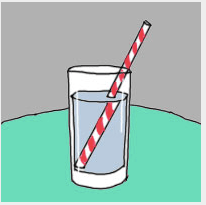
Why does the straw appear to be bent?
light is reflected
light is absorbed
light is turned
light is refracted
What do we call a material that light can travel through?
air
water
medium
pathway
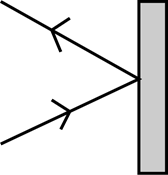
In the illustration, the light ray striking the object is-
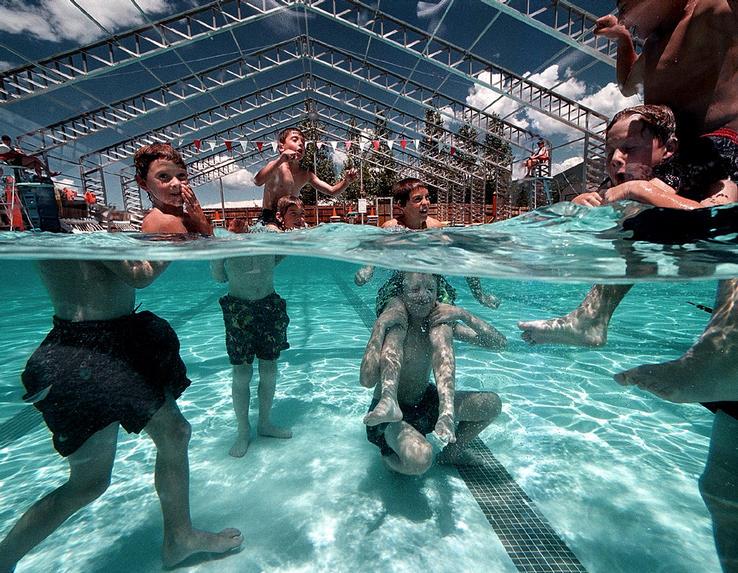
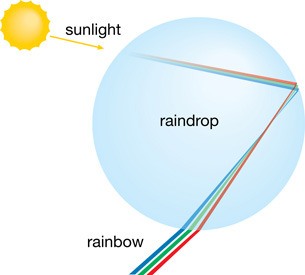
Reflection is when light...
Bends
Bounces
Absorbs
transmits
Refraction is when light...
Bounces
Transmits
Bends
Absorbs

What is happening in this picture?
Reflection
Refraction

What is happening in this picture?
Reflection
Refraction


What is the angle of incidence?
The angle at which light bends in water.
The angle at which light hits a surface.
The angle at which light is absorbed by an object.
The angle at which light bounces off a surface.
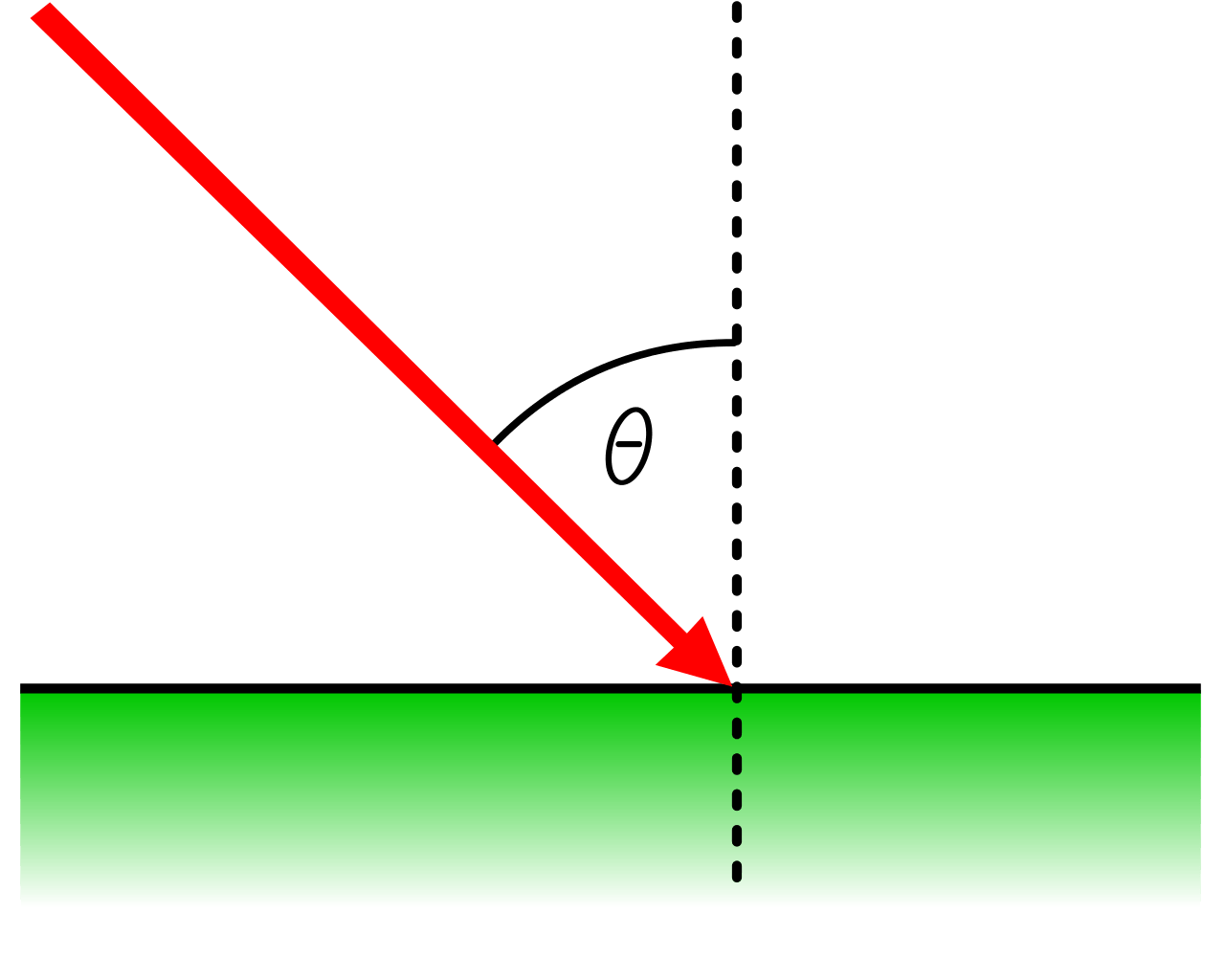


What is the angle of reflection (θr) in the image?
56o
90o
124o
34o
A beam of light bends when it passes from air into water, and more when it passes from water into glass. What can you conclude from this fact?
Air is denser than glass
Water is denser than glass
Glass is denser than water
Air is denser than water
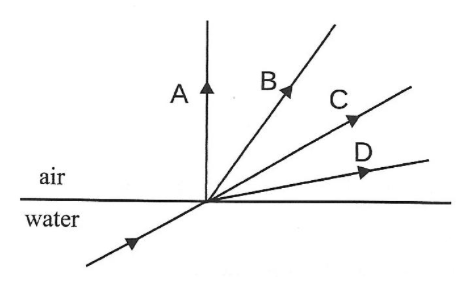
A light ray is incident from water to air. Which of the refracted rays is correct?
A
B
C
D

On the electromagnetic spectrum which electromagnetic wave has the highest frequency
Ultraviolet light
Gamma Ray
X-Ray
Microwave
Which electromagnetic wave has the second highest frequency on the electromagnetic spectrum?
X-Ray
Gamma Ray
Microwave
Ultraviolet
What is the third highest electromagnetic wave on the electromagnetic spectrum?
Gamma Ray
X-Ray
Ultraviolet
Visible Light
What is the fourth highest electromagnetic wave on the electromagnetic spectrum?
Microwave
Visible Light
Ultraviolet
Infrared
What is the third lowest electromagnetic wave on the electromagnetic spectrum?
Visible Light
Microwave
Radio Waves
Infrared
What is the second lowest electromagnetic wave on the electromagnetic spectrum?
Radio
Visible Light
Microwaves
Long Radio
What is the lowest electromagnetic wave on the electromagnetic spectrum?
Radio
Visible Light
X-Rays
Microwave
Which waves cause cataracts and skin cancer from overexposure to the sun?
Microwave
X-Ray
Gamma Ray
Ultraviolet Light
Which type of electromagnetic radiation is considered the most dangerous?
Gamma Ray
Infrared
X-Ray
Ultraviolet
1. Which type of electromagnetic radiation is produced by radioactive substances undergoing radioactive decay?
X-Ray
Gamma Ray
Infrared
Ultraviolet
1. Which type of electromagnetic radiation is most often associated with thermal energy?
Infrared
Microwave
Ultraviolet
Gamma Ray
What symbol is used for the speed of light?
(a)
TRUE or FALSE: red light waves are bigger than blue light waves.
True
False
Electromagnetic waves moving through the vacuum of space can vary in all of the following ways, EXCEPT:
frequency
energy
wavelength
speed
The prisms used in spectroscopy separate electromagnetic waves on the basis of:
size
energy
speed
frequency
All of the following waves are more energetic than visible light, EXCEPT:
radio waves
ultraviolet waves
X-rays
gamma rays
All of the following waves are longer than visible light waves, EXCEPT:
infrared waves
microwaves
TV waves
ultraviolet waves
When an electron leaves the __________ state, the difference in energy between the two states produces an electromagnetic wave.
ground
energy
solid
excited
Which of the following wavelengths in nanometers (nm) is most likely to have a green color?
400
680
540
720
Green plants convert light energy from the Sun into stored chemical energy through the process of photosynthesis by using green pigments like chlorophyll. These pigments:
absorb red light and reflect blue and green light
absorb green light and reflect red and blue light
reflect red light and absorb blue and green light
reflect green light and absorb red and blue light
reflect green light and red light, but absorb blue light
Which of the following electromagnetic waves is the slowest?
infrared waves
ultraviolet waves
X-rays
gamma rays
none of the above
Bats use ________ to locate mosquitoes in the air.
solar
ecology
echolocation
refraction

