
 Worksheets
APES Unit 8 Review - Aquatic and Terrestrial Pollution
Total questions: 58
Worksheet time: 1hrs 2mins
Endocrine disruptors cause the following impacts to organisms
increased respiratory rate
damage to the cardiovascular system
increased size of individual organisms
birth defects and cancer
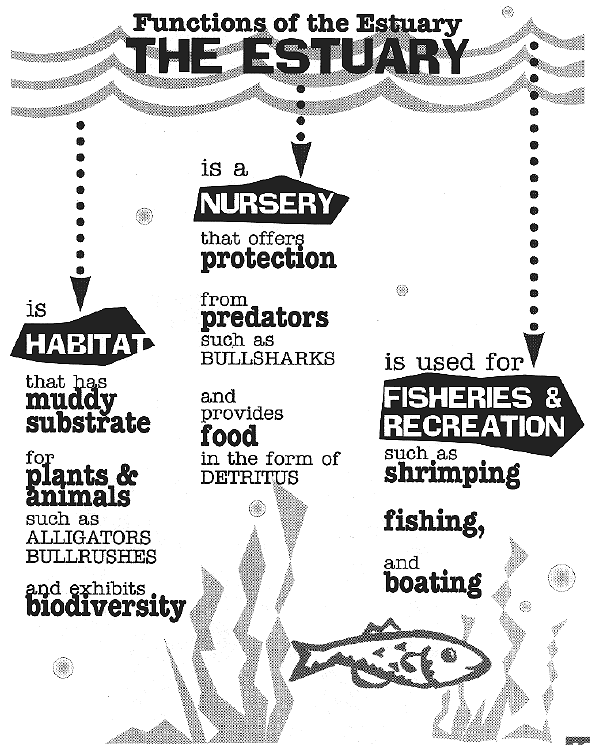
Aquatic ecosystem that serves as a nursery for many species and suffers from pollution from city harbors like the Chesapeake Bay
estuaries
coral reefs
open ocean
wetlands
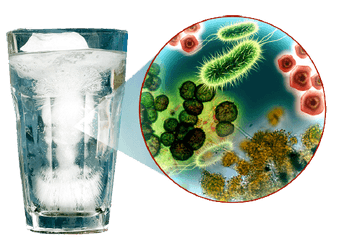
Presence of fecal coliform bacteria suggests that
a factory polluted the river
a nearby treatment plant added chlorine to the waste water
the water is safe for drinking
untreated animal waste contaminated the water
Which of the following describe the relationship between D.O. and B.O.D.?
When D.O. decreases, the B.O.D. decreases
When D.O. decreases, the B.O.D. increases
When B.O.D. decreases, the D.O. decreases
When B.O.D. increases, the D.O. decreases
Which water quality test will best determine the disruption of photosynthesis caused by cloudy water conditions from sedimentation?
Temperature
Salinity
Dissolved oxygen
pH
Turbidity
The process of human activities in urban or agricultural areas that load nutrients into surface bodies of water is known as
artificial fertilization
cultural eutrophication
thermal pollution
lake stratification
synthetic primary productivity
Which of the following is a point-source pollutant?
Sediment loading from erosion
Runoff of pesticides from croplands
Animal wastes from feedlots
Fertilizer runoff from urban areas
A sewage treatment plant effluent pipe
Which of the following river conditions would yield the highest dissolved oxygen content?
Fast-moving cold water, large amounts of submerged vegetative biomass
Stagnant, warm water with large clumps of algae
Slow- moving warm waters, low amounts of submerged vegetative biomass
Warm water with little vegetative biomass
What is the danger in eating large fish like tuna and shark?
They may be invasive species.
If abundant, they may lead to a crash in other species.
If they are high on the food chain they may contain high levels of mercury or POP's like PCB's
They may contain too many nutrients from fertilizers.
Organic matter like yard waste in landfills is a problem primarily because
there is a high risk of toxic leaching
it contains bacteria that spreads disease
as it breaks down it can dissolve the containment
it produces methane gas

Eutrophication is
too few nutrients in a body of water.
too many nutrients in a body of water.
high acid levels in a body of water.
high alkalinity levels in a body of water.
Eutrophication is caused by...
fossil fuel burning in power plants.
automobiles burning fossil fuels.
over fertilizing farm fields.
limestone rocks in a body of water.
Chemicals that contribute to eutrophication include... (pick all that apply)
dissolved Oxygen.
phosphates.
nitrates.
sulfuric acid.
Nutrients cause what effect in our creeks and rivers?
limestone to disappear.
dissolved Oxygen levels to rise.
algae to grow more rapidly.
bacteria populations to decrease.
When nutrient levels rise to high levels in a body of water, the effect on dissolved Oxygen levels is...
decreases.
increases.
does not change.
Which is the correct order of changes that occur during eutrophication?
Aquatic plants cannot photosynthesize and die. Algal blooms blocks light from entering lower levels of a pond or lake. The fish and other aquatic organisms die. The bacteria decompose the algae, and they use up a lot of oxygen during this process. The algae die.
Algal blooms blocks light from entering lower levels of a pond or lake. Aquatic plants cannot photosynthesize and die. The algae die. The fish and other aquatic organisms die. The bacteria decompose the algae, and they use up a lot of oxygen during this process.
Algal blooms blocks light from entering lower levels of a pond or lake. Aquatic plants cannot photosynthesize and die. The algae die. The bacteria decompose the algae, and they use up a lot of oxygen during this process. The fish and other aquatic organisms die.
Aquatic plants cannot photosynthesize and die. Algal blooms blocks light from entering lower levels of a pond or lake. The bacteria decompose the algae, and they use up a lot of oxygen during this process. The algae die. The fish and other aquatic organisms die.
In eutrophication, dissolved oxygen levels decrease because
decomposers use it in cellular respiration
algae bloom and use it up
plant nutrients react with the dissolved oxygen
fish use it up
Which organisms are most affected by bioaccumuation?
Top predators
Producers
Primary Consumers
Herbivores
If a paper mill dumps a lot of paper waste into a nearby river all of the following are likely to happen EXCEPT:
Which of the following is a point-source pollutant?
Sediment loading from erosion
Runoff of pesticides from croplands
Animal wastes from feedlots
Fertilizer runoff from urban areas
A sewage treatment plant effluent pipe
The process of human activities in urban or agricultural areas that load nutrients into surface bodies of water is known as
artificial fertilization
cultural eutrophication
thermal pollution
lake stratification
synthetic primary productivity
Which of the following best describes the action of an endocrine disruptor?
An endocrine disruptor attacks hormones that invade a body system and cause disease.
An endocrine disruptor blocks the receptor protein binding site of a hormone so that the cell cannot receive a signal.
An endocrine disruptor acts as an organic catalyst, produced by living things to regulate the rate of chemical reactions.
An endocrine disruptor helps to transport substances, such as pesticides, in an organism following exposure.
Endocrine disruptors directly affect which of the following in an organism?
White blood cells
Hormones
Hemoglobin
Oxygen
Which of the following is the most likely consequence of runoff transporting chemicals that are endocrine disruptors to a pond?
Decreased turbidity in the pond
Increased frequency of birth defects in fish populations in the pond
Increased mutualistic relationships between fish and frog populations in the pond
Increased dissolved oxygen in the pond

Based on the image, which of the following conclusions can best be drawn to describe the conditions in the Long Island Sound?
The sound has high levels of dissolved oxygen as a result of storm water runoff from urban areas.
The sound has high levels of phosphorus and nitrogen from an increase in the number of producers.
The sound has large numbers of phytoplankton blooms that are decomposing and consumed by respiring bacteria.
The sound has high numbers of respiring fish populations and very low turbidity.
What is the first step in the water treatment process?
coagulation
filtration and removal of debris, sand, grit, etc.
flocs
concentation
Which substance is used in a sewage treatment system to kill harmful bacteria?
ammonia
chlorine
sand
soap
Solid waste:
Is natural capital that is not useful to humans
Is found in large amounts in sustainable societies
Decreases as populations grow
Is unwanted and discarded solid products
Municipal waste is to industrial waste as:
Toxic waste is to non-toxic waste
Trash from homes/office buildings is to waste from mining/agriculture/manufacturing
Waste from mining/agriculture/manufacturing is to trash from homes/office buildings
Waste from mining/agriculture/manufacturing is to trash from homes/office buildings
Sanitary landfills vs open dumps
Sanitary landfills: specially prepared facilities that meet certain standards for storing waste. Open dumps: large fields/holes where waste is deposited
Sanitary landfills: large fields/holes where waste is deposited. Open dumps: specially prepared facilities that meet certain standards for storing waste
Sanitary landfills: Produce CO2. Open dumps: do not produce CO2.
Sanitary landfills: unsustainable. Open dumps: Sustainable
Disadvantages of incineration:
Releases air pollutants
Cannot produce energy
Concentrates hazardous substances into ash
Inexpensive to build

