
 Worksheets
Module 2/3 Review
Total questions: 35
Worksheet time: 21mins
Name
Class
Date
1.

An individual belonging to a specific species
a)
Biotic
b)
Community
c)
Organism
d)
Reptile
2.

An area where an organism finds food, shelter and water in a specific arrangement
a)
niche
b)
biosphere
c)
biome
d)
habitat
3.
The living part of an ecosystem
a)
Biotic
b)
Abiotic
c)
Mother Earth
d)
Flowers
4.

The non-living part of an ecosystem
a)
Ocean
b)
Lava Flow
c)
Birds
d)
Abiotic
5.

The study of how living things interact with one another and with their environment.
a)
Biology
b)
Lithology
c)
Ecology
d)
Farmacology
6.
Two or more members of a particular species living and interacting in the same area
a)
Community
b)
Population
c)
Organisms
d)
Biosphere
7.

Different populations living and interacting with each other in the same area
a)
Biome
b)
Ecosystem
c)
Community
d)
Niche
8.

The area between the highest mountain and the deepest ocean where life can be found
a)
Biosphere
b)
Biome
c)
Farm
d)
Ecosystem
9.
What is the role of fungi in food webs?
a)
scavenger
b)
bacteria
c)
producer
d)
decomposer
10.
Nearly all energy that fuels life on Earth comes from
a)
water
b)
the soil
c)
the sun
d)
the air
11.
How do producers get the nutrients they need to survive?
a)
They obtain energy from eating other organisms.
b)
The break down and use the nutrients in dead organisms.
c)
They absorb nutrients from the atmosphere.
d)
They use energy from the sun to make food from water and carbon dioxide.
12.

A large increase in the number of birds in the food web would most likely result in
a)
a decrease in the number of grasshoppers.
b)
an increase in the number of grasshoppers.
c)
an increase in the number of producers and grasshoppers.
d)
a decrease in the number of producers.
13.

Identify a consumer in this food web that eats producers.
a)
grass
b)
squirrel
c)
vulture
d)
cougar
14.

What do the arrows in the diagram represent?
a)
flow of energy
b)
life cycle stages
c)
ecological succession
d)
renewable resource deletion
15.
Consumer that eats plants
a)
heterotroph
b)
herbivore
c)
producer
d)
community
16.
Series of steps in which organisms transfer energy by eating and being eaten
a)
foodweb
b)
consumer
c)
food chain
d)
omnivore
17.
Organisms that relies on other organisms for food; consumer
a)
herbivore
b)
decomposer
c)
heterotroph
d)
species
18.

What may happen if the snowshoe hare was removed from the food web pictured?
a)
The insects in the habitat would increase.
b)
The shrew population would decrease due to being only hawk food source.
c)
The willow tree population would decrease.
d)
Foxes would dies due to no food source.
19.

In the energy pyramid here, how much of the energy in the producers gets passed to the herbivores?
a)
10%
b)
20%
c)
80%
d)
90%
20.
Which of the following leads to a decrease in biodiversity?
a)
protection of ecosystems
b)
pollution control
c)
selective cutting
d)
introduction of exotic or invasive species
21.

What is the correct order for this food chain?
a)
Owl, Mouse, Grasshopper, Grass
b)
Grass, Mouse, Owl, Grasshopper
c)
Grass, Owl, Grasshopper, Mouse
d)
Grass, Grasshopper, Mouse, Owl
22.
Volcano erupting would be an example of what type of succession?
a)
Primary
b)
Secondary
c)
Tertiary
23.

symbiotic relationship in which both organisms benefit
a)
competition
b)
mutualism
c)
predation
d)
commensalism
24.
Which of the following illustrates the correct ordering of trophic levels?
a)
decomposers-carnivores-autotrophs-herbivores
b)
herbivores-autotrophs-carnivores-decomposers
c)
producers-herbivores-carnivores-decomposers
d)
carnivores-producers-omnivores
25.

Which organism recieves the least amount of energy from the producer?
a)
Owl
b)
Grasshopper
c)
Lilypad
d)
Mouse
26.
Which biome covers most of the land mass near the Earth's equator?
a)
tundra
b)
desert
c)
grassland
d)
tropical rainforest
27.
Which biome is characterized by low temperatures and low amounts of rainfall?
a)
tundra
b)
desert
c)
temperate deciduous forest
d)
tropical rain forest
28.
Which of the following is NOT an example of a biome?
a)
Desert
b)
Marine
c)
Freshwater
d)
Waterpark
29.
Grasslands are characterized by low amounts of rainfall, few trees, and lots of grass. Which of the following would be the primary inhabitants of the grasslands?
a)
Tree-dwelling primates
b)
Thick-furred mammals
c)
Large herbivores
d)
Water-conserving plants
30.
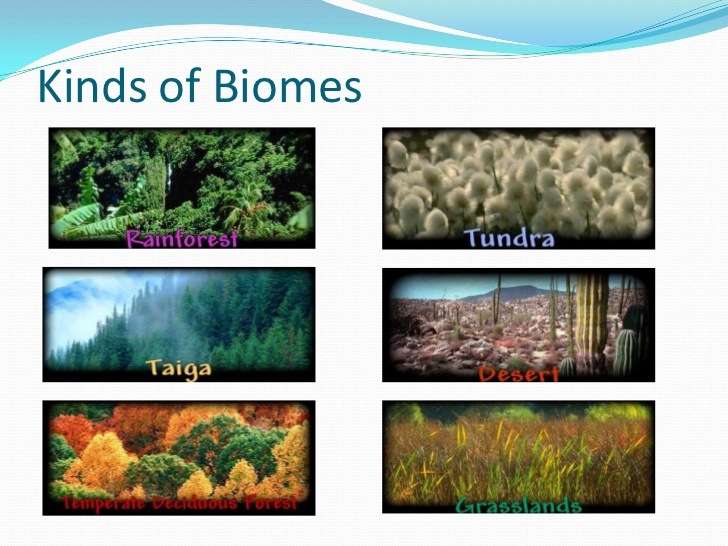
What is the main factor that separates the biomes?
a)
Land
b)
Water
c)
Climate
d)
Longitude
31.
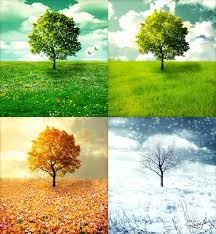
Which biome has 4 seasons?
a)
Taiga
b)
Tundra
c)
Grasslands
d)
Temperate Forest
32.

In which biome does an organism have to be able to conserve water to survive?
a)
Rainforest
b)
Taiga
c)
Desert
d)
Temperate Forest
33.
These are partially enclosed body of water where seawater is mixed with fresh water.
a)
Stream
b)
Estuary
c)
Watershed
d)
Swamp
34.
This is the zone that low tide exposes and high tide covers.
a)
Intertidal
b)
Pelagic
c)
Benthic
d)
Neritic
35.
What are the 2 types of aquatic biomes?
a)
rivers and streams
b)
lakes and oceans
c)
marine and fresh water
d)
marine and oceanic
100 %

