wayground logo

Free Printable Worksheets

NEW

Font size

S
M
L
XL
Worksheets

Human Body

Total questions: 37

Worksheet time: 3hrs 5mins

Name
Class
Date
1.

The digestive and respiratory systems pair together to ...

a)

bring carbon dioxide and wastes to cells for diffusion.

b)

bring oxygen and wastes to cells for diffusion.

c)

bring oxygen and nutrients to cells for cellular respiration.

d)

bring carbon dioxide and nutrients to cells for cellular respiration.

2.

The digestive and respiratory rely on the ___ systems to transport needed materials to the cells.

a)

circlatory and excretory

b)

circulatory and muscular

c)

nervous and digestive

d)

nervous and skeletal

3.

The immune system fights diseases. The circulatory system pairs with the immune system because ___.

a)

blood is made in the bones.

b)

plasma carries nutrients.

c)

red blood cells carry oxygen.

d)

white blood cells fight infection.

4.

Why are the lungs, the major organ of the respiratory system, also considered an excretory organ?

a)

They get rid of carbon dioxide, a cellular waste

b)

They get rid of oxygen, a cellular waste

c)

They get rid of urea, a cellular waste

d)

They get rid of salt, a cellular waste

5.

How do the skeletal and circulatory systems relate to each other?

a)

Bone marrow produces blood.

b)

The heart is made of cardiac muscle tissue.

c)

The heart is held in place in the chest by ligaments.

d)

The blood brings carbon dioxide and glucose to the cells of the bones.

6.

All organ systems have this at its most basic unit.

a)

Cells

b)

Neurons

c)

Tissues

d)

Organs

7.

What body system helps break down food?

a)

Respiratory System

b)

Digestive System

c)

Nervous System

d)

Circulatory System

8.

What body system transports nutrients & oxygen to and carbon dioxide and waste from the cells?

a)

Circulatory System

b)

Nervous System

c)

Digestive System

d)

Respiratory System

9.
Which representation would show the organization of life from simplest to the most complex?
a)
Heart muscle tissue, cardiovascular system, heart muscle tissue
b)
cardiovascular system, heart muscle cells, heart muscle tissue
c)
cardiovascular system, heart tissue, heart cells
d)
Heart muscle cells - heart muscle tisse, heart, cardiovascular system
10.
As part of the skeletal system, bones do all of the following except
a)
protect organs
b)
store calcium
c)
make nerve cells
d)
make blood
11.

What 2 systems: Absorb and deliver the digested nutrients to the cells

a)

Digestive and muscular

b)

Muscular and lymphatic

c)

Digestive and circulatory

d)

Nervous and skeletal

12.

Which of the following is carried by a red blood cell throughout the body?

a)

Glucose

b)

Carbon Dioxide

c)

Oxygen

d)

Both Carbon Dioxide AND Oxygen

13.

Which of the following is NOT TRUE about our body's systems?

a)

The digestive system provides the energy that the muscular system needs to move and function

b)

The circulatory system brings the red blood cells to the lungs so that carbon dioxide can be dropped off and oxygen picked up

c)

The skeletal systems sends signals throughout the entire body.

d)

The muscular system helps us walk, move and sit up

14.
Which two body systems work together to break down food into energy and rid the body of the waste produced during this process?
a)
Skeletal and endocrine
b)
Digestive and excretory
c)
Nervous and immune
d)
Muscular and skeletal
15.
Which two body systems work together to bring about reproduction in humans?
a)
Integumentary and skeletal
b)
Endocrine and reproductive
c)
Nervous and digestive
d)
Immune and muscular
16.

Why are the lungs, the major organ of the respiratory system, also considered an excretory organ?

a)

They get rid of carbon dioxide, a cellular waste

b)

They get rid of oxygen, a cellular waste

c)

They get rid of urea, a cellular waste

d)

They get rid of salt, a cellular waste

17.
A student studying interactions between body systems constructs this table. The student plans to fill out the table with phrases that describe an interaction between each pair of systems. 
Which of these phrases could be placed in the position marked with an X? 
a)
Provides nutrients to kidney cells
b)
Provides nutrients to brain cells
c)
Provides nutrients to nerve cells
d)
Provides nutrients to muscle cells 
18.
The picture shows bean-shaped glands called nodes. The clusters of cells in nodes include macrophages that break down viruses and other potentially harmful materials. Nodes also contain cells that produce protein particles capable of capturing harmful materials that flow in tissue fluid through the nodes. Different parts of the body are drained by nodes in different regions of the body.
Which body systems are directly responsible for regulating these nodes and protecting the body from harmful materials in tissue fluid?
a)
Immune and lymphatic systems
b)
Digestive and nervous systems
c)
Endocrine and digestive systems
d)
Circulatory and nervous systems
19.
 The surface of the stomach is lined with epithelial cells called surface mucous cells. These cells produce a thick mucus that coats the epithelium on the inside surface of the stomach. What is the purpose of the mucous coating?
a)
It allows the epithelium to aid in the process of digestion.
b)
It causes the epithelium to expand as food enters the stomach.
c)
It protects the epithelium from the acid content of the stomach.
d)
It traps nutrients inside the epithelium as food passes through the stomach
20.
Scientists studying illnesses caused by chemically contaminated food conduct research to minimize the effects of these diseases on society. These chemicals harm the body through interactions between the digestive system and the immune system. Scientists conducting this research are likely to describe which of these interactions between the digestive and immune systems? 
a)
Chemicals enter the immune system through a break in the skin. The chemical contamination is then passed to the digestive system by the circulatory system.
b)
The immune system transforms the chemicals in the contaminated foods into harmless chemicals. These harmless chemicals are then broken down by the digestive system.
c)
When contaminated foods are eaten, the immune system prevents the chemicals from entering the digestive system.
d)
Chemicals enter the digestive system through contaminated foods. Once in the body, the chemical contaminants impair the body’s ability to fight off infectious diseases.
21.
As part of the skeletal system, bones do all of the following except
a)
protect organs
b)
store calcium
c)
make nerve cells
d)
make blood
22.

What 2 systems: Allows for movement

a)

Muscular and Skeletal

b)

Endocrine and Skeletal

c)

Nervous and Circulatory

d)

Integumentary and Reproductive

23.

What 2 systems: Allow organs to contract and push food through

a)

Muscular and Skeletal

b)

Excretory and Muscular

c)

Endocrine and Muscular

d)

Muscular and Digestive

24.

Which two systems interact so the kidneys filter cellular waste out of blood for removal?

a)

circulatory and endocrine

b)

respiratory and circulatory

c)

digestive and respiratory

d)

circulatory and urinary

25.

When your body comes in contact with a sharp object, an impulse sent you your brain triggers a reflex that causes you to move away from the object. What body systems are interacting to cause this response?

a)

Nervous, Respiratory,

b)

Nervous, Muscular

c)

Nervous, Skeletal

d)

Nervous, Digestive

26.
What is a group of cells that are alike and work together?
a)
a cell team
b)
a tissue
c)
a cell family
d)
a system
27.
A group of tissues that work together is a(n) ______________________.
a)
cell
b)
organ
c)
organ system
d)
organism
28.
Organs that work together are part of a(n) ________________________.
a)
cells
b)
tissue
c)
organ system
d)
organism
29.
Food is broken down to supply energy for your body in the ____________
a)
digestive system
b)
endocrine system
c)
excretory system
d)
reproductive system
30.
Which organ system removes cellular wastes as the result of cellular respiration?
a)
nervous
b)
digestive
c)
excretory
d)
circulatory
31.
What is the main function of the nervous system?
a)
Responsible for control of the body and communication among body parts
b)
Responsible for production of offspring
c)
Helps to rid the body of toxins, water, and other unwanted materials and transports lymph, a fluid containing infection-fighting white blood cells, throughout the body
d)
Provides oxygen to the body's cells, while moving carbon dioxide
32.
Oxygen moves from the lungs to the blood and carbon dioxide moves from the blood to the lungs.
a)
muscular, circulatory
b)
respiratory, muscular
c)
respiratory, circulatory
d)
nervous, circulatory
33.
Breathing rate increases during exercise to help meet the increased oxygen demand by skeletal muscles.
a)
respiratory, circulatory
b)
muscular, skeletal
c)
respiratory, skeletal
d)
respiratory, muscular
34.
Blood carries digested nutrients to body cells.
a)
endocrine, digestive
b)
respiratory, reproductive
c)
circulatory, digestive
d)
muscular, digestive
35.
Pathogens are dangerous bacteria. What body systems are most important when dealing with pathogens that might be in your blood?
a)
immune, circulatory
b)
nervous, skeletal
c)
muscular, endocrine
d)
reproductive
36.
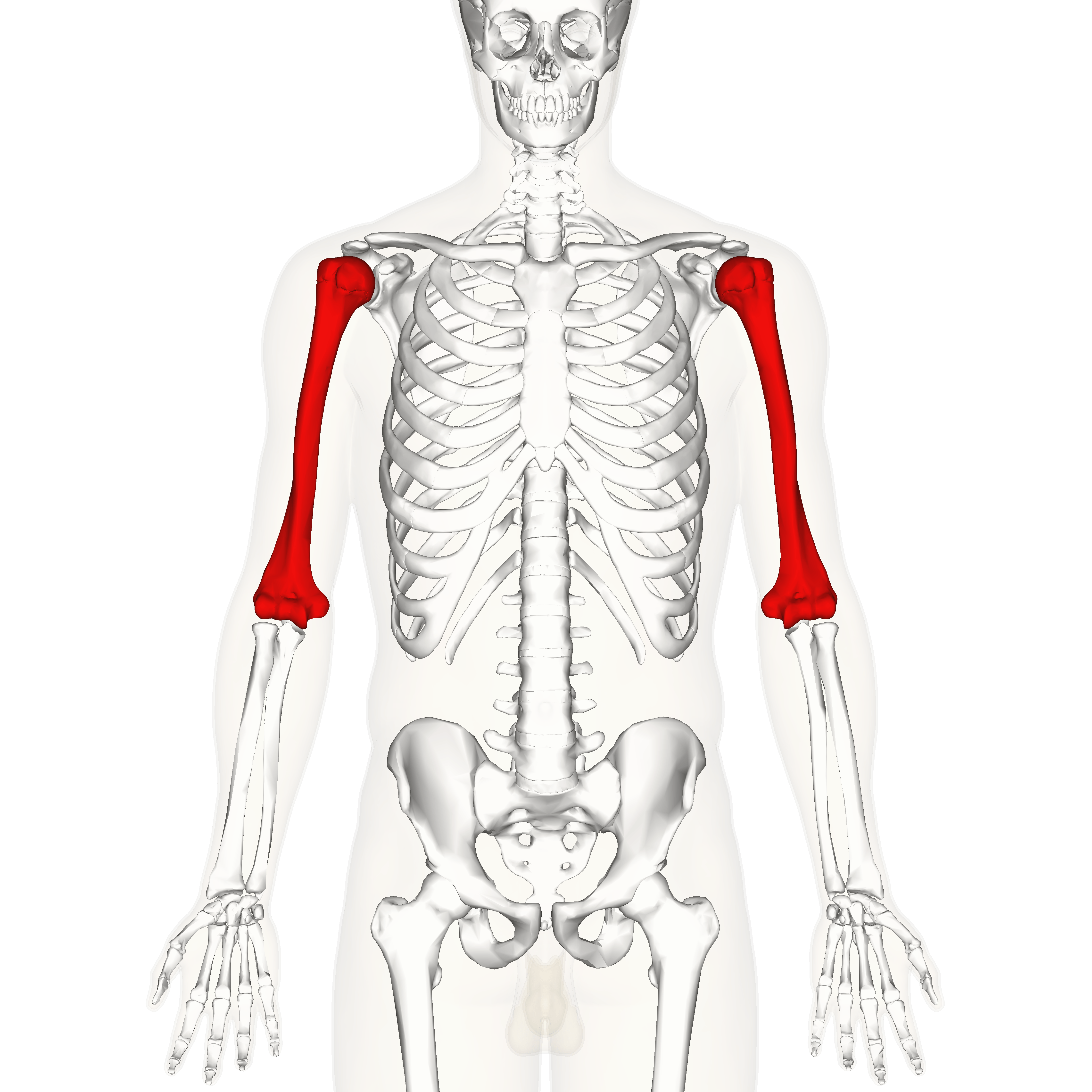
The humerus is part of this system?
a)
Muscular
b)
Reproductive
c)
Skeletal
d)
Nervous
37.

The esophagus and intestines are made up of smooth muscles that move food through these organs using muscular contractions. Which two systems are working together here?

a)

Muscular and Digestive

b)

Reproductive and Endocrine

c)

Muscular and Excretory

d)

Digestive and Immune