
Font size
 Worksheets
Force and Motion Unit Review
Total questions: 88
Worksheet time: 34mins
The ability to do work is called ___________________.
force
gravity
energy
friction
A measurement of distance over time
speed
acceleration
force
distance
A measure of how fast something moves or the distance it moves, in a given amount of time.
Motion
Position
Acceleration
Speed
What is the formula for speed?
speed = distance x time
speed=distance / time
speed = time / distance
speed = distance + time
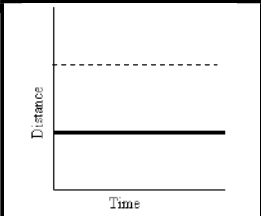
What does the solid line on this graph represent?
Constant speed
Acceleration
At rest
deceleration
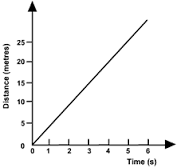
What is the line on this graph showing?
moving away from starting point at a constant speed
moving back towards the starting point at a constant speed
acceleration (getting faster)
deceleration (getting slower)
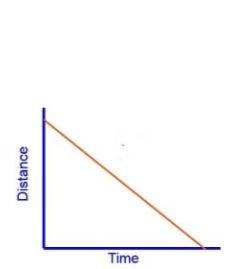
What is this line of this graph showing?
moving away from starting point at a constant speed
moving back towards the starting point at a constant speed
acceleration (getting faster)
deceleration (getting slower)


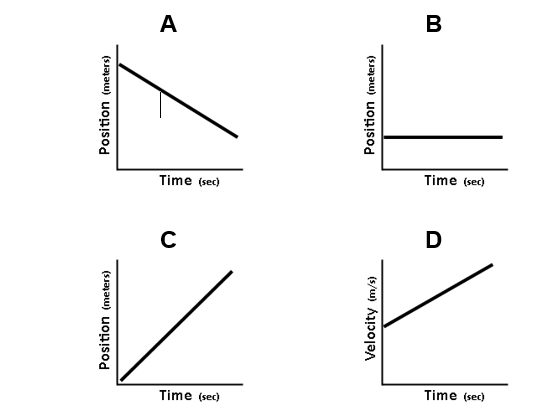
Which has a greater impact on KE?
mass
speed
the variable the scientist changes on purpose
independent
responding
dependent
changer
the variable that may respond
dependent
independent
manipulated
affected


Mass and speed both affect the amount of kinetic energy an object has, but ____________ has a greater effect.
mass
speed
volume
weight
Increasing an object's mass will increase its kinetic energy.
true
false
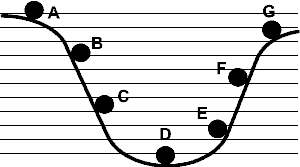
At which point does the ball has the greatest gravitational potential energy (GPE)?
A
G
D
C
G
What two factors affect an object's kinetic energy?
area and volume
mass and weight
weight and height
mass and speed
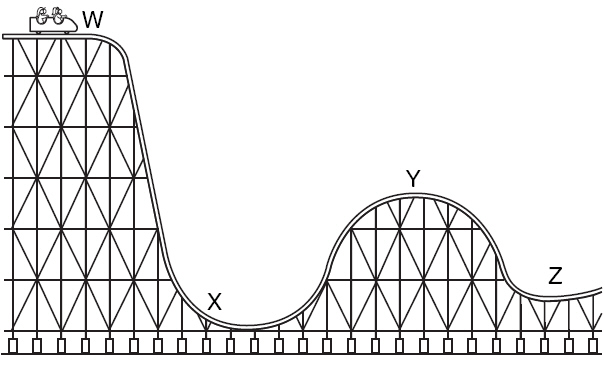
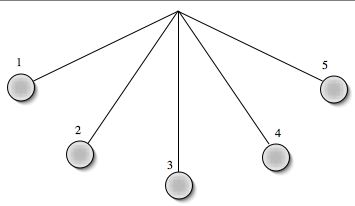
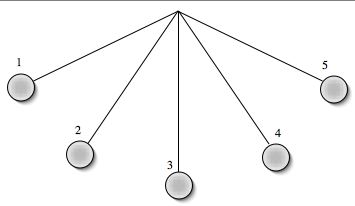
When does an object have no kinetic energy?
When it's at rest.
When it's moving very slowly.
When the only force that's acting on it is gravity.
When it has no electrical charge.
At which point does the ball has the greatest gravitational potential energy (GPE)?
A
G
D
C
G
Which would have the LEAST gravitational potential energy (GPE)?
A ball sitting on the ground
Moon viewed from the Earth
An airplane flying 30,000 feet above the ground
A rock sitting on top of Mt. Everest
How could you increase the gravitational potential energy of an object without changing its mass and gravity?
Make the object larger
Lower the object towards the ground
Raise the object farther off the ground
Allow the object to roll on the ground
The Law of Conservation of Energy states:
Energy can created or destroyed but not transformed
Energy cannot be created or destroyed, it can only transformed or transfered
Energy can't be created, destroyed or transformed
Energy cannot be created or destroyed.

What is the Total Energy at the top?
15,000 J
3,750 J
7,500 J
11,250 J
What is the KE 1/2 of the way down?
15,000 J
3,750 J
7,500 J
11,250 J

What is the KE at point B?
14 J
12 J
6 J
8 J

What is the Total Energy of the system?
14 J
12 J
6 J
8 J

What is the KE at point D?
14 J
12 J
6 J
8 J

What is the Kinetic Energy at point C?
500,000 J
400,000 J
300,000 J
50,000 J
What is the Kinetic Energy at point D?
500,000 J
250,000 J
300,000 J
50,000 J
What is the GPE at point E?
500,000 J
250,000 J
300,000 J
100,000 J
What is the KE at point F?
500,000 J
250,000 J
300,000 J
0 J
What is the KE 1/2 of the way down?
15,000 J
3,750 J
7,500 J
11,250 J

What is the GPE at the top?
50 J
25 J
0 J
100 J
What is the KE half way down?
50 J
25 J
0 J
100 J
What is the Total Energy at the bottom?
50 J
25 J
0 J
100 J
What is the KE half way down?
50 J
25 J
0 J
100 J
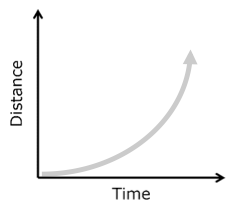

What happened during B to C point?
deceleration
constant speed
at rest
acceleration


As the fuel in a rocket ignites, the force of the gas expansion and explosion pushes out the back of the rocket and pushes the rocket forward.
Newton's 1st Law
Newton's 2nd Law
Newton's 3rd Law
When you are standing up in a subway train, and the train suddenly stops, your body continues to go foward.
Newton's 1st Law
Newton's 2nd Law
Newton's 3rd Law
After you start up your motorbike, as you give it more gas, it goes faster.
1st law
2nd law
3rd law
A pitched baseball goes faster than one that is gently thrown.
1st law
2nd law
3rd law
A swimmer pushes water back with her arms, but her body moves forward.
1st law
2nd law
3rd law
As an ice skater pushes harder with his leg muscles, he begins to move faster.
1st law
2nd law
3rd law
When Bobby, age 5, and his dad are skipping pebbles on the pond, the pebbles that Bobby's dad throws go farther and faster than his.
1st law
2nd law
3rd law
When you paddle a canoe, the canoe goes forward.
1st law
2nd law
3rd law
A little girl who has been pulling a sled behind her in the snow is crying because when she stopped to tie her hat on, the sled kept moving and hit her in the back of her legs.
1st law
2nd law
3rd law

The magician pulled the tablecloth out from under the dishes and the dishes were left undisturbed.
1st law
2nd law
3rd law

The books are applying a force to the table and the table is applying the same amount of force back on the books.
1st law
2nd law
3rd law

An empty wagon is easier to pull than a full wagon.
1st law
2nd law
3rd law

The water goes forward out of the hose and the fireman takes a step backwards.
1st law
2nd law
3rd law

It is easier to pull the small rock than it is to pull the larger rock.
1st law
2nd law
3rd law

When you push down on the diving board, the diving board pushes you back up again.
1st law
2nd law
3rd law

The skateboarder pushes back with one foot, but the skateboard moves forward.
1st law
2nd law
3rd law

Quickly clicking the coin leads the coin to falling in the cup.
1st law
2nd law
3rd law

When we walk, we push back with our foot, but we move forward.
1st law
2nd law
3rd law
Newton's second law states that greater the mass the more _________ will be needed to move the object.
power
force
distance
speed
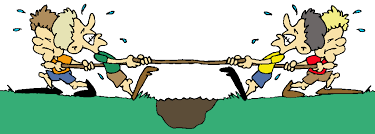
As mass of a vehicle increase, what happens to stopping distance?
stopping distance increases
stopping distance decreases
it will remain the same
mass does not affect stopping distance
As speed increases, what happens to stopping distance?
stopping distance increases
stopping distance decreases
it will remain the same
speed does not affect stopping distance

Calculate the net force of the object in the image shown.

What is the net force?

