
 Worksheets
pop quiz (22nd April)
Total questions: 130
Worksheet time: 1hrs 26mins


What is the term given to the temperature at which a solid turns into a liquid?
Boiling point
Melting point
Freezing point
Heating point

The freezing point of the ice was increased when the salt came in contact with it.
True
False


This is an example of:
evaporation
condensation

This is an example of:
evaporation
condensation

This is an example of?
condensation
evaporation

This is an example of:
condensation
evaporation
What are the three main states of matter?
Solid, liquid, and gas
Ice, water, and steam
Temperature, pressure, and energy
Hot, cold, and warm
Compared to ice, how do molecules of water behave?
They move less freely
They are locked into a crystal lattice
They move more freely
They bounce off one another randomly
What is the definition of matter?
Matter is anything that is visible
Matter is anything that has mass and takes up space
Matter is anything that reflects light
Matter is anything that absorbs light
The melting point of H2O is 0 degrees Celsius. This is the same as its:
Boiling point
Vaporization point
Fusion point
Freezing point
Dry ice has the same chemical properties as what gas?
Helium
Hydrogen
Nitrogen
Carbon dioxide

What happens when you boil water?
The water evaporates and changes to a gas?
The water freezes and changes to a solid?
The water condenses and changes to a liquid?
The water does not change state?
Which of these will change state if you put it in the freezer?
sand
a bowl
a pencil
juice

What happens when water condenses?
It changes from a liquid to a gas.
It changes from a gas to a liquid.
It changes from a solid to a liquid.
It changes from a liquid to a solid.

What state of matter is this?
Solid
Liquid
Gas
None

What state of matter is the sand?
Solid
Liquid
Gas
None
True or False: You can drink salt water.
False
True
True or False: Ocean is an example of salt water.
True
False
True or False: Water is a kind of matter
True
False
True or False: When water exist as a gas, it's called condensation.
True
False
the process of changing (by heating or cooling) one form of matter into another form of matter with different characteristics
change of state
gas
matter
liquid
A physical property that describes matter as a
solid, liquid, or gas.
solid
liquid
state of matter
gas
a compound made of hydrogen and oxygen
air
water
oxygen
science
Anything that has mass and takes up space
freeze
melt
matter
solid
A state of matter with no definite shape or volume
gas
solid
liquid
shape
Which best identifies what plants receive from sunlight?
Energy
Nitrogen
Oxygen
Sugars
Which do seeds need to germinate?
Soil
Water
Minerals
Sunlight
Why do plants need water to germinate?
It keeps the seed cool and dark
It releases energy stored in the seed
It causes the seed to swell and break open
It allows the seed to make food for the young plant
Which best identifies how plants use carbon dioxide?
For energy
To take in light
For keeping cool
To make food
Which do plants need for photosynthesis?
Sunlight
Oxygen
Pollen
Bees
Which of the following is a TRUE statement about plant growth?
Plants cannot grow without warmth.
Plants can grow without Sun's energy.
Plants can grow without water.
Plants can grow without air.
What is the product made from plants during photosynthesis?
carbon dioxide gas
water
Sun's energy
glucose
In which plant part does photosynthesis happen?
Leaves
Roots
Stems
Seeds
Why do plants need air (carbon dioxide) to grow?
Plants use carbon dioxide to make food
Plants use carbon dioxide to transport food to different parts of the plants
Plants use carbon dioxide to keep firm
Plants use carbon dioxide to reproduce
In general, seeds need the things below, EXCEPT....
water
warmth
air
light
A student places three identical plants in the same type of containers, uses the same type of soil and the same amount of water for each plant. This student places the three plants in three different locations. Plant A is placed in a sunny area, Plant B is placed in a shaded location, and Plant C is placed in the dark room. Each day this student records the growth of each plant. What is the different variable in this investigation?
the soil
the amount of water
the amount of light
the growth of each plant
Most seeds do not light to germinate, because _____________
Seeds can use the food stored inside.
Seeds can do photosynthesis in the dark soil.
Seeds can produce light to make their own food.
Seeds can do photosynthesis without light.
Plant kept in a dark place may at first grow taller than plant kept in a bright place. It can happen because ___________
The plant can make their own food (photosynthesis) without light
The plant get energy from soil to photosynthesis.
The plant use the food stored in it so that the stem can grow longer.
It get taller because it can absorb energy from air.


What do seeds need to germinate (grow into a new plant)? (select three correct answers)
Air
Warmth
Water
Light
Soil

It is the development of a seed into a plant.
seed dispersal
germination
habitat

Gertrude planted some beans in a pot. After 5 days her pot looked like this. Why?
She watered the seeds but placed the pot in the dark.
She did not water the seeds.
She used yellow-coloured soil.
Which condition is NOT needed for germination?
Water
Oxygen
Light
Suitable temperature
The seed is protected by an outer covering called:
food store
embryo
seed coat
germination
Besides the plant embryo, what else is inside the seed?
Food, which it uses until it can make its own food.
grass
life span
source of light
Which is NOT part of a seed?
seed coat
embryo
pollen
food store
Where does the seed get its energy from?
Food store
sunlight
embryo
animals

What is the letter C pointing to?
seed coat
embryo
food store
undeveloped roots

Which word identifies letter A?
food store
seed coat
embryo

The plant gets enough sunlight but why does it look like this?
not enough water
attacked by pest
not enough soil
not enough air


Which is NOT a source of light?
firefly
ball
sun
torch
An opaque object means that ...
light passes through
no light passes through
some light passes through
you can see through it


We can see things around us because of light reflecting off the object and into our eyes?
True
False
We are able to see objects because they ____________ light into our eyes.
reflect
refract
shine
defract
What part of our body do we use to detect light?
Which image shows the artificial source of light?
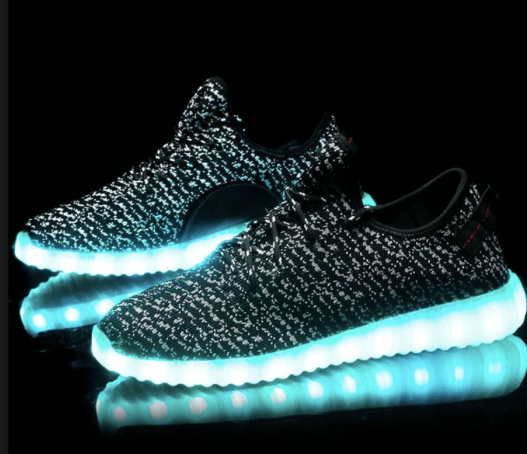

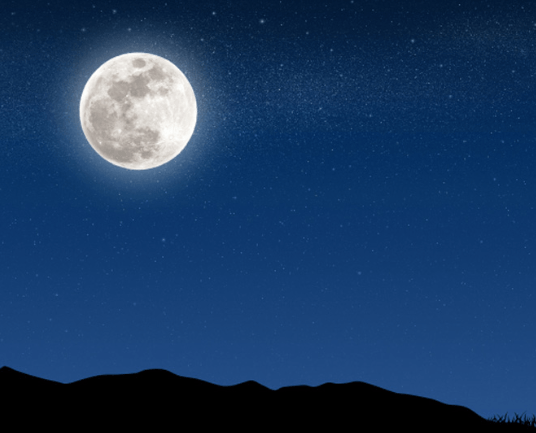
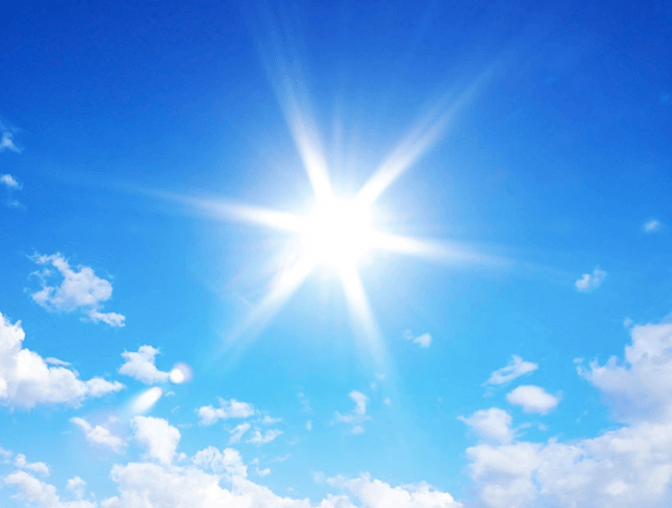
Light is able to pass through __________________ materials
transparent
shiny
dull
opaque
Coloured glass is an example of a _______object.
transparent
translucent
opaque
A shadow is created when...
an object blocks the light
an object lets light pass thru
an object is above light
Shadows are shortest ...
at night
in the morning
in the middle of the day
in the evening
Shadows are longest in the_______
Evening
Afternoon
Morning
Night
If a torch is 180 degree to the object then how long the shadow will be?
Long
Not too long nor too short
Short
No shadow formed
Materials that completely block the light are called?
Light
Opaque
Transparent
None of the above
How many things are needed for a shadow to form?
7
4
3
None of the above
What does a shadow show of an object?
Outline, shape
Details, color
Outline, color
Shape, details
A shadow is_____ even when an object is coloured.
Green
Pink
Black
None of the above

See the diagram and tell what type of material is used?
Opaque
Translucent
Mirror
Transparent
What does dark mean?
The night
Absence of light
Too much light
The Moon
Madhav is pushing the door closed. He cannot see through the door because it is-
opaque
translucent
transparent
If we observe closely, we will find that the Moon changes in its appearance everyday, this is due to
the Sun light that falls on the Moon
the Sun's Shadow that falls on the Moon
The Earth's shadow that falls on the Moon
The Moon's own light
Why do stars appear to move across Earth's sky each night?
Earth rotates on its axis
The stars orbit each other
Earth revolves around the Sun
The stars rotate with the Moon
Why does the moon appear to shine?
It is like a star and gives off light
It refracts light from space
It reflects light from the sun
It absorbs light from the sun

the picture shows... of the Earth
revolution
rotation
Earth take the rotation for …
24 hours
1 year
366 days
12 hours

What is the Moon to Earth?
Comet
Axis
Satellite
Probe
Which is the CORRECT Spelling?
ERTH
EART
EAARTH
EARTH
How many hours does the Earth take to complete 1 spin?
20
22
24
26
How many days does the Moon take to Orbit the Earth?
32
30
28
26
How many days does the Earth take to Orbit the Sun?
365
265
270
370
The SUN is a ...
STAR
MOON
PLANET
ROCK
What does Anticlockwise mean?
Running around
Jumping up and down
Moving in the same direction to the hands on a clock
Moving in the opposite direction to the hands on a clock
What does Rotation mean?
The action of spinning
The action of talking
The action of jumping
The action of flying
The Sun rises in the ...
North
South
East
West

Name the Planet?
Mercury
Venus
Earth
Neptune

What is the line joining the North Pole to the South Pole of the Earth?
vertical
diagonal
axis
zigzag
When one object travels in a circle around another object, it is ______ around that object.
rotating
orbiting
spinning
encompassing

Earth shape is_________.
Circle
Round
Sphere
I do not know

earth provide us with food,_______ and water.
crops
air
Oxygen
water

Earth take _______ days to take 1 round of sun.
365
365 days
1 year
year 1

______live in earth.
Living things
animals
plants
humans

Earth air is in the earth________.
Wind
sky
clouds
atmosphere

Earth roam around the sun on the _______.
Line
imaginery lines
circles
Orbits
The Earth rotates on its axis. Which of these sentences is true? Tick () one box!
The Sun does not move.
The Sun goes round the Moon.
The Sun orbits the Earth.
The Sun travels round the Earth.

The diagram shows the Sun and Earth.
Tick (_) the correct sentences.
The Sun takes 1 year to orbit the Earth.
The Earth takes 24 hours to orbit the Sun.
The Earth orbiting the sun once every 365 days.
The Earth spins on its axis once every year.

The teacher makes a model of the Sun and Earth.
The lamp in the model is the Sun.
The ball in the model is the Earth.
The teacher uses the model to show how day becomes night.
What she does to the model? Choose the correct answer!
spins the lamp on its own axis
spins the ball on its own axis
moves the lamp around the ball
moves the ball around the lamp

