
 Worksheets
Unit 5 - Ecology
Total questions: 38
Worksheet time: 45mins
What is climate?
the condition of the atmosphere at any given time and place
cloud cover and temperature
precipitation and humidity at a given time and place
weather conditions in an area over a long period of time
Climate is affected by many factors including:
latitude, elevation, and proximity to bodies of water
tides and currents
wind
snow and sleet
A climate zone is
Something on the air conditioner in my house
An area/region that shares the same climate features
A special defense in basketball
Something I should have learned in Global Issues with Mr. Matt, but I was too busy updating my status on Instagram!
Abiotic can be defined as?
An organism that is alive
Non-living parts of the environment
Living Parts of the environment
A new kind of Pokemon that lives with Pikachu
Biotic can be defined as
the living parts of an environment
non-living parts of an environment
rocks and water
snakes and water
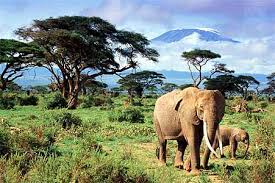


What is the habitat shown in the picture?
ocean
desert
mountains
jungle
The ecological role an organism performs in their specific environment is considered the organism's...
Habitat
Population
Biome
Niche

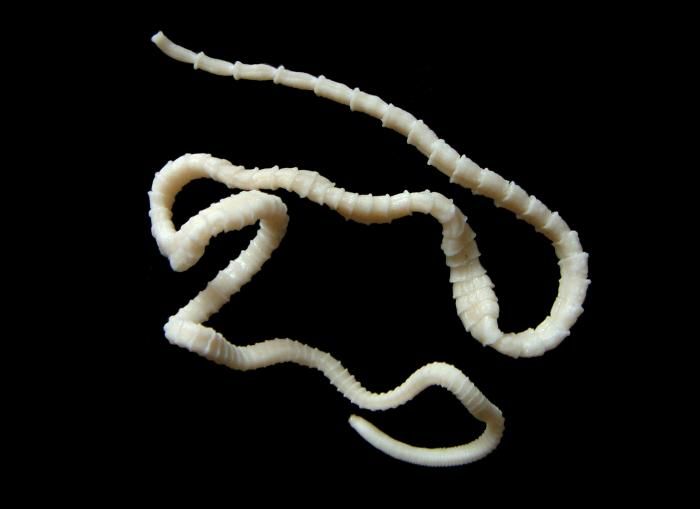
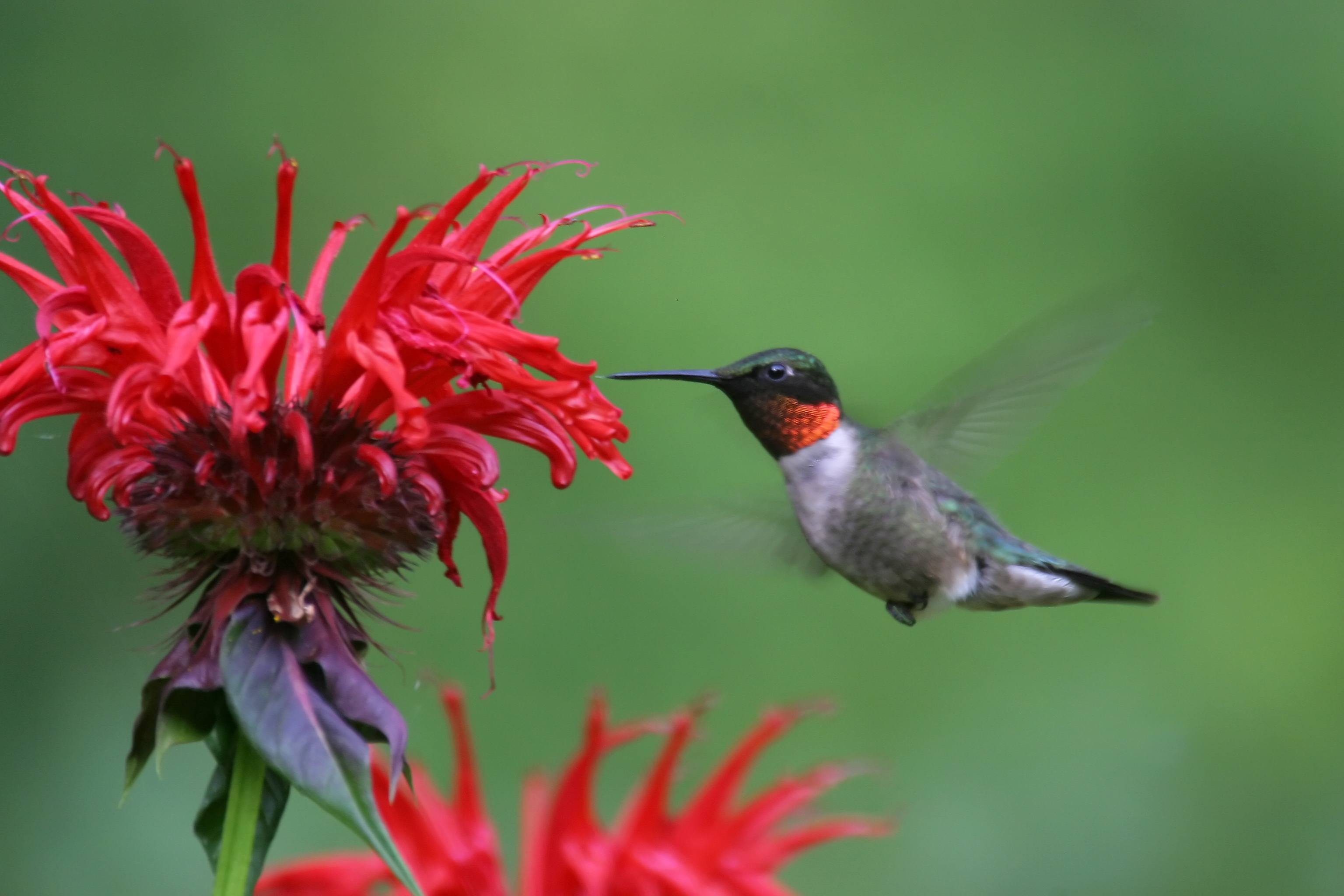

The close relationship between two different species in an ecosystem
Biosphere
Ecology
Symbiosis
Environment

What is the climate like in the Rainforest?
dry and cold
hot and humid (wet)
cold and humid (wet)
hot and dry

What is the climate like in Death Valley?
cold and humid (wet)
hot and humid (wet)
hot and dry
cold and dry
Plants and animals in the tundra must be able to adapt to the extremely ___________ weather
small
cold
perennials
shallow
Many of the animals in the desert are ______________ to avoid the extreme heat during the day.
cacti
chia
water
nocturnal


At what population was carrying capacity met?
250
1000
400
720
What is global warming?
the melting of ice caps and glaciers
the increasing heat of Earth's asthenosphere
the increasing temperature of Earth's atmosphere
the decrease of oxygen level in the Earth's atmosphere
What is greenhouse effect?
warm atmosphere around Earth caused by trapped sun's radiation
absorbs and emits radiant energy from the sun
increased carbon in the Earth's atmosphere
increasing Earth's temperature

One advantage of solar and wind power over fossil fuels is that
wind and solar are presently much less expensive than fossil fuels.
wind and solar come from natural processes and fossil fuels do not.
wind and solar are nonrenewable resources and fossil fuel are renewable.
wind and solar are continuously renewable and fossil fuels take millions of years to be formed.

How are greenhouse gasses harming our environment?
They aren't
Less heat is able to escape causing the Earth to cool down
Less heat is able to escape causing the Earth to warm up
More heat is able to escape

Which of the following are types of Global Change?
Climate Change
Land Use
Invasive Species
Atmospheric CO2 Levels
All of these are examples of Global Change

Which of the following is NOT good for the environment?
Planting Trees
Burning Oil
Using renewable resources
Absorbing CO2 in oceans

Which of the following is good for the environment?
Building structures for humans
Burning coal
Using wind turbines for energy
Increasing erosion

Trees are so important to our environment because they absorb (sink) which greenhouse gas?
methane
carbon dioxide
water vapor
oxygen

Which layer of our atmosphere is being destroyed causing our sun to do more damage to our skin.
ozone
mesosphere
exosphere
troposphere

What is global warming?
a gradual increase in the overall temperature of the earth's atmosphere.
a change in global or regional climate patterns
the cycle of processes by which water circulates between the earth's oceans, atmosphere, and land.
The action of clearing a wide area of trees.
Why is biodiversity important?
Keeps ecosystems balanced
Causes extinction
it isn't
It keeps plants alive

