Font size
 Worksheets
Science SOL Earth
Total questions: 52
Worksheet time: 52mins
_____________________ happens when rocks on Earth's surface break apart or change without moving anywhere.
Erosion
Weathering
Deposition
_____________________ is the movement of soil and rock by wind, water, ice, and gravity.
Weathering
Erosion
Deposition
______________________ occurs when eroded materials stop moving and begin to build up.
Weathering
Erosion
Deposition

The geological process when rocks or sediments move or are transported from one place to another is:
weathering
erosion
deposition

When temperatures repeatedly go from hot to cold this can cause what type of geological process?
weathering
erosion
deposition
all of the above

The process by which rocks are broken down
Weathering
Deposition
Erosion
Sedimentation

The process in which wind, water, ice or gravity transport rock fragments from one location to another
Weathering
Sedimentation
Erosion
Deposition

Water getting into cracks, freezing, and breaking rocks or pavement apart is an example of...
chemical weathering
physical weathering
deposition
erosion

Acid rain slowly wearing away rock over time is an example of...
chemical weathering
physical weathering
erosion
deposition

Waves dropping sand onto land until a beach is formed is an example of...
physical weathering
erosion
deposition
chemical weathering

Rain washing away soil from a hillside is an example of...
physical weathering
erosion
deposition
chemical weathering

When iron in rocks reacts with oxygen, it forms iron oxide (rust), which weakens rocks and causes them to break apart. This is an example of...
physical weathering
chemical weathering
erosion
deposition

Muddy water being carried away by a fast-moving river is an example of...
physical weathering
chemical weathering
erosion
deposition

Wind blowing sand from one location to another is called...
erosion
physical weathering
chemical weathering
deposition


Identify A
Crust
Mantle
Outer Core
Inner Core
Identify B
Crust
Mantle
Outer Core
Inner Core
Identify D
Crust
Mantle
Outer Core
Inner Core
Which TWO layers are Solid?
Crust
Mantle
Outer Core
Inner Core
Which layer is semi-solid and right below the crust?
Inner Core
Outer Core
Lithosphere
Mantle

______ boundaries in which tectonic plates slide pass each other.
divergent
convergent
transform
________ boundaries in which tectonic plates can move towards each other.
divergent
convergent
transform
_____ boundaries in which tectonic plates that move away from each other.
divergent
convergent
transform

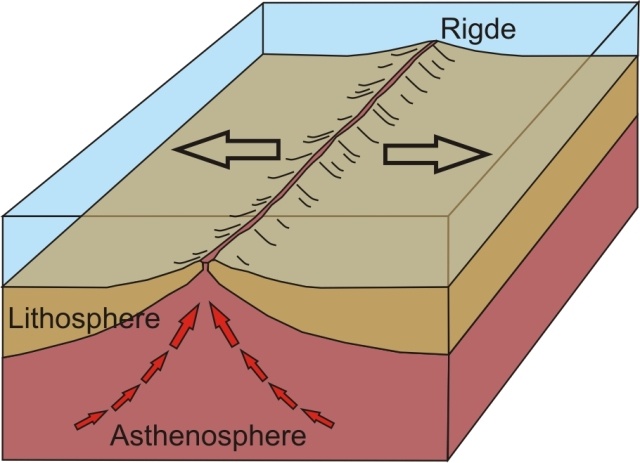
What geological event can be created in the plate boundary shown below?
Rift Valley
Sea Floor Spreading
Earthquakes
Volcanoes

The diagram illustrates a strike slip fault. What is another name for a strike slip fault?
convergent subduction boundary
convergent collision boundary
transform boundary
divergent boundary

Two plates that move away from each other are..
Divergent
Converging
Transforming
None of the above

Metamorphic rock undergoes weathering and erosion to form
sediment
igneous rock

Sedimentary rock undergoes _____________ to form metamorphic rock.
heat & pressure
compacting and cementing

Metamorphic rock can only be formed through which process?
heat & pressure
cooling

Sediment can only be created through which process?
cooling
weathering & erosion
____ rocks form when rock buried deep inside the earth change without melting or weathering
igneous
sediment
metamorphic
sedimentary
Rocks formed under great pressure but no heat are _____.
igneous
metamorphic
sedimentary
sediment
A rock that has cooled fast and may look like glass.
igneous
metamorphic
sedimentary
sediment
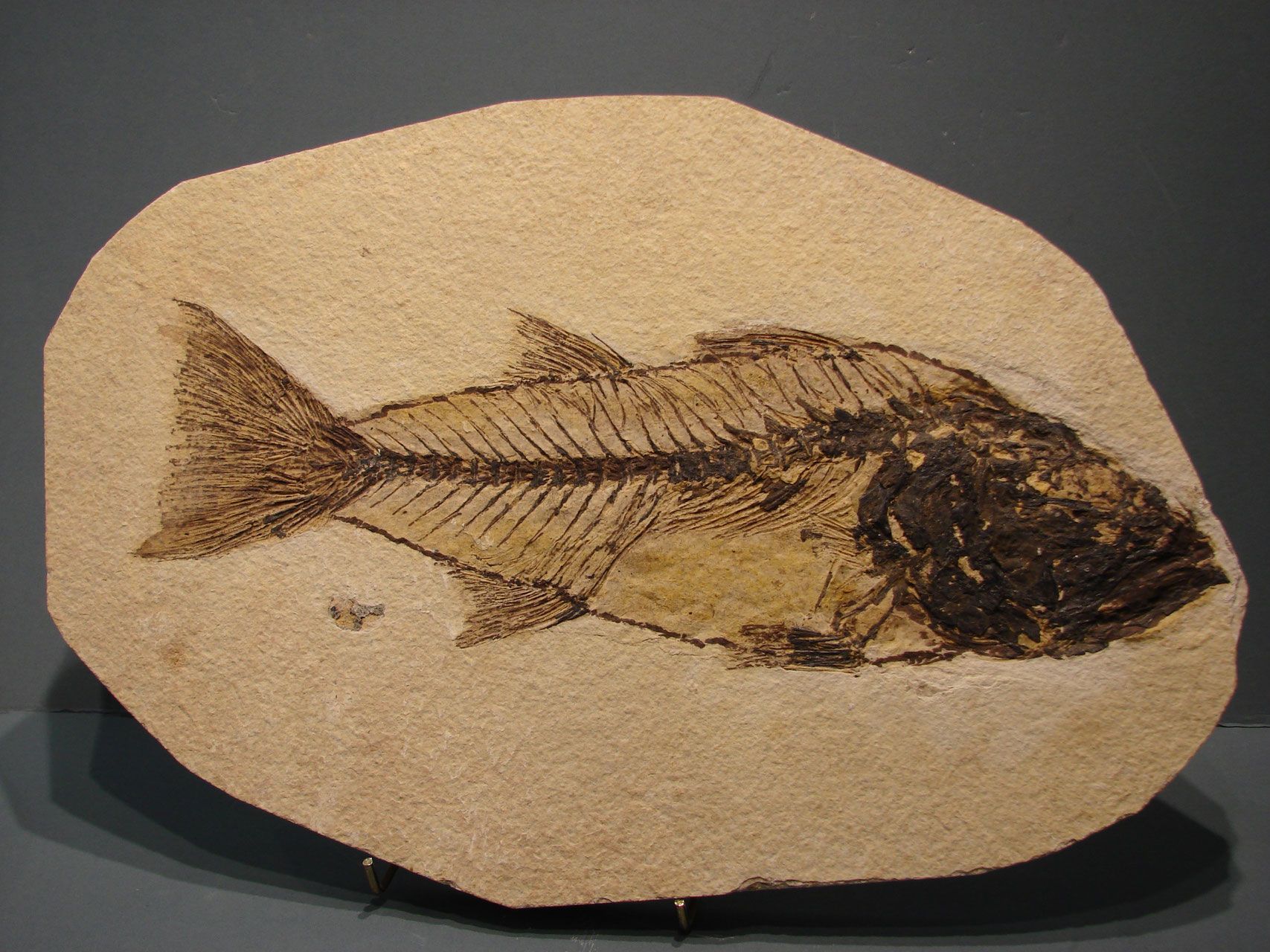
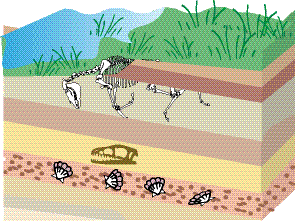
If a scientist found a fish fossil in the desert, what can they infer?
An animal ate the fish.
The water covered the area long ago.
Today's fish looks the same
The fish is endangered.


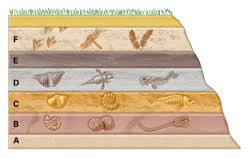
What are the oldest fossils and why?
B, C- because they are closest to the top
A, B- because they are closest to the bottom
They are all the same age- because they are all found on layer 2
A, B- because they are found closest to the top