wayground logo

Free Printable Worksheets

Font size

S
M
L
XL
Worksheets

Unit 7 Test Review

Total questions: 61

Worksheet time: 2hrs 45mins

Name
Class
Date
1.

The average, year-after-year conditions of temperature, precipitation, winds, and clouds in an area:

a)

Tropical Zone

b)

Climate

c)

El Niño

d)

La Niña

2.

Gases in the atmosphere that trap heat; carbon dioxide (CO2) is a major one:

a)

Greenhouse Gas

b)

Global Warming

c)

Sunspot

d)

CFCs

3.

Climate is affected by many factors including:

a)

latitude, elevation, and proximity to bodies of water

b)

tides and currents

c)

wind

d)

snow and sleet

4.

Which two factors determine the climate in a particular region?

a)

temperature and latitude

b)

precipitation and humidity

c)

temperature and precipitation

d)

humidity and air pressure

5.

These areas is located between 66.5°N and the North Pole and 66.5°S and the South Pole. It has low temperatures and very little precipitation.

a)

Polar Climate Zones

b)

Temperate Climate Zones

c)

Tropical Climate Zones

d)

The Arctic Climate Zones

6.
Weather is the day to day conditions of the atmosphere 
a)
True
b)
False
7.
A tropical climate in the US would be?
a)
Virginia
b)
New York
c)
California
d)
Florida
8.
A polar climate in the US?
a)
Virginia
b)
New York
c)
Maine
d)
Alaska
9.
What is the difference between climate and weather?
a)
 Climate averages the weather conditions in a specific place over a long period of time, while weather describes the state of the atmosphere at a specific moment in time.
b)
 Weather averages the weather conditions in a specific place over a long period of time, while Climate describes the state of the atmosphere at a specific moment in time.
c)
Climate describes the weather conditions at night, while weather describes the conditions during the daytime.
d)
 There is not a difference between climate and weather.
10.
a treeless biome that has permafrost
a)
Tundra
b)
Desert
c)
Taiga
d)
Deciduous
11.
Plants in this biome are adapted to poor soil, extreme temperatures and less than 25 centimeters of rainfall per year.
a)
Tundra
b)
Taiga
c)
Desert
d)
Grasslands
12.
This biome gets the highest percentage of rain yearly
a)
Taiga
b)
Temperate Deciduous Forest
c)
Tropical Rainforest
d)
Grasslands
13.
A large, relatively distinct region with a similar climate, soil, plants, and animals
a)
ecozones
b)
biotopes
c)
biomes
d)
biodomes
14.

TRUE or FALSE?

Each biome also has a characteristic set of organisms that are adapted to living there.

a)

true

b)

false

15.
The biome known for trees with broad leaves that fall off the trees in the winter.
a)
Coniferous Forests
b)
Temperate Deciduous Forests
c)
Deserts
d)
Tundra
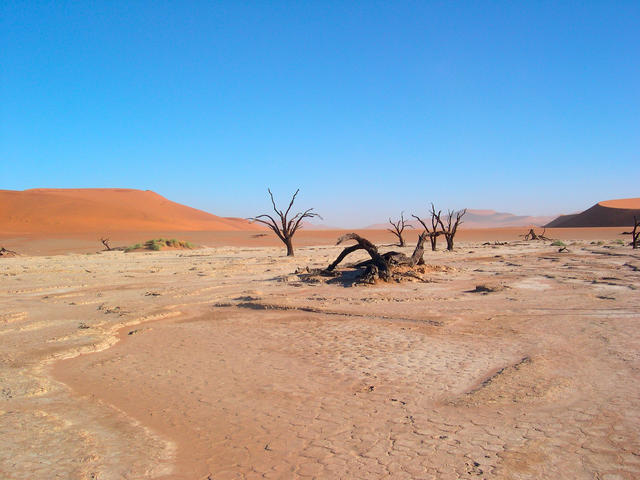
16.
 What type of biome is pictured?
a)
Desert
b)
Tundra
c)
Tropical Rainforest
d)
Grassland
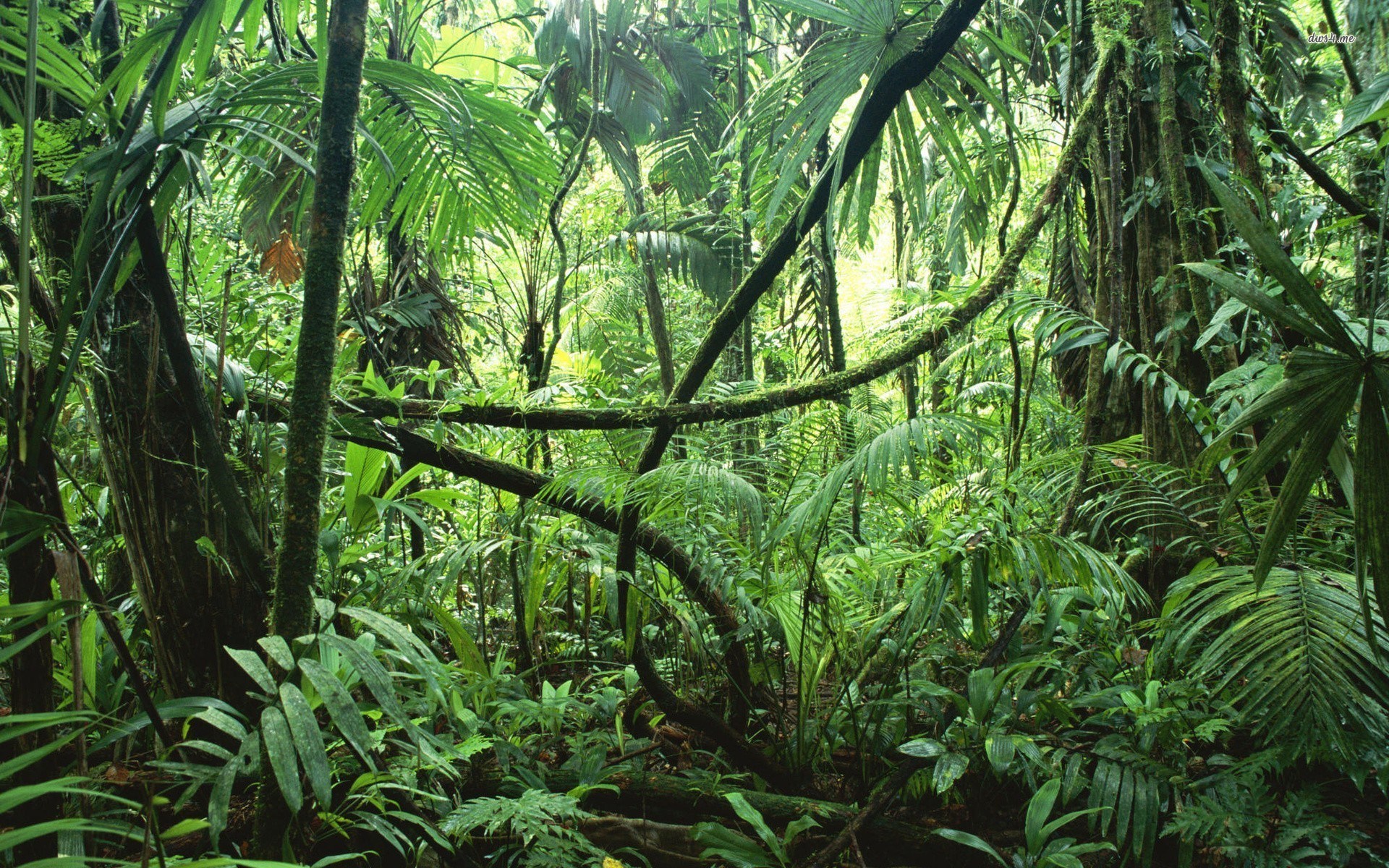
17.
 What type of biome is pictured?
a)
Temperate Deciduous Forest
b)
Boreal Forest
c)
Tropical Rainforest
d)
Grassland
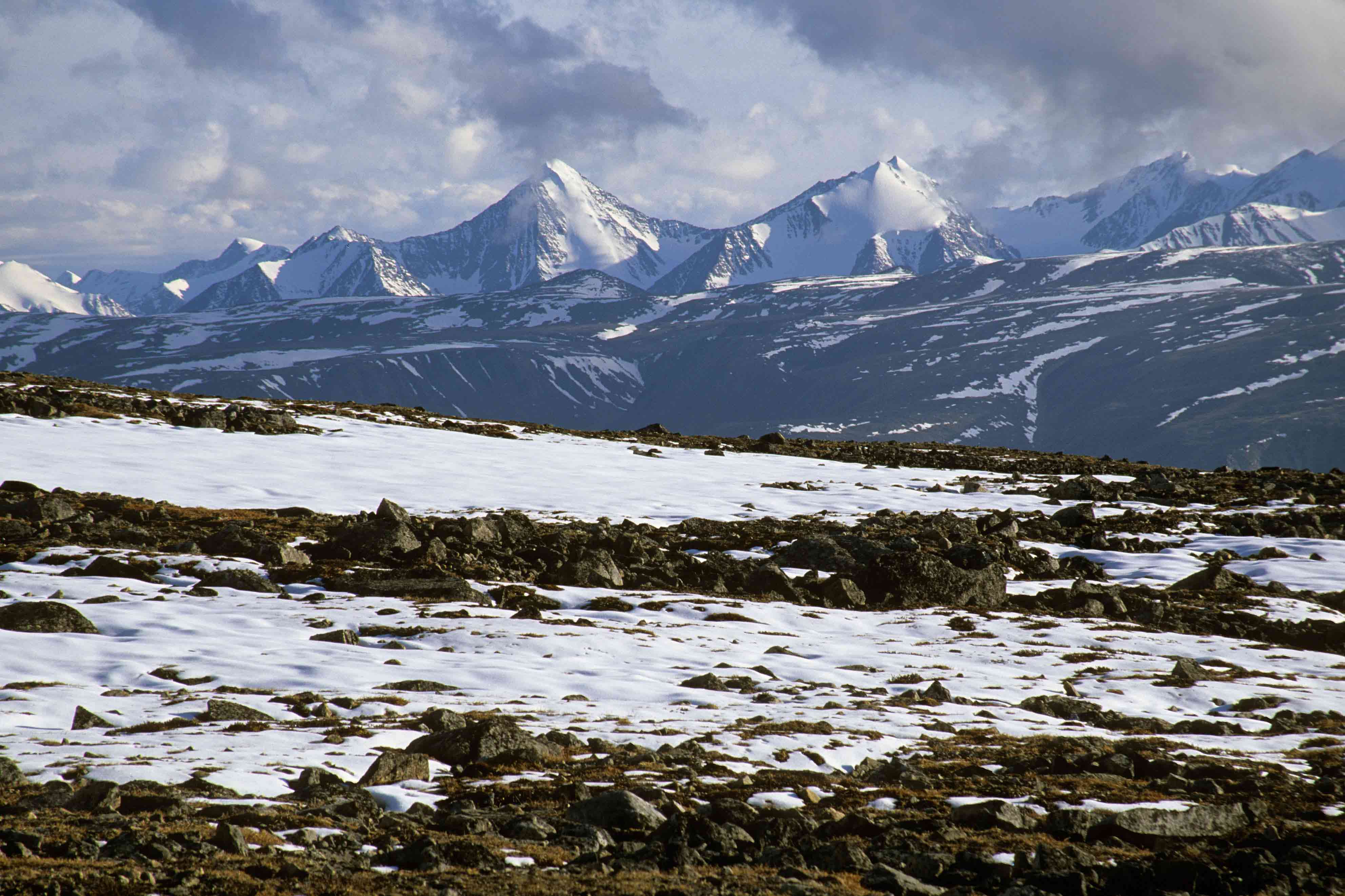
18.
 What type of biome is pictured?
a)
Tundra
b)
Temperate Rainforest
c)
Grassland
d)
Desert
19.
 What type of biome is pictured?
a)
Tundra
b)
Temperate Rainforest
c)
Grassland
d)
Desert
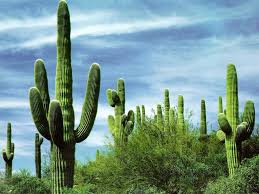
20.
In which biome would you MOST LIKELY find this organism?
a)
tundra
b)
desert
c)
tropical rainforest
d)
temperate deciduous forest
21.
In which biome would you MOST LIKELY find this organism?
a)
tropical rainforest
b)
tundra
c)
desert
d)
temperate deciduous forest
22.

What biome is this?

a)

Taiga

b)

Desert

c)

Tundra

d)

grassland

23.

Plants and animals in the tundra must be able to adapt to the extremely ___________ weather

a)

small

b)

cold

c)

perennials

d)

shallow

24.
As altitude or latitude increase, temperature ______
a)
stays the same
b)
rises
c)
drops
d)
drops, then rises
25.
Biotic factors of an ecosystem are:
a)
non-living
b)
plants
c)
living thing
d)
soil
26.
Identify an a example of an abiotic factor?
a)
Panda
b)
Turtle
c)
Butterfly
d)
sunlight
27.
One characteristic feature of tundra is that only the surface thaws in the summer and refreezes in the winter, leaving a layer of permanently frozen subsoil.  This characteristic is known as
a)
glaciation
b)
permafrost
c)
crystallization
d)
soilfrost
28.
Which biome, because of its climate, has the largest number of species of plants and animals?
a)
Tundra
b)
Tropical Rainforest
c)
Desert
d)
Pineforest
29.
Choose the correct order of organization from smallest to largest
a)
Species--> Population--> Community--> Ecosystem-->Biosphere
b)
Community--> Species--> Population--> Biosphere --> Ecosystem
c)
Ecosystem--> Community--> Species--> Population--> Biosphere 
d)
Population-->Species--> Community--> Ecosystem-->Biosphere
30.

Biodiversity, aka biological diversity, usually refers to

a)

the same species in a general location

b)

the number of different species in a given area

c)

the number of animal species in a given area

d)

the number of plant species in a given area

31.

Species that are clearly critical to the functioning of an ecosystem are known as

a)

biodiversity

b)

keystone species

c)

main species

d)

native species

32.

A species that is likely to become extinct if protective measures are not taken immediately is known as

a)

threatened species

b)

endemic species

c)

keystone species

d)

endangered species

33.

A species that is likely to become extinct if protective measures are not taken immediately is known as

a)

threatened species

b)

endemic species

c)

keystone species

d)

endangered species

34.

a species that is not native to a particular region and has no natural predators and little competition

a)

consumer species

b)

producer species

c)

invasive species

d)

adapted species

35.

An exotic species is

a)

a species that is not native to a particular region

b)

a newly discovered species in a particular region

c)

a genetically modified species in a particular region

d)

a species that is native to a particular region

36.
Which option is abiotic?
a)
Plants
b)
Bacteria
c)
Water
d)
Fungi
37.

The prefix Bio means

a)

life

b)

birds

c)

science

d)

ecosystems

38.

Biodiversity is the ____________ and variability of __________ on earth

a)

variety

b)

life

c)

diversity

d)

difference

39.
High biodiversity is 
a)
having a lot of the same organism.
b)
having a few of the same organism.
c)
having a lot of variety of different organisms.
d)
only having one of each organism. 
40.

This refers to the total disappearance of all the members of a particular group of species.

a)

Extinction

b)

Biodiversity

c)

Natural Selection

d)

Disappearance

41.
Which of the following is a density-independent limiting factor?
a)
natural disaster
b)
predation
c)
disease
d)
parasitism
42.
Which of the following is a density-dependent limiting factor?
a)
human activities 
b)
unusual weather
c)
competition
d)
natural disaster
43.
Which of the following will increase the size of a population?
a)
emigration and births
b)
immigration and deaths
c)
immigration and births
d)
emigration and deaths
44.

Estimate the carrying capacity.

a)

100 deer

b)

80 deer

c)

60 deer

d)

40 deer

45.

What is the world's most populous country?

a)

India

b)

China

c)

U.S.

d)

Mexico

46.

One reason the world is growing so quickly is because...

a)

The world has infinite resources for everyone

b)

Birth rate is higher than death rate

c)

There are more and more places for people to live

d)

Death rate is higher than birth rate

47.

Most of the world's population lives in...

a)

North America

b)

Europe

c)

Africa

d)

Asia

48.

This population pyramid shows...

a)

Rapid growth

b)

Slow growth

c)

Negative growth

49.

This population pyramid shows...

a)

Rapid growth

b)

Slow growth

c)

Negative growth

50.

This population pyramid shows...

a)

Rapid growth

b)

Slow growth

c)

Negative growth

51.

Countries with a rapidly growing population are..

a)

Developed

b)

Developing

52.

A country with slow or negative growth is usually...

a)

Developed

b)

Developing

53.
Climate change can lead to _______________.
a)
sea level rise and floods in coastal areas
b)
droughts
c)
spread of dengue fever and malaria
d)
all of the above
54.
One solution for reducing the amount of atmospheric carbon dioxide would be to
a)
increase oceanic temperatures to enhance carbon dioxide uptake
b)
increase the rate of removal of tropical rain forests
c)
decrease the total area of rice paddies
d)
decrease the use of fossil fuels
55.

Which of the following government agencies is responsible for the Clean Air Act?

a)

the USGS

b)

the USDA

c)

the EPA

d)

the USDOJ

56.

The Clean Air Act- regulates vehicle emissions.

a)

true

b)

false

57.

Which US president created the EPA?

a)

George Bush

b)

John F. Kennedy

c)

Barack Obama

d)

Richard Nixon

58.

Who started Earth Day?

a)

Ronald Reagan, former president of USA

b)

Denis Hayes, a college professor

c)

Gaylord Nelson, Senator of Wisconsin

d)

Mr. Fouts, our principal

59.

What year was Earth Day created?

a)

1970

b)

1990

c)

2000

d)

1900

60.

The species that plays a critical role in maintaining the ecosystem structure is?

a)

Flagship species

b)

Umbrella species

c)

Keystone Species

d)

Leading species

61.
How can humans best help an endangered species avoid extinction?
a)
they can feed the animals
b)
they can put the animals in a zoo
c)
they can protect the animal’s habitat
d)
they can take the animal to new habitats