wayground logo

Free Printable Worksheets

Font size

S
M
L
XL
Worksheets

Chap. 12 lessons 1- 3 - Food webs, biomes, cycles of matter

Total questions: 112

Worksheet time: 2hrs 31mins

Name
Class
Date
1.

Which of these is a producer?

a)

Insects

b)

Grass

c)

Bacteria

d)

Eagle

2.

Where do producers get most of the energy they need to make their own food?

a)

carbon dioxide

b)

oxygen

c)

sunlight

d)

water

3.

What type of organism is at the beginning of every food chain?

a)

predator

b)

carnivore

c)

producer

d)

herbivore

4.

This diagram shows how energy flows through an eco-system. What is the first source of energy in this pyramid (aka producers)?

a)

sharks and large birds

b)

algae, plankton and seagrass

c)

herbivorous fish, crustaceans and sea urchins

d)

seals and carnivorous fish

5.
What is this called?
a)
Food Web
b)
Food Chain
c)
Abiotic Factors
6.
What is this called?
a)
Food Web
b)
Food Chain
c)
Abiotic Factors
7.
In the energy pyramid here, which organisms have the most energy available?
a)
Producers
b)
Carnivores
c)
Herbivores
d)
Top Predator
8.
In the food web shown, the snail would be considered...
a)
primary consumer
b)
secondary consumer
c)
tertiary consumer
d)
producer
9.
What is another name for producer?
a)
consumer
b)
herbivore
c)
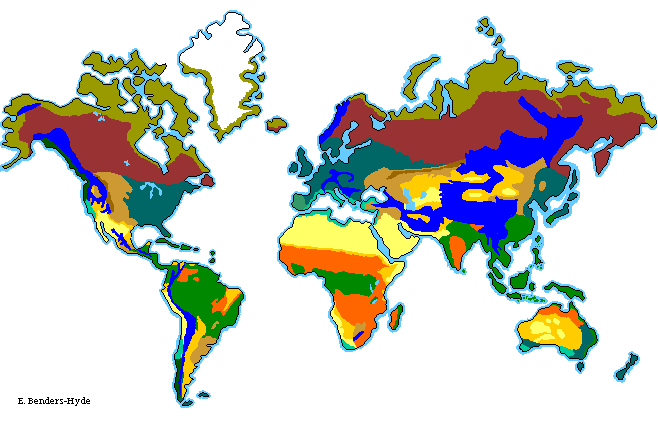
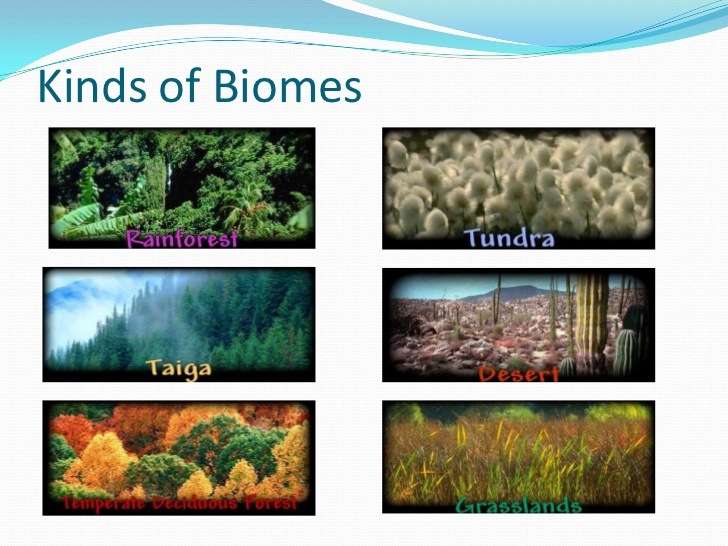
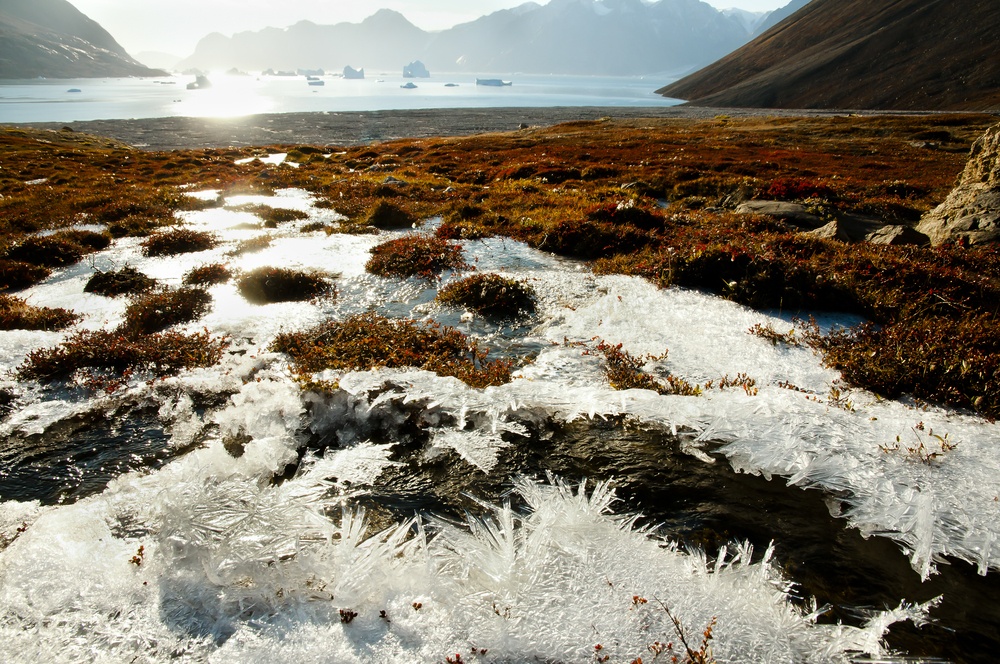
autotroph
d)
lichen
10.
An organism that needs to eat other organisms to obtain energy is known as a:
a)
Autotroph
b)
Producer
c)
Consumer
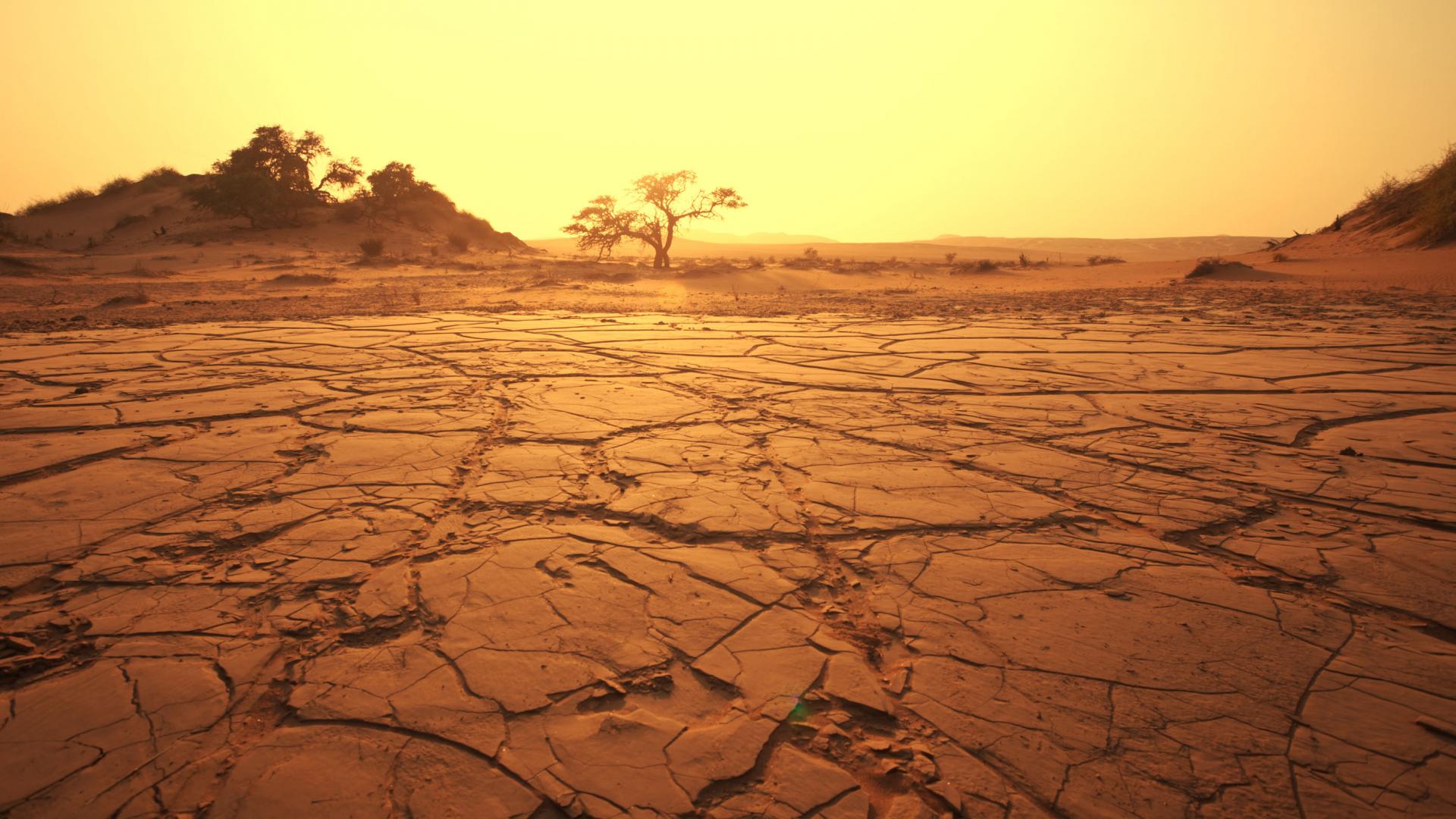
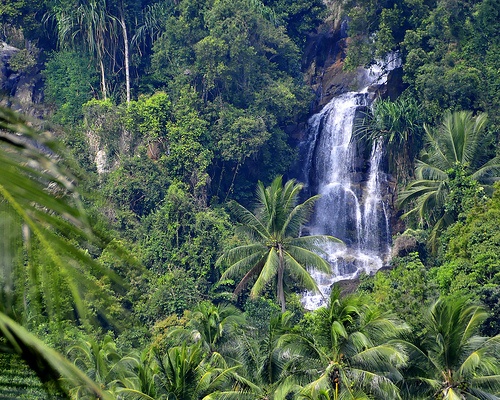
d)
Mutualist
11.
An organism that lives by breaking apart dead organic matter into simpler parts is...
a)
scavenger
b)
consumer
c)
decomposer
d)
carnivore
12.
If there is 1000 Kcal available in the producers in trophic level 1, how much energy is available in the herbivores in trophic level 2?
a)
10 Kcal
b)
1 Kcal
c)
100 Kcal
d)
1000 Kcal
13.
A food pyramid represent the relative amount of energy in trophic levels. Which of the following correctly shows a food pyramid?
a)
A
b)
B
c)
C
d)
D
14.

Which organisms in figure 1 could be classified as carnivores?

a)

deer, mice, and grasshoppers

b)

grasshoppers, lizards, and shrews

c)

coyotes, shrews, and lizards

d)

mountain lion, deer, and shrews

15.
The diagram represents a pyramid of energy in an ecosystem.  Which level would most likely contain members of the plant kingdom?
a)
A
b)
B
c)
C
d)
D
16.

What do the arrows in a food web represent?

a)

mass

b)

energy flow

c)

matter

d)

organisms

17.
What might happen if you remove a primary consumer from the ecosystem?
a)
There would be more food for secondary consumers.
b)
The number of primary consumers would increase.
c)
The number of plants would increase.
d)
The number of secondary consumers would increase.
18.

In the food web pictured here, flies provide energy for...

a)

Dragonflies, Turtles, & Frogs

b)

Slugs & Fish

c)

Water Weeds & Algae

d)

Snakes, Frogs, & Kingfishers

19.

Which trophic level contains 'secondary consumers'?

a)

Red

b)

Blue

c)

Green

d)

Yellow

20.

What are all the terms that can be used to describe the Orca whale? Check all that apply!

a)

Producer/Autotroph

b)

Consumer/Heterotroph

c)

Carnivore

d)

Top predator

e)

Primary Consumer

21.
What stage occurs in the water cycle when water vapor cools?
a)
evaporation
b)
condensation
c)
sublimation
d)
transpiration
22.

What step of the water cycle is when plants gives off water vapor?

a)

evaporation

b)

transpiration

c)

sublimation

d)

condensation

23.
Rain, sleet, snow, and hail are all forms of _____.
a)
Percolation
b)
Evaporation
c)
Condensation
d)
Precipitation
24.
Which of the following best explains why nitrogen fixation must take place?
a)
Atmospheric nitrogen is unusable to plants and animals
b)
Nitrogen must be returned to the atmosphere
c)
Animals must breathe in nitrogen
d)
Nitrogen gets "stuck" in the soil and must be untrapped
25.
What is the overall purpose of photosynthesis?
a)
To use energy from the sun to produce food for the plant
b)
To use energy from the sun to produce oxygen for animals to breathe
c)
To break down food in order to produce energy (ATP)
d)
To break down food in order to produce carbon dioxide
26.
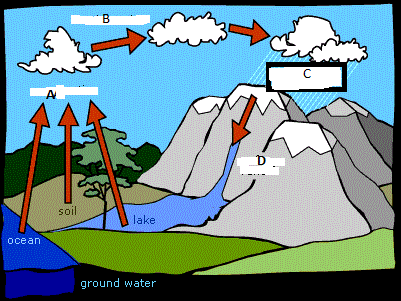
What is A?
a)
Evaporation
b)
Condensation
c)
Precipitation
d)
Runoff
27.
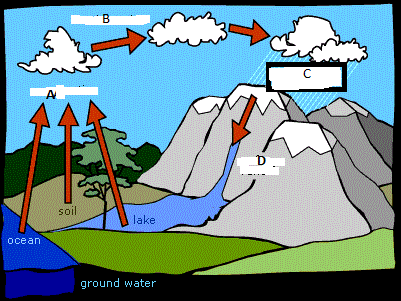
What is B?
a)
Evaporation
b)
Condensation
c)
Precipitation
d)
Runoff
28.
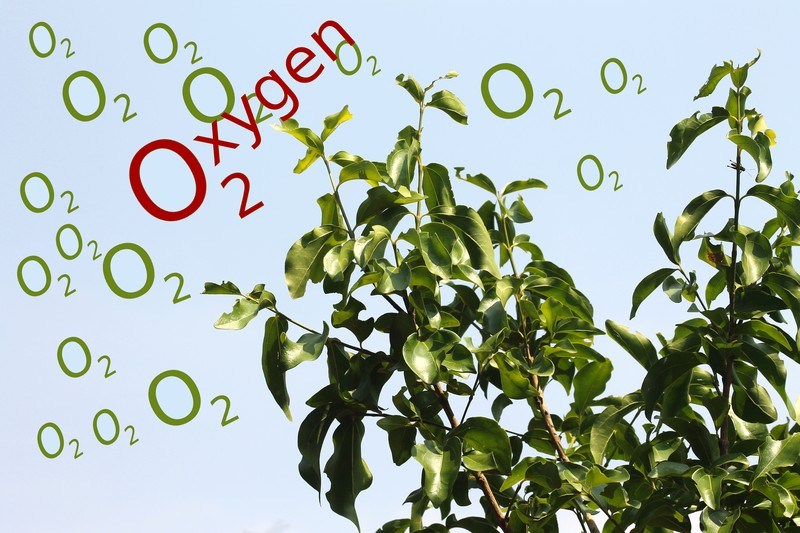
What gas is released by plants from the process of photosynthesis?
a)
air
b)
carbon dioxide
c)
oxygen
d)
hydrogen
29.
Photosynthesis
a)
absorbs CO2
b)
releases CO2
30.
How animals get the nitrogen they need
a)
from the air they breathe
b)
from the water they drink
c)
from the food they eat
d)
from the Sun
31.
Organism that breaks down dead plants & animals and releases nitrogen back into atmosphere
a)
bacteria
b)
plants
c)
animals
d)
producers
32.
When nitrogen gas is turned in to a form that plants and animals can use is called 
a)
Combustion
b)
Photosynthesis
c)
Decomposition
d)
Nitrogen Fixation
33.

Which process converts glucose (which includes carbon) into carbon dioxide gas (CO2)?

a)

Bioremediation

b)

Photosynthesis

c)

Cellular respiration

d)

Transpiration

34.

Which 3 choices adds carbon to the atmosphere? (make sure to select all 3.)

a)

Combustion

b)

Respiration

c)

Photosynthesis

d)

Death & Decomposition

35.

Which describes the relationship between plants and animals in the carbon cycle?

a)

Plants produce and release oxygen that animals need

b)

Plants produce and release carbon dioxide that animals need

c)

Animals produce and release oxygen that plants need

d)

Animals produce oxygen that plants turn into carbon dioxide

36.

What converts nitrogen gas (N2) into a usable form for plants and animals?

a)

bacteria

b)

rain

c)

fungi

d)

car exhaust

37.

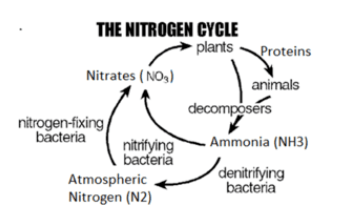
According to this diagram, plants use nitrogen to make _________________________

a)

bacteria

b)

animals

c)

proteins

d)

decomposers

38.

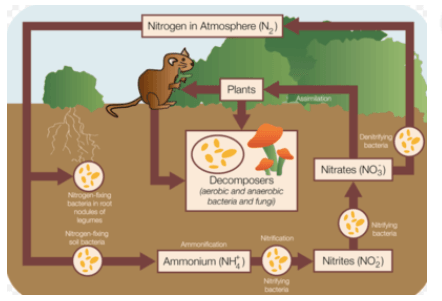
The conversion of nitrogen into ammonia is called

a)

assimilation.

b)

denitrification.

c)

fixation.

d)

ammonification.

39.

A correct path that nitrogen could take would be

a)

air -> animals -> plants -> bacteria

b)

animals -> air -> bacteria -> plants

c)

bacteria -> air -> plants -> animals

d)

air -> bacteria -> plants -> animals

40.

After plants and animals contain nitrogen, what puts it back into atmosphere and soil?

a)

decomposition

b)

precipitation

c)

condensation

d)

nitrogen fixation

41.
Carbon can be found in...
a)
The atmosphere
b)
Soil
c)
Fossil fuels
d)
All of the above
42.
Respiration is the process by which animals take in _____ and release _____. 
a)
photosynthesis, air
b)
carbon, oxygen
c)
oxygen
d)
oxygen, carbon dioxide
43.
a treeless biome that has permafrost
a)
Tundra
b)
Desert
c)
Taiga
d)
Deciduous
44.
the trees in this biome are characterized by needle-like leaves that are called conifers
a)
Desert
b)
Taiga
c)
Tundra
d)
Grasslands
45.
this cold biome has tall trees that photosynthesize all year round
a)
Tundra
b)
Tropical Rainforest
c)
Taiga
d)
Deciduous
46.
Plants in this biome are adapted to poor soil, extreme temperatures and less than 25 centimeters of rainfall per year.
a)
Tundra
b)
Taiga
c)
Desert
d)
Grasslands
47.
this biome has rich, fertile soil and much of the crop production in the U.S. is from this biome
a)
Grasslands
b)
Tundra
c)
Desert
d)
Tropical Rainforest
48.
this biome has the largest diversity (largest number of different kinds) of plant and animal species
a)
Desert
b)
Tundra
c)
Deciduous Forest
d)
Tropical Rainforest
49.
lichens, mosses, grasses, and other low-growing plants are common vegetation in this biome due to the permafrost, low rainfall, and very cold temperatures
a)
Desert
b)
Taiga
c)
Tundra
d)
Grasslands
50.
cacti are the main plant associated with this biome
a)
Desert
b)
Tundra
c)
Taiga
d)
Grasslands
51.
This biome's soil can be described as permafrost
a)
Taiga
b)
Tundra
52.
This biome gets the highest percentage of rain yearly
a)
Taiga
b)
Temperate Deciduous Forest
c)
Tropical Rainforest
d)
Grasslands
53.
A large ecosystem is called a ______
a)
Ecosystem
b)
Habitat
c)
Biome
d)
Niche
54.
What is the main factor that separates the biomes?
a)
Land
b)
Water
c)
Climate
d)
Longitude
55.
Which biome is the driest?
a)
Desert
b)
Tundra
c)
Taiga
d)
Rainforest
56.
Which Biome has permafrost?
a)
Temperate Forest
b)
Rainforest
c)
Taiga
d)
Tundra
57.
Which biome has deciduous trees (which lose their leaves)?
a)
Temperate Forest
b)
Rainforest
c)
Grasslands
d)
Taiga
58.
Which biome has coniferous trees (which don't lose their leaves)?
a)
Taiga
b)
Temperate Forest
c)
Tundra
d)
Grasslands
59.
Which biome has wide-open fields of grass?
a)
Taiga
b)
Grasslands
c)
Temperate Forest
d)
Rainforest
60.
Which biome has the most variety of plants and animals?
a)
Temperate Forest
b)
Rainforest
c)
Tundra
d)
Grasslands
61.
Which biome has 4 seasons?
a)
Taiga
b)
Tundra
c)
Grasslands
d)
Temperate Forest
62.
Which biome is home to lions, zebras, wildebeests, giraffes, and elephants?
a)
Grasslands
b)
Tundra
c)
Rainforest
d)
Temperate Forest
63.
Which biome is home to cacti, scorpions, coyotes, kangaroo rats, and lizards?
a)
Desert
b)
Grasslands
c)
Temperate Forest
d)
Taiga
64.
Which biome produces over 50% of the world's oxygen?
a)
Rainforest
b)
Temperate Forest
c)
Grasslands
d)
Taiga
65.
Temperature, light, air, water, and soil are all  _____  parts of the environment
a)
alive
b)
biotic 
c)
abiotic
d)
living
66.
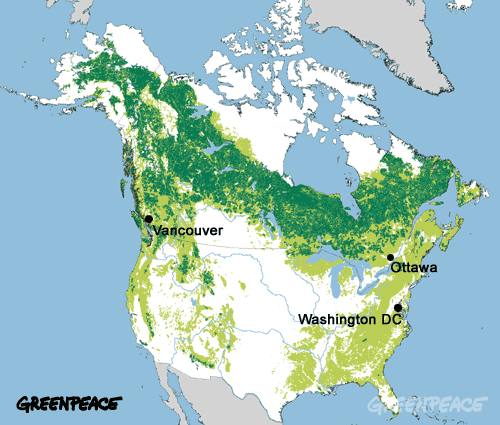
Which biome is Canada in?
a)
Tundra
b)
Taiga
c)
Temperate Forest
d)
Desert
67.
Biotic factors of an ecosystem are:
a)
non-living
b)
plants
c)
living thing
d)
soil
68.
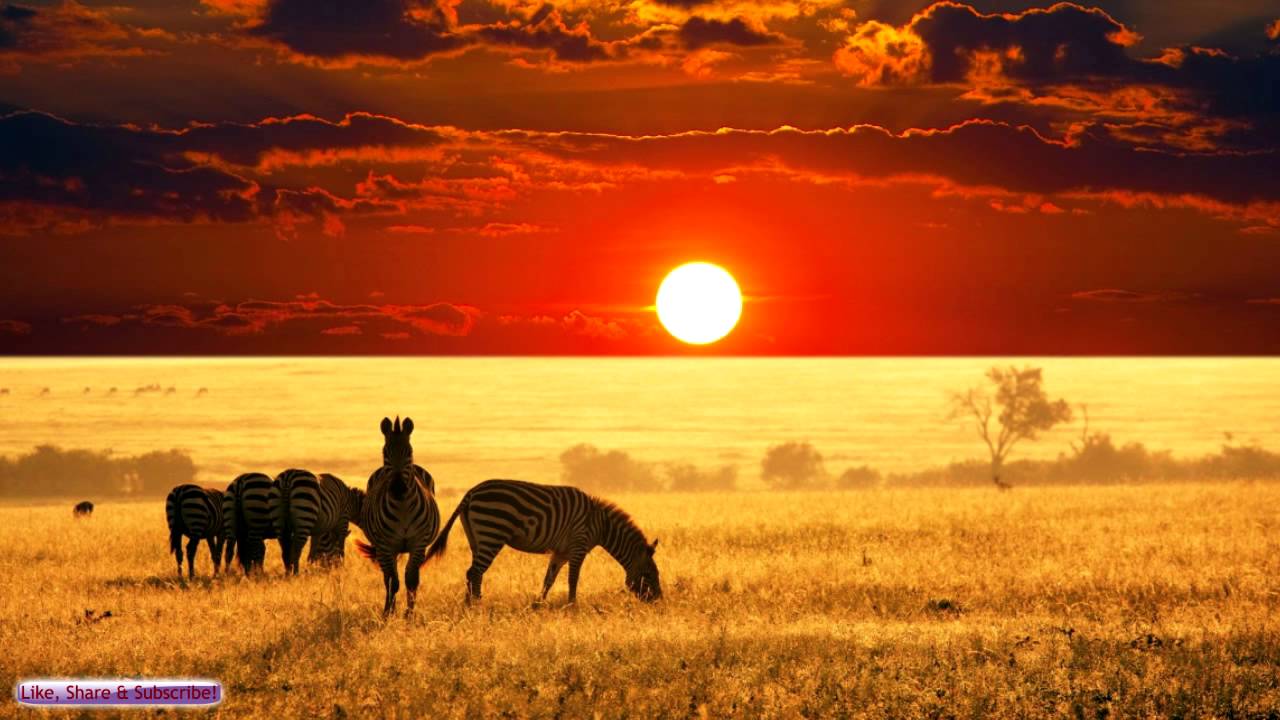
What is the African Savanna considered?
a)
Ocean
b)
Forest
c)
Grassland
d)
Tundra
69.
Algae, crayfish, trout, and frogs live in this biome.
a)
Marine
b)
Freshwater
c)
Tundra
d)
Taiga
70.
What biome do whales, sharks, and coral reefs live in?
a)
Freshwater
b)
Savanna
c)
Marine
d)
Fauna
71.
This forest is split into "layers" where organisms live.
a)
Deciduous Forest
b)
Tropical Rain Forest
c)
Coniferous Forest
d)
None of these
72.
The biome known for trees with broad leaves that fall off the trees in the winter.
a)
Coniferous Forests
b)
Deciduous Forests
c)
Deserts
d)
Tropical Rain Forests
73.
A large ecosystem is called a ______
a)
Ecosystem
b)
Habitat
c)
Biome
d)
Niche
74.
What is the main factor that separates the biomes?
a)
Land
b)
Water
c)
Climate
d)
Longitude
75.
Which biome is the driest?
a)
Desert
b)
Tundra
c)
Taiga
d)
Rainforest
76.
Which Biome has permafrost?
a)
Temperate Forest
b)
Rainforest
c)
Taiga
d)
Tundra
77.
Which biome has deciduous trees (which lose their leaves)?
a)
Temperate Forest
b)
Rainforest
c)
Grasslands
d)
Taiga
78.
Which biome has coniferous trees (which don't lose their leaves)?
a)
Taiga
b)
Temperate Forest
c)
Tundra
d)
Grasslands
79.
Which biome has wide-open fields of grass?
a)
Taiga
b)
Grasslands
c)
Temperate Forest
d)
Rainforest
80.
Which biome has the most variety of plants and animals?
a)
Temperate Forest
b)
Rainforest
c)
Tundra
d)
Grasslands
81.
Which biome has 4 seasons?
a)
Taiga
b)
Tundra
c)
Grasslands
d)
Temperate Forest
82.
Which biome is home to lions, zebras, wildebeests, giraffes, and elephants?
a)
Grasslands
b)
Tundra
c)
Rainforest
d)
Temperate Forest
83.
Which biome is home to cacti, scorpions, coyotes, kangaroo rats, and lizards?
a)
Desert
b)
Grasslands
c)
Temperate Forest
d)
Taiga
84.
Which biome produces over 50% of the world's oxygen?
a)
Rainforest
b)
Temperate Forest
c)
Grasslands
d)
Taiga
85.
Temperature, light, air, water, and soil are all  _____  parts of the environment
a)
alive
b)
biotic 
c)
abiotic
d)
living
86.
Which biome is Canada in?
a)
Tundra
b)
Taiga
c)
Temperate Forest
d)
Desert
87.
Biotic factors of an ecosystem are:
a)
non-living
b)
plants
c)
living thing
d)
soil
88.
What is the African Savanna considered?
a)
Ocean
b)
Forest
c)
Grassland
d)
Tundra
89.
Algae, crayfish, trout, and frogs live in this biome.
a)
Marine
b)
Freshwater
c)
Tundra
d)
Taiga
90.
What biome do whales, sharks, and coral reefs live in?
a)
Freshwater
b)
Savanna
c)
Marine
d)
Fauna
91.
This forest is split into "layers" where organisms live.
a)
Deciduous Forest
b)
Tropical Rain Forest
c)
Coniferous Forest
d)
None of these
92.
The biome known for trees with broad leaves that fall off the trees in the winter.
a)
Coniferous Forests
b)
Deciduous Forests
c)
Deserts
d)
Tropical Rain Forests
93.

Identify an a example of an abiotic factor

a)

Hair

b)

Dead squirrel

c)

Grass

d)

Sunlight

94.

The ability to conserve (save) water is a crucial adaptation for organisms in which biome?

a)

Tropical rainforest

b)

Temperate forest

c)

Desert

d)

Taiga (Coniferous forest)

95.

Which two biomes have the least inches of precipitation (snow and rainfall)?

a)

temperate grassland and desert

b)

savanna and desert

c)

tundra and desert

d)

taiga and desert

96.

This biome is found around the equator and is home to a large amount of species biodiversity.

a)

Deserts

b)

Tropical rainforests

c)

Savannas

d)

Taiga

e)

Tundra

97.

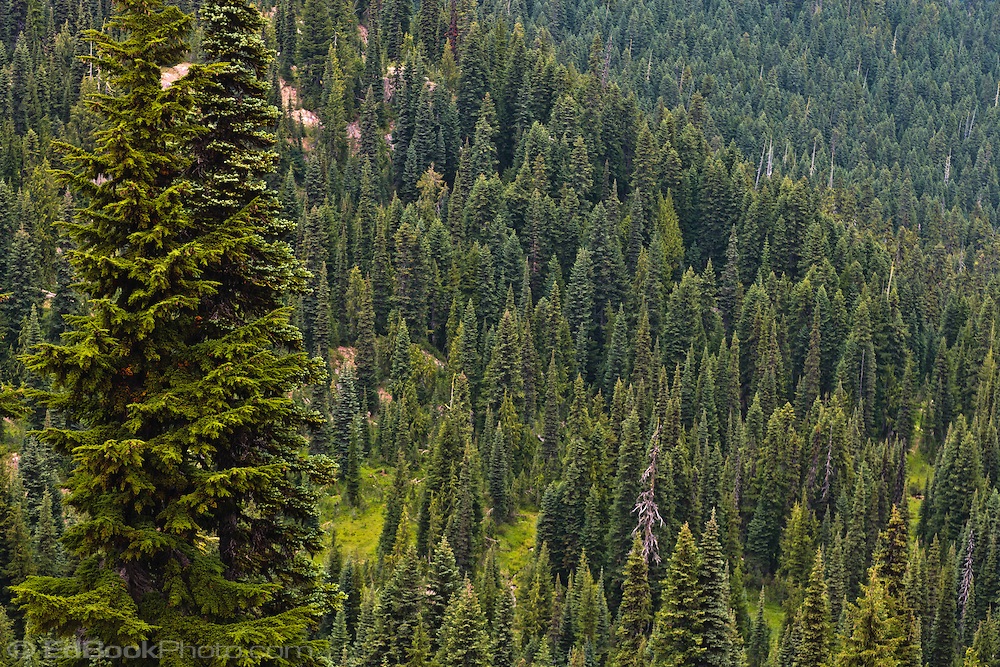
Which biome?

a)

Taiga

b)

Savanna

c)

Temperate Deciduous Forest (Temperate Forest)

d)

Tundra

e)

Tropical Rainforest

98.

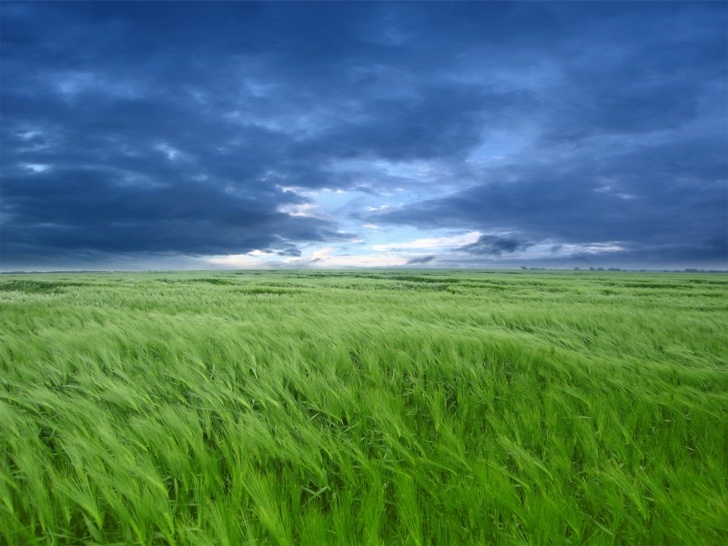
Which biome?

a)

Temperate Deciduous Forest

b)

Temperate Grassland

c)

Tropical Rainforest

d)

Savanna

e)

Tundra

99.

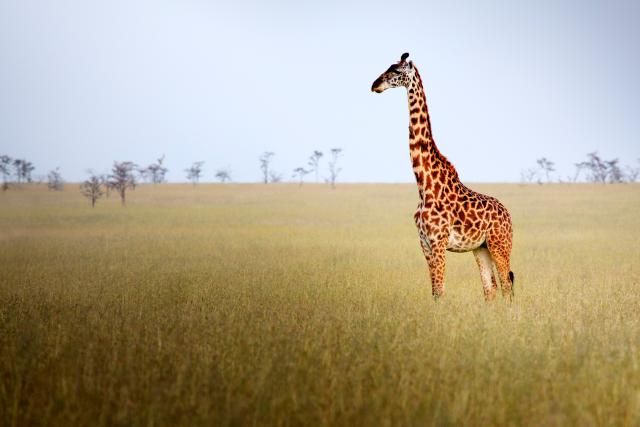
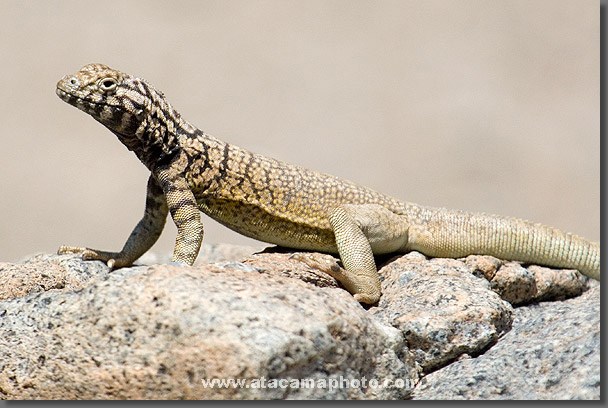
In which biome would you MOST LIKELY find this organism?

a)

Savanna

b)

Temperate deciduous forest

c)

Temperate grassland

d)

Tundra

e)

Tropical rainforest

100.

Which biome contains large populations of grazing herbivores, few species of birds, and deep, rich soil?

a)

Taiga (Coniferous forest)

b)

Desert

c)

Temperate deciduous forest (Temperate forest)

d)

Temperate grassland (Prairie)

101.

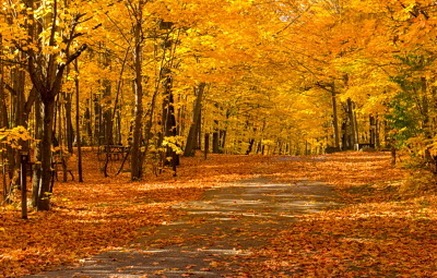
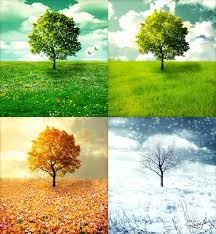
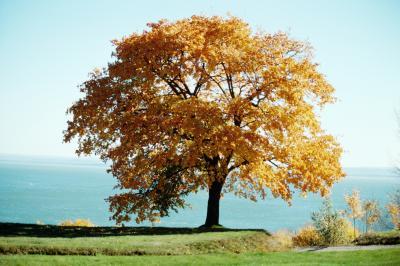
Which biome would this tree most likely be found in? (Hint: Examine how the tree changes over the four seasons)

a)

Taiga (Coniferous Forest)

b)

Tundra

c)

Tropical Rainforest

d)

Temperate Deciduous Forest

102.

Which biome is home to cacti, scorpions, coyotes, kangaroo rats, and lizards?

a)

Desert

b)

Temperate grasslands

c)

Temperate forest

d)

Taiga

e)

Tropical rainforest

103.

This biome, also called the coniferous forest, has dense forests of conifers (cone-bearing evergreen trees). Temperatures are cold, but soil is not completely frozen.

a)

Tundra

b)

Taiga

c)

Temperate Forest (Temperate Deciduous Forest)

d)

Savanna

e)

Tropical Rainforest

104.

Which biome has less than 10 inches of rain each year?

a)

Savanna

b)

Temperate Deciduous Forest

c)

Desert

d)

Tropical Rainforest

105.

The three-toed sloth is adapted to living in a hot, humid climate with lush vegetation and no seasons. What biome would you most liked find this organism?

a)

Temperate Deciduous Forest (Temperate Forest)

b)

Tropical Rainforest

c)

Savanna

d)

Taiga

e)

Desert

106.

Mark ALL biotic factors

a)

Teeth

b)

Grass

c)

Oxygen

d)

Water

107.

The savanna biome has how many seasons?

a)

No seasons

b)

Two seasons - a long dry season and a shorter wet season

c)

Four seasons- spring, summer, fall, winter

108.

The biome pictured is the

a)

desert

b)

savanna

c)

tropical rainforest

d)

taiga

e)

tundra

109.

In which biome is the ground frozen all year round?

a)

Temperate grassland

b)

Taiga

c)

Tundra

d)

Deciduous Forest (Temperate Forest)

e)

Desert

110.

Which biome is hot and humid all year round with plenty of rain?

a)

Desert

b)

Tropical rainforest

c)

Taiga

d)

Temperate forest

e)

Savanna

111.

The following animals are common to which biome?

(polar bear, walrus, arctic fox, seal, penguin, snowy owl, caribou, arctic hare, musk oxen)

a)

Tundra

b)

Taiga

c)

Temperate Forest

d)

Tropical Rainforest

e)

Desert

112.

The following animals are common to which biome? (anaconda, gorilla, monkey, toucan bird, red-eyed tree frog, python, jaguar, three-toed sloth, anteater, macaw bird)

a)

Deciduous Forest (Temperate Forest)

b)

Tropical Rainforest

c)

Tundra

d)

Taiga (Coniferous Forest)

e)

Desert