
 Worksheets
Weathering Erosion Deposition
Total questions: 110
Worksheet time: 4hrs 26mins
Name
Class
Date
1.
The growth of plant roots and animal activity may result in ________________.
a)
erosion
b)
mechanical weathering
c)
chemical weathering
d)
abrasion
2.
The definition of weathering is _______________________.
a)
the carrying away of rock
b)
the leaching of rock
c)
the breaking down of rock
d)
the permeability of rock
3.
The agent of mechanical weathering in which rock is worn away by the grinding action of other rock particles is called _______________.
a)
plant growth
b)
oxygen
c)
abrasion
d)
ice wedging
4.
The most important factors in determining the rate of weathering are _____________________.
a)
carbon dioxide and acid rain
b)
abrasion and acids from plant roots
c)
animal actions and oxygen
d)
rock type and climate
5.
What kind of weathering causes the mineral composition of rock to change?
a)
mechanical weathering
b)
permeable weathering
c)
chemical weathering
d)
general weathering
6.
Mechanical weathering is the removal of rock particles by gravity, wind, water, and ice.
a)
true
b)
false
7.
Which of the following is a type of mechanical weathering?
a)
abrasion
b)
plant growth
c)
freezing and thawing
d)
all of the above
8.
In the fall, Winston noticed a small crack on a boulder where he played in his backyard. The following spring, he saw that the small crack was much larger than he remembered. What most likely caused the change?
a)
gravity had caused the rock to shift
b)
acid rain had caused the crack to erode
c)
winds had caused the rock to break down
d)
water had frozen and thawed inside the rocks
9.
What is the relationship between wind erosion and plant cover?
a)
More plants means less erosion
b)
More plants means more erosion
c)
There is no relationship
d)
Less plant cover means less erosion
10.
When plants, animals, and other organisms die, they break down and become part of the soil. What is this part of the soil called?
a)
sand
b)
silt
c)
clay
d)
humus
11.
Rock samples brought back from the moon show absolutely no evidence of weathering. This is MOST LIKELY due to ______________________________.
a)
the lack of atmosphere on the moon
b)
extremely low surface temperatures on the moon
c)
lack of biological activity on the moon
d)
lack of running water on the surface of the moon
12.
What force causes all types of mass movement?
a)
convection
b)
temperature
c)
gravity
d)
compaction
13.

Which layer of soil has more dead things in it?
a)
Top Soil
b)
Sub soil
c)
Parent materials
d)
Bed rock
14.
What layer has lots of rocks?
a)
Top soil
b)
sub soil
c)
Parent materials
d)
Bed rock
15.

Humus is.....
a)
the dead parts of plants and animals in soil.
b)
A food we eat with pretzels.
c)
The tiny particles inside of soil
d)
The roots that come off of a plant and live in soil.
16.

Layers of soil are also known as:
a)
Soil Profiles
b)
Soil Horizons
c)
Soil sheets
d)
Soil cores
17.

What is plowing in curved rows that follow the shape of the land?
a)
contour plowing
b)
soil
c)
subsoil
d)
terrace farming
18.

What do you call the planting of crops on slopes, hills, or mountains in level sections?
a)
contour plowing
b)
subsoil
c)
terrace farming
d)
topsoil
19.
Substances that fill the spaces between soil particles are...
a)
water and air
b)
humus and weathered rock
c)
sand and clay
d)
moss and lichens
20.
Which of the following improves the fertility of soil by breaking down once living matter and adding oxygen to the soil.
a)
plant roots
b)
rock particles
c)
sunlight
d)
worms
21.

Wind blows sand onto rocks and slowly breaks down the rock
a)
Mechanical Weathering
b)
Chemical Weathering
c)
Erosion
d)
Deposition
22.

A mudslide dumps a large pile of mud onto a road
a)
Mechanical Weathering
b)
Chemical Weathering
c)
Erosion
d)
Deposition
23.

Water gets into cracks of a rock, when the water freezes it breaks up the rock
a)
Mechanical Weathering
b)
Chemical Weathering
c)
Erosion
d)
Deposition
24.

Waves wash sand onto land until a beach is formed
a)
Mechanical Weathering
b)
Chemical Weathering
c)
Erosion
d)
Deposition
25.

A flash flood washes away the side of a river bank
a)
Mechanical Weathering
b)
Chemical Weathering
c)
Erosion
d)
Deposition
26.

A river carries dirt and mud out of the land it runs through
a)
Mechanical Weathering
b)
Chemical Weathering
c)
Erosion
d)
Deposition
27.

Wind blows sand into the desert where it collects in giant piles called sand dunes
a)
Mechanical Weathering
b)
Chemical Weathering
c)
Erosion
d)
Deposition
28.

small islands made of sediment called deltas form at the end of rivers
a)
Mechanical Weathering
b)
Chemical Weathering
c)
Erosion
d)
Deposition
29.
Rain washes away dirt from a hillside
a)
Mechanical Weathering
b)
Chemical Weathering
c)
Erosion
d)
Deposition
30.

Wind blows sand out of the dessert
a)
Mechanical Weathering
b)
Chemical Weathering
c)
Erosion
d)
Deposition
31.
A stream widens into a river over time as the sides get worn away
a)
Mechanical Weathering
b)
Chemical Weathering
c)
Erosion
d)
Deposition
32.

A rock sits on a river for 100 years and is worn down until it is smooth
a)
Mechanical Weathering
b)
Chemical Weathering
c)
Erosion
d)
Deposition
33.

Acid rain melts the features of a statue
a)
Mechanical Weathering
b)
Chemical Weathering
c)
Erosion
d)
Deposition
34.

Salt water eats away at rock
a)
Mechanical Weathering
b)
Chemical Weathering
c)
Erosion
d)
Deposition
35.
Removing Sediment from a location
a)
Mechanical Weathering
b)
Chemical Weathering
c)
Erosion
d)
Deposition
36.
Adding sediment to a location
a)
Mechanical Weathering
b)
Chemical Weathering
c)
Erosion
d)
Deposition
37.
Breaking a rock down into smaller pieces (sediment) by physical force
a)
Mechanical Weathering
b)
Chemical Weathering
c)
Erosion
d)
Deposition
38.
Breaking a rock down into smaller pieces (sediment) using chemicals
a)
Mechanical Weathering
b)
Chemical Weathering
c)
Erosion
d)
Deposition
39.

The small peices of rock that break off of a larger rock during weathering are called...
a)
Sediment
b)
Salt
c)
Erosion
d)
Deposition
40.
sediment settles and builds up layers on the bottom of the ocean
a)
Sediment
b)
Salt
c)
Erosion
d)
Deposition
41.
The process that breaks down rocks and other materials on Earth's surface is called
a)
weathering
b)
erosion
c)
soil conservation
d)
decomposition
42.

What is mechanical weathering?
a)
Process through which rocks are physically broken into smaller pieces.
b)
Rocks are broken down through chemical changes.
c)
Rocks are worn away from acid in plant roots.
d)
Rocks broken down by machinery.
43.
How does freezing water cause the weathering of rocks? The freezing water—
a)
keeps the rocks in place
b)
makes the rocks last longer
c)
expands cracks and breaks rocks
d)
causes rocks to fall in landslides
44.
Waves dropping sand on the beach
a)
Weathering
b)
Erosion
c)
Deposition
45.
Wind blowing sand from one location to another
a)
Weathering
b)
Erosion
c)
Deposition
46.
Flood waters moving soil from one location to another
a)
Weathering
b)
Erosion
c)
Deposition
47.
Wind blasting sand at rock and carving out arches
a)
Weathering
b)
Erosion
c)
Deposition
48.
What is the major cause of weathering and erosion to form canyons?
a)
wind
b)
ice
c)
glaciers
d)
moving water
49.
What is the correct order of the processes?
a)
they all happen at the same time
b)
erosion, weathering, deposition
c)
weathering, erosion, deposition
d)
weathering, deposition, erosion
50.
What is the small broken down pieces of rock called?
a)
dirt
b)
grime
c)
sediment
d)
popcorn
51.
What is physical weathering?
a)
The process that breaks down rock
through dissolving rock and chemical
changes.
through dissolving rock and chemical
changes.
b)
Process by which rocks are broken down
into smaller pieces.
into smaller pieces.
52.
Which landforms can be created by deposition?
a)
plateaus and mesas
b)
canyons and valleys
c)
prairies, plains
d)
sand dunes and deltas
53.
What is chemical weathering?
a)
The process that breaks down rock
through dissolving rock and chemical
changes.
through dissolving rock and chemical
changes.
b)
Process by which rocks are broken down
into smaller pieces.
into smaller pieces.
54.
Water getting into cracks, freezing, and breaking the rocks or pavement apart is called?
a)
Weathering
b)
Erosion
c)
Deposition
55.
A mudslide flowing down a steep hill is called?
a)
Weathering
b)
Erosion
c)
Deposition
56.
The process of moving weathered rock and depositing it in another location is called?
a)
weathering
b)
erosion
c)
deposition
57.

How do plants weather rocks?
a)
during photosynthesis
b)
when roots grow into cracks of rocks and expand the rock
c)
when the plant moves water from the roots to the leaves
58.
All of these things cause rocks to wear and break down EXCEPT... ?
a)
Glaciers
b)
Wind blowing sand
c)
Solar Eclipse
d)
Fast Moving water
59.
Which of the following is not a form of weathering?
a)
Cows grazing in the fields
b)
Rocks rubbing against each other
c)
A tree roots growing through the concrete
d)
Snow and Ice breaking a rock
60.

A cliff formed near the ocean. Which statement best describes how this cliff formed?
a)
Warm air melted the rock.
b)
Sun rays evaporated the rock.
c)
Ocean waves washed away rock.
d)
Plant roots pushed away the rock.
61.

What is an enormous mass of ice moving over land, causing weathering of rock and soil?
a)
A glacier
b)
An iceberg
c)
An ice wedge
d)
A sand dune
62.

An avalanche is an example of which process?
a)
Weathering
b)
Erosion
c)
Deposition
d)
Volcanic Eruption
63.
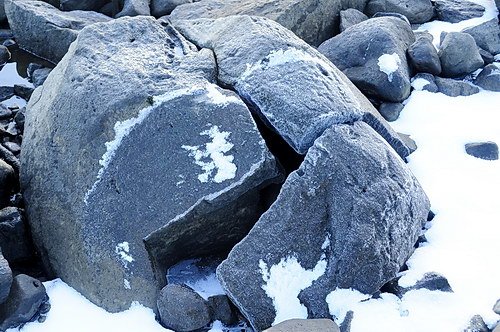
How does freezing water cause the weathering of rocks? The freezing water—
a)
keeps the rocks in place.
b)
makes the rocks last longer.
c)
expands cracks and breaks rocks.
d)
causes rocks to fall in landslides.
64.
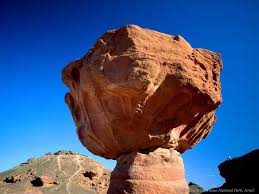
The process that breaks down rocks and other materials on Earth's surface is called
a)
Weathering
b)
Erosion
65.
A cliff formed near the ocean. Which statement best describes how this cliff formed?
a)
Warm air melted the rock.
b)
Sun rays evaporated the rock.
c)
Ocean waves washed away rock.
d)
Plant roots pushed away the rock.
66.

What is the process that picks up and moves weathered rocks?
a)
Erosion
b)
Landslide
c)
Weathering
67.

What causes the greatest erosion effect on our beaches?
a)
Waves
b)
Gravity
c)
Glaciers
d)
Wind
68.

The process by which water, ice, wind, or gravity moves weathered rock and soil from one place to another.
a)
Weathering
b)
Erosion
c)
Deposition
d)
Crop Rotation
69.

Which of these is an example of erosion?
a)
Light shining onto a mountain.
b)
Rain breaking down rocks on a mountain into smaller pieces.
c)
Wind blowing away sediment to a new place on the mountain.
d)
All of the above.
70.
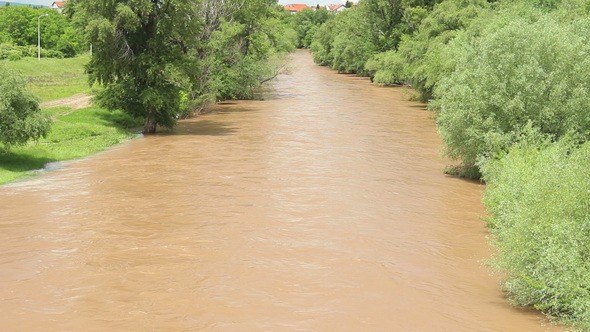
Muddy water being carried away by a fast-moving river is an example of
a)
Weathering
b)
Erosion
c)
A mess
d)
A nice place to swim
71.
What is an enormous mass of ice moving over land, causing weathering of rock and soil?
a)
A glacier
b)
An iceberg
c)
An ice wedge
d)
A sand dune
72.
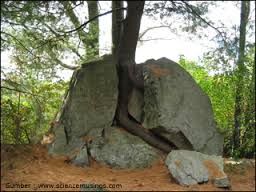
How do plants weather rocks?
a)
Plants don't weather rocks.
b)
When roots grow into cracks of rocks and expand the rock breaks.
c)
When the plant moves water from the roots to the leaves, the rock breaks.
73.
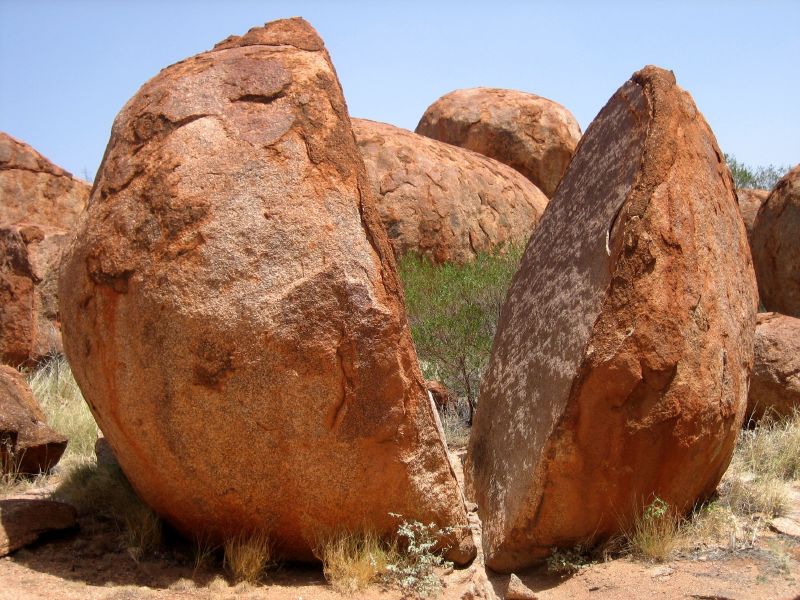
What is the wearing away or breaking down of rocks called?
a)
Weathering
b)
Erosion
c)
Glaciers
74.
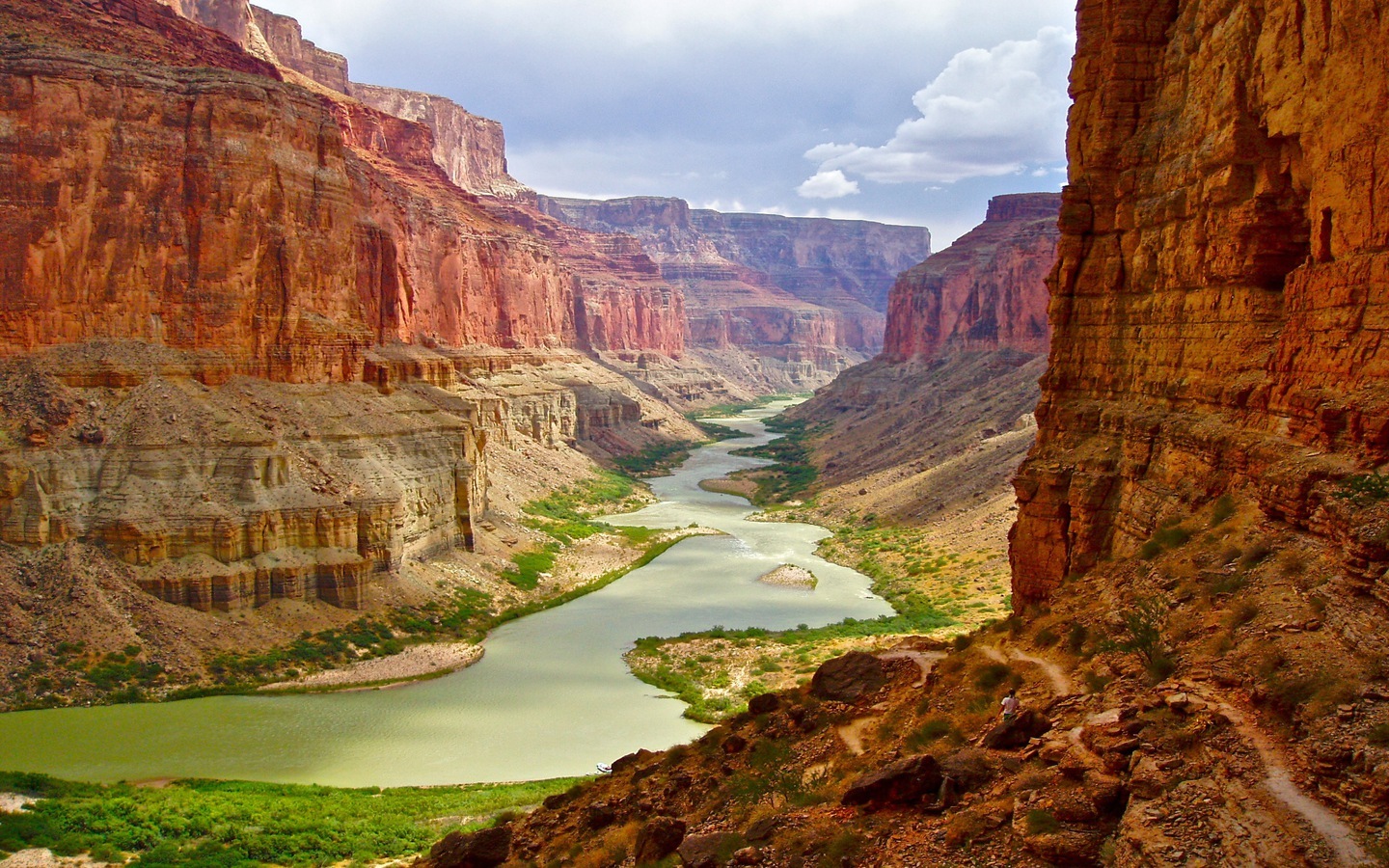
Flood water pounding against a canyon wall and wearing it down is an example of
a)
Weathering
b)
Erosion
c)
An avalanche
75.
Weathering and erosion are the same thing.
a)
True
b)
False
76.
Wind blowing sand from one location to another is called
a)
Weathering
b)
Erosion
77.
The process of carrying away weathered bits of rocks is called
a)
weathering
b)
erosion
78.
A mudslide flowing down a steep hill is called?
a)
Weathering
b)
Erosion
79.
The process of slowly breaking rocks into smaller pieces is called
a)
weathering
b)
erosion
80.
Flood water pounding against a canyon wall and wearing it down
a)
Weathering
b)
Erosion
c)
Deposition
81.
Rain washing away soil from a hillside
a)
Weathering
b)
Erosion
c)
Deposition
82.
Glaciers dropping rock and sand to form moraines (deposition of debris)
a)
Weathering
b)
Erosion
c)
Deposition
83.
Waves dropping sand on the beach
a)
Weathering
b)
Erosion
c)
Deposition
84.
Water getting into cracks, freezing, and breaking the rocks or pavement apart
a)
Weathering
b)
Erosion
c)
Deposition
85.
Wind blowing sand from one location to another
a)
Weathering
b)
Erosion
c)
Deposition
86.
Muddy water being carried away by a fast-moving river
a)
Weathering
b)
Erosion
c)
Deposition
87.
Flood waters moving soil from one location to another
a)
Weathering
b)
Erosion
c)
Deposition
88.
What is the major cause of weathering and erosion?
a)
wind
b)
ice
c)
glaciers
d)
moving water
89.
The process of breaking up rocks on Earth's surface is called...
a)
sediment
b)
erosion
c)
weathering
d)
deposition
90.
The process by which small pieces of rocks and soil are carried away to new locations is called...
a)
deposition
b)
erosion
c)
weathering
d)
faults
91.
Erosion and weathering are different processes that involve some of the same causes, such as wind, water, and ice. How is erosion different from weathering?
a)
Erosion is slower than weathering
b)
Erosion is faster than weathering
c)
Erosion breaks rocks and weathering moves rocks
d)
Erosion moves rocks and weathering breaks rocks.
92.
The water in a fast-moving river causes rocks to bump and scrape against one another. What will happen to these rocks over time?
a)
They will get larger
b)
They will get smaller
c)
They will get sharper
d)
They will get heavier
93.
Mrs. Estrada asks her science class to design an activity that will make rocks smooth like the ones they find near the river. Which activity shows how a river makes rocks smooth?
a)
Place the rocks in direct sunlight.
b)
Bury the rocks in soil under water.
c)
Put the rocks under a heavy weight.
d)
Shake the rocks in a container of water.
94.
There is a relationship between landforms and the movement of water. Given this relationship, which of the following landforms is the result of weathering?
a)
canyon
b)
desert
c)
forest
d)
mountain
95.
Which of the following is the correct definition of weathering?
a)
The breakdown of rocks
b)
The movement of rocks
c)
The hardening of rocks
d)
The formation of rocks
96.
Repeated freezing and thawing is an example of which of the following
a)
Weathering
b)
Erosion
c)
Deposition
97.

When sand settles on the beach after waves dropped it here. This is an example of:
a)
Weathering
b)
Erosion
c)
Deposition
d)
Draggin
98.
The process by which small pieces of rocks and soil are moved by natural forces is called...
a)
deposition
b)
erosion
c)
weathering
d)
faults
99.

The Grand Canyon is caused by which process: weathering, erosion or deposition?
a)
Weathing
b)
Erosion
c)
Deposition
d)
None of the Above
100.
Erosion can be caused by which of the following?
a)
Ice
b)
Water
c)
Wind
d)
All of the above
101.
A group of scientists is studying erosion on Florida Beaches. The scientists believe the beaches that have more plant life lose more sand after a hurricane. Which of the following would generate the best support of the scientists’ claim?
a)
counting and identifying the animal species who live on each beach
b)
making observations about the types of houses near each beach
c)
taking measurements of the depth of sand in several locations on each beach before and after a hurricane
d)
collecting samples of the different types of plants on each beach
102.
Gwen is doing research about beach erosion caused by hurricanes in Florida. Which of the following resources would be the LEAST reliable source of information?
a)
website written by a student on hurricane damage
b)
newspaper article about beach erosion
c)
website with research from a university professor
d)
encyclopedia entry about beach erosion
103.
True or false: Plants can cause weathering.
a)
True
b)
False
104.
Which of the following is the correct definition of weathering?
a)
The removal of rocks
b)
The dropping of rocks
c)
The breakdown of rocks
d)
None of the above
105.
Which of the following is the definition of erosion?
a)
The process of breaking down rock.
b)
The process that involve the movement of soil and rock.
c)
The dropping of rock.
d)
None of the above.
106.
Which of the following is not natural erosion?
a)
Pouring a glass of water on a rock.
b)
Wind Erosion- Movement of material by the wind.
c)
Water Erosion-Erosion cause by either raindrops or heavy rain.
d)
Shoreline Erosion- Occurs due to the action of currents and waves.
107.

Piles of sand deposited by wind are called what?
a)
Deltas
b)
Valleys
c)
Dunes
d)
Glaciers
108.
What is sediment?
a)
Bits of rock, sand, and silt caused by the weathering of rocks
b)
Decaying plant or animal material
c)
The process of rocks being broken down and carried away
d)
The top layer of the soil
109.
Plants prevent soil erosion by:
a)
Providing food for herbivores
b)
The process of photosynthesis
c)
Holding dirt in place with their roots
d)
Releasing water into the atmosphere through transpiration
110.
What happens when glaciers slowly move down a mountain?
a)
The glaciers cause erosion by taking sediment and moving it somewhere else.
b)
Nothing happens.
c)
The glaciers melt and form giant lakes.
d)
The glaciers melt and refreeze.
100 %

