
 Worksheets
Spring Final Review 2: Body Systems, Fungi, Plants, Ecology
Total questions: 60
Worksheet time: 55mins
Which is NOT a eukaryote?
Plants
Animals
Archaea
Protists
This occurs after a tube grows down from the pollen grain through the style to the ovary.
gravitropism
germination
fertilization
seed dispersal
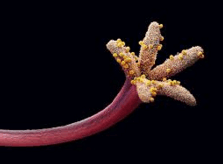
What is the tissue that is used to transport necessary materials throughout the plant?
Ground tissue
Transport tissue
Vascular tissue
Dermal tissue
Phloem-
transports water and minerals upward from roots to leaves
transports sugars upward from roots to leaves
transports water and minerals downward from leaves to roots
transports sugars downward from leaves to roots


what type of tropism is occurring here?
phototropism
thigmotropism
geotropism
tropictropism
The venus fly trap will close if a fly touches two hairs on the leaves. Which of the following tropisms does this show?
Phototropism
Gravitropism
Thigmotropism
Hydrotropism

What are the levels of organization in plants?
Plants have cells, but not tissues.
Plants are made up of cells, tissues, organs, and organ systems
Plants contain cells and tissues, but not organs.

In the picture, cuticle is labeled with _____.
A
B
C
D
E

When plants grow in towards the light, this is called:
Phototropism
Geotropism
Germination
Thigmotropism
cell membrane

Which of the following is NOT a function of the roots?
Store sugars
Absorb water and minerals
Anchor plant to the ground
Photosynthesis
Where do plants make their food?
Stem
Leaves
Roots
Soil
transport nutrients from food through body
What is homeostasis?
The maintenance of a constant internal environment
The maintenance of a constant external environment
The maintenance of an inconstant internal environment
Negative feedback
What organ is responsible for the majority of the absoption that occurs in the digestive system?
large intestine
small intestine
stomach
oral cavity
The teeth and tongue of the oral cavity break foodstuff down physically. This is an example of
mechanical digestion
chemical digestion
absorption
peristalsis
The involuntary muscle movement that moves food through the digestive system.
INGESTION
PERISTALYSIS
DIGESTION
ABSORPTION
Which of these 3 systems work together to get the body the oxygen and sugar that it needs to make ATP(energy)?
digestive, excretory, lymphatic
circulatory, respiratory, digestive
respiratory, excretory, lymphatic
digestive, circulatory, immune
The secretions from endocrine glands are called ________. These are complex chemicals that influence actions at distant sites and control body functions.
hormones
receptors
neurotransmitters
lymph
The nervous system uses ____ signals, while the endocrine system uses ___ signals.
electrical, chemical and electrical
chemical and electrical, electrical
chemical and electrical, chemical
electrical, chemical

The skin, hair and nails are part of which body system?
skeletal
muscular
digestive
integumentary
What is the function of lymph nodes?
carry excess lymph fluid away from tissues
drain lymph back into the circulatory system
filter foreign particles from the lymph
absorb fat from the gut
What is a major role of the endocrine system?
release hormones to control many body functions
digest and absorb food
transport nutrients through the blood
first line of defense from infection

A tick on an animal is an example of ___.
parasitism
mutualism
commensalism
predation

Oxpeckers (a type of bird) land on rhinos or zebras and eat ticks and other parasites that live on their skin. This relationship would be considered ___.
competition
mutualism
commensalism
parasitism

Only ___ of the available energy moves from primary consumers to secondary consumers through predation.
90%
20%
10%
1%
Barnacles are a type of crustacean (very tiny) that attach to whales. Barnacles cannot move on their own, so they use the whale to move around and find locations with food. Barnacles do not harm the whale.
predation
mutualism
parasitism
commensalism
Members of the same species in a defined area
Water, soil, plants, trees, and all aspects of the area in which an organism lives is its___.
habitat
niche
community
biosphere
Why are decomposers like bacteria and fungi crucial in ecosystems?
they parasitize large populations
they increase CO2 in the atmosphere
they return vital nutrients to the soil
they provide food for carnivores

Kudzu vine is native to Japan, but was first brought to the United States in 1876. It has spread so fast that it has earned the nickname, "the vine that ate the South," because it smothers trees. What is this an example of?
mass extinction
invasive species
predation
biomagnification

What is a niche?
Where an organism lives.
An organisms role, or job, within its ecosystem.
What an organism eats.
When a population continues to grow at a fast rate.
Exponential Growth
Logistic Growth
Carrying Capacity
Infinity Growth
The type of succession where the area has already been established but then disturbed or destroyed but the soil is still left intact and vegetation change happens much more quickly.
primary
secondary
tertiary
pioneer
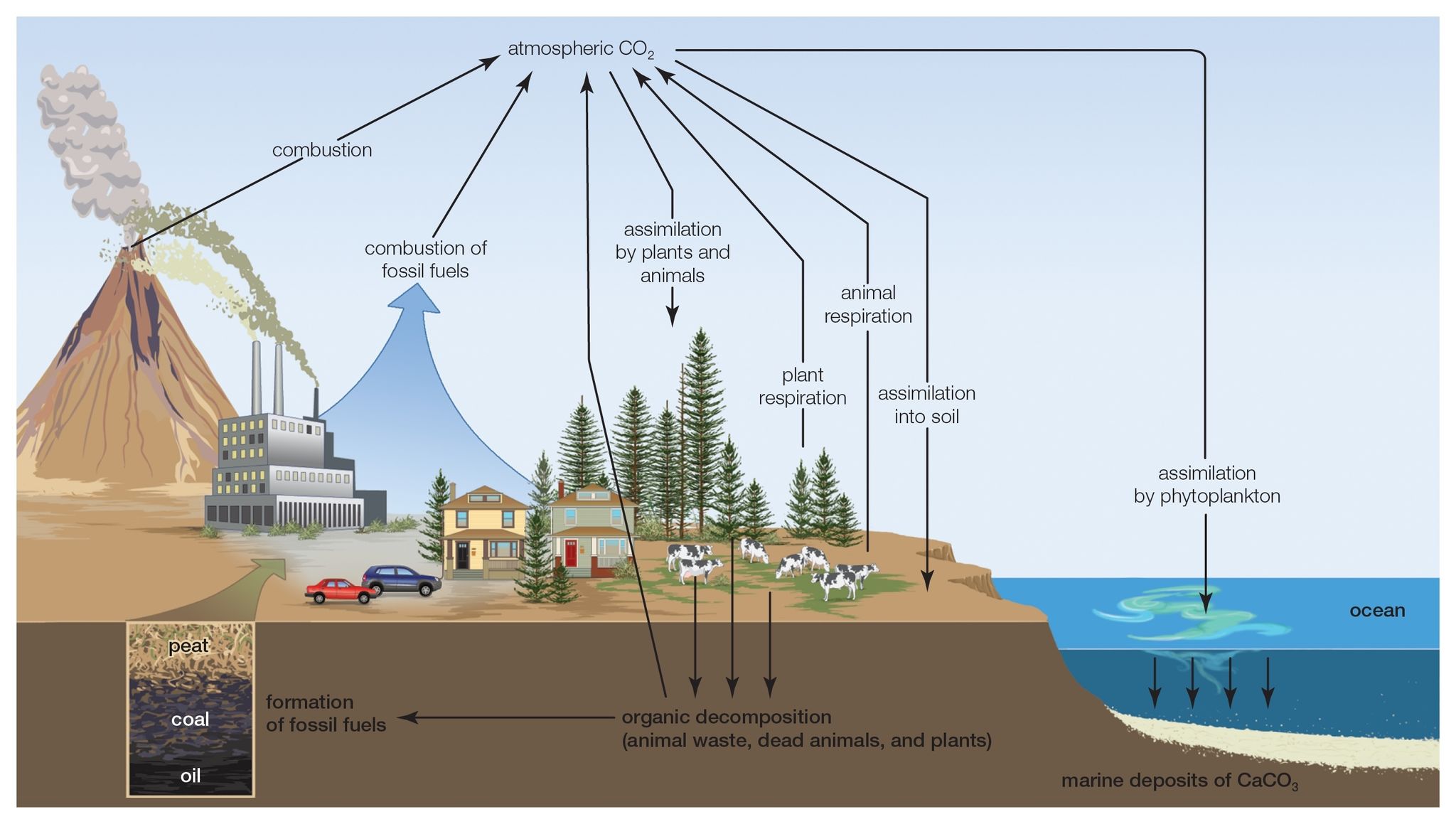
Which of the following ADDS carbon dioxide to the atmosphere?
plant respiration
animal respiration
A good example of the fragmentation of habitat would be _____.
Cutting down a forest to build a housing development.
Draining a swamp to develop the land.
Building a road through the woods.
Polluting the James River

This graph has an S shape. What type of growth does this represent?
Exponential
Logistic

