
 Worksheets
Science Review
Total questions: 90
Worksheet time: 2hrs 56mins

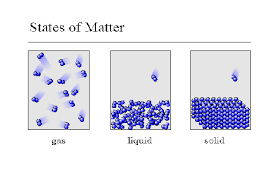
What state of matter is sugar?
Liquid
Solid
Gas

What state of matter is milk?
Liquid
Solid
Gas

The smoke is...
Liquid
Solid
Gas
Gases fill their entire container
False
True

This state of matter is turning from a solid to a ____?
liquid
Freezing
Gas
Solid

The heat from the sun is causing the water to _________.
evaporate
condensate
boil
freeze

The picture is an example of what state of matter?
Solid
liquid
gas
freezing

This heat is causing the water to _____.
freeze
boil
melt
condensate

The mass of the water in Beaker 4 is greater and the temperature is cooler than the water in Beaker 1.
The mass of the water in Beaker 1 is less and the temperature is warmer than the water in Beaker 3.
The mass of the water in Beaker 3 is less and the temperature is cooler than the water in Beaker 4.
The mass of the water in Beaker 2 is greater and the temperature is warmer than the water in Beaker 3.
For a solid to change to a liquid, heat must be __________ .
Added
Removed
When you add or remove heat to an object, you are adding or removing _________.
Mass
Energy
Volume
Matter

Removing energy from particles makes the particles
move faster
move slower
stop moving all together
remain the same
It is the amount of matter in an object.
volume
mass
weight
density
It refers to the space that matter occupies.
volume
mass
weight
density
What units do we use to measure mass?
meter
Celsius
kilogram/gram
Newton
Q4: Observable characteristics such as texture, color, size, and mass are known as...
combinations
states of matter
physical properties
scientific tools


What is the temperature at which a substance changes state from a liquid to a solid?
Boiling Point
Freezing Point
Conservation of mass
Melting Point
What is a change of matter in size, shape, or state that does not change the type of matter?
Boiling Point
Freezing Point
Physical Change
Conservation of mass
What is a physical combination of two or more substances that are blended together without forming new substances?
Mixture
Solution
Colloid
Distillation
What is a mixture of substances that are blended so completely that the mixture looks the same everywhere?
Mixture
Solution
Colloid
Solubility
What is any material’s properties that becomes evident during, or after, a chemical reaction?
Chemical Reaction
Chemical Properties
Chemical Change
Reactant
What is an event that occurs as two or more substances are combined to form a new substance?
Chemical Change
Chemical Property
Chemical Reaction
Precipitate


A physical change...
changes the physical properties of an object, but does not create a new substance.
creates a new substance and cannot be undone.

Which of the following organisms is in competition with the wild cat for their food source?
jackel
goat
mouse
rabbit

What would happen to the mouse population if the snake population moved out of the area represented by the food web?
The mouse population would increase.
The mouse population would neither increase nor decrease.
The mouse population would decrease.

A consumer that hunts is called ____.
a producer
nothing
a herbivore
a predator

What might happen if you remove a primary consumer from the ecosystem?
There would be more food for secondary consumers.
The number of producers would increase.
The number of primary consumers would increase.
The number of secondary consumers would increase.

An organism that needs to eat other organisms to obtain energy is known as a __________.
autotroph
consumer
producer
mutualist

What does a food web represent?
All connections of energy flow throughout all organisms in a habitat.
A single pathway or energy flow between organisms.
The specific ways that mutualism is carried out.
How carnivores get their food.

The arrows in a food chain or web represents what?
They point to the organisms that is next to them.
They show what direction the energy is flowing between organisms.
It shows how sunlight flows within an ecosystem.
They represent how water is transferred within a habitat.

An organisms that lives by breaking down dead organic matter into tiny parts is a ____________.
scavenger
consumer
carnivore
decomposer

Identify the correct food chain that demonstrates the energy flow of this food web.
plant >grasshopper >mouse >snake
plant >eagle >mouse> snake
plant >deer > squirrel >coyote
plant >coyote >snake >eagle
In the daylight, organisms that have chlorophyll, such as plant, algae, and some bacteria, can use the sun's energy, water, and carbon dioxide to make their own food. What is this process called?
petroleum
photosynthesis
food cycle
ecosystem
The three main groups that can be found in all ecosystems are the producers, consumers, and decomposers. Which choice gives an example of each group?
bacteria, grass, flower
clover, rabbit, mushroom
fungi, mushroom, flower
cow, eagle, moose
Producers are the basis of all food chains. Where do producers get their energy?
from the sun
from eating consumers
from decomposers
from eating other producers
In a forest, how do decomposers help other organisms survive?
They release oxygen into the air that animals breathe.
They put nutrients back into the soil that plants use to grow.
They provide shelter in forests where animals can hide.
They use sunlight to make food for plants and animals.
What is one way in which plants depend on animals?
Animals give off the oxygen plants need.
Animals give off the water plants need.
Animals give off the carbon dioxide plants need.
Animals produce the glucose that plants need.

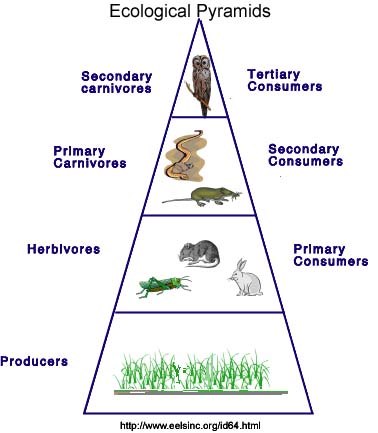

the process plants go through to make energy
producing
decomposing
respiration
photosynthesis
living and non-living things that interact with each other in their environment
ecosystem
food web
food chain
consumers
which of the following is NOT an example of a type of ecosystem
desert
forest
garage
swamp
an organism that eats or uses another organism
biotic
abiotic
consumer
producer

What role do bobcats play in a forest food web?
Bobcats break down dead plants and animals and return nutrients to the soil
Bobcats are consumers of marmots and grouses
Bobcats produce their own energy
Bobcats are predators of grasses and berries

Which type of organism is missing from this food web?
Decomposer
Predator
Consumer
Producer

Based on the information in the food web, which of the following food chains shows one way energy flows in this ecosystem?


Animals get the energy they need for growth and repair from–
the action of muscles.
protective coloration
the food they eat
avoiding predators

What percent of Earth's freshwater is available for humans to use?
less than 1
97
3
79
Most of Earth's surface is covered with water. Only 2.5% of Earth's global water is freshwater. Of all the freshwater on Earth, 78% is frozen. Where is most of Earth's water found?
glaciers
lakes
oceans
rivers
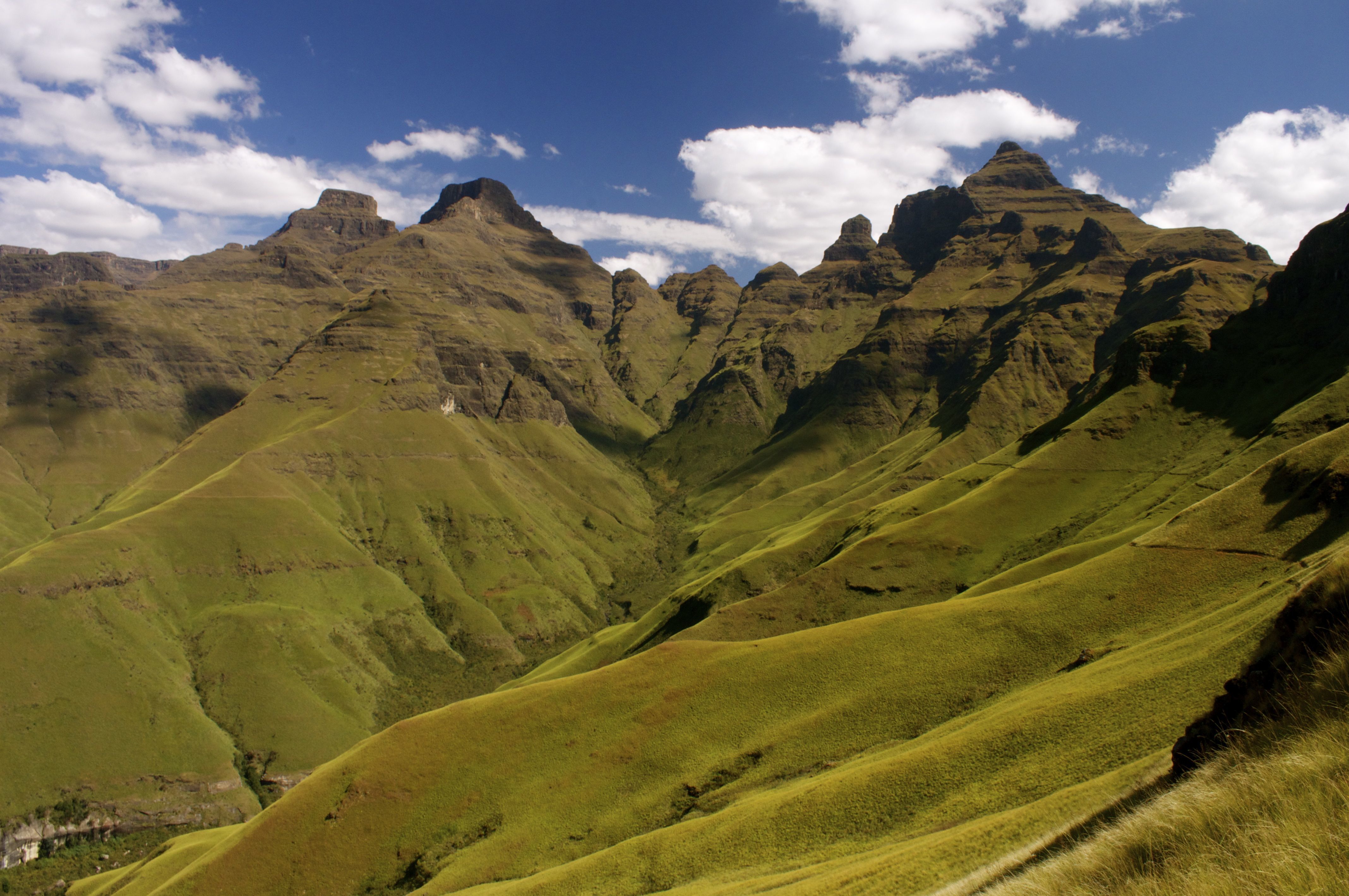



Which sphere is made up of all the physical elements of Earth's surface, crust, and interior?
biosphere
geosphere
hydrosphere
atmosphere
The prefix "bio" comes from a Greek word that means what?
Life
Water
Earth
Ground
What do we call FRESH water that lies beneath the Earth's surface?
groundwater
lake
river
spring

Which of these answers describes Earth’s atmosphere?
All living and once living things.
The mixture of gasses that surrounds the earth.
The mixture of nickle and iron below the earth's surface.
All the fresh and salt water on the earth's surface.
The loosening and carrying away of weathered materials from one place to another is called what?
deposition
weathering
erosion
condensation

