
 Worksheets
Animal Body Plans and Plant Review
Total questions: 182
Worksheet time: 3hrs 45mins
The similarity or balance among body structures is called ____.
ectoderm
the evolutionary tree
cephalization
symmetry

What organ shown here has four-chambers?
septum
gut
heart
liver
Which of the following does not describe a primary function of hair?
sensory device
waterproofing
insulation
movement
Animals that feed on both plants and other animals are called ____.
insectivores
omnivores
carnivores
herbivores
Which of the following is not a beneficial result of a highly developed cerebrum?
squirrels' balance and coordination
mother fox teaching young survival skills
mice remembering layout of habitat
mother tiger teaching young to hunt
What are two similarities of mammal and bird circulatory systems?
four-chambered heart; separate oxygenated and deoxygenated blood
two-chambered heart; capillaries
four-chambered heart; blended oxygenated and deoxygenated blood
two-chambered heart; lack capillaries

This hummingbird has what kind of body design?
mesodermic symmetry
bilateral symmetry
radial symmetry
asymmetry
How do scientists mark the branching points of animal evolution?
anatomical features
habitat changes
population growth
eating habits
Why is the flatworm considered an acoelomate?
has multiple body cavities
lacks a body cavity
has no ectoderm
In protostomes, the ____ develops from the opening in the gastrula.
anus
nervous system
mouth
tail
Which of the following is not a plant adaptation to land environments?
vascular tissues
cuticles
stomata
asexual reproduction
Osmosis and diffusion are made more efficient in land plants by ____.
bryophytes
cotyledons
vascular tissues
cuticles
Which of the following is not a common characteristic of present-day plants and algae?
cotyledons in seeds
cell walls composed of cellulose
similarity of chlorophyll
similar enzymes in cellular vesicles

Based on this evolutionary tree, what can be concluded about vascular tissue in plants?
It evolved from flowering plants.
It evolved before cotyledons.
It evolved before green algae.
It evolved after gymnosperms.
Based on this evolutionary tree, what can be concluded about seeds in plants?
It evolved before flowering plants.
It evolved before cotyledons.
It evolved before green algae.
It evolved after gymnosperms.
What two generations do plants alternate between during their life cycle?
bryophyte and lycophyte
sporophyte and gametophyte
vascular and nonvascular
coniferous and seedless
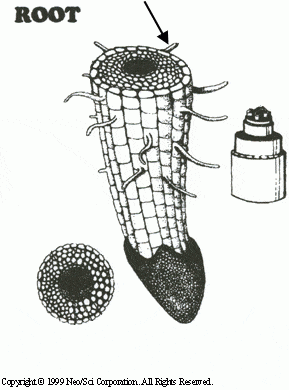
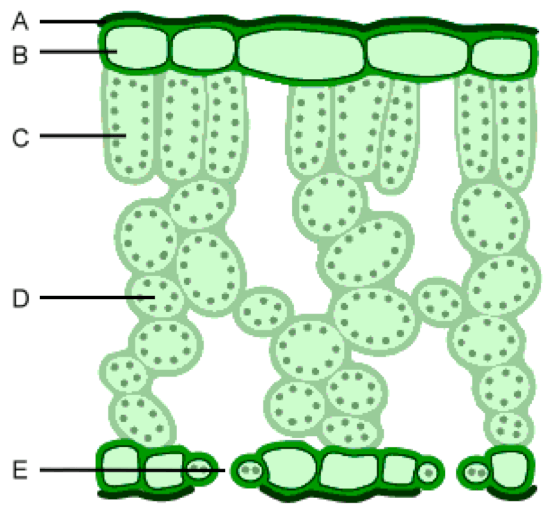


nutrition in which plant change solar energy into chemical energy is called
parasitic
autotrophic
chemotrophic
symbiotic
nitrogen, Phosphorous , megnissium and Potassium are
nutrients
mineral nutrients
parasitic nutrients
saprophytic nutrients

it show deficiency of which nutrient in plants?
nitrogen
potassium
phosphorous
megnessium

these all are the example of...
parasitic plant
saprophytic plant
insectivorous plant
none of these
percentage of N-P-K in plants is
5%-10%-5%
10%-10%-5%
10%-10%-10%
5%-10%-15%
curling of leaves may cause by the deficiency of this nutrient in plants.
nitrogen
phosphorous
potassium
megnessium
nitrogen deficiency
potassium deficiency
phosphorous deficiency
magnesium deficiency
minerals obtained by plants are selectively absorbed from
stem
root
leaves
flower

these are types of
mineral nutrition
autotrophic nutrition
both of above
heterotrophic nutrition
listen it
autotrophic
photosynthetic
chemosynthetic
parasitic
have diverse functions such as photosynthesis
ground tissues
meristematic tissues
vascular tissues
dermal tissue
In which structures would reproduction occur in some non-flowering land plants?
Roots
Leaves
Stems
Cones
Leaves are part of a plant’s shoot system. The xylem tissue in leaves transports
the bacteria needed for nitrogen fixation in root nodules.
the wax required to coat the surface of actively growing tissue.
the water and minerals that are absorbed by the roots.
the oxygen that regulates the rate of carbohydrate production.
The anther and filament make up the stamen. What is their primary function
Pollen production
Egg development
Pollen transfer
The flower petal is responsible for
Pollen production
Attracting pollinators
Pollen transfer
The stigma, style, and ovary make up the pistil. What is the primary function of the pistil?
Pollen production
Egg development
Pollen transfer
Leaves capture light energy for photosynthesis. What feature allows this to happen?
Leaves are green
Leaves are broad and flat
Leaves have vascular tissues


have diverse functions such as photosynthesis
Parenchyma cells
Collenchyma cells
Sclerenchyma cells
have secondary cell walls fortified with lignin to support the plant
Parenchyma cells
Collenchyma cells
Sclerenchyma cells

Which of the following is NOT a function of the roots?
Store carbs
Absorb water and minerals
Anchor plant to the ground
Photosynthesis
Where in the plant does photosynthesis occur?
Flower
Leaves
Stem
Roots
What type of cells transport water UP the stem?
Xylem cells
Phloem Cells
Epidermal Cells
Root Cells
The thick waxy covering of a leaf that helps prevent water loss is known as the--
Flower
Cuticle
Mitochondria
Chloroplast
Which of the following is a REACTANT for Photosynthesis?
Sunlight
ATP
Glucose
Oxygen
Where does gas exchange occur within the plant?
Flower
Leaf
Stem
Roots
Which structure of the plant is responsible for transport?
Flower
Leaf
Stem
Root
True or False? The products of photosynthesis are the reactants of cellular respiration.
True
False
Which structure of a plant is responsible for anchoring it to the ground?
Flower
Leaf
Stem
Roots
An organism who can make their own food from the sun is known as a-
Heterotroph
Eukaryote
Autotroph
Prokaryote
Which best describes vascular tissue?
type of plant tissue that transports water and nutrients throughout the plant
type of plant tissue that makes up the majority of a plant's tissues and provides a place to produce and store sugar
type of plant tissue makes up the outer, protective waxy layer of plants
type of plant tissue that is found in roots tips, buds and shoots, where the plant is growing, and contains unspecialized cells
Who created the most commonly used system of taxonomy?
Niels Bohr
Watson and Crick
Charles Darwin
Carl Linnaeus
Which is the correct order?
Kingdom Phylum Order Class
Class Order Family Genus
Domain Phylum Kingdom Species
Order Family Species Genus
Identify the one that is NOT an archaea.
Methanogen
Thermophile
Halophile
Virus
You find a species that seems to be unicellular and is eating smaller cells around it. It has organelles and a nucleus. Which kingdom is it MOST likely a part of?
Fungi
Bacteria
Protists
Plants
Which of the following is NOT a unicellular kingdom?
Prokaryotes
Protists
Archaea
Fungi
Which one is NOT a difference between plants and fungi?
Plants use cellulose but fungi use chitin
Plants are autotrophs but fungi are heterotrophs
Plants have cell walls but fungi don't
Plants make their own food and fungi decompose their food
You identify a small living organism that is eating something at your feet. It's visible but pretty tiny, you take it to a lab and find that it has cell walls made of chitin. Which is its domain and kingdom?
Prokaryote, Fungi
Eukaryote, Fungi
Prokaryote, Plant
Eukaryote, Plant
Which is NOT a eukaryote?
Plants
Animals
Archaea
Protists
How are mammals different from all the other classes of vertebrates?
They don't have keratin
They don't have a backbone
They don't lay eggs (except two)
They aren't animals
Which best explains why a sponge is an animal?

All animals breath and sponges breath
Animals live underwater and so do sponges
Animals are multicellular heterotrophs and so are sponges
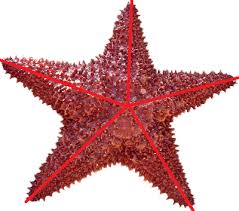


Out of the the eukaryotes, which group is the most distantly related to animals?
Fungi like mushrooms
Plants like water lilies
Protist like amoebas
Flatworms like planaria
Mark all of the following that are characteristics of animals.
Prokaryotic
Form a blastula
Sessile
Multicellular
Which of the following are NOT characteristics of animals? (mark all that apply)
Motile
Autotrophs
Have a cell wall
Have ribosomes
Lack major organelles
The Cambrian explosion was important because
animals began to make the transition from water to land habitats
many ancestral forms of modern animals were found in the fossil record
many dinosaurs showed bird-like features
many dinosaurs showed reptile-like features
Mark all of the following groups that are invertebrates.
Lampreys
Molluscs
Arthropods
Sponges
Bony fish
Mark all of the following groups that are vertebrates.
Cnidarians
Echinoderms
Amphibians
Nematodes
Reptiles
Which of the following animals is only comprised of cells?
Flatworms
Cnidarians
Sponges
Nematodes
When comparing jellyfish to most other invertebrates, which feature does only jellyfish possess?
tissues
bilateral symmetry
deuterostomes
radial symmetry
What invertebrate group have bilateral symmetry, tissues, no coelem, and are protostomes?
Sponges
Flatworms
Cnidarians
Molluscs
All of the following organisms are Molluscs EXCEPT ______.
Squid
Clams
Octopus
Sea urchins
Snails
Which of the following invertebrate animal groups and examples are incorrect? (Choose all that apply)
Flatworm - Earthworm
Mollusc - Octopus
Arthropod - Sea Star
Nematode - Round worm
Arthropod - Spider
Protostome organisms that undergo gastrulation will have the opening become the mouth of the organism.
True
False
Annelids have all of the following structures. (Mark all that apply).
Coelem
Tissues
Radial symmetry
Deuterostomes
Vertebrates and Invertebrates share what characteristics? (Mark all that apply)
Tetrapods
RNA
Have a head
Mitotic cell division
Mitochondria
A vertebrate that has a head but lacks jaws would belong to what group?
Lancelet
Lamprey
Cartilage fish
Bony fish
Which type of fish is most closely related to the Amphibians?
Bony fish
Lobe-finned fish
Cartilage fish
Both Cartilage and Bony fish are equally distant.
Which animal groups and animal are paired correctly? (Mark all that apply)
Lobed-finned fish: Coelacanth
Cartilage fish: Killer whale
Bony fish: Shark
Amphibians: Salamander
Which animal group is most closely related to Mammals?
Bony Fish
Amphibians
Reptiles
Cartilage fish
What animal group first made the transition to land?
Cartilage fish
Bony fish
Amphibians
Reptiles
An organism that has a backbone, gives birth to live young and feed the young with milk could be a ________.
Snake
Eagle
Deer
Frog
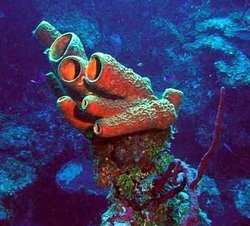
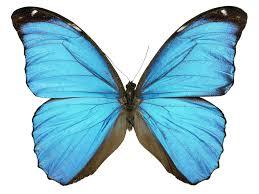
What is a seasonal movement of an animal to another location called?
camouflage
migration
grouping
mimicry
A (an) ____ is an environmental change that directly influences the activity of an organism.
stimulus
behavior
innate response
fixed action pattern
Which is an example of innate behavior?
pond ducks flocking to be fed
bears leaning to catch fish
human babies speaking words
birds chirping when hatched
BONUS: What phylum did we discuss that only has animals with radial symmetry?
Mammalia
Chordata
Arthropoda
Echinodermata

What word means the "front" of the worm?
dorsal
ventral
What is the name of the phylum sponges belong to?
Cnidaria
Arthropoda
Echinodermata
Porifera
___________ are tiny hard particles that give a sponge support and can provide protection if they are made out of calcium carbonate or silica glass.
spongin
bones
buds
spicules
How do sponges obtain food?
filter it from the water
grasp it with tentacles
pry it apart with tube feet
put it in their mouth with jointed legs
This type of flatworm is free-living in freshwater and marine environments.
Trichinosis
Planarian
Schistosomiasis
Tapeworm
This type of parasitic flatworm lives inside the intestines after it is consumed in undercooked meats.
Trichinosis
Planarian
Schistosomiasis
Tapeworm
What is the benefit of flatworms being flat?
Easier to hide from predators
Helps food and oxygen reach all body parts
Lowest energy form of movement
Allows them to stick to the ocean floor
What is the source behind the flatworm superpower of regeneration?
Stem Cells
An experimental healing factor given to them by Weapon X
Rapid mitosis rates
It easy to regrow such a simple body
Roundworms are officially known as...
Nematoda
Platyhelminthes
Annelida
Arthropoda
Sessile, tube shaped body form of cnidarians such as corals and hydra.
Polyp
Medusa
Free swimming, umbrella shaped body with tentacles that hang down.
Polyp
Medusa
What type of symmetry do all Cnidarians possess?
Asymmetry
Radial
Bilateral
What are the stinging in predatory cnidarians called?
Amoebocytes
Porocytes
Nematocysts
Nerve Net
In Cnidarians, where does digestion occur?
spongocoel
nematocyst
gastrovascular cavity
tentacles

