Font size
 Worksheets
SEMESTER 2 EXAM (6th Grade Science)
Total questions: 50
Worksheet time: 34mins
The science of describing, classifying and naming living things is called:
Geology
Taxonomy
Biology
Chemistry
97% of animals that exist are classified as invertebrates.
True
False
This means an animal changes it body temperature to match its surroundings.
Endothermic
Endoskeleteon
Ectothermic
Exoskeleton
There are over 35 phyla. They are broken into two groups. What are they?
Vertebrates and invertebrates
animals and plants
class and order
levels of organization
Physical adaptations are
animal body parts or physical features
behaviors an animal is born with to meet their needs
when an animal looks like another animal or plant
seasonal periods of time when an animal goes into a long deep sleep.
Mimicry is
an animals color and pattern that helps it blend in with its surroundings.
when an animal looks like another animal or plant
animal body parts or physical features
movement of one group of one type animal to one region to another and back again.
Which of the following is NOT a instinctive behavioral adaptation?
Defending oneself
Hibernating over winter
Playing with animals of the same species
Raising offspring (young)
Animals that stay warm in cold habitats with thick fur body coverings is an example of a _____________ adaptation.
behavioral
learned
environmental
physical
Which of the following is an example of camouflage?
An insect that imitates a bee
A king snake that looks like a coral snake
A white rabbit blending in with the snow
A moth that mimics a leaf
Which of the following is NOT a physical adaptation?
A bear hibernating in the winter
A fish with scales on its body
A bird with a sharp beak
A cheetah with retractable claws
A "cause" for something to happen is the
response
stimulus
effect
homeostasis
The maintenance of an organism's internal environment is called:
Stimilus
Response
Homeostasis
Balancing
How many kingdoms are organisms classified into?
5
6
4
3
What does a scientific name consists of?Genus & Order
Genus & Order
Genus & Species
Genus & Domain
Kingdom & Phylum
these long thin, whip-like structure are used for movement by some algae & euglena.
saprophytes
Flagella
Cilia
Pseudopod
Organisms that live in or on another organism to obtain food directly are called ___________.
Parasites
Flagellum
Saprophytes
Mycorrhizae
_______ is a reproductive cell of fungi
hyphae
spore
psedopods
club
_________ are long fibrous strands that obtain food and nutrients in Fungi.
hyphae
Spore
Club
pseudopods
What does a euglena use to move and obtain food?
Flaggellum
pseudopod
cilia
What does an amoeba use to go move and obtain food?
cilia
pseudopod
flagellum
What does a vascular plant use to transport water to the rest of the plant?
Phloem
roots
xylem
Soil
What does a vascular plant use to transport food to the rest of the plant?
Phloem
Roots
xylem
Soil
____________ are plants that DO NOT have true roots, stems or leaves.
Vascular Plants
Nonvascular Plants
Dicot
Monocot
Which type of protist is known for its avoidance behavior?
Euglena
Paramecium
Amoeba

Is a fern classified as a seed or non-seed plant?
seed plant
non-seed plant
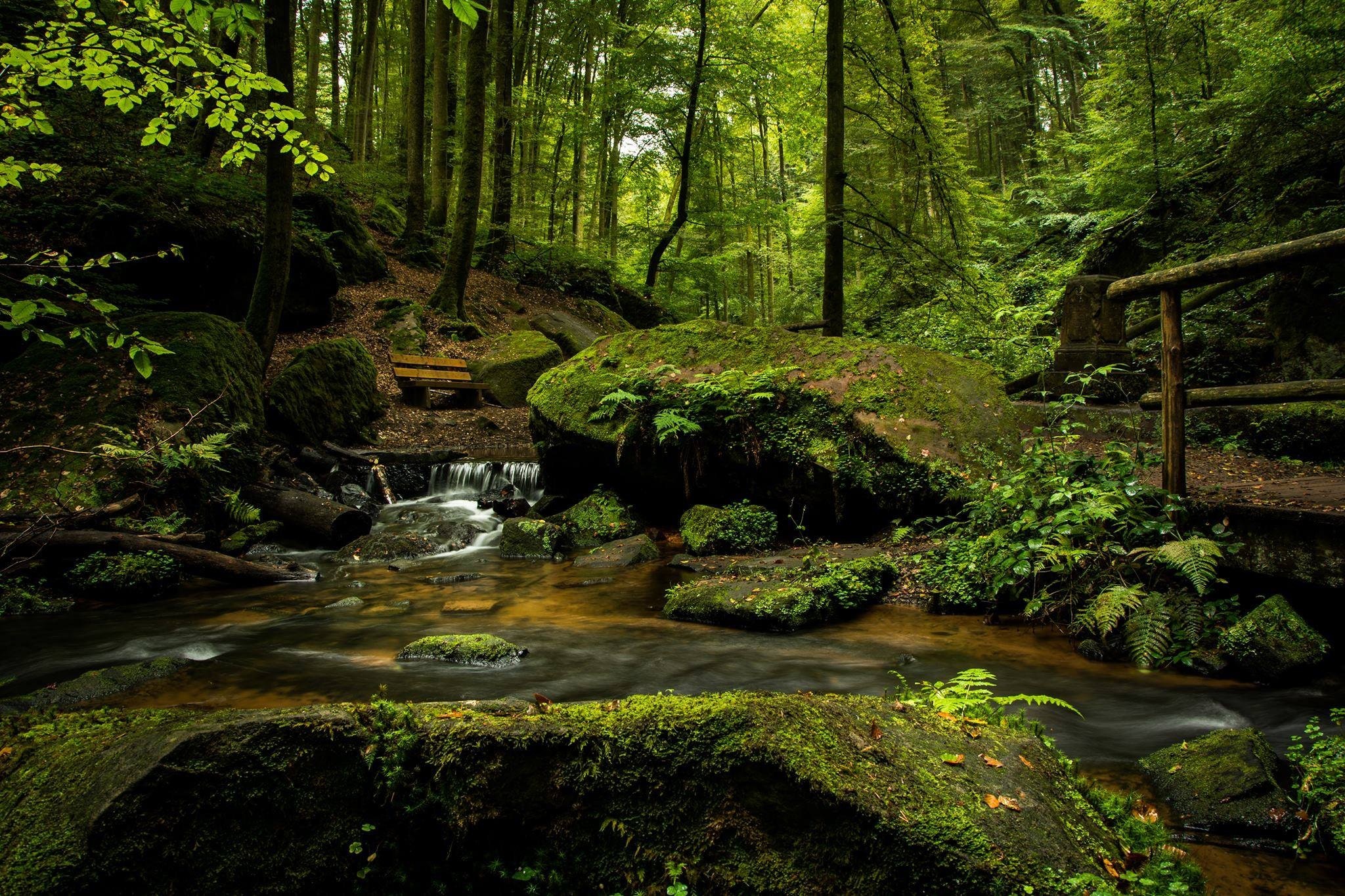
Does the moss in this picture reproduce using seeds?
yes
no

Why is the plant in the picture a vascular plant?
it can absorb light from the sun
it has a stem that can carry water and nutrients
it has more than one cell
it can make it's own food
How are reptiles and fish alike?
neither has scales
both breathe with gills
neither has a backbone
both have body temperatures that change with their surroundings
A student wants to research invertebrate animals. Which of these animals should she study? Select 3
frog
fish
clam
worm
spider
Which features can a scientist use to identify an amphibian? Select 3
has a backbone
has no backbone
has smooth, moist skin
has scales or plates on skin
breathes first with gills and then with lungs