wayground logo

Free Printable Worksheets

Font size

S
M
L
XL
Worksheets

Fresh Bio Semester Review

Total questions: 117

Worksheet time: 29hrs 15mins

Name
Class
Date
1.
Mitosis is the process by which
a)
Cells get bigger
b)
Cells get smaller
c)
Body cells divide into two
d)
Cells die
2.
True or false: Living things grow when their cells get bigger.
a)
True
b)
False
3.
True or false: Living things grow when their cells divide.
a)
True
b)
False
4.
True or false: When cells divide, they help to repair damaged tissue in your body.
a)
True
b)
False
5.
The two cells that result after division are called the
a)
Sister cells
b)
Brother cells
c)
Son cells
d)
Daughter cells
6.
Chromosomes contain what?
a)
DNA
b)
RNA
c)
FBI
d)
GNC
7.
One chromosome is made up of two
a)
Chromes
b)
Chromatids
c)
Centrioles
d)
Controls
8.
Humans have 46 chromosomes, which means we have _______ of chromosomes.
a)
46 pairs 
b)
23 pairs
c)
20 pairs
d)
56 pairs
9.
A cell spends most of its life in what stage?
a)
Interphase
b)
Telophase
c)
Anaphase
d)
Metaphase
10.
The dark "spider" looking things on opposite sides of the cell are called "Spindle Fibers".  What is their job?
a)
Eating the chromosomes
b)
Pulling the chromosomes apart
c)
Putting the chromosomes together
11.
How many cells are created at the end of Mitosis?
a)
1
b)
2
c)
3
d)
4
12.

Chromosomes become visible. The

membrane around the nucleus begins to

disappear.

a)

Interphase

b)

cytokinesis

c)

Anaphase

d)

Metaphase

e)

Prophase

13.

Chromosome pairs split apart and begin to move to opposite sides of the cell.

a)

Interphase

b)

cytokinesis

c)

Anaphase

d)

Metaphase

e)

Prophase

14.

Chromosome pairs line up along the middle of the cell.

a)

Interphase

b)

cytokinesis

c)

Anaphase

d)

Metaphase

e)

Prophase

15.

The cytoplasm divides. Two new cells are

formed, identical to the original cell. Each new

cell is in the growth stage of the Cell Cycle.

a)

Interphase

b)

cytokinesis

c)

Anaphase

d)

Metaphase

e)

Telophase

16.

The nucleus can clearly be seen. Chromosomes make copies of themselves.

a)

Interphase

b)

cytokinesis

c)

Anaphase

d)

Metaphase

e)

Telophase

17.

A nuclear membrane forms around each

set of chromosomes. Each new nucleus has

the same number of chromosomes as the

original cell.

a)

Interphase

b)

cytokinesis

c)

Anaphase

d)

Metaphase

e)

Telophase

18.

What is the first stage in the cell cycle?

a)

Interphase

b)

cytokinesis

c)

Anaphase

d)

Metaphase

e)

Telophase

19.

What is the second stage in the cell cycle?

a)

Interphase

b)

cytokinesis

c)

Prophase

d)

Metaphase

e)

Telophase

20.

What is the third stage in the cell cycle?

a)

Interphase

b)

cytokinesis

c)

Prophase

d)

Metaphase

e)

Telophase

21.

What is the fourth stage in the cell cycle?

a)

Interphase

b)

cytokinesis

c)

Anaphase

d)

Metaphase

e)

Telophase

22.

What is the fifth stage in the cell cycle?

a)

Interphase

b)

cytokinesis

c)

Anaphase

d)

Metaphase

e)

Telophase

23.

What is the final stage in the cell cycle?

a)

Interphase

b)

cytokinesis

c)

Anaphase

d)

Metaphase

e)

Telophase

24.
What is it called when a sperm and egg meet?
a)
meiosis
b)
fertilization
c)
cell division
d)
mitosis
25.
Which process and type of resulting cells are represented?
a)
mitosis, gametes
b)
mitosis, body cells
c)
meiosis, gametes
d)
meiosis, body cells
26.
Which letter(s) in the diagram correspond to cells that are haploid? 
a)
A
b)
B
c)
C
d)
A and B
27.
What causes genetic variation in meiosis?
a)
chromosomes lining up
b)
crossing over of chromosomes
c)
separation of chromosomes
d)
chromosomes pulling apart
28.
What is one of the advantages, why is it better to reproduce sexually versus asexually?
a)
survival of the fittest
b)
overproduction
c)
genetic variation
d)
cloning
29.
Crossing over helps promote 
a)
male genotype
b)
genetic variation
c)
DNA replication
d)
mitosis
30.

Passing on traits from parents to offspring

a)

Chromosome

b)

Genotype

c)

Heredity

d)

Allele

31.

The study of heredity

a)

Genetics

b)

Genome

c)

Allele

d)

Punnett Square

32.

The instruction of one allele covers up the instruction

of the other allele in a homologous pair. Symbolized by a capital letter.

a)

Recessive Allele

b)

Dominant Allele

c)

Heredity

d)

Trait

33.

The instructions of this allele are covered up by the other allele in a homologous pair. Symbolized by a small letter.

a)

Homozygous

b)

Dominant

c)

Recessive

d)

Genetics

34.

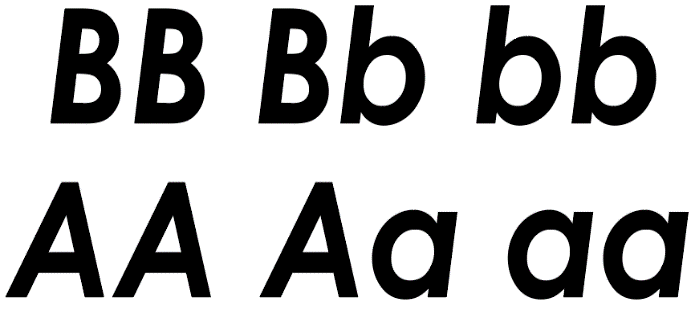
The letter symbols for both homologous alleles.

BB Bb bb AA Aa aa

a)

Genotype

b)

Phenotype

c)

Recessive

d)

Dominant

35.

A genotype where only dominant alleles were passed on

from both parents for one trait

BB AA TT LL

a)

Homozygous Recessive

b)

Homozygous Dominant

c)

Dihybrid

d)

Heredity

36.

A genotype where only recessive alleles

were passed on from both parents for one trait

bb aa tt ll

a)

Heredity

b)

Homozygous Dominant

c)

Homozygous Recessive

d)

Phenotype

37.

A genotype where one dominant and one recessive allele was passed on from both parents for one trait.

Bb Aa Tt Ll

a)

Allele

b)

Homozygous Dominant

c)

Homozygous Recessive

d)

Heterozygous

38.

The observable traits dictated by the genotype

a)

Phenotype

b)

Genotype

c)

Homozygous Recessive

d)

Homozygous Dominant

39.

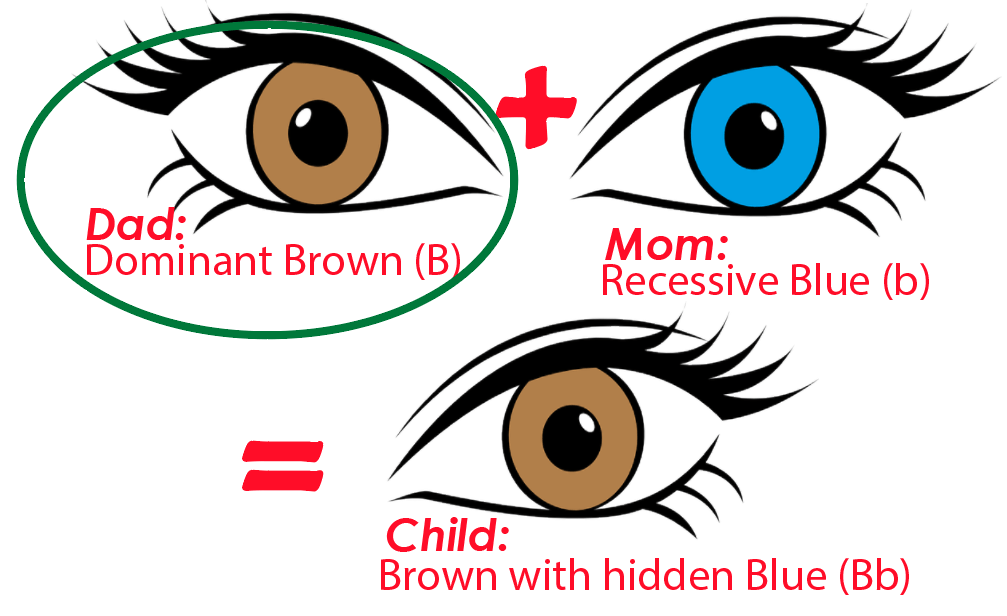
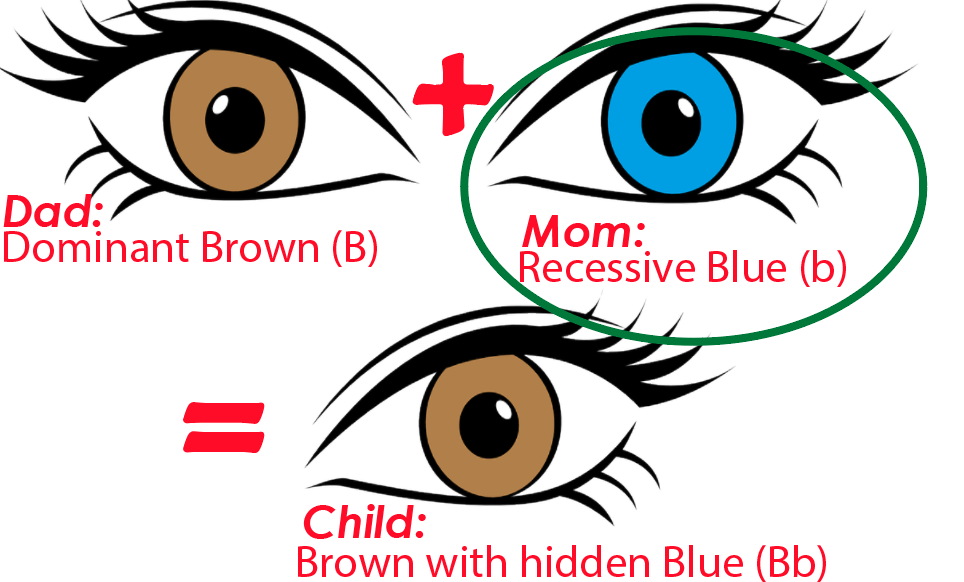
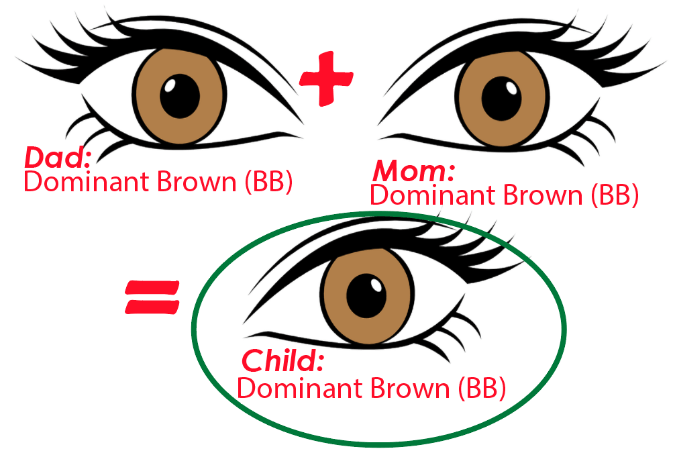
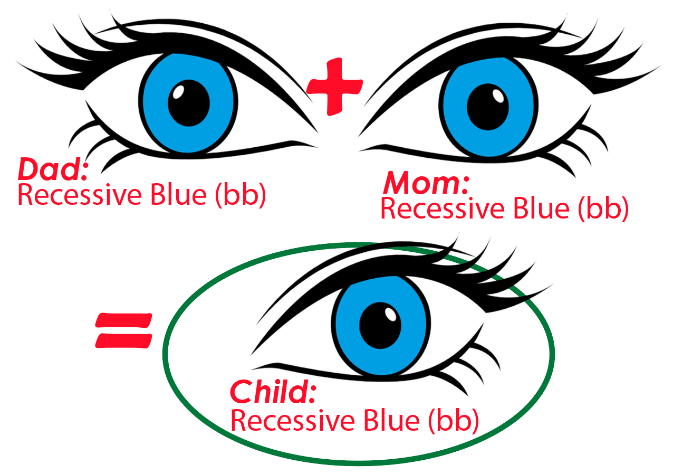
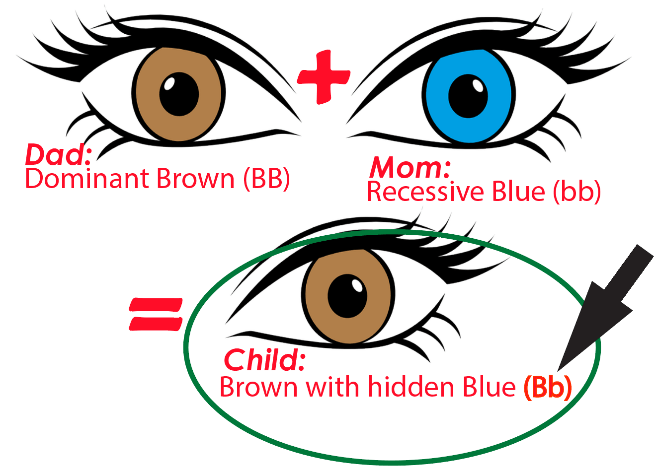
The genetic cross between two parents for one trait:

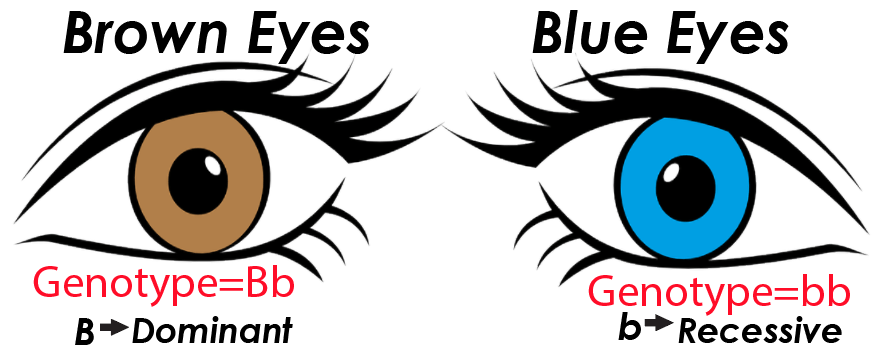
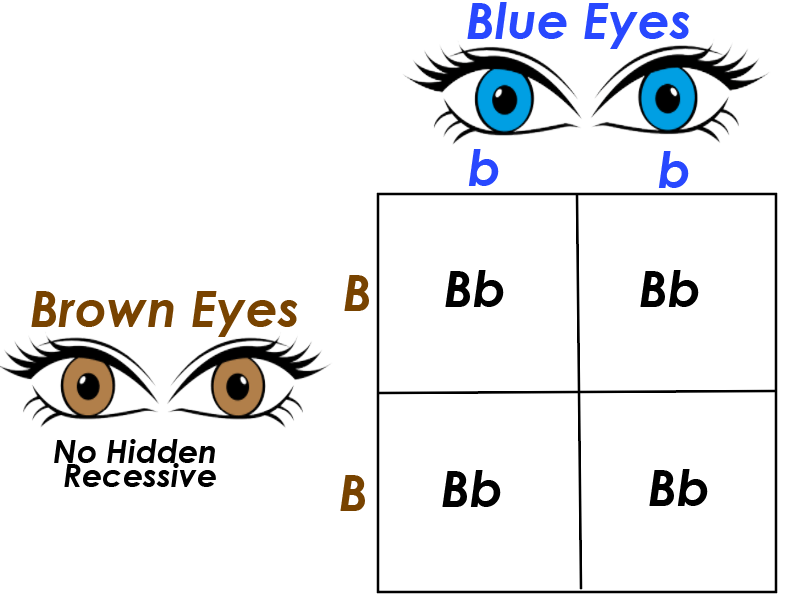
Example BB x bb

B = dominant for brown

b = recessive for blue

a)

Incomplete Dominance

b)

Dihybrid Cross

c)

Monohybrid Cross

d)

Iron Cross

40.

Referring to the original parents.

a)

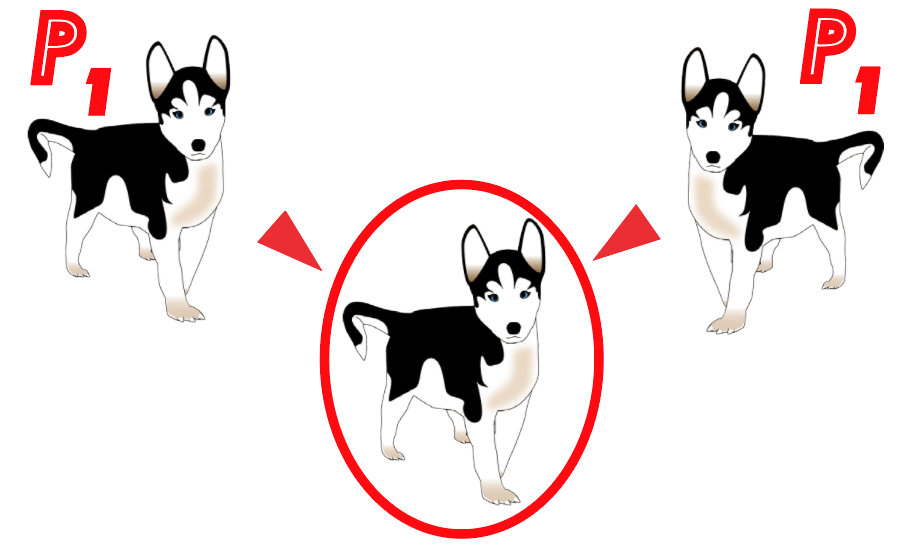
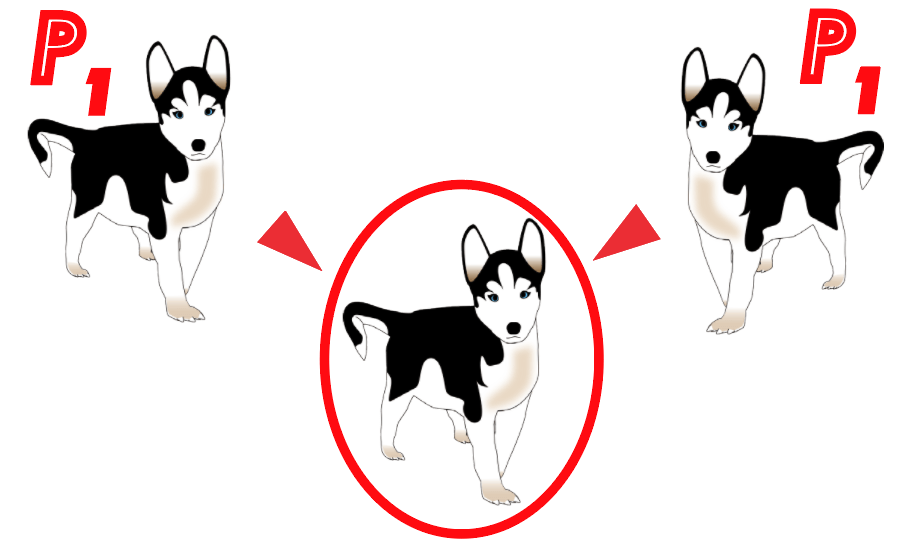
P1

b)

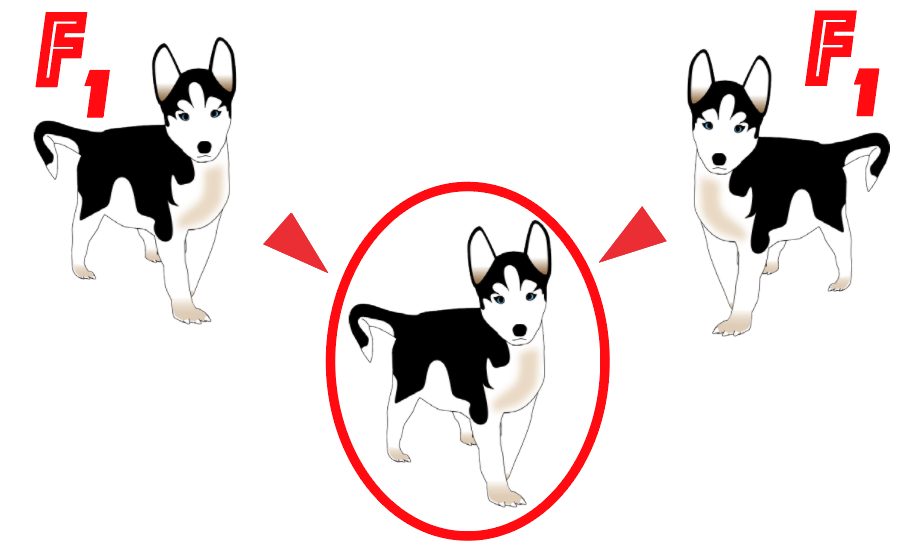
F1

c)

F2

d)

Homozygous

41.

First Filial (child) Generation: the offspring of P1

a)

P1

b)

F2

c)

F1

d)

Heterozygous

42.

Second Filial Generation: the offspring of F1

a)

P1

b)

F1

c)

F2

d)

Homozygous Recessive

43.

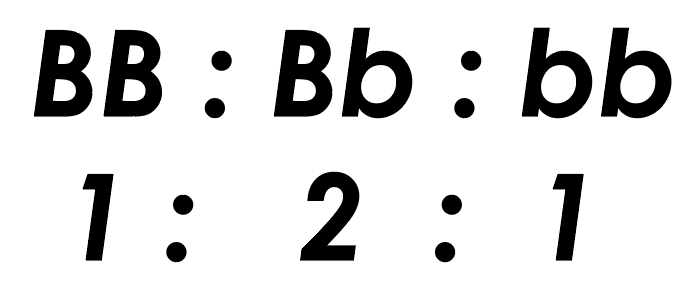
The ratio of homozygous dominant to heterozygous

to homozygous recessive offspring

a)

Genotypic Ratio

b)

Phenotypic Ratio

c)

Monohybrid Cross

d)

Homologous Pair

44.

The ratio of phenotypes in a Punnett Square

a)

Phenotypic Ratio

b)

Genotypic Ratio

c)

Dihybrid Cross

d)

Independent Assortment

45.

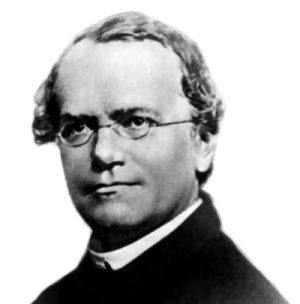
The Italian monk/scientist who first showed

the principles of genetics

a)

Watson and Crick

b)

Linnaeus

c)

Darwin

d)

Mendel

46.
Why do we see only tall plants in the second generation?
a)
The gene for tall height is dominant
b)
The gene for short height is dominant
c)
The gene for tall height is recessive
d)
The parents did not have the tall gene
47.
The dominant trait in this punnett square is
a)
yellow pea seeds
b)
green pea seeds
c)
there is no dominant seed
48.

How many alleles does a child get from each parent for a trait?

a)

1

b)

2

c)

3

d)

4

49.

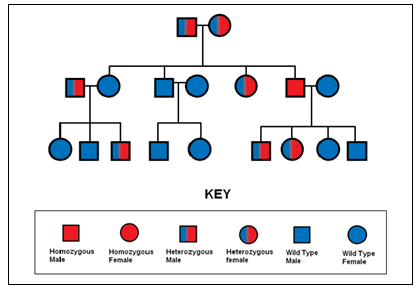
In a pedigree, which shape represents a male?

a)

circle

b)

square

50.

On a pedigree, this symbol represents a ----

a)

not affected male.

b)

not affected female.

c)

affected male.

d)

affected female.

51.

How many individuals are there in the 3rd generation?

a)

1

b)

2

c)

4

d)

6

52.
How many generations are shown in this pedigree?
a)
1
b)
2
c)
3
d)
4
53.
How many kids did the mother and father from the first generation have?
a)
2
b)
4
c)
5
d)
6
54.
Is this trait (the shaded individuals) dominant or recessive?
a)
dominant
b)
recessive
55.
Give the genotype for person III-3
a)
GG
b)
Gg
c)
gg
56.
Males are more likely to suffer from a sex-linked disease or disorder because
a)
males are the weaker sex
b)
males have less DNA
c)
males have 1 X chromosome, so the disorder is more likely to be expressed
57.
Why are men 16 times more likely to be color-blind than women?
a)
to be color-blind, you must have a Y chromosome
b)
to be color-blind, all of your X chromosomes must have the gene
c)
color-blindness is caused by testosterone
d)
color-blindness is caused by the same gene as baldness
58.
Hemophilia is a recessive x-linked disorder.
Which genotype represents a female who is a carrier for hemophilia?
a)
XHXh
b)
XhXh
c)
XHXH
d)
XhY
59.
Hemophilia is a recessive x-linked disorder.
Which genotype represents a male with hemophilia?
a)
XHXh
b)
XhXh
c)
XHY
d)
XhY
60.
What antigens are present in a person with type B- blood?
a)
B, only
b)
B and Rh
c)
A and Rh
d)
A, only
61.
What type of blood is the universal donor?
a)
AB+
b)
AB-
c)
O+
d)
O-
62.
What types of antigens are present in a person with O+ blood?
a)
A and B
b)
Rh, only
c)
A, B and Rh
d)
None
63.
What types of blood can a person with AB- RECEIVE?
a)
All types
b)
AB-, A-, B-, O-
c)
AB- and AB+
d)
AB+, A+, B+, O+
64.
Negative blood types can DONATE to what types of blood?
a)
Negative, only
b)
Positive, only
c)
Both Negative and Positive
65.
Which enzyme has the job of unzipping the double helix?
a)
Helicase
b)
Polymerase
c)
Ligase
d)
Primerase
66.
Which enzyme fixes the Okazaki fragments in the lagging strand?
a)
Helicase
b)
Polymerase
c)
Ligase
d)
Primerase
67.
If a strand reads:
3' A A A T T T C 5'
The matching strand would read...
a)
5' T T T A A A G 3'
b)
3' T T T A A A G 5'
c)
5' A A A T T T C 3'
d)
3' U U U A A A G 5'
68.
What are the gaps between the newly synthesized DNA on the lagging strand called?
a)
Okazaki fragments
b)
Polymer gaps
c)
Helicase fragments
d)
Acidic gaps
69.
This picture is illustrating the ____ nature of DNA.
a)
anti-parallel
b)
deoxyribosic
c)
helical
d)
radioactive
70.
The enzyme that splits open the DNA creates what's called a fork - where the DNA separates into the lagging strand and the ______ strand.
a)
leading
b)
leveraging
c)
Okazaki
d)
ligase
71.
Polymerase is able to replicate the new DNA ______ along the leading strand.
a)
continuously
b)
only in short fragments
c)
very slowly
d)
prokaryotically
72.
A DNA nucleotide contains all of the following, except...
a)
Deoxyribose
b)
Phosphate group
c)
Nitrogenous base
d)
Cholesterol
73.
What is the shape of DNA?
a)
Double helix
b)
Triple helix
c)
Flat, bilayer
d)
Three-pronged rigid ladder
74.
DNA replication turns one strand of DNA into two new strands of DNA. What percent of each new strand is the old strand?
a)
Half of each new DNA is the old DNA
b)
The old strand of DNA was digested, so none
c)
The new DNA is entirely made up of the old DNA
d)
About every sixth base comes from the old DNA
75.
Sometimes, DNA is called "semi-conservative." Why might this be?
a)
The old strand is "conserved" and used to make the new strands
b)
Uracil is "conserved" in that it is only used to make the new strands
c)
ATP is "conserved" via the usage of facilitated diffusion
d)
Ligase is "conserved" in that it is denatured by the process
76.
How does RNA differ from DNA?
a)
RNA contains uracil and deoxyribose
b)
RNA contains ribose and thymine
c)
RNA contains uracil and ribose
d)
RNA contains adenine and ribose
77.
How would the DNA sequence GCTATA be transcribed to mRNA?
a)
GCUAUA
b)
CGATAT
c)
CGAUAU
d)
GCUTUT
78.
The process by which the genetic code of DNA is copied into a strand of RNA is called
a)
translation
b)
transcription
c)
transformation
d)
replication
79.

What is the correct order to make a protein?

a)

Protein, DNA, RNA

b)

RNA, DNA, Protein

c)

DNA, RNA, Protein

d)

Protein, RNA, DNA

80.

RNA has what base that is instead of thymine?

a)

guanine

b)

adenine

c)

thymine

d)

uracil

81.

What enzyme does transcription use?

a)

DNA polymerase

b)

ligase

c)

RNA polymerase

d)

helicase

82.

Which RNA carries the message?

a)

mRNA

b)

rRNA

c)

tRNA

83.
If one strand of DNA has the sequence TTACCG, the sequence of the other strand of the same molecule will be
a)
AATGGC
b)
TTACCG
c)
AACGGC
d)
AATGGG
84.
Where does transcription take place?
a)
nucleus
b)
cytoplasm
c)
ribosome
85.

WHERE does TRANSLATION occur?

a)

ribosome

b)

cytoplasm

c)

nucleus

d)

cell

86.

Which organelle makes proteins?

a)

ribosome

b)

nucleus

c)

mitochondria

d)

chloroplast

87.

The triplets of mRNA read by a ribosome are called _____.

a)

anticodons

b)

coded gene

c)

codons

d)

rRNA

88.

Which type of RNA is the carrier of amino acids?

a)

mRNA

b)

rRNA

c)

tRNA

d)

DNA

89.

What is translation?

a)

the process in which DNA is copied to make another molecule of DNA

b)

the process in which DNA is coded into mRNA

c)

the process in which mRNA is decoded into a protein

d)

the process in which enzymes break down mRNA

90.

The DNA sequence ATC-AGC-GCT-GGC is part of a gene. how many amino acids are coded for by this message?

a)

4

b)

8

c)

3

d)

12

91.

What are the building blocks of proteins called?

a)

Nucleic Acids

b)

Glucose

c)

Amino Acids

d)

Phosphate Groups

92.

Which amino acid matches with the following codon:

GAU

a)

GLU

b)

SER

c)

ASP

d)

ILE

93.

Which amino acid matches with the following codon:

CAC

a)

STOP

b)

HIS

c)

LYS

d)

ARG

94.

Use the mRNA below to select the correct amino acid sequence:

AUG-UCA-AAA-UAG

a)

MET-SER-LYS-STOP

b)

MET-THR-LYS-TYR

c)

LEU-SER-CYS-STOP

d)

ILE-LYS-SER-STOP

95.

change in a DNA sequence that affects genetic information

a)

mutation

b)

fitness

c)

transformation

96.

the principle that, among the range of inherited trait variations, those contributing to reproduction and survival will most likely be passed on to succeeding generations

a)

fitness

b)

natural selection

c)

evolution

97.

body part that is similar in function as a body part of another organism but is structurally different

a)

analogous structure

b)

homologous structure

c)

vestigial structure

98.

the gradual change in a species over time

a)

natural selection

b)

evolution

c)

adaptation

99.

All the genes, including all the different alleles for each gene, that are present in a population at any one time

a)

genotype

b)

genetic drift

c)

gene pool

100.

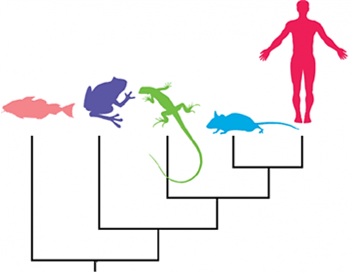
According to this phylogenetic tree, which creature is the least related out of all pictured?

a)

Fish

b)

Frog

c)

Salamander

d)

Human

101.

Which group of animals on this tree are most closely related to birds?

a)

Saurischian dinosaurs

b)

Ornithischian dinosaurs

c)

Crocodiles

d)

None of these are related to birds

102.
The scientific name for an organism is made from the:
a)
class and family name
b)
genus and species name
c)
domain and kingdom name
d)
kingdom and phylum name
103.

Phylogeny is usually represented by a tree diagram called a _________ - _____

a)

Genetic Line

b)

Phylogenetic Tree

c)

Photographic Queue

d)

Future Babies

104.

Viruses are microscopic infectious agents that can only replicate inside a host cell

a)

FALSE

b)

TRUE

105.

Viruses contain genetic material either DNA or RNA

a)

FALSE

b)

TRUE

106.
Is a virus considered living or non-living?
a)
Living
b)
Non-Living
c)
Neither
107.
Can a virus change the normal activity of a cell?
a)
No
b)
Maybe
c)
Yes
108.
What is the first step of the virus reproduction cycle?
a)
The viruses genetic material (DNA) starts to take over the functions of the cell
b)
The host cell bursts open, releasing the new viruses
c)
The virus injects its genetic material into the cell
d)
A virus attaches to the surface of a host cell
109.
Which viral life cycle allows viral genetic material to lay dormant while the host cell reproduces?
a)
lytic
b)
mitosis
c)
lysogenic
d)
S phase
110.
What part of a virus is the protein capsule that houses the genetic material (DNA/RNA)?
a)
tail
b)
nucleus
c)
capsid
d)
glycoprotein
111.

When the viral DNA becomes active in the lysogenic cycle, which life cycle does it enter?

a)

lytic

b)

lysogenic

c)

cell cycle

d)

DNA replication

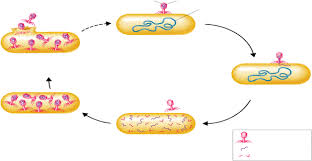
112.
What is shown here?
a)
Lysogenic Cycle
b)
Lytic Cycle
c)
Binary Fission
d)
Conjugation
113.
What process is this?
a)
phagocytosis
b)
lytic cycle
c)
lysogenic cycle
d)
formation of antibodies
114.
The flagella on a bacteria serve what purpose? 
a)
helps the bacteria find a mate
b)
cleans the bacteria
c)
helps the bacteria to move
d)
protects the bacteria
115.
Bacteria reproduce through what method? (be as specific as possible)
a)
asexual reproduction
b)
sexual reproduction
c)
binary fission 
d)
conjugation
116.

How are bacterial cells different from the cells of eukaryotes?

a)

The bacteria are prokaryotes, and the genetic material is not contained in the nuclei.

b)

The bacteria are eukaryotes, and the genetic material is not contained in the nuclei.

c)

The bacteria are prokaryotes, and the genetic material is contained in the nuclei.

d)

The bacteria are eukaryotes, and the genetic material is contained in the nuclei.

117.

Tiny structures that produce proteins inside bacteria

a)

bacteria

b)

ribosomes

c)

cytoplasm

d)

endospore