
 Worksheets
Chemistry Revision Quiz SA
Total questions: 64
Worksheet time: 34mins

Which contains only elements?
A
B
C
D

Which contains a pure substance? (Choose all)
A
B
C
D
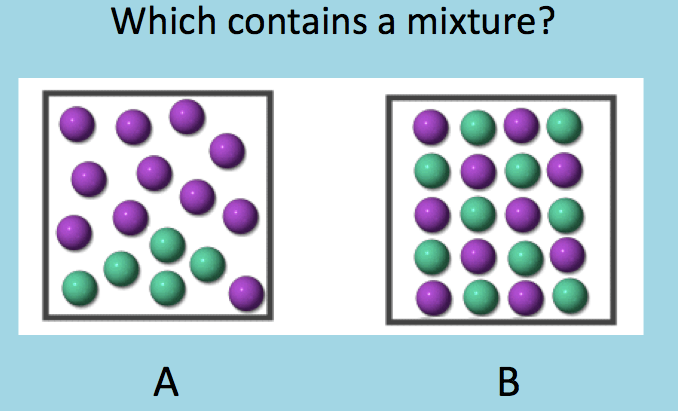
Which contains a mixture? (Choose all)
A
B

Which contains a solution? (Choose all)
A
B
None are solutions

Which contains a solid? (Choose all)
A
B
C
D

Which contains a pure substance? (Choose all)
A
B
C
D

What type of change is this?
Chemical
Melting
Evaporation
Condensation
Sublimation

Which contains only elements (no compounds)? (Choose all)
A
B
C

What type of change?
Chemical
Evaporation
Condensation
Sublimation
Melting

Which is a heterogeneous mixture? (Choose all)
1
2
3
4


What is the meaning of the word 'acid'?
Sour
Bitter
The ashes
burn
What does the word 'alkali' means
bitter
The ashes
sour
burn
These acids originated from plants except:
Citric acid
Hydrochloric acid
Tartaric acid
Ascorbic acid
These acids are correctly matched with its system in human body, except:
hydrochloric acid - digestive system
lactic acid - circulatory system
uric acid - excretory system

Where does the sour taste of vinegar comes from?
nitric acid
lactic acid
ethanoic acid
hydrochloric acid
These acids are mineral acid except?
hydrochloric acid
nitric acid
ethanoic acid
nitric acid
What is the first use of mineral acid?
To separate silver and gold.
To hurt people.
To produce cleaning product.
To separate acids and alkalis

Calcium hydroxide also known as _________.
quick lime
slaked lime
limewater
lime juice

These house hold items were made of ____________.
acids
alkalis
What is the colour of litmus solution?
blue
purple
green
pink

Litmus solution is extracted from _____________.
lincent
litchen
lichen
licen

A purple colour when using universal indicator indicates the solution is _______________.
neutral
acidic
alkali
blackcurrant juice

When sulfuric acid react with potassium hydroxide, what will be the product?
sodium chloride and water
potassium sulfate and water
sodium nitrate and water
carbon dioxide and water
What is the range of pH scale?
0 -14
1 - 14
1 - 6
12 - 14

What is the uses of calcium hydroxide in the soil?
used to neutralise the acidity of the soil
used to produce carbon dioxide
used to give a lighter texture to the soil
to make the soil more acidic

The process of dissolving soil minerals and carries them away by acid rain is also known as
leaching
collecting
draining
extracting
An alkali is able to “cancel” out an acid. This process is also known as?
balancing
extraction
overcome
neutralisation

In an experiment some pupils found that baking soda had a pH of about 9. Some people claim this substance can be used to treat bee stings. Bee stings must be
acidic
alkaline
neutral
life threatening

Milk of magnesia is a medicine used to treat indigestion. Milk of magnesia is most likely to be
alkali
neutral
from a cow
acidic

Rivers and lakes that have become acidic due to acid rain can be treated with _________ .
calcium hydroxide
sodium chloride
potassium chloride
hydrochloric acid


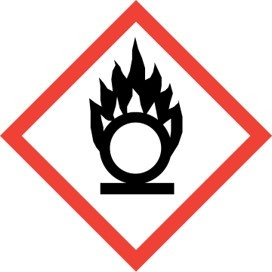
What does this symbol stand for?
Flammable
Oxidising
Non-flammable
Explosive
Match the symbol to the correlating hazard
EXPLOSIVES


This lab student is wearing her googles and an apron. But what is she doing wrong?
Pointing the test tube toward her while heating it.
She actually is doing everything correctly.
Her loose hair is too close to the fire.
Not paying attention

What does this hazard symbol mean?
Harmless to trees and fish
Harmful to non living things
Harmful to living things
Harmless to non living things

What does this hazard symbol mean?
flammable
oxidising
hot
explosive

What does this hazard symbol mean?
cross
harmful / irritant
sharp
chemical


What does this symbol indicate?
Corrosive substances
Wash your hands.
Wear appropriate gloves.
Bacteria are present.
Which symbol means that a substance is acutely toxic?


We should not taste chemical substances as they are
Corrosive
Harmful
Toxic
It is not safe to touch chemical materials as they are
poisonous
Harmful
Corrosive as they burn or damage skin
Oxidizing
Some chemicals cause skin rash as they are ..........
Poisonous
flammable
Irritant
oxidizing

