
 Worksheets
Science
Total questions: 179
Worksheet time: 2hrs 20mins
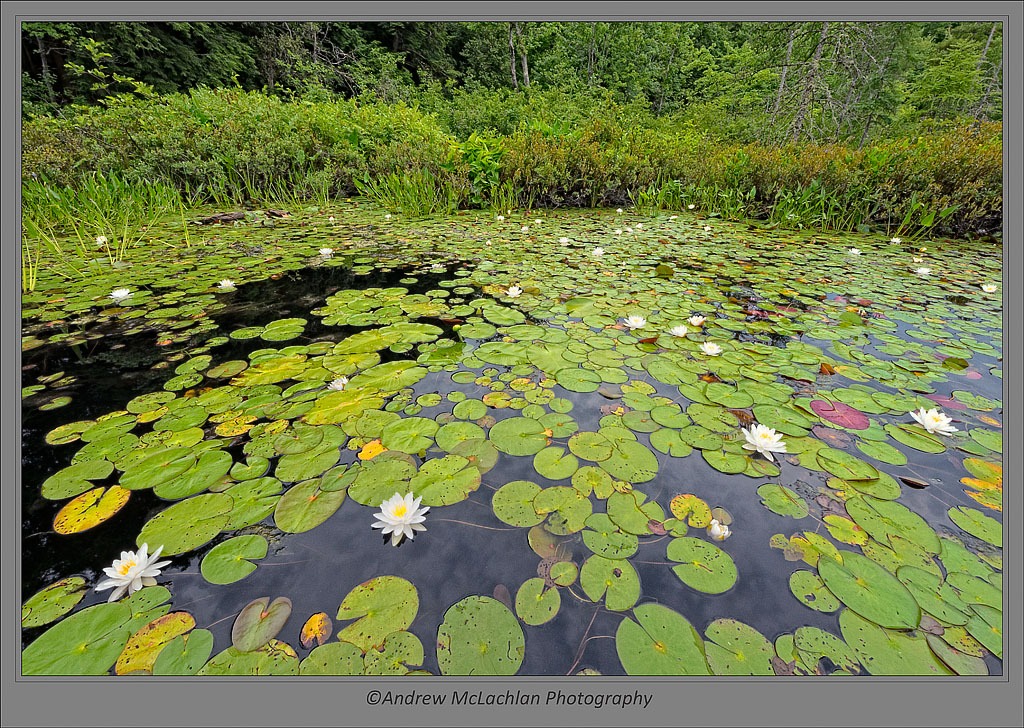
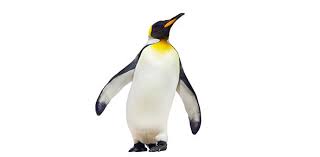
Where does this animal live?
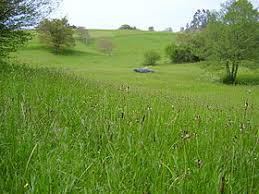
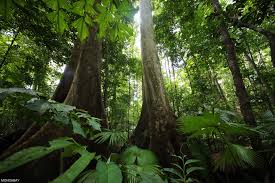
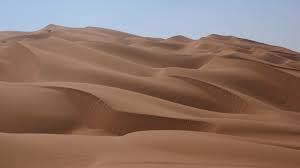
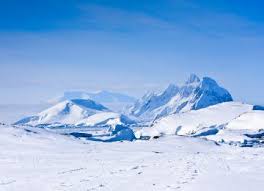
What habitat has the most amount of trees?
Rainforst
Desert
Grasslands
Arctic
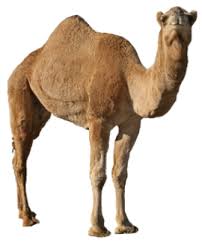
Where does this animal live?
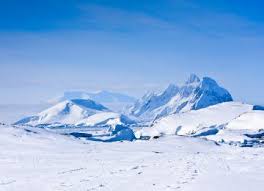
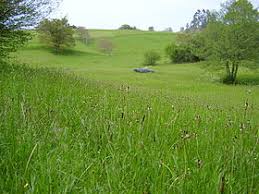
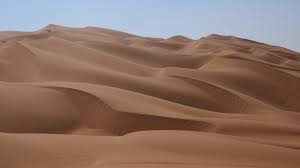
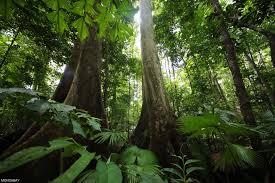
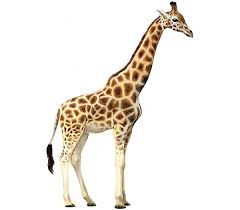
Where does this animal live?
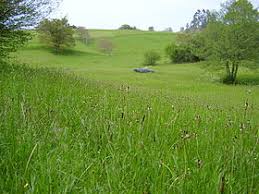
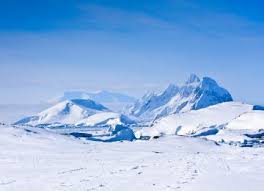
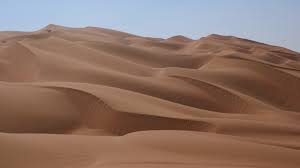
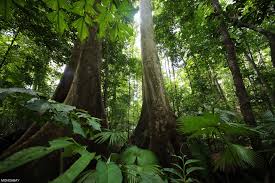
What is a habitat?
A way an animal behaves.
A group of the same animals living together.
A specific place where an animal naturally lives.
When an animal lives in a place that is not their home eg. a zoo
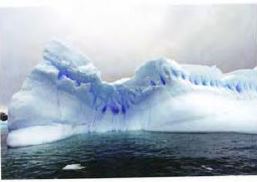
polar region
ocean
jungle
desert
mountains
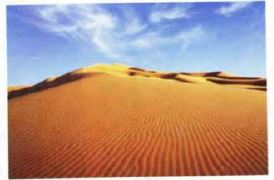
polar region
ocean
jungle
desert
mountains
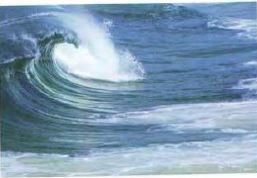
polar region
ocean
jungle
desert
mountains
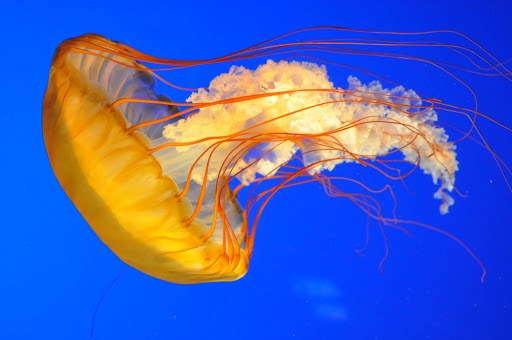
Where do you find jellyfish?
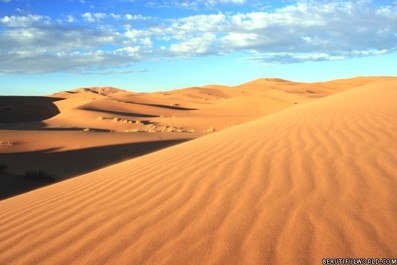
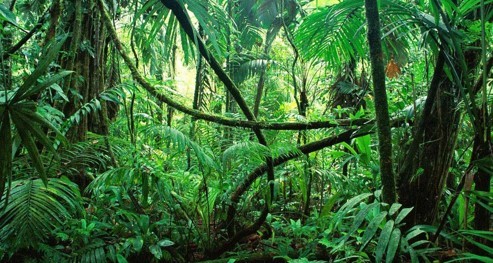
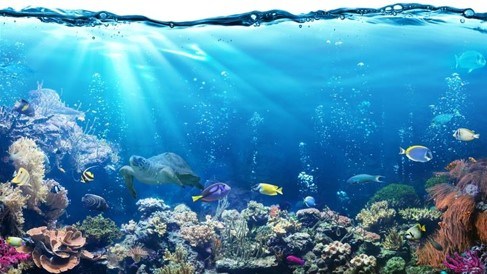
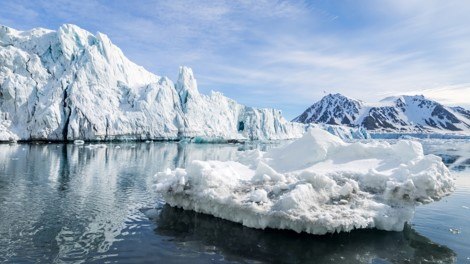
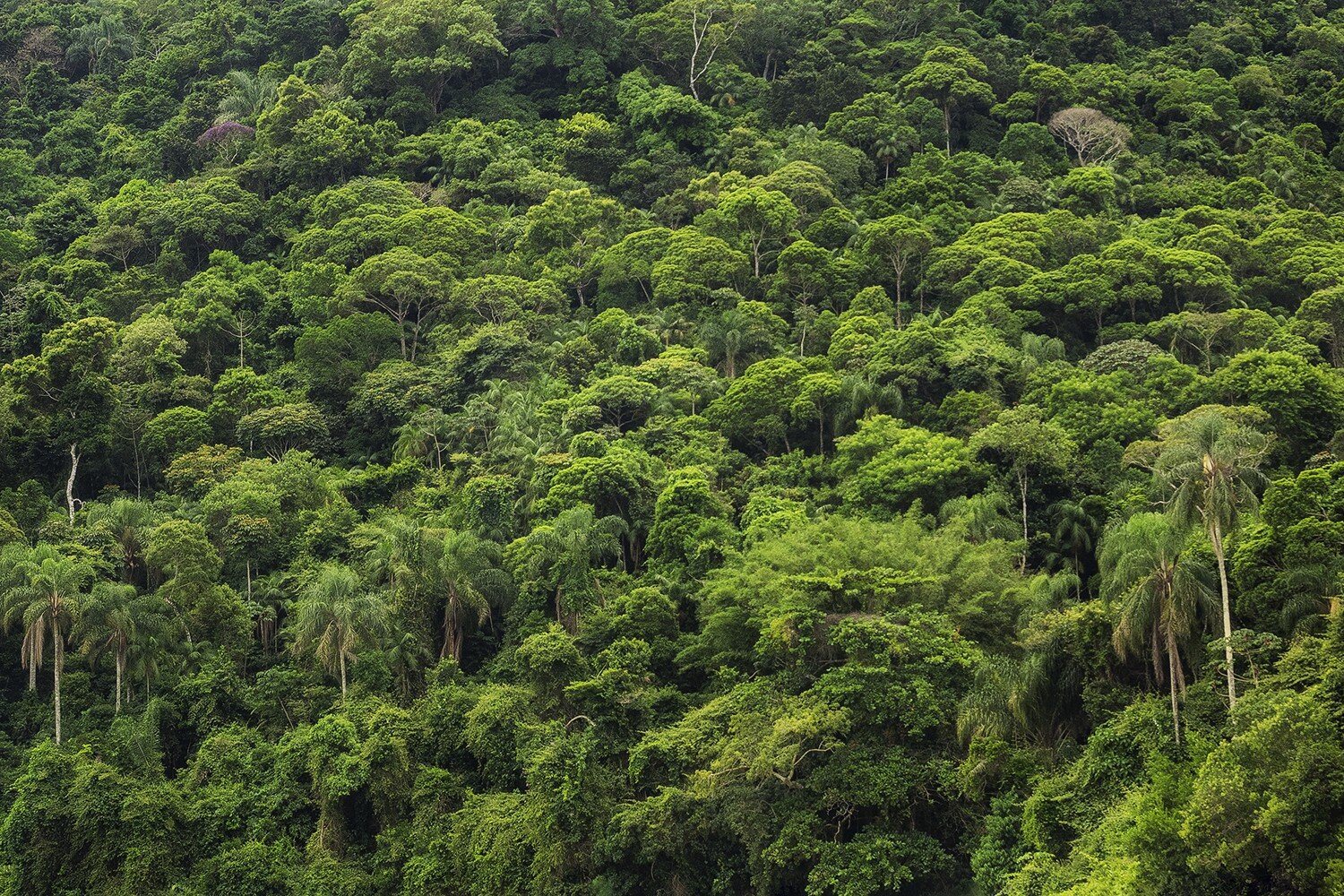
What's the name of this habitat?
Forest
Desert
Ocean
Tundra
These are habitats found on LAND.
Aquatic Habitats
Terrestrial Habitats
Aerial Habitats
These are habitats found on WATER.
Aquatic Habitats
Terrestrial Habitats
Aerial Habitats
What is a food chain?
The flow of energy from one thing to another
The way animals eat each other
The way the sun makes everything
How the plants grow


*Remember Humans are on the top of all food chains because we do not get hunted.
What do plants need to make their own food?
Sun, Water, and Animals
Sun, Coke, and Soil
Sun, Water, and Soil
Nothing at all
An example of a predator:
shark
mouse
rabbit
An example of prey:
lion
mouse
shark

What is a decomposer?


Food webs show you everything an animal eats. Food chains show you one thing.


What is a fuel?
Any substance that can provide heat and produce energy when it is burned
Some energies can be created and destroyed
The tools that provide the heat
Heat energy made by human

Which one is not types of fuel?
Solid Fuels
Liquid Fuels
Water Fuels
Gaseous Fuels

Which is the correct classification of fuel?
On the basis of their fuels state and gaseous
On the basis of their fuels state and occurrence
On the basis of their fuels state and solid
On the basis of their fuels occurrence and natural

Which one is not solid fuels?
Wood
Oil Shale
Coal
Petroleum

What is the advantage of solid fuels?
A large portion of the energy is wasted
Low production cost
Burn without ash
All of correct

What is the disadvantages of liquid fuels?
Burn without ash
Controlling the combustion is easier
Greater risk of fire hazards.
Transportation easier through pipes

What is the advantage of gaseous fuels?
Clean after use
More expensive
Busy to transport
Require special burner technology
What is process that change water vapor to liquid water?
condensation
evaporation
transportation
precipitation
What roles does the Sun play in the water cycle?
The sun provides light energy so that water will evaporate.
The Sun provides heat energy so that water will condenses.
The Sun provides light energy so that water will accumulate.
The Sun provides heat energy so that water will evaporate.
Forms of precipitation are-
water,rain,sleet,hail
rain,snow,heat,hail
water,hail,heat,snow
rain,snow,sleet,hail
Why water cycles are important?
(a)
What is evaporation?
change gas to liquid
rain,snow,sleet,hail
change liquid to gas
What happen AFTER precipitation?
Run-off
evaporation
condensation
accumulation
What those statement it NOT true?
evaporation is important to water cycles
after run-off is accumulation
before condensation is precipitation
Water condenses when-
The sun energy heat
when the water comes down to the earth
when the temperature cools atmosphere
What is accumulation?
it is where water collect
it change gas to liquid water
it is sleet,hail,snow,rain
gravity flow it to the ocean
The water cycle requires energy to make the process work.Where does that energy come from?
Strong winds that blows from the west
heavy rainfall
the Moon´s orbit around the earth
the Sun´s light and heat energy
What roles does the Sun play in the water cycle?
The sun provides light energy so that water will evaporate.
The Sun provides heat energy so that water will condenses.
The Sun provides light energy so that water will accumulate.
The Sun provides heat energy so that water will condenses.
What is the symbol for Iron?
Fe
FE
Ir
Iron
What is the atomic number for Silver?
57
42
47
26
What is the melting point for Nickel?
2455°F
1455°c
1455°F
1455°C
The list which contains only metals is .......
aluminium, copper, nitrogen
iron, oxygen, hydrogen
iron, silver, copper
iron, sulphur, copper
What are the properties of Copper?
Soft, Malleable, Ductile
Hard, Durable, Ductile
Good conductor, Dark, Soft
What colour is Gold?
Gold
Redish-yellow
Orange
Blue
The property of metals by which they can be beaten in to shape.
Sonority
Malleability
Ductility
None of the above
Which metal is commonly used for Cutlery, kitchen sinks, door handles?
Tin
Lead
Aluminium
Stainless steel
The chemical symbol for Potassium
K
P
Po
Ks
An alloy is harder than its pure metal because the foreign atoms in the alloy
increase the bond strength between the atoms.
increase the empty spaces between the atoms.
react with the pure metal atoms to form a compound.
reduce the ability of the atoms to slide across each other.
Brass is an alloy consisting of a mixture of
copper and zinc
copper and lead
copper and tin
tin and lead
The main element present in brass and bronze is
copper
lead
zinc
tin
Which of the following alloy is used to make the body of an aeroplane?
Brass
Duralumin
Steel
Pewter
Which of the following is not the aim of alloying?
To increase the strength and hardness of metal.
To prevent corrosion of metal.
To improve the appearance of metal
To increase the melting point.
What is the composition of brass?
30% tin and 70% copper
10% tin and 90% copper
30% zinc and 70% copper
10% zinc and 90% copper
Which of the following statements below is true?
Copper is more ductile than brass
Brass is more malleable than copper
Iron is shinier than stainless steel
Iron is more resistant to corrosion than steel
Which of the following characteristics belong to pure metals?
I. Ductile
II. Malleable
III. Brittle
IV. Good conductor of electricity
I and II
I and IV
I, II and IV
I, II, III and IV
Which of the following properties does not belong to an alloy as compared to its pure metal?
Stronger
More corrosion resistant
Harder
More malleable
Alloy is a ...
A chemical compound with combination between metal and non-metal
A salt contain of two or more elements where the main element is non-metal
Mixture of two or more elements where the main element is metal
This alloy contain 93% aluminium, 3% copper, 3% magnesium and 1% manganese. This alloy is known as
Brass
Bronze
Steel
Duralumin
Bronze contain copper and
Zinc
Tin
Magnesium
Antimony

The purpose of this experiment is to compare
Hardness of metal and alloy
Resistance towards corrosion of metal and alloy
What is the main metal used to made pewter?
Tin
Copper
Antimony
Aluminium
What can be made with steel?
Bridges
Monument
Household articles
Bicycles
Which is the follow processes increases the hardness of a metal?
Purification
Plating
Alloying
Electrolysis
What is a metal?
a) any chemical element that loses one or more valence electrons to form a positive ion
b) any chemical element that gains one or more valence electrons to form a negative ion
c) any chemical element that gains two or more valence electrons to form a positive ion
d) any chemical element that loses two or more valence electrons to form a positive ion in a chemical reaction
Metal crystals are called "grains"
a) True
b) False
Alloys have a melting point; Pure metals have a melting range.
a) Both statements are true
b) Both statements are false
c) First statement is true; second statement is false
d) First statement is false; second statement is true
Pure metals have specific characteristics; Alloys have combined characteristics.
a) Both statements are true
b) Both statements are false
c) First statement is true; second statement is false
d) First statement is false; second statement is true
Pure metals have a fixed melting and freezing point.
a) True
b) False
Liquidus point/temperature is the point where the alloy starts to melt.
a) True
b) False
Solidus point/temperature is the temperature at which the alloy is completely melted.
a) True
b) False
Heating metals to a specific temperature below red hot can relieve stresses in metal and increase their hardness...this type of heat treatment is called?
a) Annealing
b) Tempering
c) Stress relieving
d) Quenching
e) Hardening
What is the opposite of tempering?
a) Annealing
b) Hardening
c) Quenching
d) Stress Relieving
All noble metals are precious, but not all precious metals are noble...
a) True
b) False
Noble metals include iron, copper, nickel, cobalt, molybdenum and tungsten.
a) True
b) False
Base metal contains less than 70% of noble metal.
a) True
b) False
High noble metals contain 90% or more noble metal; Medium noble metal contains 70% or more, but less than 90%.
a) Both statements are true
b) Both statement are false
c) First statement is true; second statement is false
d) First statement is false; second statement is true
What is energy?
The ability to do work and cause change
A push or a pull
a structure inside of an animal
a pathway
Work is defined as...
pulling weeds
the application of force through a distance
anything that takes up space
stopping a moving object
What is defined as a change in position of an object over time?
energy
work
force
motion
In order to do work, what must be present?
gloves
muscles
energy
lungs
Which of the following is NOT a form of energy?
mechanical energy
electrical energy
thermal energy
wood energy
What is thermal energy?
energy that must flow through circuit
heat energy
energy of moving parts
light energy
Stored energy is called
potential energy
light energy
kinetic energy
lost energy
Energy of a moving object is called
potential energy
light energy
thermal energy
kinetic energy
When a moving object runs into another object, that is called a
potential energy
collision
circuit
load
What happens when a collision occurs?
potential energy is stored up
two cars are crushed
energy is transferred from one object to another
the object that was hit will always stay still

Identify the type of energy
Thermal energy
Sound energy
Mechanical energy
Electrical energy


The Sun produces ______ and ______ energy
thermal, light
chemical, sound
kinetic, light
Moving things have_______energy
sound
electrical
kinetic
The principle of energy conservation states:
Energy can be created but not destroyed
Energy cannot be created, nor destroyed.
Energy can be destroyed but not created

The image shows
Kinetic energy
Kinetic and mechanical energy
Thermal and kinetic energy
Potential and kinetic energy

The image shows
Renewable energy
Non renewable energy
Both
None
Potential energy refers to
the energy of something due to its position
the energy of something due to its location
the energy of something due to its temperature

Hidroelectric power stations produce electricity with the use of
Gravitational and kinetic energy
thermal and water energy
potential and kinetic energy
kinetic and electrical energy


Which letter shows the ball when it has NO potential energy?
B
C
D
E
F
Which letter shows the ball when it has THE MOST kinetic energy?
B
C
D
E
F
Which letter shows the ball when it has THE LEAST kinetic energy?
A
B
C
F
G
Which letter shows the ball when it is moving the fastest?
B
C
D
E
F

Which letters shows the ball when it has BOTH kinetic and potential energy?
The ball starts and ends AT REST. List all that apply in alphabetic order!
(a)
The Law of Conservation of Energy states:
Energy can created or destroyed but not transformed
Energy cannot be created or destroyed, it can only transformed
Energy can't be created, destroyed or transformed
Energy cannot be created or destroyed.

You drop a 5 kg ball from a height of 2 m. how much is the kinetic energy of the object just before it hits the ground
A 20 kg box is lifted 6 m above the ground. How much PEg does it have?
120 J
200 J
1200 J
60 J
A ball is elevated some distance off the ground. If it has a mass of 3 kg and a potential energy of 90 J, how high off the ground is the ball?
2700 m
27 m
900 m
3 m
What happens to the PEg of a rock that sits on the edge of a cliff as it starts to fall?
The rock loses PEg and gains KE.
The rock loses KE and gains PEg.
The rock retains all its PEg and gains KE
The rock retains both PEg and KE

What happens when the ball goes from the highest position to the lowest position
PE and KE increases and decreases together
Impossible to know without knowing the mass of the object
the PE decreases while KE increases
A 1.0 kg ball is stationary at the top of a hill that is 10.0 meters in height. The ball rolls all the way down the hill. What is its gravitational potential energy at the bottom of the hill?
0 joules
98 joules
49 joules
38 joules
The Law of Conservation of Energy states:
Energy can created or destroyed but not transformed
Energy cannot be created or destroyed, it can only transformed
Energy can't be created, destroyed or transformed
Energy cannot be created or destroyed.

Where does the pendulum have the same amount of kinetic energy and potential energy? (pick 2)
A
B
C
D
E
If a ball tossed into the air has a maximum gravitational potential energy of 5.75 joules, what is its maximum kinetic energy in the same toss?
5.75 joules
11.14 joules
2.88 joules
7.93 joules

