
Font size
 Worksheets
Diveristy of Living Things
Total questions: 70
Worksheet time: 1hrs 4mins
The physical features of an organism that help it survive.
Behavioral Adaptations
Structural Adaptations
The things animals do to survive.
Behavioral Adaptations
Structural Adaptations
Leaf insects are shaped like a leaf so predators think they are real leaves.
Behavioral Adaptation
Structural Adaptation
A beavers front teeth grow continuously to be able to chew wood.
Behavioral Adaptation
Structural Adaptation
Leaf insects sway as they walk so that they look like leaves blowing in the wind.
Behavioral Adaptation
Structural Adaptation
Beavers claim their territory by building piles of mud and marking it with scent.
Behavioral Adaptation
Structural Adaptation
A moose has long legs to walk through deep snow, over bushes, and wade through marshes.
Behavioral Adaptation
Structural Adaptation
A polar bear has very small ears to keep it from losing heat.
Behavioral Adaptation
Structural Adaptation
A polar bear has thick rough pads on their feet to better walk on ice.
Behavioral Adaptation
Structural Adaptation

Hibernation, migration, and dormancy or all examples of ___________ adaptations.
behavioral
physical
special
environmental

Camouflage and mimicry are examples of ___________ adaptations.
behavioral
special
physical
predatory

Squirrels gather and store acorns for the winter, which is a ___________ adaptation.
behavioral
structural
physical
environmental

Birds have different beaks to help them survive in their habitat, which is a type of ___________ adaptation.
behavioral
physical
learned
migration
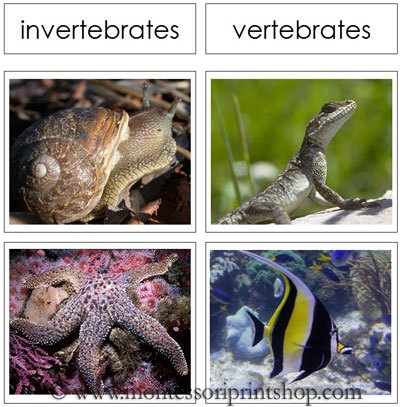
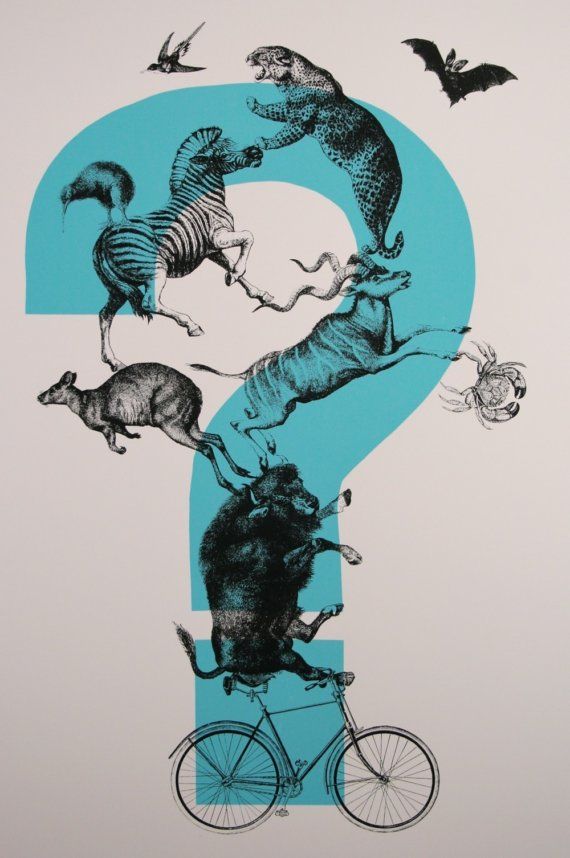
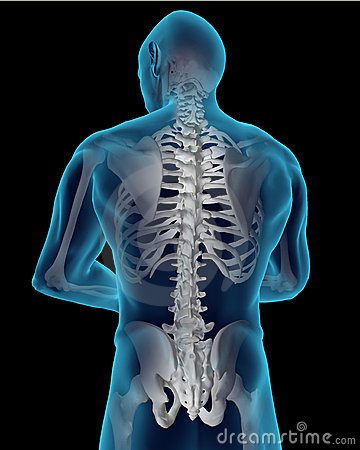

Is this an invertebrate or vertebrate?
Invertebrate
Vertebrate

Which group does this animal belong to?
Invertebrate
Vertebrate
Jellyfish, spiders, starfish, and worms are ________.
Vertebrates
Invertebrates

This animal belongs to what group?
Vertebrate
Invertebrate
Which of the following is an invertebrate?
Cat
Snail
Goldfish
Humans
Sponges use pores to absorb nutrients and oxygen.
true
false


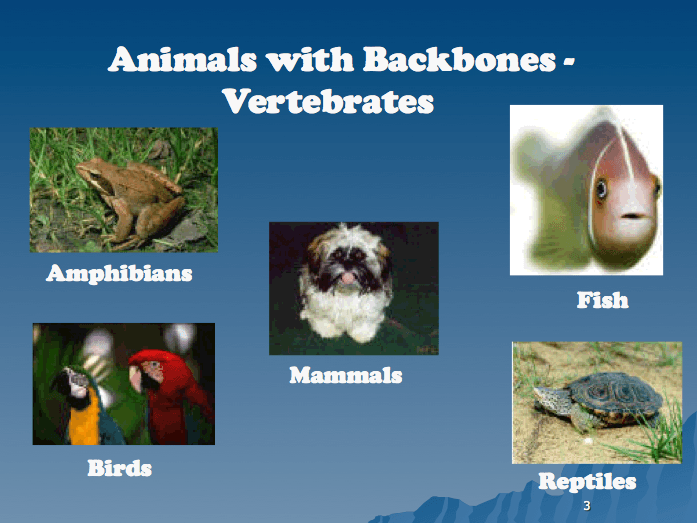
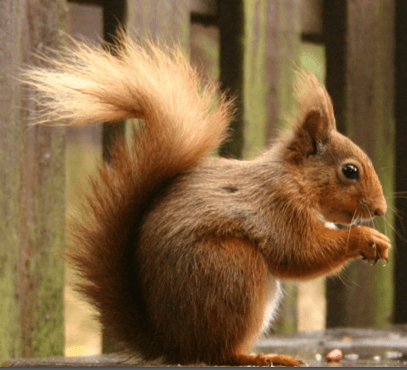
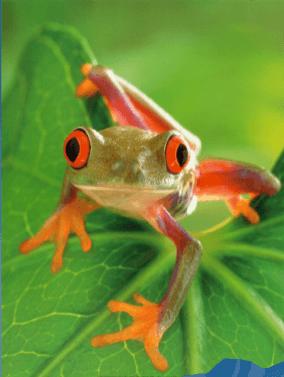

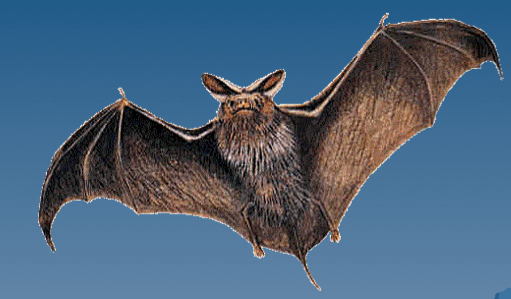
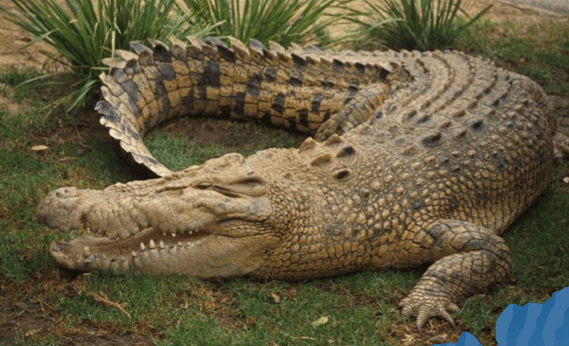


An animal's qualities are listed below:
ANIMAL'S QUALITIES
● Moist skin
● Has four legs
● Lays eggs
● Breathes with lungs and gills
● Cold blooded
What type of animal is described in the box?
amphibian
fish
mammal
reptile
bird

an expert in or student of the branch of science concerning living organisms.
Geologist
Biologist
Archeologist
Naturist

an official in charge of a forest, park, estate, nature reserve, etc
Diving instructor
Tree planter
Park ranger
Nature photographer

Nature photography focuses on landscapes, wildlife and plant life as they are found in their natural environment.
Landscape architect
Nature photographer
Naturalist
Geologist

a person who helps injured or orphaned animals recover so they can get back out into their natural habitat.
Naturist
Wildlife rehabilitator
Biologist
Park ranger

a person who plants trees as a way to protect and preserve the environment and help to the community.
Park ranger
Landscape architect
Tree planter
Naturalist

Which characteristic is shown in the image?
Organisms reproduce
Organisms react to stimuli
Organisms can adapt
Organisms use and obtain energy
Organisms are made up of cells

Which characteristic is shown in the image?
Organisms reproduce
Organisms react to stimuli
Organisms can adapt
Organisms use and obtain energy
Organisms are made up of cells

Which characteristic is shown in the image?
Organisms reproduce
Organisms react to stimuli
Organisms can adapt
Organisms use and obtain energy
Organisms are made up of cells
Explain what the classification system is. Why do scientist use it? Is it a perfect method? Why or why not?
On a piece of loose leaf, draw the classification system that we have been learning about. On the response below just type in on paper to move on to the next quetions.
What are the 5 characteristics of living things??
Taxi
Organization, can grow and live, respond to hunger, living thing, reproduce.
At least made up of one cell, can grow and develop ,respond to stimuli, reproduce, and obtain and use energy.
Taxonomy
Mimicry is
an animal’s color and pattern that helps it blend in with its surroundings.
animal body parts or physical features.
when an animal looks like another animal or plant.
movement of one group of one type of animal from one region to another and back again.
Animal migration is
when an animal looks like another animal or plant.
an animal’s color and pattern that helps it blend in with its surroundings.
a seasonal period of time when an animal goes into a long, deep sleep.
movement of one group of one type of animal from one region to another and back again.

Is the following a structural or behavioural adaptation? When fish swim in schools
Structural
Behavioral
Hibernation is an adaptation. How does hibernation help animals survive?
It allows them to fly away from predators.
It allows them to catch prey easily.
It allows them to store fat and stay out of the winter cold.
It allows them to release excess heat.
This class of animals typically has an exoskeleton:
birds
mammals
crustaceans
amphibians
Strep throat, tonsillitis, and food poisoning are examples of (a) .
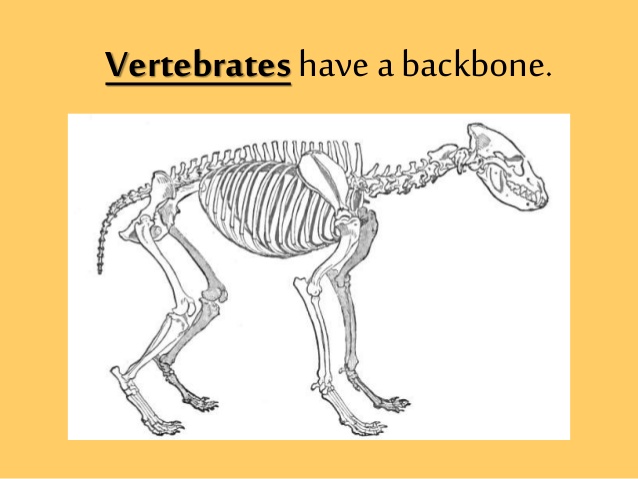
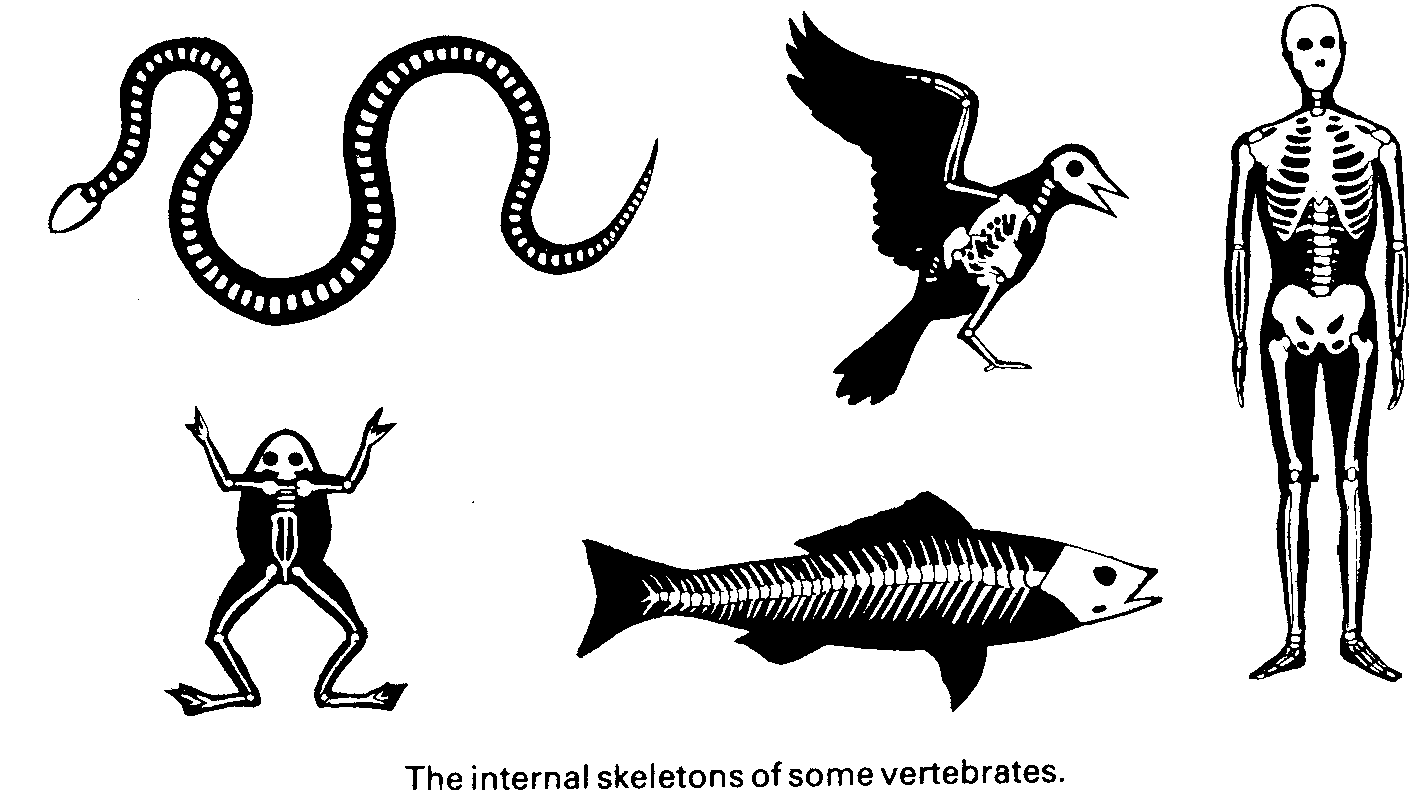
Explain the difference between exoskeleton and endoskeleton. Give an example of each. (4 marks)
Explain 2 different ways plants ensure their seeds spread far away from them. (2 marks)

