wayground logo

Free Printable Worksheets

Font size

S
M
L
XL
Worksheets

Food and Nutrition

Total questions: 45

Worksheet time: 29mins
Name
Class
Date
1.
A pattern of eating that includes how much, what, and how often a person eats.
a)
Metabolism
b)
Diet
c)
Calories
d)
Vitamins 
2.
Nutrients that build and repair tissues and cells e.g. meat, milk, eggs.
a)
Fat
b)
Minerals
c)
Vitamins
d)
Protein
3.
A chemical compound made up of one or more simple sugar e.g. bread, rice, pasta
a)
Protein
b)
Water
c)
Fat
d)
Carbohydrates
4.
Elements essential for good health. e.g. Calcium, Iron, Potassium 
a)
Protein
b)
Fat
c)
Minerals
d)
Carbohydrates
5.
The body uses this to carry nutrients and waste. It also helps joints move smoothly.
a)
Fat
b)
Water
c)
Minerals
d)
Vitamin 
6.
Organic compounds that control several body functions. e.g. A, C, K
a)
Carbohydrates
b)
Metabolism
c)
Vitamins
d)
Digestion
7.
The process of breaking down food into a form the body can use.
a)
Diet
b)
Metabolism
c)
Calories
d)
Digestion
8.
Energy storage nutrients that help the body store some vitamins e.g. oils, butter, margarine
a)
Fats
b)
Carbohydrates
c)
Minerals
d)
Vitamins
9.
The amount of energy the body gets from food is measured in.
a)
Metabolism
b)
Diet
c)
Calories
d)
Protein
10.
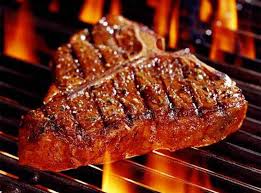
What food group is the above food in?
a)
Fruit
b)
Vegetable
c)
Dairy
d)
Grain
11.
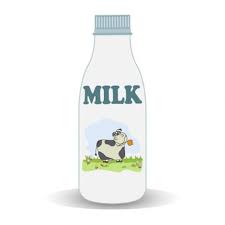
What food group is the above food in?
a)
Grain
b)
Protein
c)
Vegetable
d)
Dairy
12.
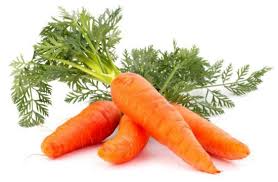
What food group is the above food in?
a)
Vegetable
b)
Fruit
c)
Grain
d)
Dairy
13.
What food group is the above food in?
a)
Dairy
b)
Vegetable
c)
Fruit
d)
Protein
14.

About how many calories should a kid your age have each day?

a)

800

b)

1,200

c)

2,000

d)

3,000

15.

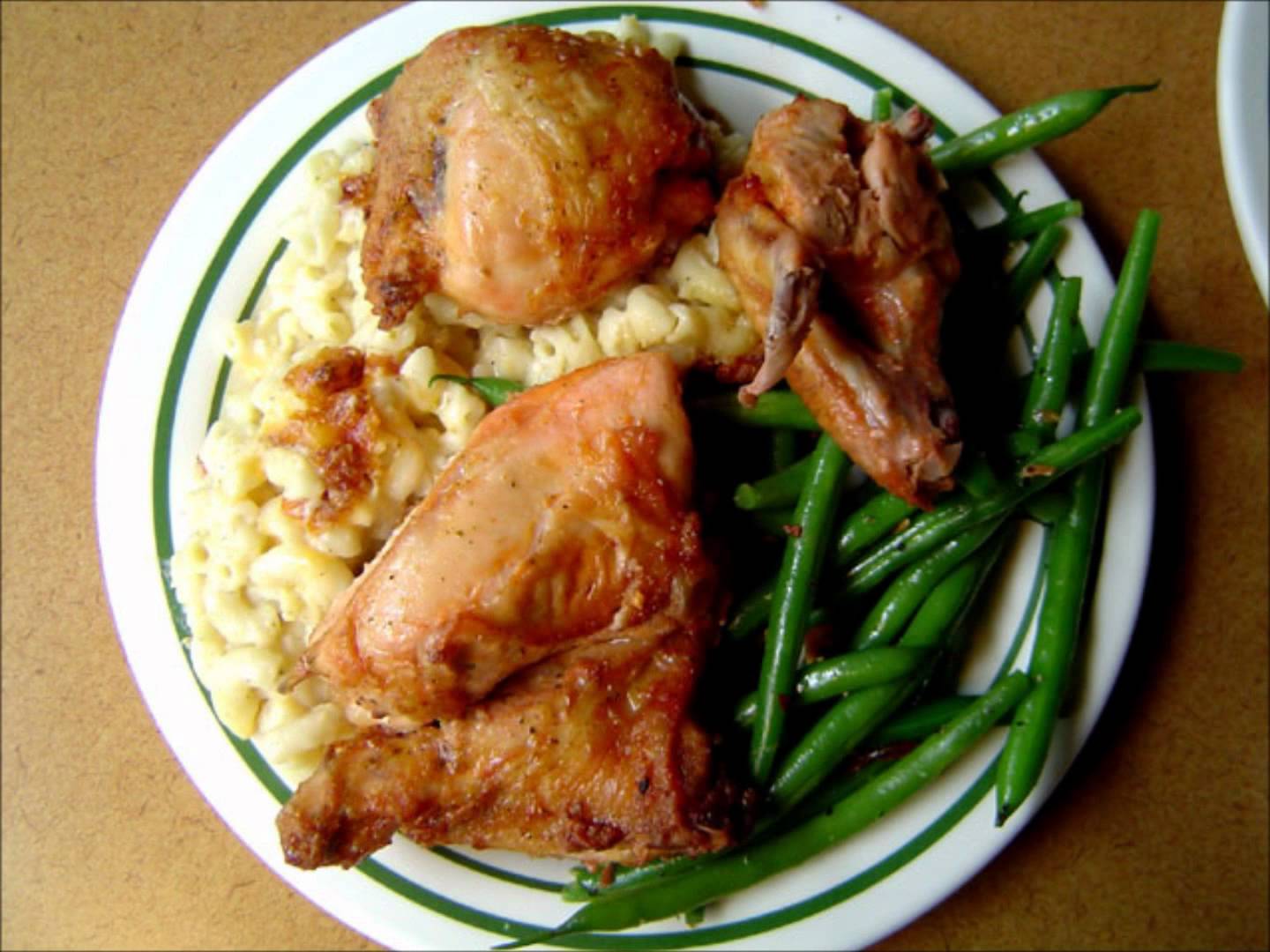
What food group is missing from this plate?

a)

Grains

b)

Fruits

c)

Dairy

d)

Protein

16.
What food group supplies a large amount of protein?
a)
Dairy
b)
Fruit
c)
Meats
d)
Vegetables
17.
Which of the following is true about most fast foods? 
a)
they are low in nutrient density 
b)
they are high in fat and calories 
c)
they are low in vitamins and minerals 
d)
all of the above  
18.
What is the main reason for eating a wide variety of foods? 
a)
to learn the food label
b)
to provide all the nutrients you need 
c)
to keep from getting bored with your diet 
d)
to help improve physical fitness 
19.
When you don't drink enough water you can become:
a)
silly
b)
hyper
c)
intoxicated 
d)
dehydrated 
20.
WHAT ARE THE 6 NUTRIENTS?
a)
Carbs, Meats, Fibers, Water, Protein, and Dairy
b)
Fruits, Milk, Fibers, Water, Pork, and Vitamins
c)
Carbs, Fats, Minerals, Water, Proteins, and Vitamins
d)
Carbs, Fats, Fibers, Cheese, Protein, and Vegtables
21.

We need _____________ for our body to grow well and stay healthy.

a)

teeth

b)

nutrients

c)

food

d)

sleep

22.

Our body uses _____________ to carry out daily activities.

a)

energy

b)

hands

c)

nutrients

d)

protein

23.

What nutrients do different types of food have?

a)

carbohydrates and vitamins

b)

protein and carbohydrates

c)

fats, vitamins and minerals

d)

fats, vitamins and minerals, protein, carbohydrates

24.

__________________ are energy giving foods.

a)

minerals

b)

fats

c)

carbohydrates

d)

protein

25.

What nutrient keeps our body warm?

a)

fat

b)

protein

c)

fruits and vegetables

d)

carbohydrates

26.

Tick all foods that belong to the Protein Food Group.

a)
b)
c)
d)
e)
27.

Water makes up more than half of our body.

a)

True

b)

False

28.

How much water does our body have?

a)

50%

b)

90%

c)

75%

d)

100%

29.

Tick all the foods that belong to the Carbohydrates Food Group.

a)
b)
c)
d)
e)
30.

A _________________ has all the nutrients that our body needs, in the right amounts.

a)

balanced diet

b)

meal

c)

diet

d)

breakfast

31.

Molars chew and crush food into smaller pieces.

a)

True

b)

False

32.

These type of teeth are found in the front corners of our mouth. They tear the food that we eat.

a)

incisors

b)

canines

c)

premolars

d)

molars

33.

We have ____________ milk teeth.

a)

twenty-five

b)

20

c)

thirty

d)

35

34.

It is formed when the sugar in our food combines with the germs in our mouth.

a)

bad breath

b)

sugar

c)

plaque

d)

swollen gums

35.

The parts that hold our teeth in place are called _____________.

a)

mouth

b)

tongue

c)

gums

d)

throat

36.
Protein provides energy and helps with muscle development.
Which one of these foods does NOT contain protein?
a)
White meat (chicken)
b)
Red meat (lamb)
c)
Cranberry Juice
d)
Eggs
37.
Carbohydrates are found in foods such as: pasta, bread and porridge.
When eaten, what are Carbohydrates
MAIN FUNCTION?
a)
Energy
b)
Repair
c)
Growth
d)
Maintainence 
38.
True or False:
Vitamin C is used to help heal the body and boost a person's immune system
a)
True
b)
False
39.
Eating foods such as Fish, offal (animal insides) and potatoes help assist with brain function. What is the MAIN VITAMIN that all of these foods contain? 
a)
Vitamin C
b)
Vitamin D
c)
Vitamin B6
d)
Vitamin Z
40.
The function of iron in the body is to help with red cell production and keeping a healthy metabolism.
Which food contains a HIGH amount of iron?
a)
Almond milk
b)
Pears
c)
Rump Steak 
d)
Chocolate muffins
41.
True or False:
Too much Iron can lead to fatigue, weakness dizziness and brittle nails.
a)
True
b)
False
42.
How much total fat is in the product per serving?
a)
10g
b)
8g
c)
1g
d)
80g
43.
What % of daily fibre is in this product?
a)
12%
b)
5%
c)
7%
d)
16%
44.
What is the recommended serving size? 
a)
2 cups
b)
2/3 cup
c)
1/2 cup
d)
1 cup
45.
When should this food be eaten?
a)
Always
b)
Never
c)
Every now and then 
d)
Weekly