wayground logo

Free Printable Worksheets

Font size

S
M
L
XL
Worksheets

Communities and Succession

Total questions: 97

Worksheet time: 2hrs 38mins

Name
Class
Date
1.

The majority of Earth's energy comes from...

a)

the Earth's core

b)

the Sun

c)

hydroelectric power

d)

burning fossil fuels

2.

Which of the following does NOT happen to solar energy when it reaches Earth?

a)

Some solar energy reflects off the atmosphere, back to space

b)

Some solar energy passes through Earth and comes out the other side

c)

Some solar energy is absorbed by land and water

d)

Some solar energy is radiated from the Earth's surface and trapped by the atmosphere

3.
What is the greenhouse effect?
a)
The warming of a planet due to trapped radiation.
b)
The cooling of Earth due to air pollution.
c)
The heating of a solid, such as a rock.
4.
Which of the following are greenhouse gases?
a)
Carbon dioxide
b)
Methane
c)
Water vapor
d)
All answers are correct
5.

The Earth's atmosphere acts like a greenhouse that traps heat from the sun.

a)

true

b)

false

6.
Without the Greenhouse Effect the Earth would be
a)
warm 
b)
cold
c)
dead
7.

Which of the following natural events is NOT a source of carbon dioxide?

a)

Wildfire

b)

Decomposing plants and animals

c)

Volcanic eruption

d)

Earthquake

8.
What happens to the temperature if more greenhouse gases are released into the atmosphere?
a)
Temperature goes up
b)
Temperature goes down
9.

At what point in human history did global carbon dioxide levels start to rise?

a)

World War I

b)

World War II

c)

The Industrial Revolution

d)

The invention of the car

10.

Which planet has a thick atmosphere made up mostly of carbon dioxide and a strong greenhouse effect?

a)

Mercury

b)

Venus

c)

Earth

d)

Mars

11.

What do you call an animal that only eats plants?

a)

niche

b)

carnivore

c)

parasite

d)

herbivore

e)

predator

12.

What is the general term used to describe the interaction between two different organisms that are living in close physical association?

a)

photosynthesis

b)

symbiosis

c)

habitat

d)

prey

e)

omnivore

13.

This term describes a consumer that feeds only on other consumers - in other words, the 'opposite' of vegan…

a)

mutualsim

b)

niche

c)

prey

d)

autotroph

e)

carnivore

14.

The animal in an ecological relationship that results in another animal being hunted, killed, and eaten…

a)

autotroph

b)

habitat

c)

predator

d)

herbivore

e)

producer

15.

The non-living part of the natural environment where an animal, plant or other organism lives…

a)

niche

b)

habitat

c)

community

d)

ecosystem

e)

biosphere

16.

An ecological symbiotic relationship between two organisms where one benefits and the other is harmed…

a)

parasitism

b)

herbivore

c)

mutualism

d)

carnivore

e)

commensalism

17.

This is the job or role of a specific organism within its habitat...

a)

producer

b)

prey

c)

carnivore

d)

niche

e)

photosynthesis

18.

What you would call an ecological symbiotic relationship between two organisms where one benefits, but the other is not helped or harmed?

a)

mutualsim

b)

predator

c)

commensalism

d)

parasitism

e)

herbivory

19.

The name of the process that producers use to make their own food…

a)

respiration

b)

commensalism

c)

food chains

d)

photosynthesis

e)

symbiosis

20.

Another word for a plant or other producer that makes its own food using energy from sunlight…

a)

photosynthesis

b)

autotroph

c)

consumer

d)

carnivore

e)

herbivore

21.

Technically speaking, ALL food chains should end with these types of organisms so that nutrients can be recycled back into the habitat…

a)

parasites

b)

predators

c)

herbivores

d)

symbiotes

e)

decomposers

22.

What is the term used to describe ALL of the populations of ALL the species of living organisms within a particular habitat?

a)

savanna

b)

wildlife

c)

community

d)

habitat

e)

ecosystem

23.

The term used to include all of the living things PLUS all the non-living things together in a specific environment...

a)

community

b)

biosphere

c)

habitat

d)

population

e)

ecosystem

24.

What do you call the total count of a specific organism living within their natural habitat?

a)

ecosystem

b)

community

c)

population

d)

symbiosis

e)

niche

25.

What ecological relationship is depicted between Pumba (warthog) and the bugs?

a)

Competition, because pumba is in competition with the bugs for food sources

b)

Mutualistic, because Pumba and the bugs benefit each other

c)

Predator-Prey, because Pumba is a predator that consumes bug as prey

26.

Marlin and his son, Nemo, are clownfish that live in a sea anemone. Clownfish benefit by receiving protection and shelter from the sea anemone. The clownfish, in return, scares away predators of the sea anemone and provides nutrients for the sea anemone through its excrement (waste). The symbiotic relationship between Nemo and the sea anemone is known as -

a)

parasitism

b)

commensalism

c)

predator-prey

d)

competition

e)

mutualism

27.

The flock of white seagulls that are fighting over a single food source (Nemo & Dory) depicts which ecological relatioship?

a)

Intraspecies Competition

b)

Mutualism

c)

Parasitism

d)

Commensalism

28.

The pearlfish receives protection from predators by living inside a sea cucumber. The sea cucumber is not affected during this interaction. This ecological relationship is known as -

a)

predator-prey because the pearlfish is prey to the sea cucumber

b)

mutualism because only the pearlfish benefits in this ecological relationship

c)

parasitism because the pearlfish causes harm to the host sea cucumber

d)

commensalism because only the pearlfish benefits while the sea cucumber is not affected

e)

competition because the sea cucumber and pearlfish often fight for living space

29.

The video clip depicts two whales of the same species chasing after and fighting for the food source (penguins). The two ecological relationships depicted in this scene are -

a)

Interspecies Competition

b)

Mutualism

c)

Parasitism

d)

Predator-Prey relationship

e)

Intraspecies Competion

30.

A pair of red, male kangaroos are seen fighting over a potential mate. The ecological relationship between the two male kangaroos shown is -

a)

Commensalism

b)

Mutualism

c)

Predator-Prey

d)

Competition

31.

A habitat is ___________________.

a)

the place or kind of place in which an animal or plant naturally lives.

b)

is how plants produce their own food.

c)

is an animal that only eats meat.

d)

the place where only one animal lives.

32.

A niche ________________.

a)

is the function that an organism performs in the food web of that community.

b)

includes everything else the organism does and needs in its environment.

c)

is specific to each individual animal and plant.

d)

All of the above.

33.

An organism’s habitat provides _____________________.

a)

food, water, shelter, and space.

b)

food, water, and clothes.

c)

only food.

d)

video games, ninjas, and baked beans.

34.

A squirrels niche would be _________________.

a)

hunting prey and providing meat for other squirrels.

b)

searching for fish to eat in the ocean.

c)

staying busy storing nuts and seeds for winter.

d)

help decompose other animals and plants.

35.

A squirrels habitat would be _____________.

a)

Ocean

b)

Arctic

c)

Forest

d)

Dessert

36.

Fungus (mushrooms) would most likely grow in which habitat?

a)

A Rotting Log

b)

Ocean

c)

Desert

d)

A Pond

37.

A whale's niche would be which of the following?

a)

eating plankton and krill.

b)

eating sharks and dolphins.

c)

eating hamburgers and fries.

d)

eating other whales.

38.

Habitats and Niches are made up of ______________________.

a)

An environment

b)

A population

c)

An animal

d)

A plant.

39.
Barnacles create home sites by attaching themselves to whales. This relationship neither harms nor benefits the whales. 
a)
parasitism
b)
commensalism
c)
mutualism
40.
Yucca flowers are pollinated by yucca moths. The moths lay their eggs in the flowers where the larvae hatch and eat some of the developing seeds. Both species benefit. 
a)
parasitism
b)
commensalism
c)
mutualism
41.
Mistletoe extracts water and nutrients from a spruce tree. The spruce tree is harmed. 
a)
parasitism
b)
commensalism
c)
mutualism
42.
 The stork uses it saw-like bill to cut up the dead animals it eats. As a result, the dead animal carcass is accessible to some bees for food and egg laying. The relationship neither harms nor benefits the stork.
a)
parasitism
b)
commensalism
c)
mutualism
43.

Which of the following shows the symbiotic relationship between the Rodent and the Bird?

a)

Mutualism

b)

Commensalism

c)

Competition

44.

Hermit Crabs live in shells made and then abandoned by snails.

a)

Commensalism

b)

Parasitism

c)

Competition

45.
Two male Giraffes are fighting over the last green leaf of a tree that is dying.  
a)
Competition
b)
Mutualsim
c)
Predation
d)
Commensalism
46.
a relationship that occurs when two or more organims of the same species need the same resource at the same time
a)
competition
b)
symbiosis
c)
predation
47.
In a parasitic relationship, one organism is ___________ and one organism is benefiting. 
a)
helped
b)
harmed
c)
not effected
d)
happy
48.
In a mutual relationship, both organisms are ________________. 
a)
hurt
b)
not effected
c)
harmed
d)
benefiting 
49.
Commensalism is where one organism is benefiting and the other organism is _____________________. 
a)
not effected
b)
helped
c)
harmed
d)
hurt
50.
1.  A bee and a flower work together to benefit each other. This is an example of _________________. The bee helps the flower by pollinating it and the flower helps the bee by providing it with nectar. 
a)
commensal relationship 
b)
parasitic relationship 
c)
mutual relationship 
51.
A tick is a parasite to a horse. Which statement best describes the relationship between the tick and the horse? 
a)
a.  The tick helps the horse get food. 
b)
a.  The tick harms the horse by feeding on its blood. 
c)
a.  The horse harms the tick by feeding on its blood. 
d)
The tick does not affect the horse. 
52.
 Mrs. Bush’s cat has fleas. A flea is a parasite that gets its energy from Dante’s blood. How are the flea and the cat affected in this relationship? 
a)
Both organisms are helped.
b)
Both organisms are not affected.
c)
One organism is helped and one organism is not effected.
d)
One organism is helped and another organism is harmed. 
53.
Which is an example of commensalism?
a)
Two different kinds of organisms harming each other. 
b)
Two different kinds of organisms are neither helping nor harming each other. 
c)
One kind of organism is being helped, but the other one is not harmed or helped. 
d)
One kind of organism is being helped, but the other is harmed. 
54.
Which interaction benefits both organisms?
a)
A flea living on a dog
b)
A bee pollinating a flower
c)
A tapeworm living inside an animal
d)
A mosquito biting a person
55.
Tapeworms live in the intestines of dogs and absorb nutrients from food the dog eats. Which best describes the outcome of this relationship?
a)
The dog and tapeworm both become ill. 
b)
The dog becomes ill, and the tapeworm benefits. 
c)
The tapeworm and dog helpe ach other survive. 
d)
The tapeworm helps the dog survive. 
56.
A mite lives in the base of the eyelashes of people who use mascara. It feeds on the mascara; it does not seem to harm people. What type of symbiotic relationship is this?
a)
mutualism
b)
commensalism
c)
parasitism
d)
predation
57.
A coyote captures, kills, and eats a rabbit. What type of symbiotic relationship is this?
a)
mutualism
b)
commensalism
c)
parasitism
d)
predation
58.
Natural disasters such as flooding and tornadoes are linked to ________________.
a)
primary
b)
secondary
c)
old field
d)
ecosystem
59.
How do lichens contribute to primary succession?
a)
Lichens decompose organic matter from animals and plants
b)
Lichens begin to break down rock to form soil
c)
Lichens are nitrogen fixing bacteria
d)
Lichens convert carbohydrates into fossil fuels.
60.
What is formed during primary succession that doesn't need to be formed during secondary succession?
a)
pioneer species
b)
soil
c)
climax community
d)
lichens
61.
What type of succession is shown going from figure A to figure B?
a)
primary succession
b)
eutrophication
c)
secondary succession
d)
intermediate
62.
After a forest fire, an ecosystem would start regrowth through -
a)
primary succession
b)
secondary succession
c)
climax community
d)
limiting factors
63.
Which catastrophic event will most likely have the effect of returning an ecosystem to primary succession?
a)
A tornado
b)
A volcanic eruption
c)
A flood
d)
A drought
64.
succession that occurs in an area with no soil
a)
ecological succession 
b)
primary succession 
c)
secondary succession
d)
pioneer speciles
65.
succession that occurs in an area where soil is already present
a)
ecological succession 
b)
primary succession 
c)
secondary succession
d)
pioneer speciles
66.
starts with bare rock followed by lichen
a)
primary succession 
b)
secondary succession
c)
both types of succession
67.
this type of succession occurs after a forest fire
a)
primary succession
b)
secondary succession
c)
both
68.
a treeless biome that has permafrost
a)
Tundra
b)
Desert
c)
Taiga
d)
Deciduous
69.
the trees in this biome are characterized by needle-like leaves that are called conifers
a)
Desert
b)
Taiga
c)
Tundra
d)
Grasslands
70.
this cold biome has tall trees that photosynthesize all year round
a)
Tundra
b)
Tropical Rainforest
c)
Taiga
d)
Deciduous
71.
Plants in this biome are adapted to poor soil, extreme temperatures and less than 25 centimeters of rainfall per year.
a)
Tundra
b)
Taiga
c)
Desert
d)
Grasslands
72.
this biome has rich, fertile soil and much of the crop production in the U.S. is from this biome
a)
Grasslands
b)
Tundra
c)
Desert
d)
Tropical Rainforest
73.
this biome has the largest diversity (largest number of different kinds) of plant and animal species
a)
Desert
b)
Tundra
c)
Deciduous Forest
d)
Tropical Rainforest
74.
lichens, mosses, grasses, and other low-growing plants are common vegetation in this biome due to the permafrost, low rainfall, and very cold temperatures
a)
Desert
b)
Taiga
c)
Tundra
d)
Grasslands
75.
cacti are the main plant associated with this biome
a)
Desert
b)
Tundra
c)
Taiga
d)
Grasslands
76.
This biome's soil can be described as permafrost
a)
Taiga
b)
Tundra
77.
This biome gets the highest percentage of rain yearly
a)
Taiga
b)
Temperate Deciduous Forest
c)
Tropical Rainforest
d)
Grasslands
78.
Dropping leaves in the fall is a characteristic of what type of tree?
a)
deciduous
b)
evergreen
c)
conifer
d)
bonsai
79.

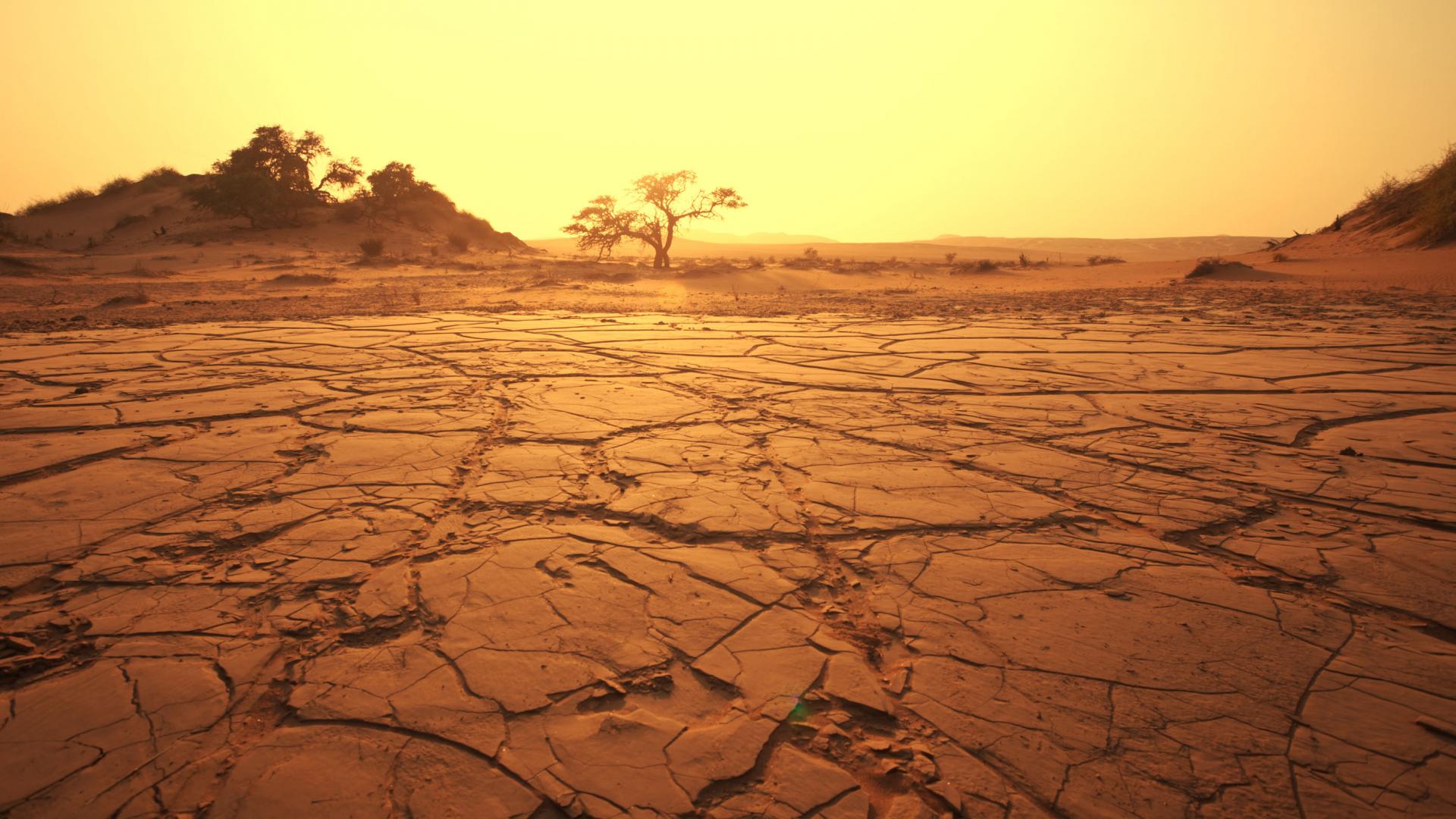
Biome with many different species of cacti and reptiles and very little rainfall.

a)

Desert

b)

Temperate Rainforest

c)

Tropical Rainforest

d)

Arctic Tundra

80.
Type of forest biome near the equator; receives a lot of rain; temperatures are warm all year.
a)
desert
b)
tropical rain forest
c)
arctic
d)
temperate rain forest
81.

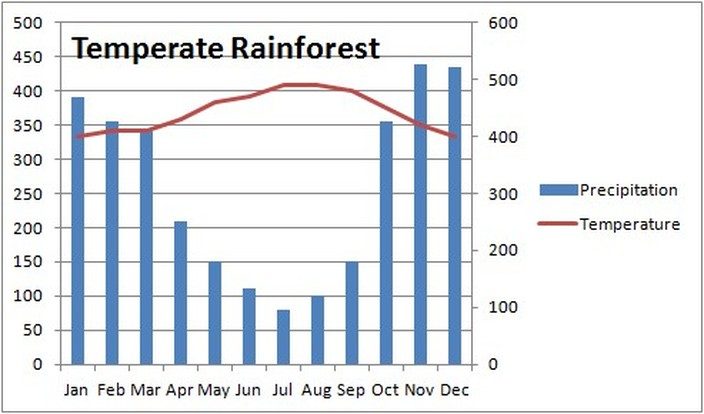
Which biome is represented by the rainfall amounts in letter C?

a)

desert

b)

prairie

c)

deciduous forest

d)

tropical rain forest

82.
Which biome is the driest?
a)
Desert
b)
Tundra
c)
Taiga
d)
Rainforest
83.
Which biome is characterized by low temperatures and low amounts of rainfall?
a)
tundra
b)
desert
c)
temperate deciduous forest
d)
tropical rain forest
84.
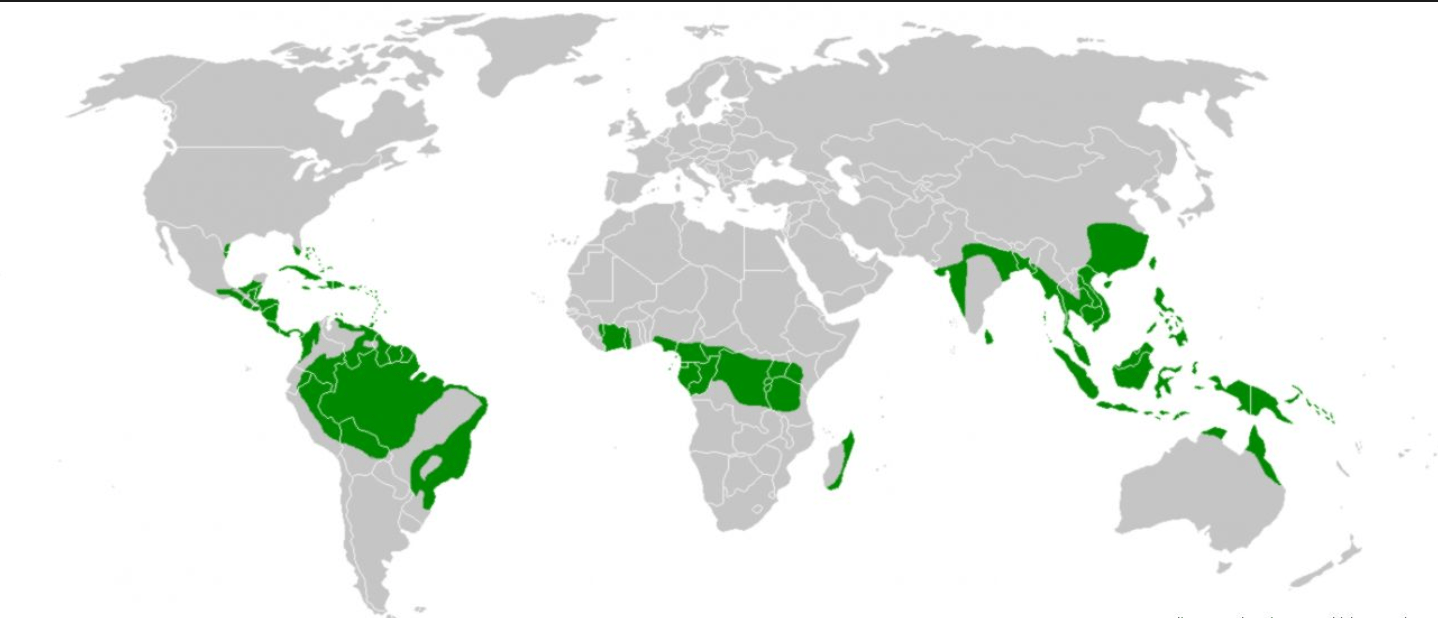
Which biome covers most of the land mass near the Earth's equator?
a)
tundra
b)
desert
c)
grassland
d)
tropical rainforest
85.
Which biome, because of its climate, has the largest number of species of plants and animals?
a)
tundra
b)
desert
c)
tropical rainforest
d)
pine forest
86.
The most important abiotic factors when studying biomes are...
a)
Food and Water
b)
Water and Sunlight
c)
Temperature and Oxygen
d)
Water and Temperature 
87.
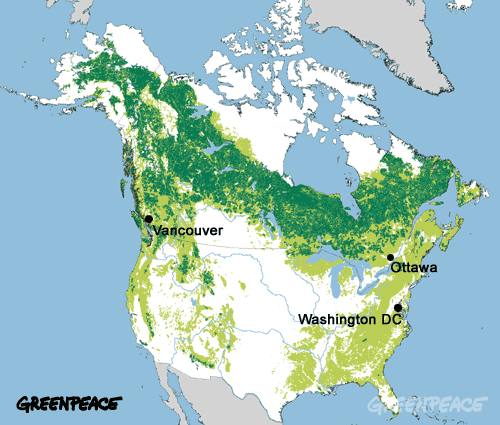
Which biome is Canada in?
a)
Tundra
b)
Taiga
c)
Temperate Forest
d)
Desert
88.
Which of the following in an ecosystem is classified as BIOTIC?
a)
Rock
b)
Sand
c)
Wind
d)
Tree
89.
Which of the following in an ecosystem is ABIOTIC?
a)
Sunlight
b)
Frog
c)
Scorpion
d)
Snake
90.
The taiga
a)
a cold, treeless, desert-like biome found near the North and South Poles
b)
found mostly in Africa
c)
a forest biome dominated by coniferous trees, such as pine, fir, and spruce
d)
a dry, rocky biome found in the central part of South America.
91.
One characteristic feature of tundra is that only the surface thaws in the summer and refreezes in the winter, leaving a layer of permanently frozen subsoil.  This characteristic is known as
a)
glaciation
b)
permafrost
c)
crystallization
d)
soilfrost
92.
In which biome is Georgia located?
a)
tropical rainforest
b)
temperate rainforest
c)
temperate deciduous forest
d)
alpine forest
93.
Which best explains why there are fewer plants on the forest floor than in the canopy of the tropical rain forest?
a)
more precipitation 
b)
less protection from animals
c)
more human interference 
d)
less sunlight
94.

Which biome covers most of the land mass near Earth's equator?

a)

tundra

b)

desert

c)

grassland

d)

tropical rainforest

95.

Rainforest layers:

a)

3 : emergent, understory, and floor

b)

2: canopy and floor

c)

5: emergent, canopy, understory, floor, and underground

d)

4: emergent, canopy, understory, and floor

96.

What might happen if you tried to plant a tree that is native to tropical rainforests in the tundra?

a)

The tree would quickly adapt to its new environment

b)

The tree would slowly evolve to adapt to its new environment

c)

The tree would probably die

d)

The tree would survive, but it probably wouldn't grow

97.

Which term best describes the species you can find in a tropical rainforest?

a)

Few and far between

b)

Diverse and large in number

c)

Mainly trees, with few animals

d)

Large in number, but limited in diversity