
 Worksheets
Atoms, Elements, and the Periodic Table
Total questions: 37
Worksheet time: 21mins
What is the smallest piece of matter?
atom
molecule
proton
neutron
What is the atomic number of an element?
number of electrons
number of protons
number of neutrons
number of protons and neutrons

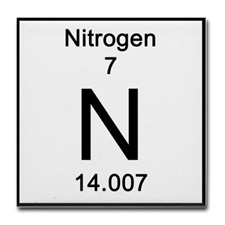
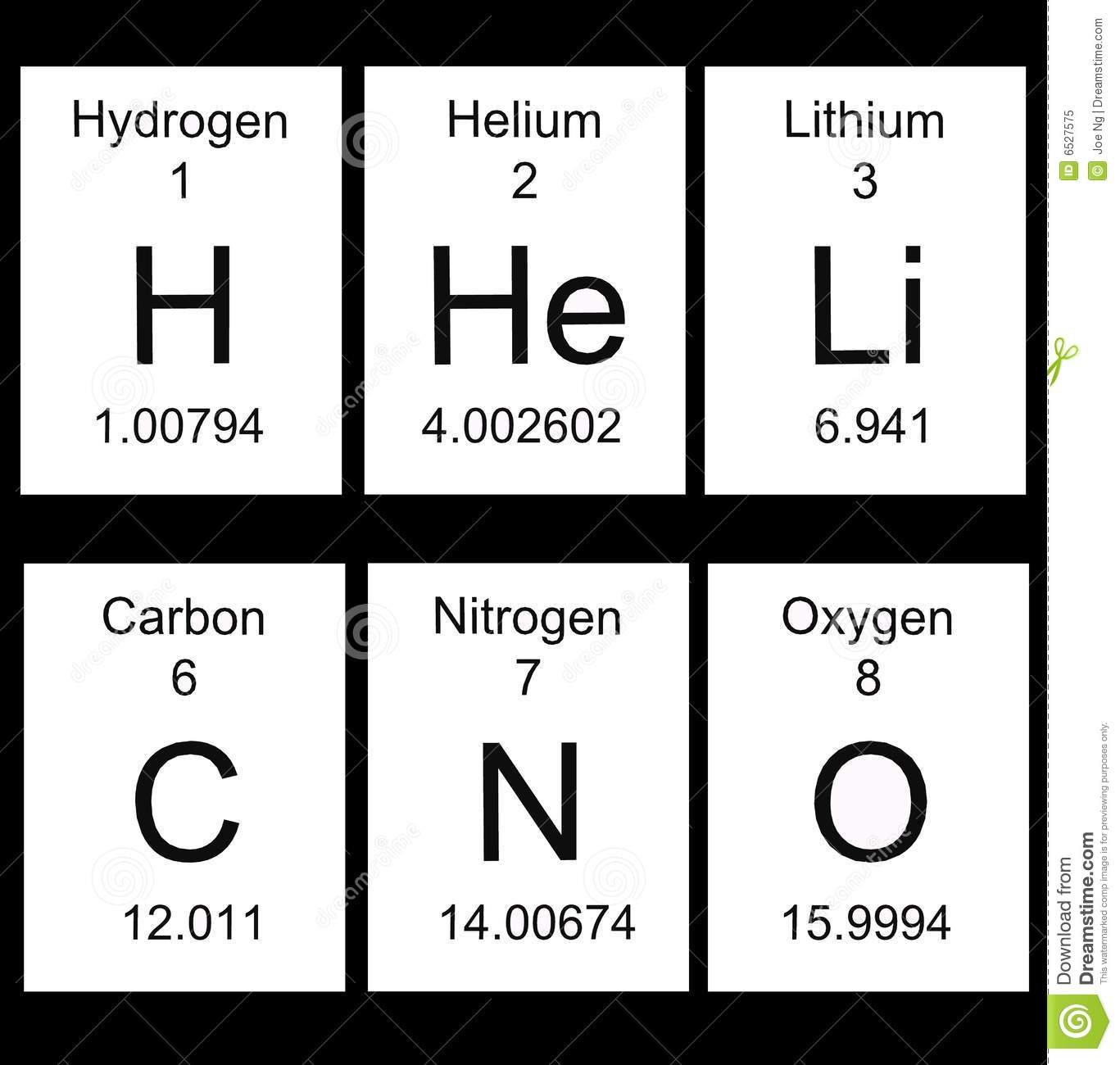
What is the atomic number?
the number of protons
the number of protons and neutrons
the number of neutrons
the number of protons and electrons


How many neutrons are there for an atom with a mass of 20 and 11 protons?
9
11
20
31
How many protons are there for an atom with 16 neutrons and atomic mass of 33?
16
17
18
33
What is the atomic mass of an atom with 32 protons and 31 neutrons?
31
32
62
63
What is common among elements in the same group?
They have the same number of energy levels.
They have the same number of valence electrons.
They have the same number of protons.
They have the same number of neutrons and protons.
Which statement best describes the arrangement of elements in the periodic table?
Elements are arranged in decreasing atomic mass from left to right.
Elements are arranged in decreasing atomic number from left to right.
Elements are arranged in increasing atomic number from left to right
Elements are arranged in increasing number of neutrons from left to right.
Which pair of elements has the most similar properties?
Be and B
O and S
H and Hg
Na and F
He, Ne, and Ar are all noble gases. What is common among these gases?
They are flammable.
They are highly reactive.
They are metals.
They are unreactive.
When elements fall under the same column, this means they belong to the same ______.
group
period

What does the 6 represent?
atomic mass
atomic number
element name
chemical symbol
Elements in a .................. have similar chemical properties.
period
group
row
These two elements have similar chemical properties to Barium (Ba).
Ca and Ra, because they are in the same group.
Cs and La, because they are in the same period number.
Ca and Y, because they are 90 degree angle.
This group of elements sit along a stair step line on the periodic table and have properties of both metals and nonmetals. _________________________
luster
metals
nonmetals
metalloids
The tendency of an atom to attract a shared pair of electrons
Atomic Radii
Ionization Energy
Electronegativity
Electron Afinity
Oxidation Number
Which element has bigger atomic radii?
Beryllium is bigger than Fluorine
Oxygen is bigger than Sulphur
Litihium is bigger than Sodium
Phosphorus is bigger than Bromine
Which element is most likely to have six electrons in its 4th energy level?
Oxygen (O)
Selenium (Se)
Krypton (Kr)
Potassium (K)
The number of electrons in an atom is equal to the...
Atomic number
Protons
Atomic Mass
Neutrons
The formula used to calculate the number of neutrons is:
Mass Number - Atomic Number
Protons + Electrons
Atomic Number - Mass Number
Protons x2
Elements in the same group have : (2 correct answers)
Similar chemical properties
Similar names
Same number of outer (valence) electrons)
The same number of protons

What period is this element located in?
1
2
3
4

What group is this element located in?
5
6
7
8

What period is this element located in?
1
2
3
4

What is the name of this element?
Carbon
Boron
Oxygen
Sulfur

How many valence electrons does this element have?
20
2
4
1

