wayground logo

Free Printable Worksheets

Font size

S
M
L
XL
Worksheets

9HSF - Anatomy and Physiology

Total questions: 85

Worksheet time: 52mins

Name
Class
Date
1.

This system provides structural support and protection for all the other organ systems in the body.

It also synthesizes red and white blood cells and platelets in bone marrow.

Another vital function is that the structures of this system act as a storage depot for minerals such as calcium, phosphorous, and magnesium

(a)  

2.

This system allows the body to move voluntarily, but also controls involuntary movements of other organ systems such as heartbeat in the circulatory system and peristaltic waves in the digestive system

(a)  

3.

What is anatomy?

a)

The study of how the body works.

b)

The change in position of an organism.

c)

The study of the structure of the body.

d)

The complex material changes into simpler material.

4.

What is physiology?

a)

The study of how the body works

b)

The study of the structure of the body

c)

The process of getting oxygen

d)

The process of making a new organism

5.

What systems allows the body to move and controls movement within the body?

a)

Digestive

b)

Sensory

c)

Muscular

d)

Integumentary

6.
Which system helps with voluntary and involuntary movement; helps circulate blood and move food through the digestive tract.
a)
muscular
b)
skeletal
c)
lymphatic
d)
urinary
7.

What is meant by human skeletal system?

a)

Frame work of the body

b)

It is myth

c)

It is made up of steel

d)

It gives good posture

8.

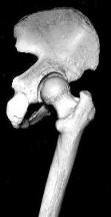
Name the type of joint movement between the thigh bone and hip girdle

a)

Combination of Adduction, Circumduction, Flexion, Abduction

b)

Freely moveable joint

c)

Hinge joint

d)

None of the above

9.

How many bones does the human skeletal system consist of?

a)

204

b)

209

c)

207

d)

206

10.

Where are fixed joints in the human body?

a)

Vertebrae and cartilage

b)

Ball and socket

c)

Rotation and flexion

d)

Cranium and pelvis

11.

Where are flexion and extension joints located?

a)

Skull and neck

b)

Elbow and knees

c)

Shoulder and arms

d)

Hip and chest

12.

What movement happens in the Hinge joint?

a)

Circumduction

b)

Rotation

c)

Flexion and extension

d)

Adduction and Abduction

13.

What happens in the saddle joint?

a)

Flexion, Extension, Abduction, Adduction and Circumduction

b)

Lots of movement

c)

Rotation, medial rotation and lateral rotation

d)

None of the above

14.

Which year did the Indian cricket team win the 1st world Cup?

a)

1984

b)

1983

c)

2011

d)

1986

15.
What are functions of the skeleton?
a)
Protection
b)
Blood cell production
c)
Movement
d)
All of these
16.
Which of these is a long bone?
a)
Femur
b)
Patella
c)
Scapula
d)
Carpal
17.

Your sternum is classified as a

a)

short bone

b)

flat bone

c)

long bone

d)

irregular bone

18.

Lateral means what?

a)

To the right

b)

To the left

c)

To the side

d)

At the top

19.
What is the name given to the protective coating on the end of a bone?
a)
Cartilage 
b)
Ligament
c)
Tendon
d)
Periosteum
20.
Which of the following is the name given to the connective tissue which connects ‘Bone to Bone’?
a)
Tendon
b)
Ligament
c)
Aponeurosis
d)
Muscle fascia
21.
Which of the following classifications of joint best describes the bones that are fused to form the Cranium?
a)
Synovial
b)
Cartilaginous
c)
Fibrous
d)
Freely movable
22.
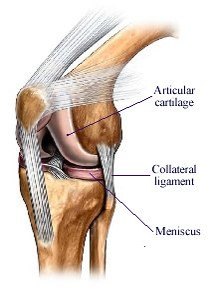
Which structure within a synovial joint secretes fluid to help lubricate the joint? 
Joint capsuleSynovial membraneArticular cartilageSynovial cavity
a)
Synovial cavity
b)
Articular cartilage
c)
Synovial membrane
d)
Joint capsule
23.
The Hip and shoulder are both what type of synovial joint?
a)
Ball and socket
b)
Condyloid
c)
Hinge
d)
Gliding
24.
Which one of the following joint movements occur when you point your toes away?
a)
Dorsiflexion
b)
Plantar flexion
c)
Flexion
d)
Extension
25.
What is the movement known as when the arms are taken away from the bodies midline in a lateral motion?
a)
Abduction
b)
Protraction
c)
Adduction
d)
Retraction
26.
Which movement is occurring when the shoulder blade are draw backwards? 
a)
Abduction
b)
Protraction
c)
Adduction
d)
Retraction
27.
What is the name given to the connective tissue that attaches muscle to bone?
a)
Ligament
b)
Tendon
c)
Patella
d)
Perimysium
28.
Which of the following movements can occur at the Elbow joint?  
a)
Abduction and Adduction 
b)
Rotation and Circumduction
c)
Flexion and Extension 
d)
Protraction and Retraction
29.
In which of the following areas of the skeleton would you find cartilaginous joints?
a)
Ankle
b)
Vertebrae
c)
Shoulder
d)
Knee  
30.
Which one of the following is a joint action available at the wrist?    
a)
Rotation
b)
Flexion
c)
Protraction
d)
Dorsiflexion
31.
Which structure within a synovial joint aids friction free movement? 
a)
Joint capsule
b)
Synovial cavity
c)
Synovial membrane
d)
Articular cartilage
32.
Which of the following is not a Synovial joint?
a)
AC joint
b)
Pivot joint
c)
Fibrous Joint 
d)
Condyloid joint
33.
The elbows, knees, ankles and phalanges are examples of which type of synovial joint?
a)
Ball and socket
b)
Condyloid
c)
Gliding
d)
Hinge
34.
Rotation of the forearm until the palm faces upwards is called is known as?
a)
Supination
b)
External rotation
c)
Plantar flexion
d)
Pronation
35.

What bone is highlighted?

a)

Radius

b)

Ulna

c)

Humerus

d)

Carpals

36.

What bone is highlighted?

a)

Radius

b)

Ulna

c)

Humerus

d)

Carpals

37.

What bone is highlighted?

a)

Femur

b)

Tibia

c)

Fibula

d)

Humerus

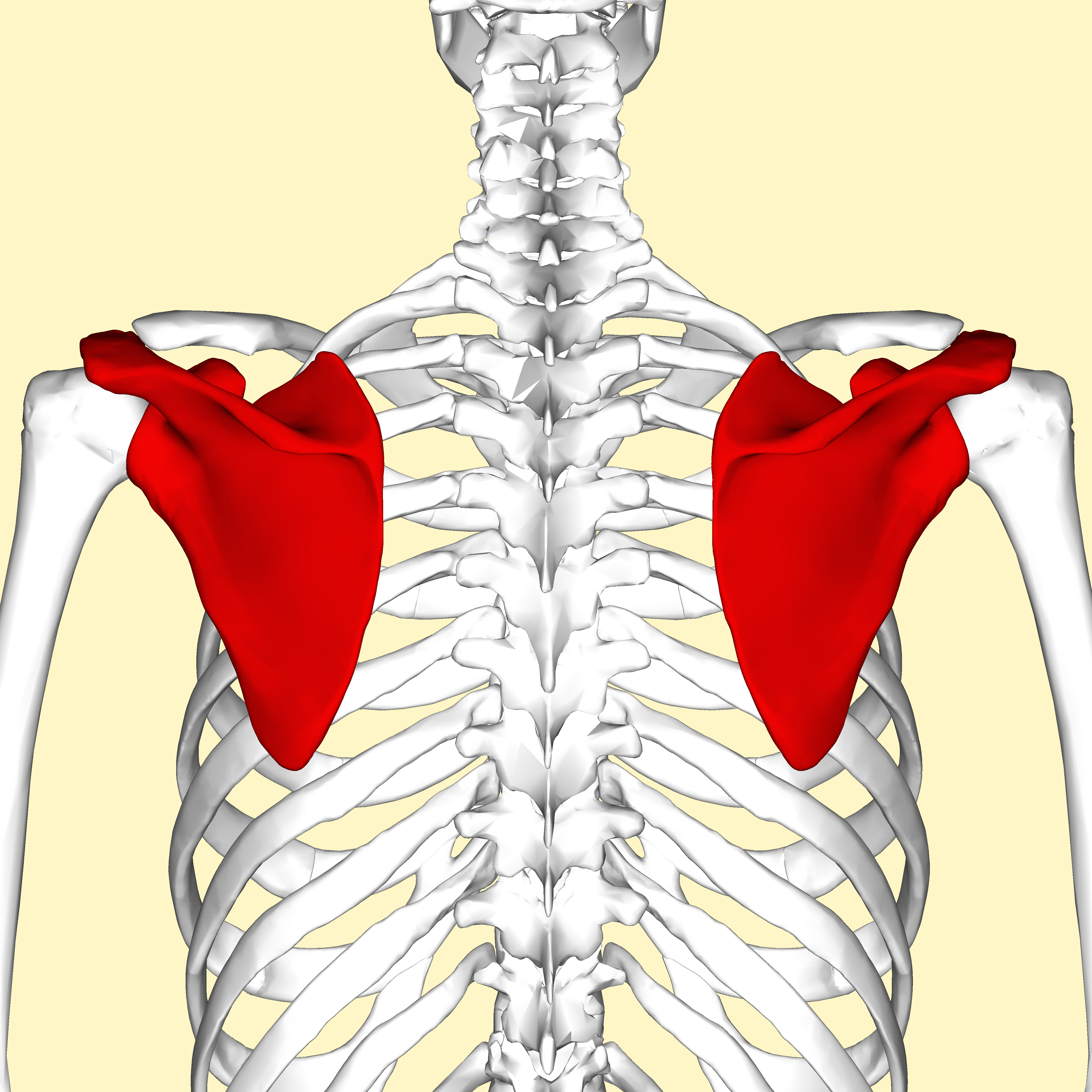
38.

What bone is highlighted?

a)

Skull (Mandible)

b)

Clavicle

c)

Mandible

d)

Scapula

39.

From wrist to fingertip, what is the order of bones?

a)

Carpals, metacarpals, phalanges

b)

Phalanges, metacarpals, carpals

c)

Carpals, phalanges, metacarpals

d)

Metacarpals, carpals, phalanges

40.
a)

latissimus dorsi

b)

deltoid

c)

triceps

d)

trapezius

41.
a)

triceps

b)

biceps

c)

latissimus dorsi

d)

deltoid

42.
a)

gluteus maximus

b)

hamstrings

c)

quadriceps

d)

soleus

43.
a)

latissimus dorsi

b)

hamstrings

c)

quadriceps

d)

soleus

44.
a)

biceps

b)

triceps

c)

external obliques

d)

pectoralis major

45.
What bones is represented in the  picture?
a)
Clavicle
b)
Scapula
c)
Sternum
d)
Carpals
46.
Identify the muscle.
a)
Hamstring
b)
Gastrocnemius
c)
Deltoid
d)
Latissimus Dorsi
47.
Also known as the kneecap
a)
Patella
b)
Tibia
c)
Fibula
d)
Femur
48.

Your eyes are _____ to your chin

a)

Proximal

b)

Distal

c)

Inferior

d)

Superior

49.

This term means toward or at the front of the body

a)

Posterior

b)

Distal

c)

Proximal

d)

Anterior

50.

What term means AWAY from the midline of the body?

a)

Medial

b)

Lateral

c)

Inferior

d)

Superior

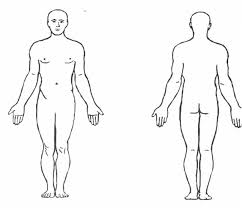
51.
Body is standing straight, facing forward, upper limbs at side and palms facing forward. 
*right and left refer to "right" and "left" of the body in position.
a)
Sagittal
b)
Anatomical Position
c)
Anterior Position
d)
Anatomical Plane
52.
The head is ______ to the chest.
a)
superior
b)
dorsal
c)
inferior
d)
ventral
53.
What is the largest organ in the human body?
a)
Skin
b)
Hair
c)
Nails
d)
All of the Above 
54.
________ bones include: arms, legs and fingers.
a)
Irregular
b)
Flat 
c)
Short
d)
Long
55.
_________ bones include the vertebra of the back.
a)
Irregular
b)
Flat
c)
Short
d)
Long
56.
►The _______ is located on the back side of the ribcage and helps provide part of the shoulder joint and movement for the arms. Shoulder Blade
a)
Clavicle
b)
Sternum
c)
Scapula
d)
Rib
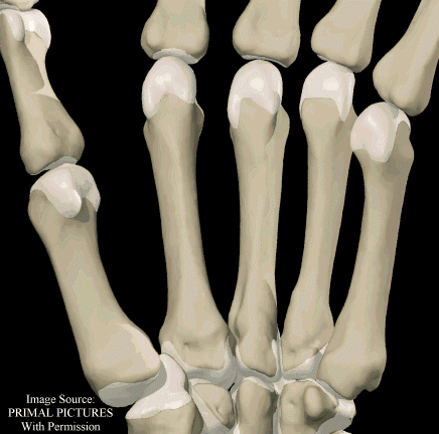
57.
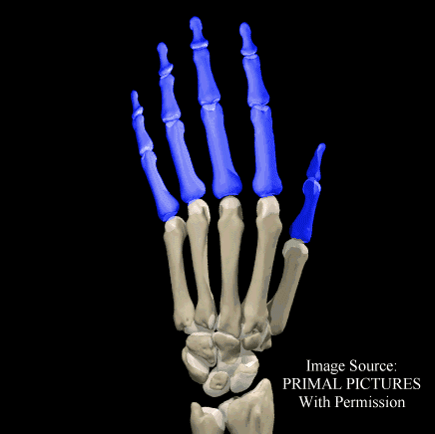
The bones of the hand as illustrated.
a)
Tarsals
b)
Phalanges
c)
Metacarpals
d)
Carpals
58.
Finger bones as illustrated in blue.
a)
Tarsals
b)
Phalanges
c)
Metacarpals
d)
Carpals
59.
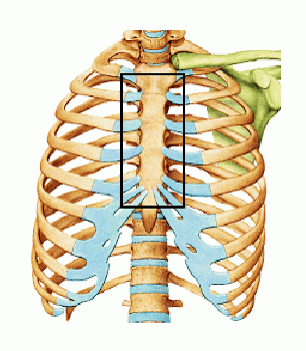
The breastbone as illustrated in the box in the diagram.
a)
Rib Cage
b)
Sternum
c)
Cranium
d)
Axial
60.
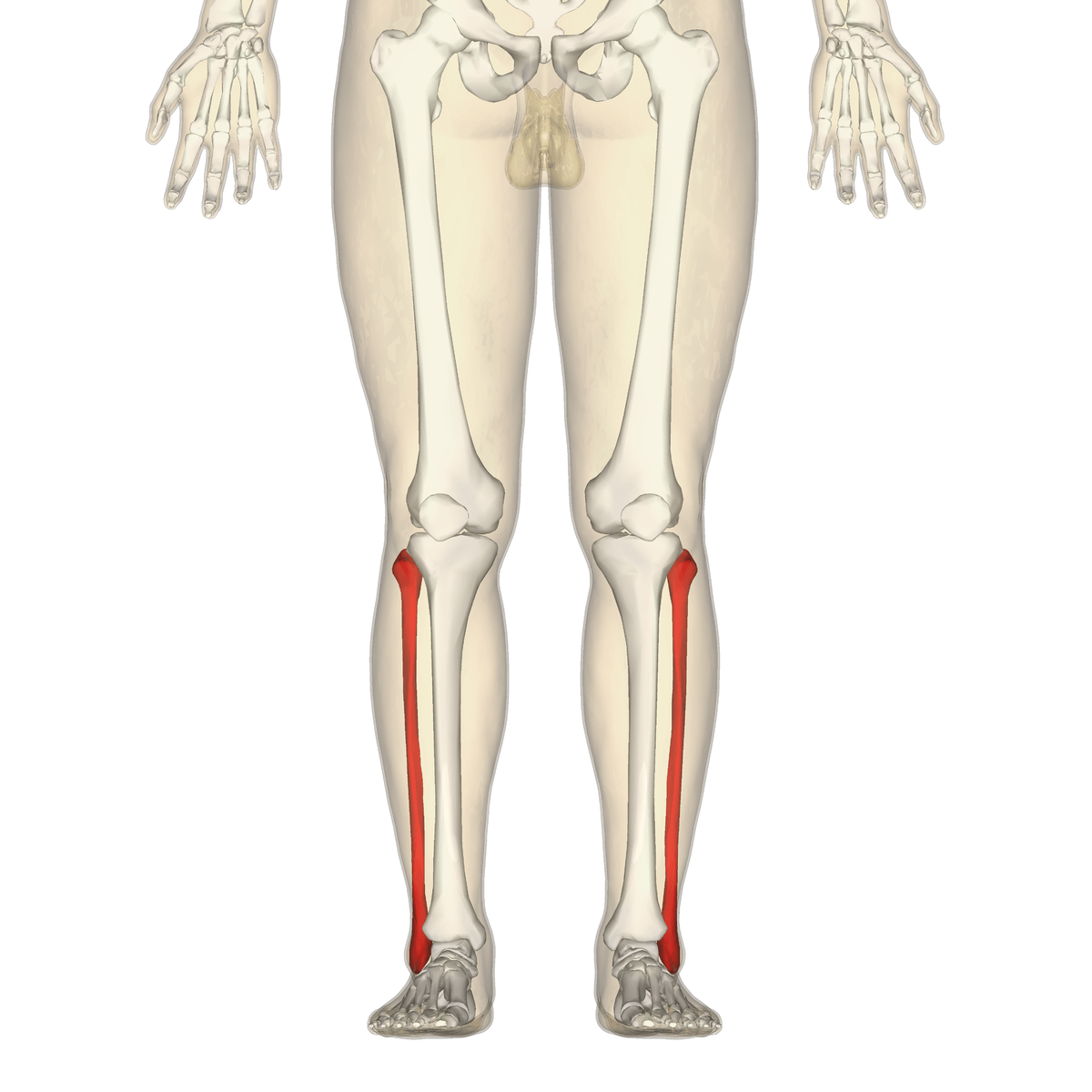
Bone of lower leg located to the outside in red from the illustration.
a)
Tibia
b)
Fibula
c)
Radius
d)
Humerus
61.
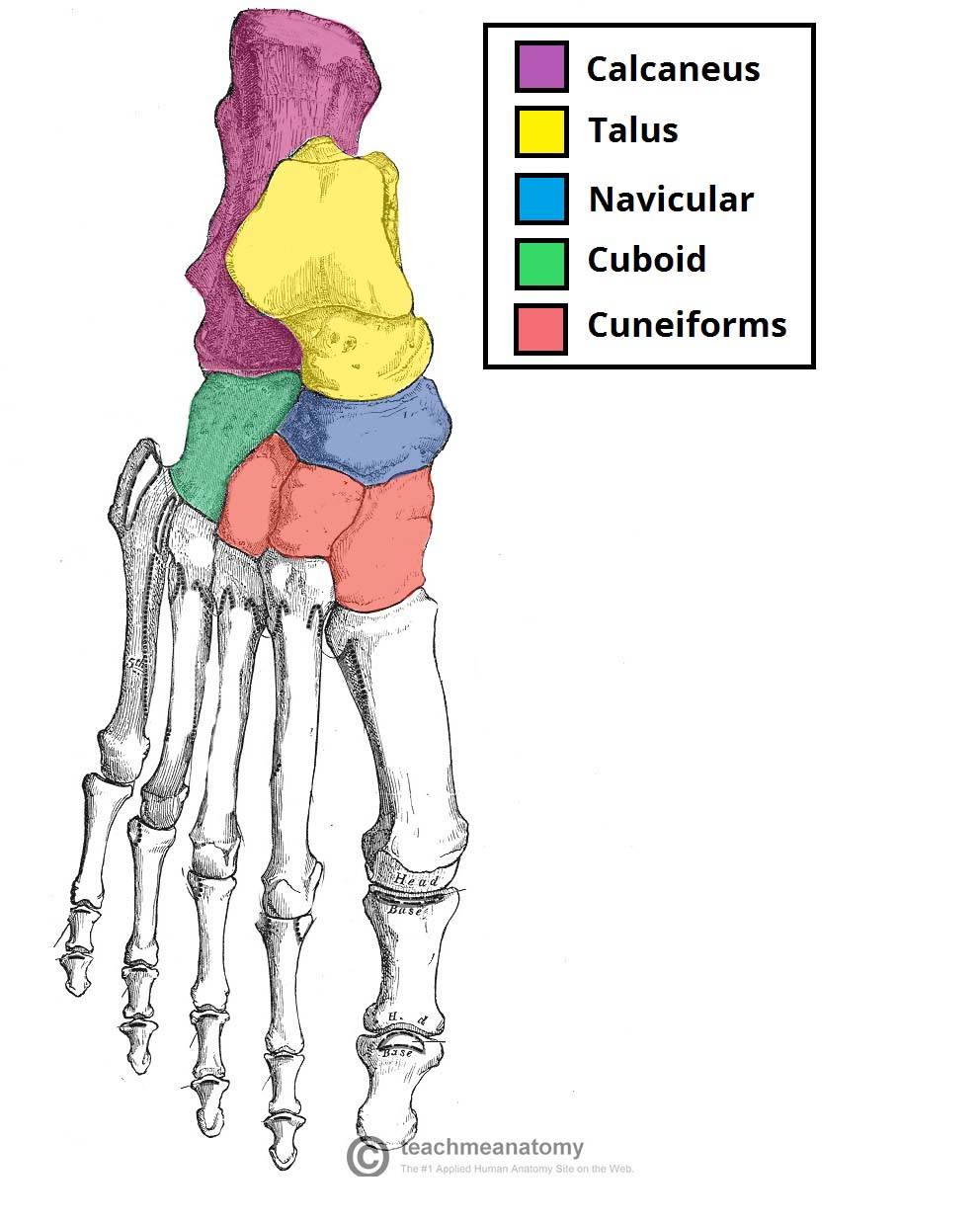
Ankle bones identified in color from the illustration.
a)
Tarsals
b)
Metatarsals
c)
Phalanges
d)
Fibula
62.
What type of joint is identified in the illustration
a)
Gliding
b)
Ball & Socket
c)
Pivot 
d)
Immovable
63.
Bands of tissue that connects bone to bone.
a)
Ligaments
b)
Tendons
c)
Cartilage
d)
Bone
64.
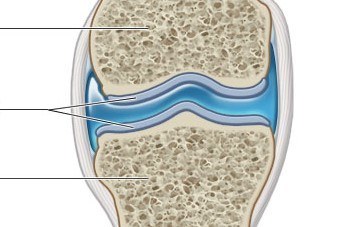
It acts as a cushion between bones at a joint and protects the bones. Structure appears blue in illustration.
a)
Tendon
b)
Ligament
c)
Cartilage
d)
Bone
65.
What motion is pulling your toes up towards the rest of your body?
a)
Dorsiflexion
b)
Plantarflexion
c)
Eversion
d)
Inversion
66.
What motion is pointing your toes to the inside towards the middle?
a)
Dorsiflexion
b)
Plantarflexion
c)
Eversion
d)
Inversion
67.
What motion is pointing your toes to the outside away from the midddle?
a)
Dorsiflexion
b)
Plantarflexion
c)
Eversion
d)
Inversion
68.
Which of the following sentences best describes an irregular bone?
a)
Bones which have a greater length than width and are slightly curved for strength
b)
Bones which are generally thin with extensive areas for muscle attachments
c)
Bones that have complex shapes
d)
Bones that are embedded in a Tendon
69.
This is the smaller bone in the lower leg postioned behind the Tibia?
a)
Tibia
b)
Femur
c)
Fibula
d)
Pelvis
70.

Which of the following is an example of a sesamoid bone?

a)

phalanges

b)

humerus

c)

patella

d)

vertebrae

71.

What is the name given to the long, middle section of a long bone?

a)

diaphysis

b)

epiphyses

c)

epiphyseal plate

d)

periosteum

72.

Which types of joints are immovable or only slightly moveable?

a)

synovial and cartilaginous

b)

synovial and fibrous

c)

cartilaginous and fibrous

d)

fibrous and irregular

73.

Turning your head from side to side uses what type of joint?

a)

saddle

b)

ball and socket

c)

hinge

d)

pivot

e)

gliding

74.

Identify the movement at the Knee joint of the kicking leg

a)

Flexion

b)

Extension

c)

Circumduction

d)

Rotation

75.

Elbow joint is an example of which type of joint

a)

Ball & Socket

b)

Hinge

c)

Pivot

d)

Saddle

76.

Hip joint is an example of which type of joint

a)

Hinge joint

b)

Pivot joint

c)

Saddle joint

d)

Ball and socket joint

77.

Identify the movement at the Hip joint of the kicking leg

a)

Flexion

b)

Extension

c)

Abduction

d)

Adduction

78.

Twisting or Pivoting movement at the joint around one axis is called as

(a)  

79.

Identify the movement at the elbow joint of the throwing arm

a)

Flexion

b)

Abduction

c)

Adduction

d)

Extension

80.

Freely movable joints are called as

a)

Free joints

b)

Synovial joints

c)

Psynovial joints

d)

Hinge joint

81.

toward the midline of the body

a)

distal

b)

lateral

c)

medial

d)

inferior

82.

toward or at the front of the body

a)

anterior

b)

dorsal

c)

deep

d)

distal

83.

toward or at the backside of the body

a)

anterior

b)

proximal

c)

posterior

d)

lateral

84.

the arms are _____ to the chest

a)

distal

b)

posterior

c)

superficial

d)

lateral

85.

The connection between two or more bones of the skeleton is a(n):

a)

organ

b)

muscle

c)

nerve

d)

joint