
NEW
Font size
 Worksheets
Water Properties and Water Cycle 2022 M
Total questions: 43
Worksheet time: 40mins
What are water's unique properties?
It is what humans drink.
It is everywhere.
It can be all 3 states of matter.
The water cycle is the movement of__________
sun
water
What is the energy source for the water cycle?
the sun
the earth
water
Which of these is an example of precipitation?
snow
air
clouds
What is the water cycle?
the 3 forms of water
the movement of water on, above, or below the surface of the Earth
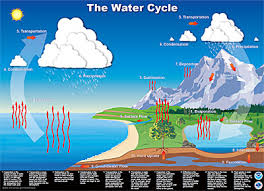
During which stage do clouds form?
condensation
evaporation
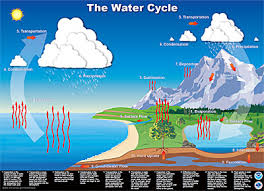
Which stages does liquid water from the ocean turn into water vapor?
condesantion
evaporation
precipitation
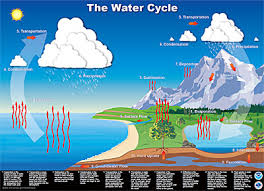
Which stage does ground water try to return to the ocean or soak into the ground?
condensation
evaporation
run off
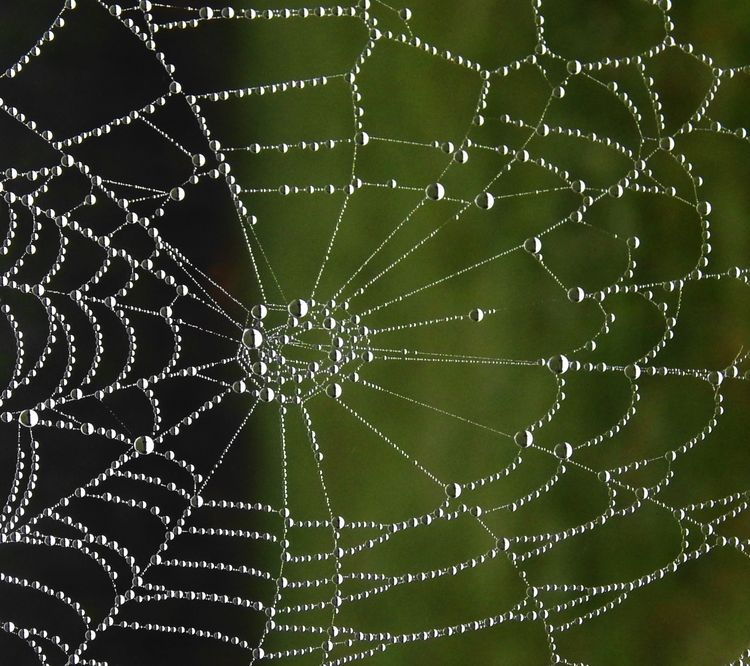
What word describes when water is attracted to other substances?
cohesion
adhesion
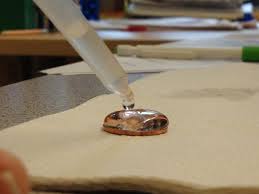
The attraction that causes water and other liquids to form drops on thin films is called ________________. This is also water’s ability to be attraction to other water molecules.
adhesion
capillary action
cohesion
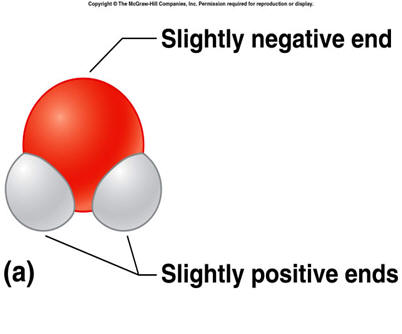
molecule in which opposite ends have opposite electric charges
cohesion
polar molecule
Which end of the water molecule has a slightly positive charge?
the oxygen end
the hydrogen end
both ends are slightly positive
Water is a universal solvent because it...
It can be found anywhere
It freezes when it gets cold
Dissolves most substances
Which characteristic of water will allow a paperclip to remain floating on water when the paperclip is gently placed on top of the water?
adhesion
surface tension
Where is most water found on the Earth?
In Glaciers
In Lakes
In the Ocean
What controls whether water is a gas, liquid, or solid ice?
the shape or size of the cup
where it has been stored
what its temperature is
When plants lose water into the atmosphere as a gas, this is called. . .
evaporation
condensation
transpiration
Water Droplets in clouds become heavy and fall back to earth
evaporation
condensation
precipitation
What percentage of the earth is covered by water?
97%
71%
3%
Rivers, springs, and aquifers are all-
sources of fresh water
located above ground
human-made structures
Underground layers of Earth's surface that store water are known as-
watersheds
tributaries
aquifers
The chemical compound of water is
HO
H2O
H3O


Water freezes at what temperature ?
0o F
100o C
0o C
What enables a water strider to stand on the water?
Adhesion
Cohesion
Surface Tension
Underground water that can't be seen is called _______________.
groundwater
water vapor
run off
Which one of the following answer choices does this scenerio describe? When you boil water in a pot, steam rises from it.
condensation
evaporation
precipitation
Which one of the following answer choices does this scenerio describe? Droplets of water form on the outside of a glass of ice water.
transpiration
condensation
precipitation
The process where rain water soaks into the ground through soil and rocks is called __________.
precipitation
infiltration
condensation
sublimation
the continuous movement of water between the atmosphere, the land, the oceans, and living things
the change of state from a solid directly to a gas
surface water
all the bodies of fresh water, salt water, ice, and snow that are found above the ground
the water that is beneath Earth's surface
Which represents the distribution of water on Earth?
3% freshwater, 97% salt water
97% freshwater, 3% salt water
What is water?
An atom
A molecule composed of 2 parts Oxygen and one part Hydrogen
A molecular compound composed of 2 parts Hydrogen and one part Oxygen
What is adhesion?
Water's ability to stick to itself
Water's ability to stick to other substances
Tape, glue and other adhesives
What happens to water after it falls from clouds as rain?
forms a puddle
soaks into the ground
All of the above
runs off mountains and hills in bodies of water
All water eventually empties into
an ocean
a river
the ground
What process involves pulling water downwards through layers of soil due to force of gravity?
deposition
percolation
By 2050, availability of usable water will be more of an issue then declining oil production globally.
True
False

The diagram shows water as a solid ( ice )
on the right
on the left
neither one

