
 Worksheets
Unit 2: Chemistry of Life Review
Total questions: 35
Worksheet time: 28mins


D are made of fatty acids

A monosaccharide is....
carbohydrate
lipids
protein
nucleic acid
This macromolecule provides the major energy source used by mitochondria (and all living things)
carbohydrate
lipids
protein
nucleic acid
This macromolecule make up cell membranes, store energy, and provide insulation
carbohydrate
lipids
protein
nucleic acid
This macromolecule carries hereditary information and instructions for building molecules
carbohydrate
lipids
protein
nucleic acid
This macromolecule provides structural support and act as enzymes to catalyze metabolic reactions
carbohydrate
lipids
protein
nucleic acid
A macromolecule with C, H, O, and N only, is a.....
carbohydrate
lipid
protein
nucleic acid
Which statement is true?
Simple sugars are made of polysaccharides.
Glycerol is made of fatty acids.
RNA molecules are made of nucleotides.
Amino acids are made of proteins.
Plants build cellulose (a polysaccharide) to makeup their parts like leaves, roots, stems, etc. What monomer do plants use to build cellulose?
monosaccharides
disaccharides
amino acids
nucleotides
This group includes steroids like estrogen and testosterone
carbohydrate
lipid
protein
nucleic acid
One of the characteristics of life is that organisms must have genetic material. This genetic material is a ________.
carbohydrate
lipid
protein
nucleic acid

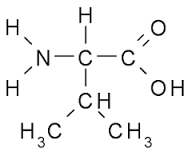
Identify the macromolecule in the picture.
carbohydrate
lipid
protein
nucleic acid
What is the term used to describe the energy needed to get a reaction started?
activation energy
adhesion energy
cohesion energy
chemical energy
Which of the following statements is true about catalysts (enzymes)?
Catalysts slow down the rate of chemical reactions.
Enzymes help regulate pH.
Catalysts are used up during a chemical reaction.
Catalysts lower the activation energy of a chemical reaction.
An enzyme and substrate can be compared to
lock and key
a faucet
a door hinge
light switch

The picture below shows an enzyme acting on a substrate to form products during a chemical reaction. Using the figure, what letters represents the enzyme?
A and B
B and D
A and E
D and E
What about the chemical structure of water causes many of the critical properties that support life on Earth?
Hydrogen Bonds
Cohesive behavior
Polarity
Expansion Upon Freezing
Sweating is an example of what property of water?
Ability to Moderate Temperature
Expansion Upon Freezing
Cohesive Behavior
Universal Solvent
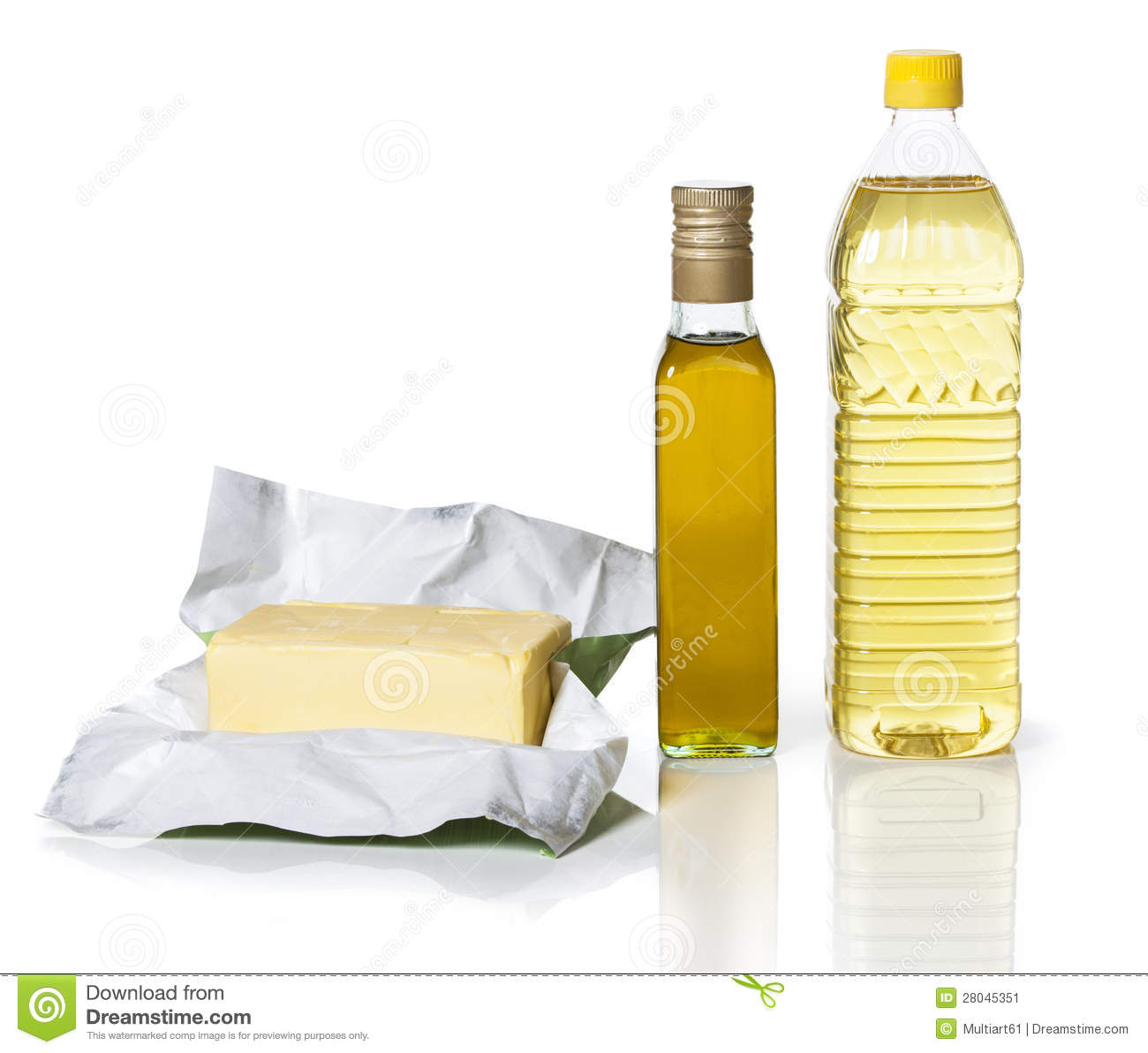
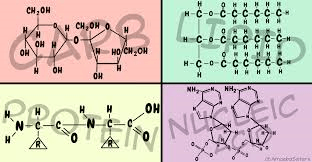

Which biomolecule makes up cell membranes?
Protein
Carbohydrate
Lipid
Nucleic acid

Which of the following is a main function of a lipid?
source of quick energy
stores energy, insulates us, and makes up the cell membrane
transport substances in and out of the cell
stores genetic information
What is the monomer for Lipids?
Monosaccarides
Fatty Acids
Amino Acids
Nucleotides
7. Glycerol and fatty acids are the monomers of _________.
Lipids
Carbohydrates
Proteins
Nucleic Acids

