
 Worksheets
Year 8 Physics Revision - All topics
Total questions: 100
Worksheet time: 2hrs 49mins


Which type of energy is this?
kinetic energy
elastic potential energy
chemical energy
gravitational potential energy

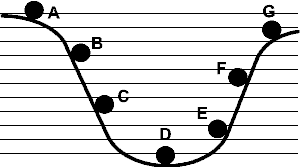
What letter has the greatest potential energy.
A
D
F
G

Greatest Kintetic energy.
A
B
C
D

What type of potential energy do the skiers have?
Kinetic
Chemical
Sloped
Gravitational

Which skier has the greatest potential energy?
Yellow
Blue

The greatest potential energy is at point?
B
C
D
E
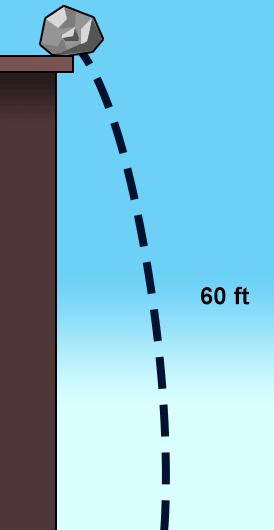
The rock in the picture is pushed over the edge and it begins to fall. Which type of energy conversion is taking place?
mechanical to heat
sound to mechanical
potential to kinetic
kinetic to potential
As a roller coaster goes downhill
kinetic energy is converted into potential energy.
potential energy is converted into kinetic energy.
electrical energy is converted into potential energy.
potential energy is converted into electrical energy.
When gasoline is burned in a car engine, ________ energy is converted into _________ energy.
heat, chemical
chemical, potential
mechanical, chemical
chemical, mechanical
Maria’s father started a fire in the fireplace. He crumpled some paper, lit a match, and soon the logs in the fireplace were burning. In this case, the stored chemical energy in the logs was changed into
electrical energy.
mechanical motion.
heat and light energy.
electrical and heat energy.
Conduction occurs more easily between solids and liquids. This is because the particles in gases are
farther apart and move faster.
closer together and move faster.
further apart and move more slowly.
closer together and move more slowly.
Energy is transferred in solids by conduction, which means that
heat travels in both directions.
heat travels from the cooler object to the hotter object.
heat travels from the hotter object to the cooler object.
heat does not travel between objects of different temperatures.
Marina is using a metal spoon to stir her soup. Why does the spoon feel warm?
Stirring creates heat energy in the spoon.
Marina’s hand warms the spoon she is holding.
Heat energy from the soup is transferred to the spoon.
Heat energy from the spoon is transferred to the soup.

The light bulb converts electrical energy into light and _________.
chemical
electromagnetic
heat
nuclear

A drawn bow possesses mechanical energy in the form of _______________. After the arrow is released, the energy is transformed into _________________.
potential energy; mechanical energy
elastic potential energy; kinetic energy
gravitational potential energy; kinetic energy
elastic kinetic energy; mechanical kinetic energy
A pole vaulter runs forward, plants his pole, rises in the air and lands. What point represents his greatest amount of gravitational potential energy?
when he initially lands
as he runs forward to plant the pole
just before he starts to fall to the ground
after take-off as the pole expands and lifts the vaulter toward the bar


A skier on top of a mountain is an example of
Kinetic
Potential
Thermal
Sound


Which 2 types of energy does the object in the image use?
Electric and Thermal
Nuclear and Elastic
Chemical and Mechanical
Sound and Elastic
Which option is the correct unit of measurement for energy?
Joule (J)
Kilogram (kg)
Newton (N)
Jewel (je)

What is the energy of moving objects, or the energy of moving parts of a machine?
electrical energy
solar energy
mechanical energy
potential energy
What is the energy something has because of its position? (stored energy)
electrical energy
solar energy
mechanical energy
potential energy
Which of the following is an example of kinetic energy?
A rock at the top of a hill.
Water falling down a waterfall.
A pencil sitting on a desk.
A backpack on the ground.

Energy that comes from changes in the nucleus of an atom
thermal
mechanical
electric
nuclear

The energy stored in a bow right before you release the arrow is called ______________________________
gravitational potential energy
elastic potential energy
chemical energy
kinetic energy

energy of motion
kinetic
potential
mechanical
electromagnetic
Copper transfers heat to the pan by
How does heat move?
from a warmer to a cooler object
from a cooler to a warmer object
toward a hot object
away from a cold object
__________ is the transfer of heat by the movement of a fluid.
Conduction
Convection
Radiation

When you touch hot sand, heat is transferred by _________ to your skin.
conduction
convection
radiation
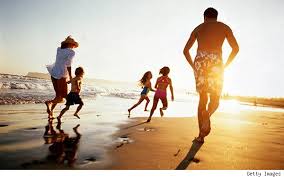
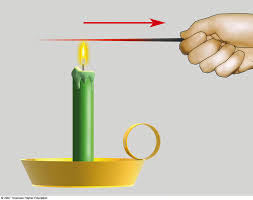


A huge rock at the state park gets hot during the day. The rock was warmed from the Sun by
conduction
convection
radiation

What type of heat transfer takes place when you touch a warm mug of hot chocolate?
Radiation
Convection
Conduction
None of the above
Which of the following is not a method for heat transfer
Radiation
Insulation
Conduction
Convection

Total energy = 200J
Useful energy = 20J
Workout the efficiency of this lightbulb.
efficiency = total energy inuseful enegy ×100
100%
80%
40%
10%

Calculate the potential energy of a car with a mass of 2,500 kg that is on a hill 100 meters above sea level.
250,000 J
2,450,000 J
2,451,663 J
248 J

Lilly's cat ran through your yard. The cat has a mass of 5 kg. He is running at a speed of 3 m/s. What is the kinetic energy of the cat as he runs?
8.5 J
45 J
7.5 J
22.5 J

Alice kicks a soccer ball with a mass of 2.1 kg. The ball leaves the ground moving 30 meters per second. What is the kinetic energy of the soccer ball?
567 J
900 J
945 J
30 J

Ty lifts a set of 1250kg weights a vertical distance of 2m in a weight lifting contest. What Potential Energy do the weights now possess?
12,789 Joules
24,500 Joules
4,500 Joules

A 5 Kg cart is moving at 10m/s. What is the Kinetic energy of the cart?
250J
220J
520J
500J
What is the mass of a ball that has a kinetic energy of 115 J and is traveling at 9 m/s?
1035 kg
23.5 kg
12.8 kg
2.84 kg
A exercise ball is on a table 2.5 m above the ground. What is the mass of the ball if it has a GPE of 56.8 J?
71 kg
22.72 kg
142 kg
2.32 kg
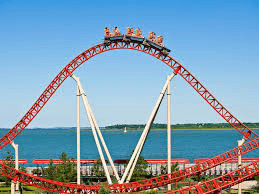
When a roller coaster is at the top of a hill it has
high potential energy
high kinetic energy
low potential energy
equal amounts of kinetic and potential energy

Potential energy depends on
mass and height
height and speed
mass and speed
height and force

Kinetic energy depends on
mass and height
height and speed
mass and speed
mass and force

The amount of force required to move an object is called
mechanical energy
work
kinetic energy
potential energy

Energy and work are measured in
kilograms
meters
Joules
m/s

I released a balloon that was full of air and it is flying around the room, the balloon has
kinetic energy
potential energy

A 250 kg island is floating 20 meters in the air. How much potential energy does the island have?
49,000 J
5,000 J
0.98 J
509.68 J
What is energy?
moving energy
stored energy
renewable energy
The ability to do work.
What is potential energy?
moving energy
stored energy
renewable energy
non renewable energy
What is kinetic energy?
moving energy
potential energy
stored energy
renewable energy
What is NOT a renewable energy source?
coal
wind
solar
water



This panda is 832 kg and is 0.31m off the ground. How much gravitational potential energy have they got?
1341.9 J
268387 J
2527.61 J
1263.80 J

How much gravitational potential energy has Nathan got 4 m off the ground with a weight of 50kg.
152 J
980 J
3920 J
1960 J

Bob (45 kg) is moving at 55 ms-1 Calculate the kinetic energy that bob has.
2475 J
1237.5 J
68062.5 J
136125 J

Calculate Kevin's Kinetic energy when jogging at 2.9 ms-1 with a mass of 37 kg.
1073 J
3.11.17 J
155.585 J
15558.5 J

