
NEW
Font size
 Worksheets
The Gilded Age
Total questions: 49
Worksheet time: 2hrs 38mins
Laissez-Faire Economics
Economic system in which the government does not intervene in business practices
A business practice in which a single manufacturer controls all of the steps used to change raw materials into finished products
A business practice in which a company takes over all of its competitors
Theory that claims the best people in society are the ones who rise to the top
Labor Union
An organization of workers that tries to improve working conditions, wages, and benefits for its members
An organized work stoppage intended to force an employer to address union demands
A company tool to fight union demands by refusing to allow employees to enter its facilities to work
A list privately exchanged among employers, containing the names of persons to be barred from employment
Strike
An organization of workers that tries to improve working conditions, wages, and benefits for its members
An organized work stoppage intended to force an employer to address union demands
A company tool to fight union demands by refusing to allow employees to enter its facilities to work
A list privately exchanged among employers, containing the names of persons to be barred from employment
Push Factor
A factor that causes people to leave their homelands and migrate to another region
Policy of promoting the interests of native inhabitants against those of immigrants, including the support of immigration-restriction measures
Factors that induce people to move to a new location
A party organization that commands enough votes to maintain control of a city, county, or state
Pull Factor
A factor that causes people to leave their homelands and migrate to another region
Policy of promoting the interests of native inhabitants against those of immigrants, including the support of immigration-restriction measures
Factors that induce people to move to a new location
A party organization that commands enough votes to maintain control of a city, county, or state
Political Machine
A factor that causes people to leave their homelands and migrate to another region
Policy of promoting the interests of native inhabitants against those of immigrants, including the support of immigration-restriction measures
Factors that induce people to move to a new location
A party organization that commands enough votes to maintain control of a city, county, or state
Ellis Island
Immigration processing center that open in New York Harbor in 1892
Narrow, low-rise apartment buildings common in cities during the Gilded Age
Journalists who exposed the problems of the Gilded Age
Immigration processing center that opened in San Francisco Bay in 1910
Tenements
Immigration processing center that open in New York Harbor in 1892
Narrow, low-rise apartment buildings common in cities during the Gilded Age
Journalists who exposed the problems of the Gilded Age
Immigration processing center that opened in San Francisco Bay in 1910
Muckrakers
Immigration processing center that open in New York Harbor in 1892
Narrow, low-rise apartment buildings common in cities during the Gilded Age
Journalists who exposed the problems of the Gilded Age
Immigration processing center that opened in San Francisco Bay in 1910
Nativism
Policy of promoting the interests of native inhabitants against those of immigrants
Education program designed to help immigrants assimilate to American culture
Law that prohibited further unskilled Chinese immigration in order to reduce competition for jobs
The growth of cities
Americanization Movement
Policy of promoting the interests of native inhabitants against those of immigrants
Education program designed to help immigrants assimilate to American culture
Law that prohibited further unskilled Chinese immigration in order to reduce competition for jobs
The growth of cities
Urbanization
Policy of promoting the interests of native inhabitants against those of immigrants
Education program designed to help immigrants assimilate to American culture
Law that prohibited further unskilled Chinese immigration in order to reduce competition for jobs
The growth of cities
Why was it called the "Gilded Age"?
America had many organizations for immigrants to join.
America looked bright and shiny from the outside, but had problems, like corruption.
It was beginning to build many large cities, with skyscrapers.
Which was NOT a cause of westward expansion?
The Homestead Act of 1862
mining gold and other natural resources
assimilation of American Indians
the transcontinental railroad
This invention created steel, which was used to build railroads and skyscrapers:
the telegraph
the Bessemer Process
the Model T
The light bulb
Andrew Carnegie and John D Rockefeller created monopolies. What is a monopoly?
When one person or company controls a market
a board game created by Rockefeller and Carnegie
a law that gave them advantages in business
Andrew Carnegie and John D Rockefeller were know as robber barons because:
they were like nobility, but they trampled on people to get rich.
they robbed trains to get rich.
they made their fortune by working through the night.
The growth of cities is called:
assimilation
ruralization
mechanization
urbanization
When a single group of people makes decisions for multiple companies and trade stocks, it is known as a:
stock
corporation
monopoly
trust
During the Gilded Age, immigrants often lived in parts of cities that were:
crowded, run down, and filthy
beautiful and new
spacious
the most expensive

Which of the following is a characteristic of the Gilded Age?
people began moving to rural areas to farm acres of cotton and grain
the political process was opened up to citizens of different ethnicities and social class
America expanded westward to accomplish its goal of Manifest Destiny
the government passed favorable laws to help the growth of big business

The Gilded Age is infamous for
paying workers high salaries
promoting women and African Americans to positions of leadership
businessmen bribing government officials
the rapid advancements in the field of science

In the late 1800s many territories in the western part of America became states. This fact can most likely be attributed to the
influx of immigrants that came to America settled in the western territories
the transcontinental railroad allowed people to quickly move west
the Panama Canal allowed ships to efficiently reach the west coast of America
the Native Americans were relocated to reservations so now American citizens could move onto their former land

During the Gilded Age there was a notable increase in federal support for
the growth of big business
involvement in foreign wars
the acquisition of foreign territories
increased temperance regulations

Free Enterprise results in
competition between businesses to make a better product and sell it for less
the government setting limits on how much bread can be sold for at a store
people not caring how much they spend on a new phone
businesses working together to increase their prices

An entrepreneur is someone who
runs for political office after being successful in the business world
risks their money to start a business with the hopes of making a profit
is elected by a board to run a large corporation like Walmart or Verizon
sells stock to raise funds for their company

Someone who follows the "laissez-faire" approach to economics would agree most with which of the following statements?
Government regulations on business should focus on protecting the environment
Workers should be paid equally despite the industry they work in
Government needs to increase rules and regulations on large businesses
Government should only play a small role in the economy and limit the rules and regulations it puts on businesses
How can American society best be described during the Gilded Age?
The large majority of Americans are involved in business ownership and are very wealthy
There is a small number of very wealthy millionaires, however many citizens also live in poverty
Huge numbers of American citizens are immigrating to Europe to seek new opportunities
There is an equal number of wealthy and poor citizens
Workers began to speak out for their rights and some joined ______________.
Labor Unions
Philanthropic Organizations
Farming Unions
Political Clubs
Which of the following is the best definition for the term POLITICAL MACHINES
A party organization headed by a single boss or small group that commands enough votes to ensure elections are fair and accurate reflections of the people's will
A party organization that caters only to Nativist candidates and tries to keep immigrants out of their city
A party organization that does not command many votes or power in a city, but is quite annoying
A Party organization, headed by a single boss or small group, that commands enough votes to maintain political and administrative control
Which entrepreneur was head of the Oil Monopoly during the Gilded Age?
Cornelius Vanderbilt
Andrew Carnegie
J.P. Morgan
John D. Rockefeller
Which innovation allowed for cities to grow upward with the creation of Skyscrapers?
Bessemer Process
Barbed Wire
Transcontinental Railroad
Light Bulb
Which Captain of Industry is known for leading the Steel Monopoly?
Andrew Carnegie
John D. Rockefeller
Cornelius Vanderbilt
J.P. Morgan
Which historical figure is known for leading the railroad industry during the Gilded Age?
John D. Rockefeller
Andrew Carnegie
J.P. Morgan
Cornelius Vanderbilt
Which historical figure is known for leading the banking industry during the Gilded Age?
J.P. Morgan
Cornelius Vanderbilt
Andrew Carnegie
John D. Rockefeller
Who was the captain of the oil industry?
Rockefeller
Ford
Vanderbilt
Carnegie
Who was the captain of the steel industry?
Vanderbilt
Rockefeller
Thomas Edison
Carnegie
Who was the captain of the Railroad industry?
Ford
Bell
Vanderbilt
Rockefeller

What process did Carnegie bring from England to make these mass amounts of steel?
PX90
Bessemer
steel lung
Westinghouse

What percent of the oil industry was under Rockefeller's control?
100%
70%
75%
90%

What is a Trust?
Faith in someone
A single company .
A combination of corporations formed to reduce competition and ran by on board Trustees.
Companies controlled by the government.
Andrew Carnegie was an entrepreneur and a _____________ because he donated money to libraries and universities.
Person
Philanthropist
Nativist
Political Boss
This prohibited unfair practices by railroads such as charging higher rates for shorter routes.
Interstate Commerce Act
National Market
Sherman Anti-trust Act
Clayton Anti-trust Act
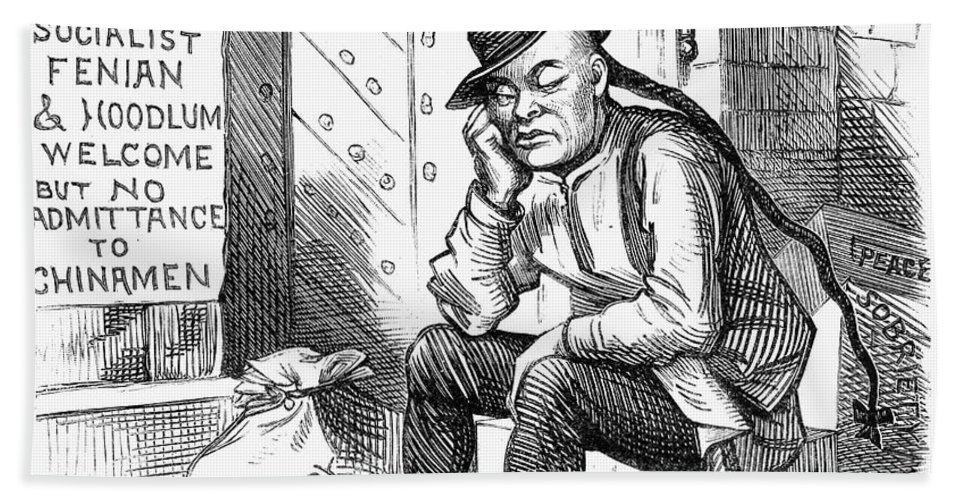
This law was made to reduce competition for jobs on the West Coast because it prohibited immigration from China-
Pendleton Act
Homestead Act
Mexican Repatriation Act
Chinese Exclusion Act
Plessy and the other members of his organization were trying to challenge
the Brown v. Board of Education case
Segregation and the Jim Crow laws
Reconstruction
equal pay for equal work
What was one of the results of Plessy v. Ferguson?
The Supreme Court ruled in favor of Plessy saying segregation was illegal.
The Supreme Court never made a ruling.
The Supreme Court ruled that segregation was legal.
What famous phrase came out of the Plessy case?
"Separate but equal"
"Give me liberty or give me death."
"By any means necessary"
The Plessy v. Ferguson case had what impact on the U.S.?
It legalized Jim Crow (Segregation) Laws throughout the U.S.
It made Jim Crow (Segregation) Laws illegal throughout the U.S.
It created more equality

