wayground logo

Free Printable Worksheets

Font size

S
M
L
XL
Worksheets

Macromolecules Review

Total questions: 20

Worksheet time: 10mins

Name
Class
Date
1.

What are the 4 types of macromolecules we've been learning about?

a)

Protein

b)

Nucleic Acid

c)

Carbon

d)

Lipid

e)

Carbohydrates

2.

What must be true for a molecular compound to be considered "organic"

a)

contains nitrogen

b)

contains carbon

c)

comes from the earth

d)

is 100% natural

3.
Proteins are made of monomers called ___________
a)
Nucleotides
b)
Monosaccharides
c)
Amino Acids
d)
Glycerol and fatty acids
4.
DNA and RNA are examples of 
a)
Carbohydrates
b)
Lipids
c)
Proteins
d)
Nucleic Acids
5.
Nucleotides are monomers of
a)
Carbohydrates
b)
Lipids
c)
Proteins
d)
Nucleic Acids
6.
Waxes, oils and fats are examples of
a)
Carbohydrates
b)
Lipids
c)
Proteins
d)
Nucleic Acids
7.
What is the function of nucleic acids?
a)
store genetic information
b)
store energy (long-term)
c)
store energy (short-term)
d)
build skin, hair, nails, muscles
8.
Which macromolecule stores energy, insulates us, and makes up the cell membrane?
a)
lipids
b)
proteins
c)
carbohydrates
d)
nucleic acids
9.

Sugar belongs to which class of macromolecules?

a)

proteins

b)

lipids

c)

nucleic acids

d)

carbohydrates

10.
Glycerol and fatty acids combine to form...?
a)
Carbohydrates
b)
Lipids
c)
Proteins
d)
Nucleic Acids
11.

Glucose is an example of a

a)

Carbohydrate

b)

Lipid

c)

Protein

d)

Nucleic Acid

12.

Which monomers make up the structure of all proteins?

a)

glucose

b)

amino acids

c)

carbohydrates

d)

fatty acids

13.

Which is a Carbohydrate's monomer?

a)

Sugar

b)

Amino acids

c)

Monosaccharide

d)

Nucleotide

14.

The parts of a nucleotide are:

a)

nitrogen, sulfur, phosphate group

b)

DNA, RNA, ATP

c)

nitrogenous base, ATP, glucose

d)

nitrogenous base, 5-carbon sugar, phosphate group

15.

This macromolecule is produced (synthesized) as a result of photosynthesis, which takes place inside the chloroplast (organelle found in plant cells).

a)
b)
c)
d)
16.

This macromolecule creates antibodies, a key component of the immune system (specific immunity).

a)
b)
c)
d)
17.

This macromolecule provides chemical energy storage for quick use.

Example: A person eats it the night before running a marathon.

a)
b)
c)
d)
18.

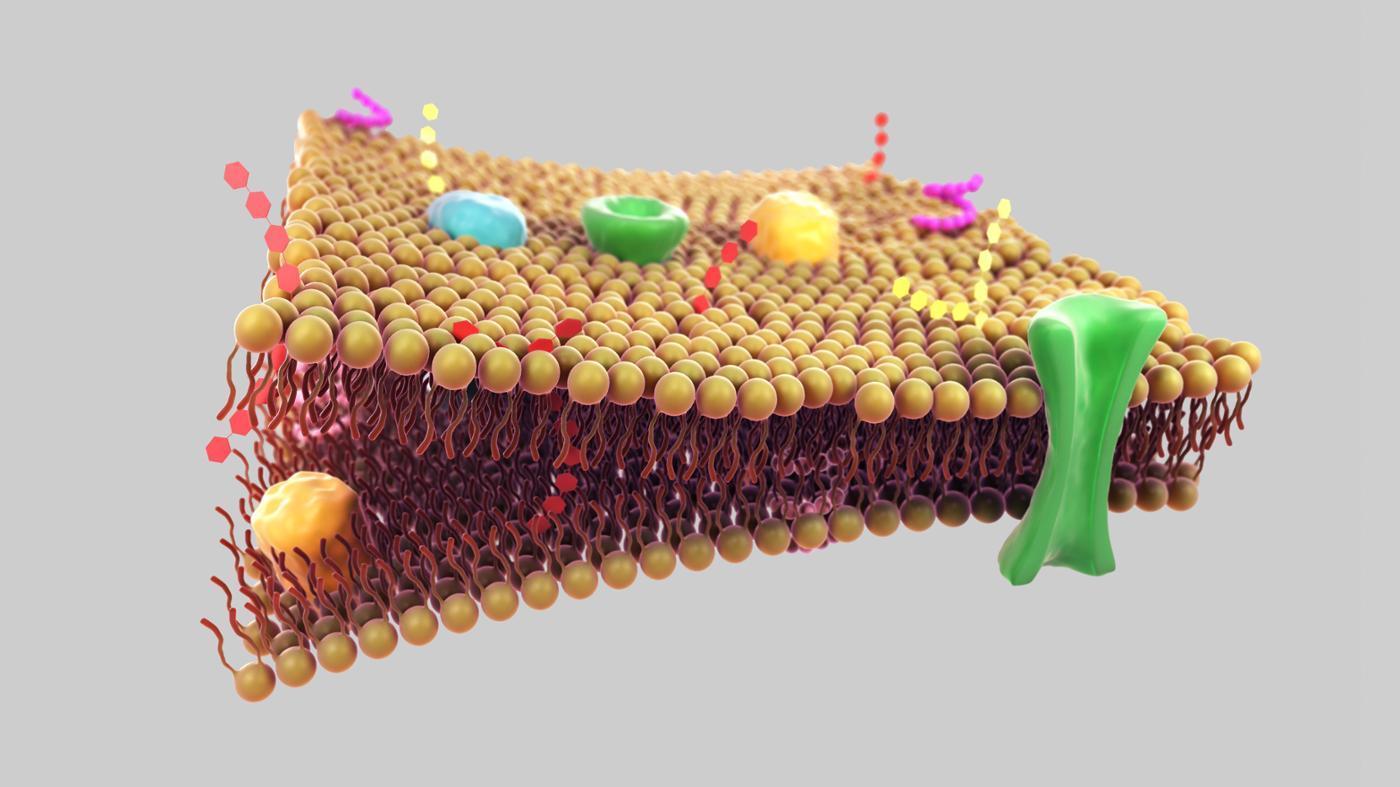
This macromolecule is the main component of the cell membrane bilayer.

a)
b)
c)
d)
19.
Which type of carbohydrate is this?
a)
monosaccharide
b)
disaccharide
c)
polysaccharide
d)
glyceride
20.
The phospholipid bilayer comprises what part of the cell?
a)
cytoplasm
b)
cell membrane
c)
cytoskeleton
d)
nuclear membrane