
 Worksheets
Review August and September
Total questions: 123
Worksheet time: 1hrs 23mins
Which process is an example of a physical change?
Ice melting
Milk souring
metal rusting
wood burning
Which process is an example of a physical change?
Cutting Carrots into pieces and mixed in a salad
A peanut butter and jelly sandwich being digested
Sodium metal and water combining to form a compound and a gas
Sodium metal and chlorine gas combined to form table salt


physical

A white tablet is dropped into water. The water becomes cloudy and bubbles are produced. What type of change has occurred?
Physical change
Chemical change
No change

Which is an example of a physical
change?
a candle burning
baking a cake
evaporating water
metal rusting

Mowing the lawn is an example of
Chemical Change
Physical Change
No Change

Choose the best description below for the image
physical change
chemical change

Choose the best description below for the image
physical change
chemical change


A ... Doesn't change the particles that make up matter.
Physical change
Chemical change

Make an origami is an example of ...
Physical change
Chemical change

Burning a block of wood is an example of ....
Physical change
Chemical change

When ice cube is melting there is a ....
Physical change
Chemical change

Rusty nails is an example of ....
Physical change
Chemical change


Who colonized India?
No one
Great Britain
The United States
France
Most people in India follow which religion?
Buddhism
Islam
Christianity
Hinduism


What is the country of B?
India
Bangladesh
Pakistan
Nepal

What country is C?
Afganistan
Pakistan
Nepal
Sri Lanka

80% of the population of India belong to what religion?
Hinduism
Islam
Buddhist
Jainism
Which religion of South Asia has developed over thousands of years?
Hinduism
Buddhism
Jainism
Sikhism
Which of these religions was not founded in India?
Christianity
Jainism
Hinduism
Buddhism
Total population of this country is over 1.3 billion people.
India
Pakistan
Afghanistan
Bhutan
This country is made up of 1,190 islands.
India
Maldives
Pakistan
Sri Lanka

Bhutan is _______of Bangladesh
North
South
East
West

The 1947 conflict created the two countries of?
India and Pakistan
Pakistan and Bangladesh
India and Nepal
What religion dominates Pakistan
Islam
Buddhism
Hinduism
What religion dominates India
Islam
Buddhism
Hinduism
What did East Pakistan become in 1971?
Bhutan
Nepal
Bangladesh


[check all that apply] Pure substances include:
Elements
Homogeneous Mixtures
Compounds
Heterogeneous Mixtures
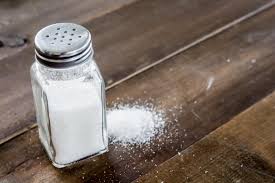
Salt (NaCl) is
Mixture
Compound
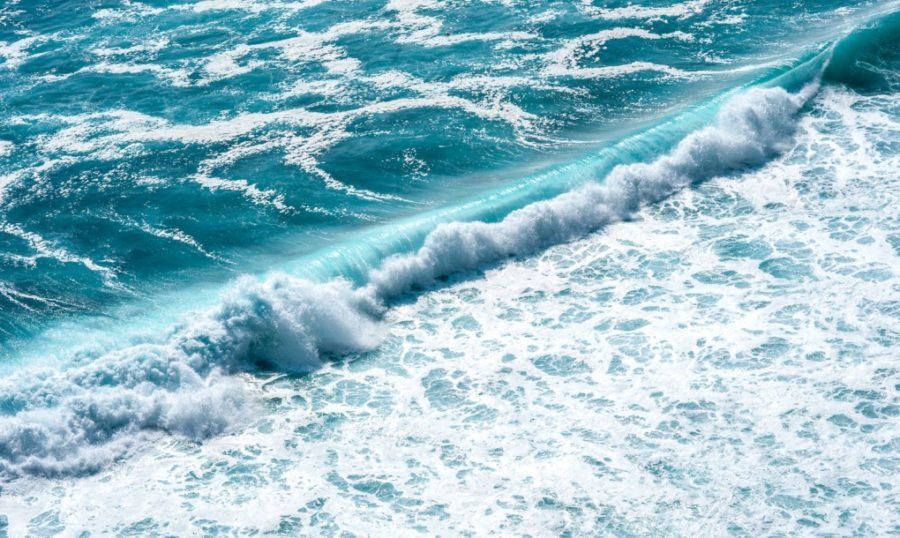
Saltwater is
Mixture
Compound
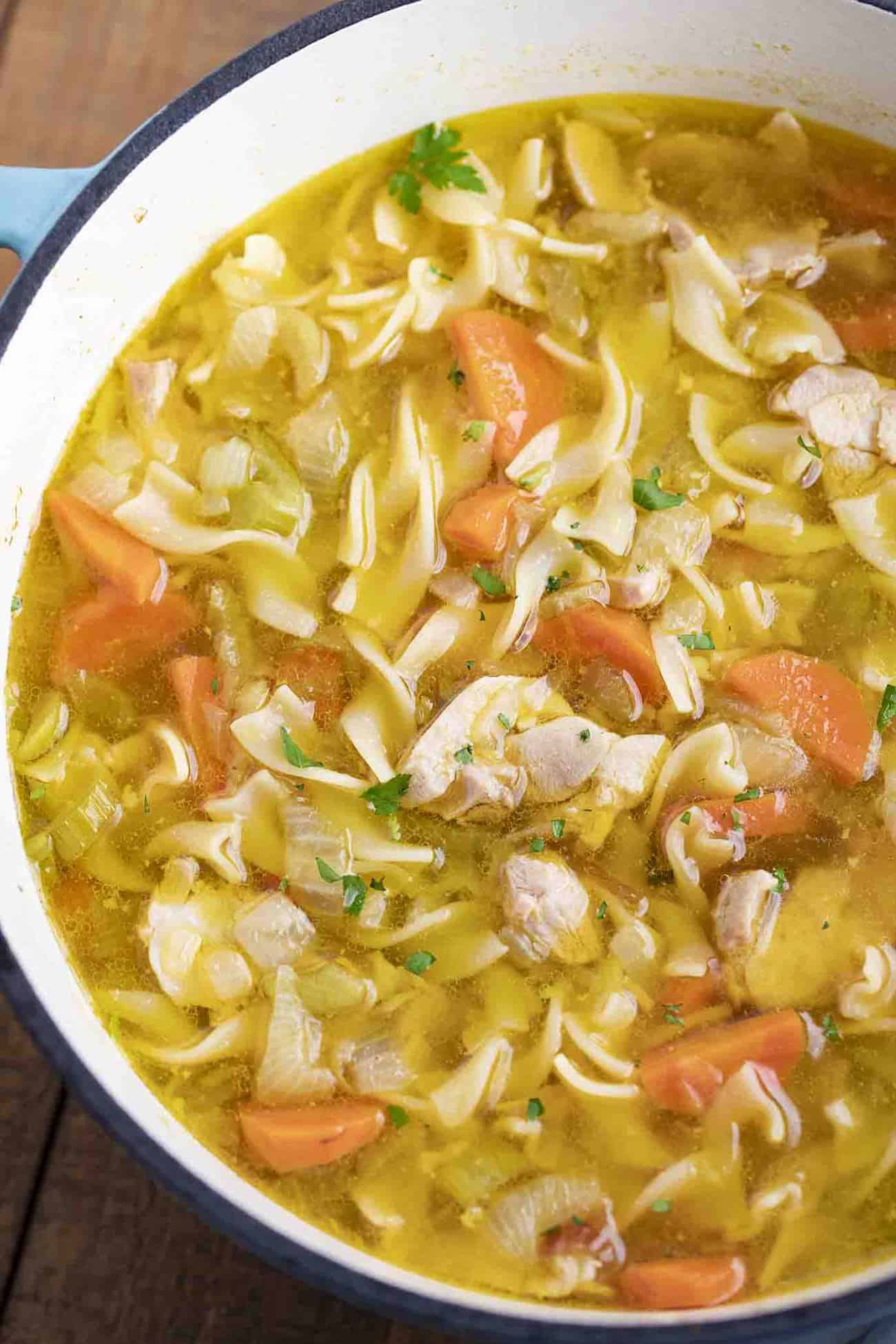
Chicken noodle soup is
Homogeneous mixture
Heterogeneous mixture
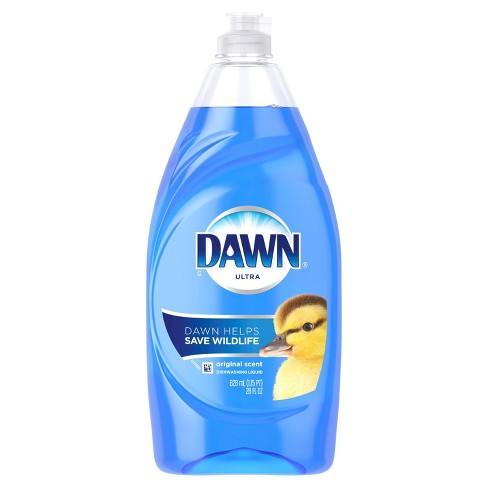
A bottle of dishwashing detergent contains a clear, viscous liquid. The label has a long list of ingredients, including water, sodium lauryl sulfate, fragrance, and Blue dye #5.
What can you infer about the material in the bottle from this label and the appearance of the liquid?
It is a pure substance.
It is a compound.
It is a heterogeneous mixture.
It is a homogeneous mixture.

Mixture or Pure Substance?
Mixture
Pure Substance

Mixture or Pure Substance?
Mixture
Pure Substance

Mixture or Pure Substance?
Mixture
Pure Substance

Mixture or Pure Substance?
Mixture
Pure Substance
Which of the following is classified as a pure substance?
Lemonade
Fruit punch
ketchup
Hydrogen
Which of the following is NOT a mixture?
milk
lemonade
vegetable salad
carbon
Which of these is an element?
Salt (NaCl)
Water (H20)
Oxygen (O)
Carbon Dioxide (CO2)
Which of these is a compound?
Aluminium (Al)
Carbon Dioxide (CO2)
Nitrogen (N)
Sand
Identify which images are HETEROGENEOUS MIXTURES! (Check all that apply)


In a homogeneous mixture...
... it is impossible to see the different components.
... there is no way to separate the components.
... the components always have similar chemical formulas.
... it is possible to see the different components.
In a heterogeneous mixture...
... it is impossible to see the different components.
... there is no way to separate the components.
... the components always have similar chemical formulas.
... it is possible to see the different components.
If a substance is homogeneous in appearance, then it has to be a mixture.
True
False
Mixtures can be made with...
Solids
Liquids
Gases
All of the above
Air
Heterogeneous
Homogeneous
Coca-Cola
Heterogeneous
Homogeneous


When food spoilage occur, it undergoes which type of change?
physical change
chemical change

The illustration shows which type of matter?
compound
mixture of elements
mixture of compounds
mixture of elements and compounds
An element is a pure substance made up of only one type of atom.
"element" makes the statement false
"only one" makes the statement false
the statement is TRUE

The illustration shows which type of matter?
element
compound
homogeneous mixture
heterogeneous mixture
What are compounds?
A combination of two or more more substances that maintain their chemical properties and don't form bonds.
Pure substances made of two or more different elements.
Not uniform structure or composition.
Uniform structure anda composition.
An element is a ______ .
pure substance
mixture
A compound is a ______ .
pure substance
mixture

What do the atoms represesnt?
a compound
a homogeneous mixture
an element
a heterogeneous mixture

What does the picture represent?
a compound
a homogeneous mixture
an heterogeneous mixture
an element
A pure substance that is made up of only one type of atom is a(n)...
element
colloid
compound
solution
India is located in ...
Africa
Australia
Europe
Asia
The Indian currency is (a) .
India shares borders with ...
(share - partager; border - frontière)
Bhutan, Nepal, Bangladesh
Japan, Taiwan
Kyrgyzstan, Tajikistan
Laos, Vietnam
India civilization is older than the Chinese.
True
False
True or False? Everyone speaks with an accent.
True
False
What is "Standard" American English?
The variety of language historically considered to be "correct" by those in power.
The form of "slang" US English that isn't taught in schools.
The only version of English that follows grammatical and structural rules.
What is a dialect?
The dial tone on your phone that is specific to you
Differences in the pronunciations of a language
A variety of language that is spoken by a group of people that is systemically different from other varieties of the language.
Which of the following criteria between languages and dialects is not true?
Languages are much more complex than dialects.
Speakers of the same language can understand different dialects.
Speakers of different languages often cannot understand each other.
The differences between languages and dialects can be political.

Regional variation of a language distinguished by distinctive vocabulary, spelling, and pronunciation.
Isogloss
Pidgin
Dialect
Accent


The cartoon is making reference to...
Pronunciation
Accent
Dialect

The man with the cap is being corrected because of his...
Pronunciation
Accent
Dialect
Dialects have "rules" or "laws".
True
False
Dialects result from unsuccessful attempts to speak the "correct" form of a language.
True
False

Some dialects are better than others.
True
False
Australian English can be described as...
A dialect of English
A non-Standard form of English
An accent
A creole

